Skip to content

Uzm. Dyt. Berk AysanPrepared the latest update, November 14, 2026

Lokmini is not a healthcare provider and does not offer health services. For your baby's specific needs, talk to your doctor or a dietitian.

  • Vegetables
  • 6 mo+
  • Low choking risk

Summer squash for babies: when to start

Summer squash can be offered once your baby is about 6 months old and ready for solids. In the early days, it can be cooked until completely soft and mashed, or served in a way that suits your baby's developmental skills.

  • Vitamin C
  • Beta-carotene
  • Lutein
  • Zeaxanthin
  • Fiber
  • Choline
Summer squash prepared for a baby

About summer squash

Summer squash is a general name for squash picked while the skin is thin, the seeds are still soft and the flesh is tender. It comes in green, yellow, white or striped varieties. Sakız kabağı, widely eaten in Türkiye, belongs to this group.

Summer squash belongs to the gourd family (Cucurbitaceae). Many squash varieties eaten today originally come from the Americas. The history of squash domestication goes back about 10,000 years.

Nutrition

Summer squash is high in water and low in energy density. It provides vitamin C, potassium, vitamin B6 and folate. It also contains a little fiber, magnesium and other vitamins and minerals.

Summer squash contains carotenoids such as lutein and zeaxanthin. Yellow and darker varieties in particular may also contain beta-carotene. The body can convert beta-carotene into vitamin A as needed.

The skin of the squash contains fiber and some plant compounds. You do not have to peel well-washed, thin-skinned squash that turns completely soft when cooked. But if the skin stays tough, you can peel it.

Also known as: yaz kabağı, sakız kabağı, kabak, zucchini, sarı kabak

  • Gluten-free
  • Vegan

How to prepare it by age

6 monthsStrip or mash
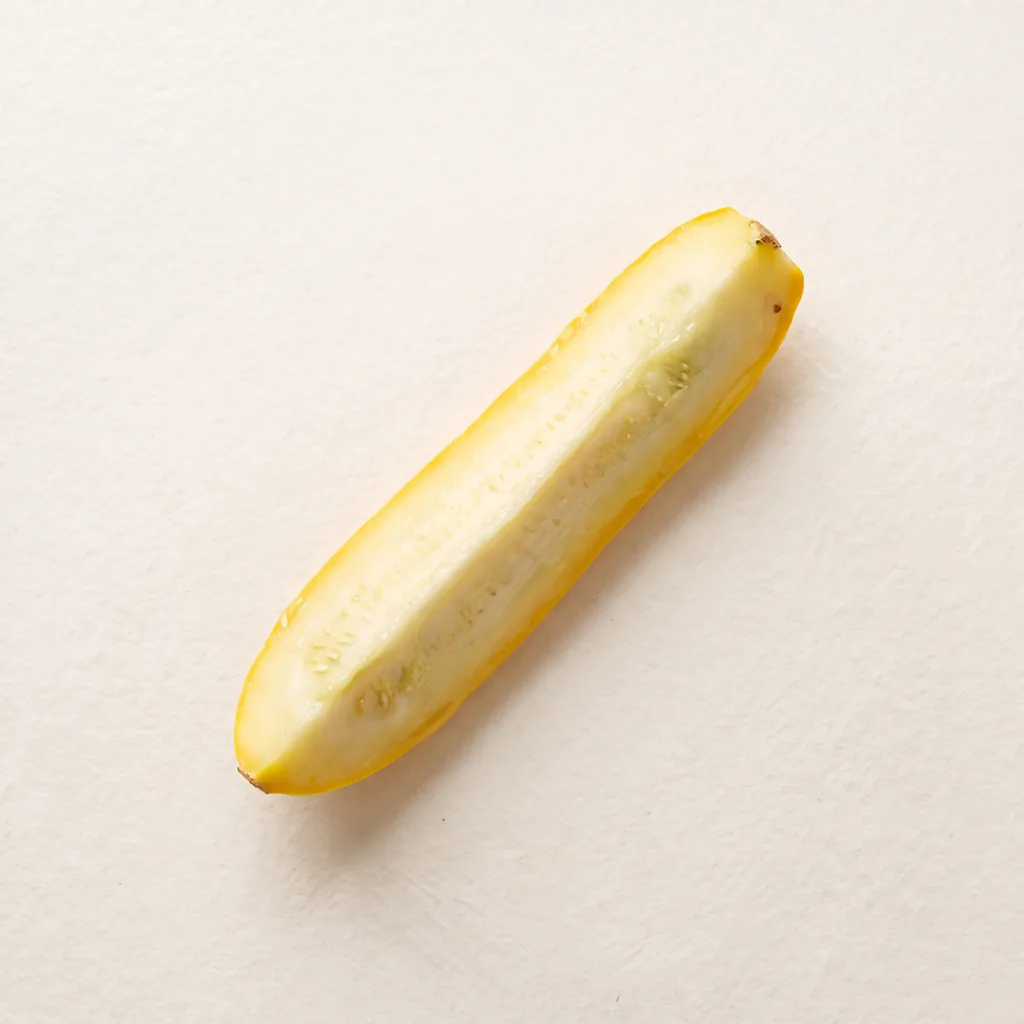
Summer squash prepared for 6 months

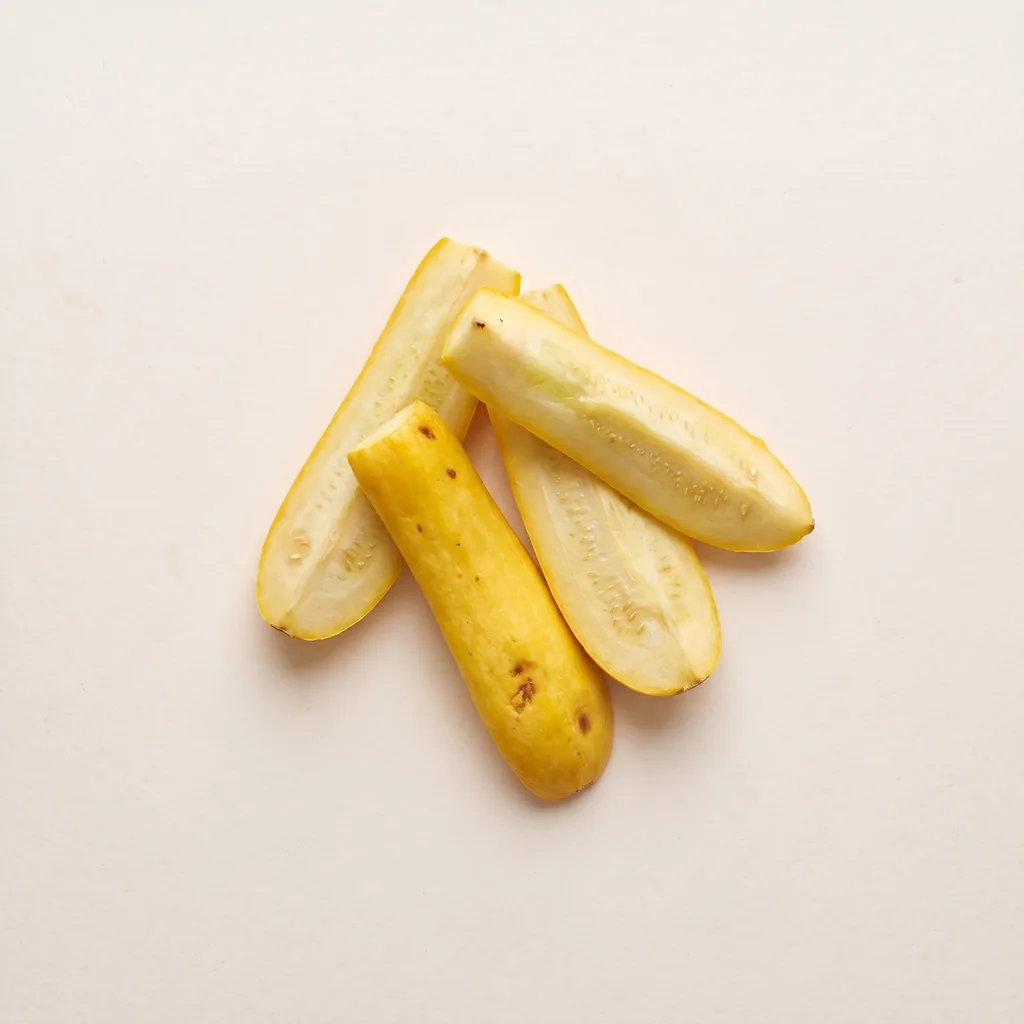
Cut: Finger strip

Wash the squash but do not peel it. Cut long, thick spears and cook until soft. If the spears get slippery, roll them in ground pumpkin seeds or shredded coconut. The soft seeds in cooked squash can stay. Stay beside your baby while they eat.

Cut: Grated

Grate the squash. Fold it, raw or cooked, into lentil mash, omelet strips, meatballs or pancake batter. Aim for a texture that holds together in a small hand.
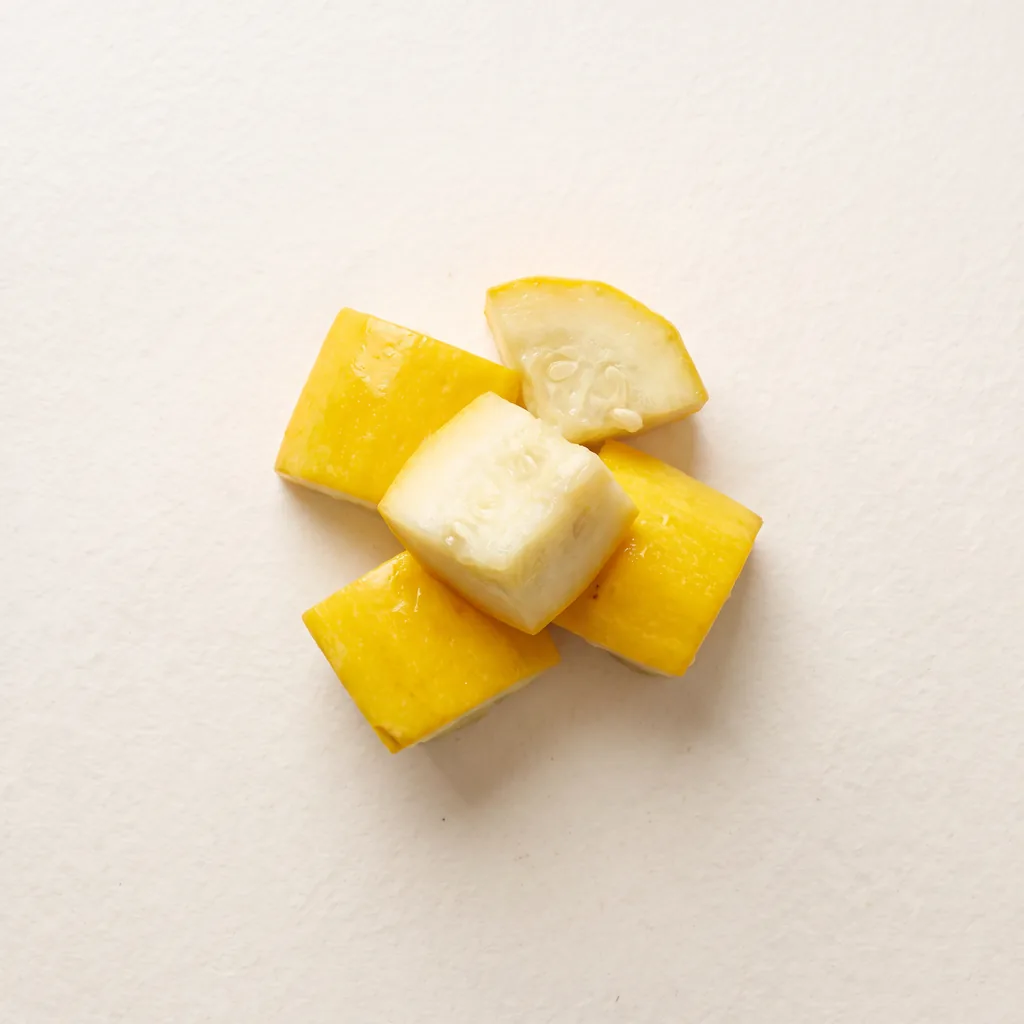
9 monthsCube

Summer squash prepared for 9 months

Cut: Bite sized piece

Chop cooked squash into bite-sized pieces. Your baby may stuff the mouth, which is normal at this age. Offering several pieces teaches how much fits. If you prefer, grate it or cut long thin strands and serve like noodles.

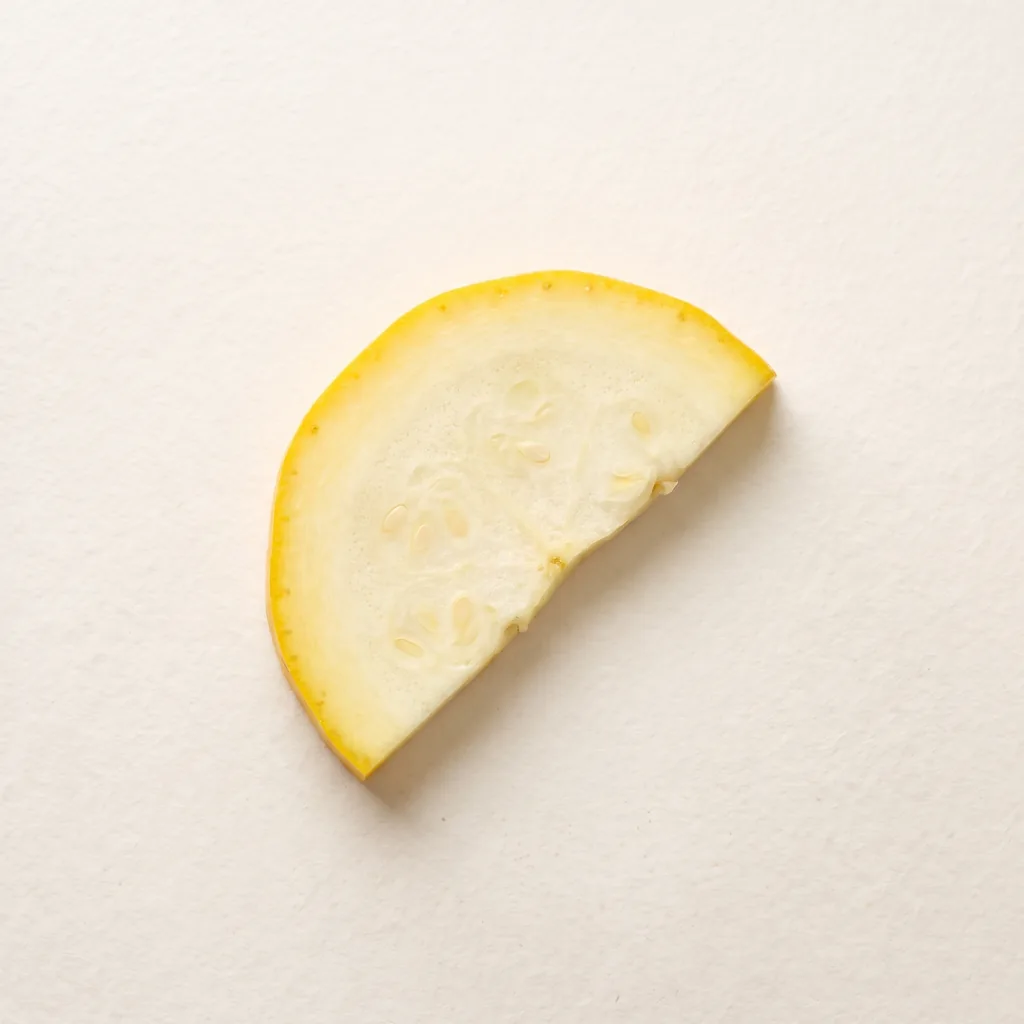
12 monthsSlice

Summer squash prepared for 12 months

Cut: Bite sized piece

Keep serving cooked bites. If you trust your child's biting and tearing, offer raw squash as thin half-moons or matchsticks. Around 18 months, thicker raw slices can be tried. Do not always hide the vegetable. Show it whole too. Add flavor with lemon juice, herbs and spices.

Choking risk

  1. Low
  2. Medium
  3. High

Summer squash carries a low choking risk when prepared properly. But large, hard, raw pieces are harder to chew and can be a choking hazard.

When starting solids, cook the squash until it is soft enough to mash easily with a fork, and serve it in sizes that suit your baby's developmental skills.

Thin skin is usually not a problem once it is fully soft. But pieces of skin that stay tough or stringy can make chewing harder. If your baby spits the skin out, do not force it.

Make sure your baby sits upright during meals, and always stay beside them, within arm's reach.

Allergen information

Summer squash is not a common food allergen. But allergic reactions to some foods in the gourd family (Cucurbitaceae) have been reported.

Foods in the same family, such as squash, cucumber, melon and watermelon, may share some similar allergen proteins. Still, an allergy to one of these foods does not mean an allergy to all the others.

Some people sensitive to ragweed pollen in particular may have pollen-food allergy syndrome linked to the gourd family. This can cause itching, tingling and mild swelling in the mouth or throat. But clinical data on cross-reactions specific to summer squash are limited.

In pollen-food allergy syndrome, symptoms are mostly mild. Cooking may weaken some allergen proteins but does not fully stop allergic reactions. Peeling does not remove the allergy risk either.

When you offer summer squash to your baby for the first time, start with a small amount and watch for signs of allergy. If you suspect a reaction, stop serving it and get medical advice. For serious signs such as trouble breathing or swelling of the tongue or throat, call emergency services right away.

Frequently asked questions

What age can babies eat summer squash?

Summer squash can be offered once your baby is about 6 months old and ready for solids. In the early days, it can be cooked until completely soft and mashed, or served in a way that suits your baby's developmental skills.

Is summer squash a common allergen?

Summer squash is not a common food allergen. But allergic reactions to some foods in the gourd family (Cucurbitaceae) have been reported.

How do you prepare summer squash for babies?

For a 6-month-old: Wash the squash but do not peel it. Cut long, thick spears and cook until soft. If the spears get slippery, roll them in ground pumpkin seeds or shredded coconut. The soft seeds in cooked squash can stay. Stay beside your baby while they eat.

Is summer squash a choking hazard for babies?

Summer squash carries a low choking risk when prepared properly. But large, hard, raw pieces are harder to chew and can be a choking hazard.

Do I need to peel summer squash?

No, you do not have to peel it. Wash the squash well and cook it until the skin is completely soft. The skin contains fiber and various plant compounds. But if it stays tough, you can peel it. If your baby spits the skin out, do not force it.

Does summer squash help with constipation in babies?

Summer squash is high in water and has a little fiber. But it has not been shown to be a fix for constipation on its own. If constipation keeps happening, talk to your doctor or a dietitian.

How should I store it?

Store summer squash unwashed in a dry, breathable bag or container in the crisper drawer of the fridge. It is usually best eaten within 4 to 5 days. It keeps for a shorter time than winter squash. Do not use squash that is bruised, soft, moldy or starting to rot.
Share:WhatsApp

Want to add this food to your baby's solid food calendar?

Join Lokmini to learn how this food is served at each age and to keep track of every food your baby tries.

Join Lokmini

Starting Solids

When and how to start solids, and what happens in the first week?

Read the guide

Similar foods

Let's get ready for the first bite together

Lokmini builds a day-by-day plan for your baby's age. Leave your email for new guides and our newsletter.

Start Your Journey