Skip to content

Uzm. Dyt. Berk AysanPrepared the latest update, November 14, 2026

Lokmini is not a healthcare provider and does not offer health services. For your baby's specific needs, talk to your doctor or a dietitian.

  • Fruits
  • 6 mo+
  • Medium choking risk

Strawberry for babies: when to start

Strawberries (Fragaria × ananassa) can be offered when your baby is about 6 months old and ready for solids. Not every strawberry suits a baby, though. The size and firmness of the fruit and the way you serve it matter for choking risk.

  • Vitamin C
  • Folate
  • Potassium
  • Magnesium
  • Fiber
Strawberry illustration

About strawberry

Strawberry is a fruit of the rose family (Rosaceae) that grows in temperate climates. Size, color and taste can vary by variety. There are red, pink and white strawberries. Sweetness and sourness depend on the variety, growing conditions and ripeness.

Nutrition

Besides their high water content, strawberries provide fiber and especially vitamin C. They also contain folate, potassium, manganese and smaller amounts of other vitamins and minerals.

Strawberries also contain plant compounds with antioxidant properties, such as anthocyanins and other polyphenols. However, it has not yet been shown that these compounds bring specific health benefits for babies.

Also known as: bahçe çileği, dağ çileği, yabani çilek, çilek

  • Gluten-free
  • Vegan

How to prepare it by age

6 monthsStrip or mash
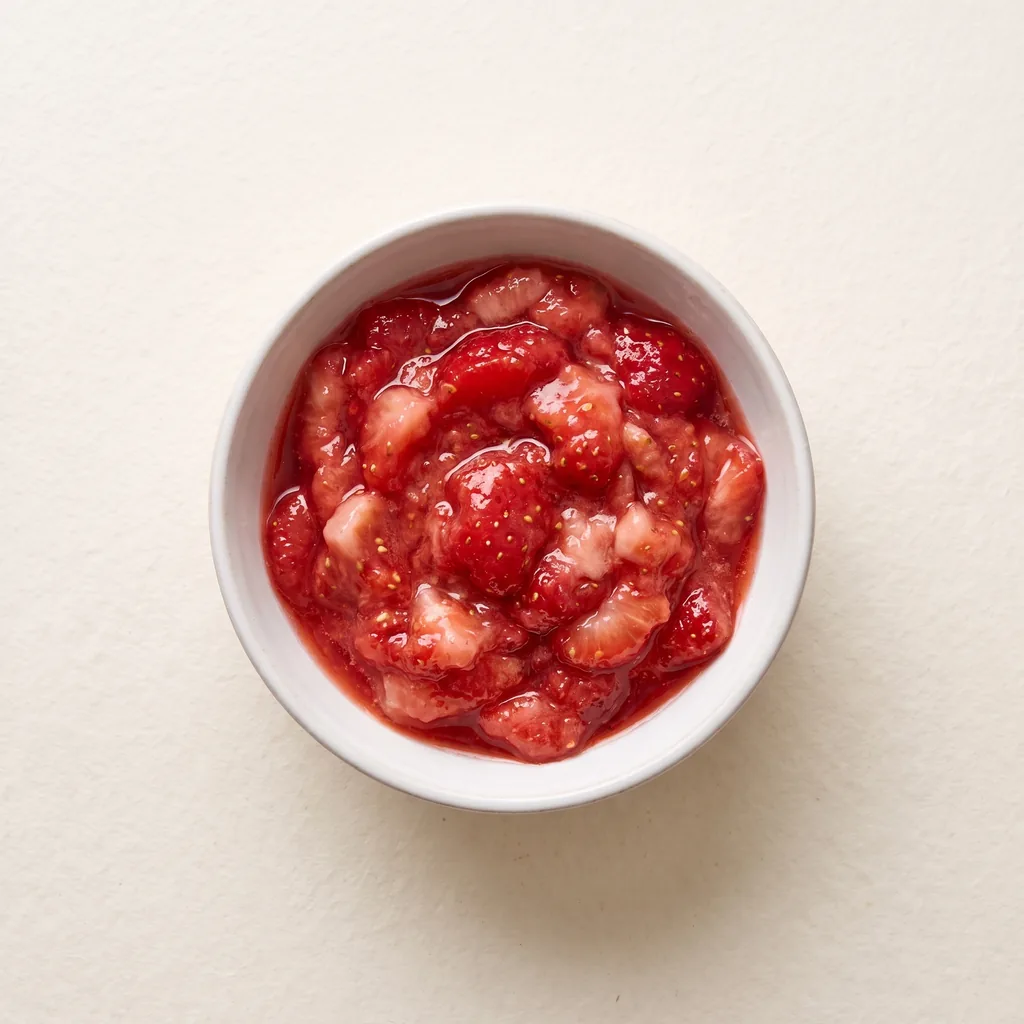
Strawberry prepared for 6 months

Cut: Fork mashed

Never serve a strawberry whole or in halves. Its size and round shape can fit snugly into a small airway and cause choking. At 6 to 9 months, remove the stem and mash the berry well to a purée. If your baby is ready for baby-led weaning, serve it cut into quarters. Mash very small berries instead of quartering them.

Cut: Fork mashed

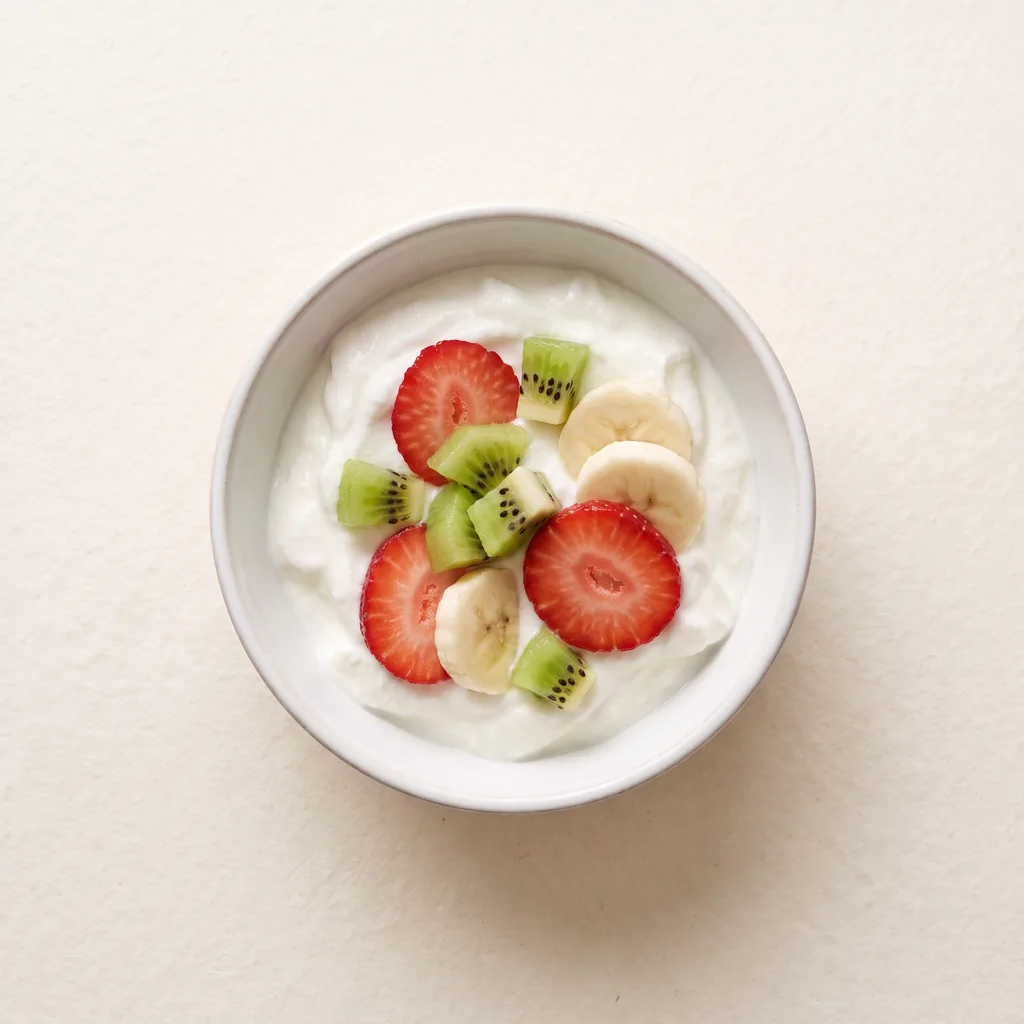
Hull the berry and mash it with a fork. Mashing or briefly cooking small berries is the safest route. Stirring the mash into yogurt or warm oatmeal helps your baby eat more of it. Pick out any firm bits that remain.
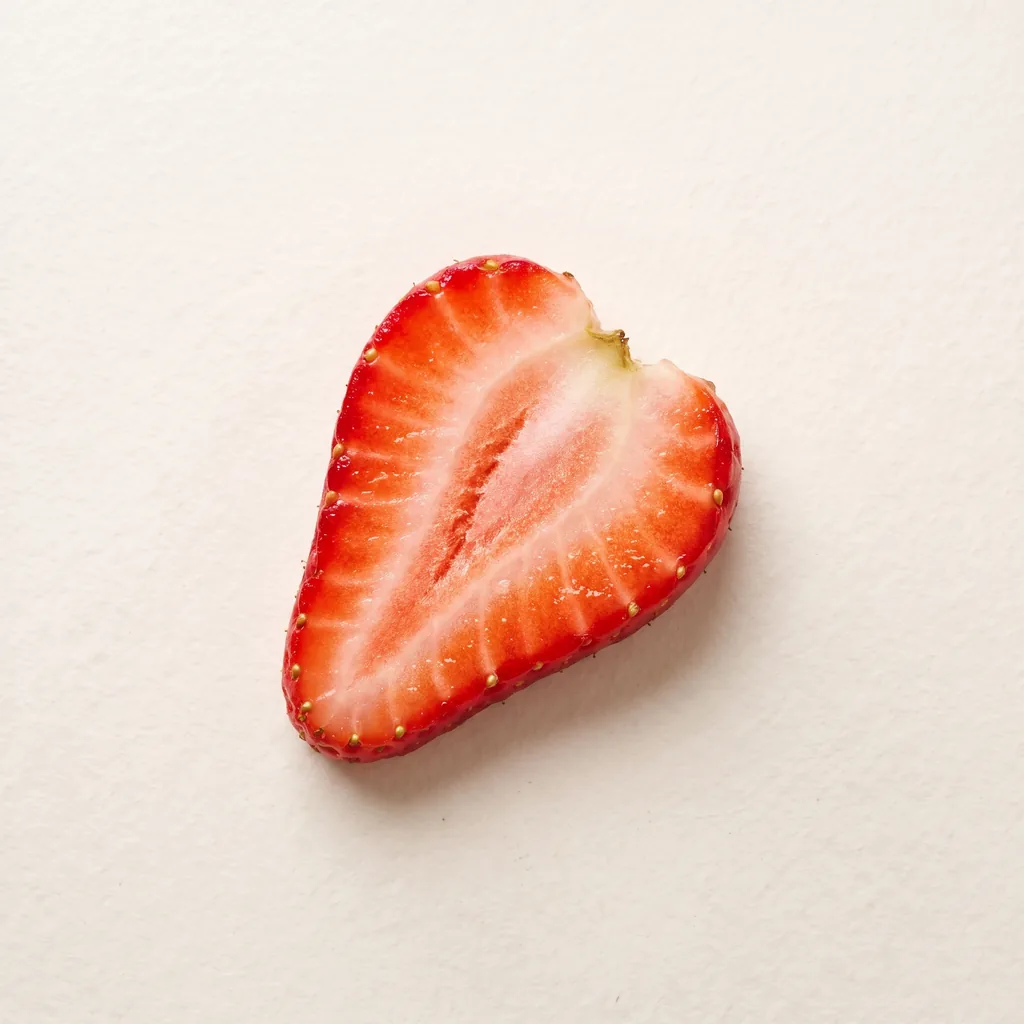
9 monthsSlice

Strawberry prepared for 9 months

Cut a ripe strawberry into slices of medium thickness. Paper-thin slices are hard to pick up and can stick to the tongue or palate and trigger gagging. Keep the slices thick enough to hold easily. Stay beside your baby while they eat.

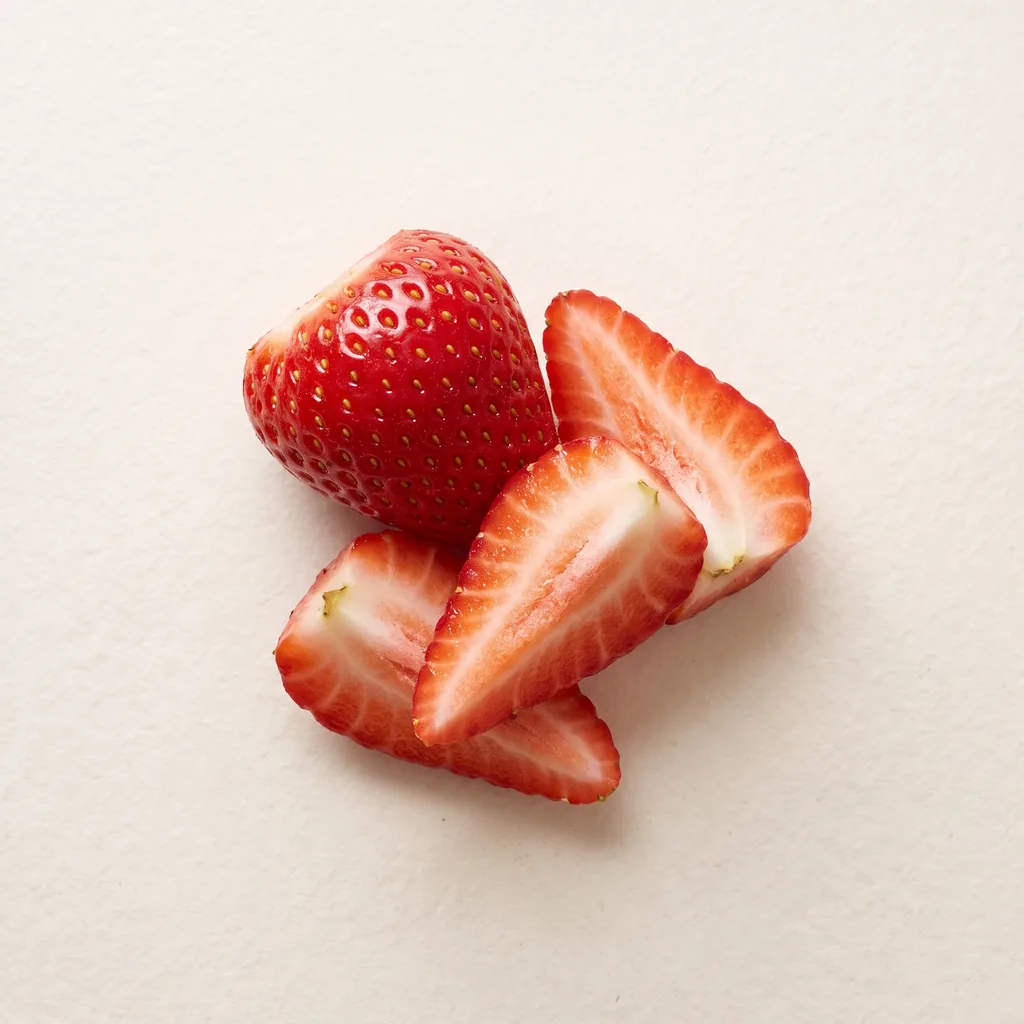
12 monthsSlice

Strawberry prepared for 12 months

Cut: Quartered

Keep serving slices or berries cut lengthwise into quarters. Even large berries are not served whole until age 4. The riper and softer the berry, the lower the risk. Mash firm, small berries.

Choking risk

  1. Low
  2. Medium
  3. High

Strawberries can carry a choking risk, especially when they are small, round or firm. Choose ripe, soft strawberries. Prepare them to suit your baby's age and chewing skills. Your baby should sit upright for the whole meal and be within your arm's reach.

Safer serving

For 6 month old babies, serving strawberries mashed or pureed is the more cautious choice. You do not have to give whole or halved strawberries.

Allergen information

Strawberry is not a common allergen, but it can rarely cause allergic reactions. Mild redness around the mouth is usually irritation from the fruit's acid and does not always mean an allergy.

People sensitive to birch pollen may cross-react with strawberry. This is rare in babies. It has not been shown that white strawberries are safer for allergies.

First try

Start with a small amount the first time and watch how your baby responds. If hives, swelling or repeated vomiting develop, stop giving it and contact a health professional. If your baby has trouble breathing, call emergency services right away.

Frequently asked questions

What age can babies eat strawberry?

Strawberries (Fragaria × ananassa) can be offered when your baby is about 6 months old and ready for solids. Not every strawberry suits a baby, though. The size and firmness of the fruit and the way you serve it matter for choking risk.

Is strawberry a common allergen?

Strawberry is not a common allergen, but it can rarely cause allergic reactions. Mild redness around the mouth is usually irritation from the fruit's acid and does not always mean an allergy.

How do you prepare strawberry for babies?

For a 6-month-old: Never serve a strawberry whole or in halves. Its size and round shape can fit snugly into a small airway and cause choking. At 6 to 9 months, remove the stem and mash the berry well to a purée. If your baby is ready for baby-led weaning, serve it cut into quarters. Mash very small berries instead of quartering them.

Is strawberry a choking hazard for babies?

Strawberries can carry a choking risk, especially when they are small, round or firm. Choose ripe, soft strawberries. Prepare them to suit your baby's age and chewing skills. Your baby should sit upright for the whole meal and be within your arm's reach.

Why are strawberries sometimes tart and sometimes sweet?

The flavor of strawberries depends on the variety, growing conditions and ripeness. Some varieties are sweeter and some are more sour.

My baby's skin turned red around the mouth after strawberries. Is it an allergy?

Not always. The acid in strawberries can cause short-lived irritation around the mouth. But if hives, swelling of the lips or face, or repeated vomiting develop, get a medical assessment. If your baby has trouble breathing, call emergency services right away.

Can strawberries make diaper rash worse?

In some babies, acidic fruits can irritate skin that touches stool and make diaper rash worse. Evidence specific to strawberries is limited, though. Change diapers often and use a barrier cream that contains zinc oxide or petroleum jelly.
Share:WhatsApp

Want to add this food to your baby's solid food calendar?

Join Lokmini to learn how this food is served at each age and to keep track of every food your baby tries.

Join Lokmini

Starting Solids

When and how to start solids, and what happens in the first week?

Read the guide

Similar foods

Let's get ready for the first bite together

Lokmini builds a day-by-day plan for your baby's age. Leave your email for new guides and our newsletter.

Start Your Journey