Skip to content

Dietitian's view

Spelt is a grain with limited consumption.

Lokmini is not a healthcare provider and does not offer health services. For your baby's specific needs, talk to your doctor or a dietitian.

  • Wheat and gluten allergen
  • Grains
  • 6 mo+
  • Low choking risk

Spelt for babies: when to start

Spelt can be offered once baby is ready for solids, around 6 months. Spelt is a type of wheat and contains gluten.

  • Carbohydrates
  • Fiber
  • Zinc
  • Folate
  • Vitamin B6
  • Iron
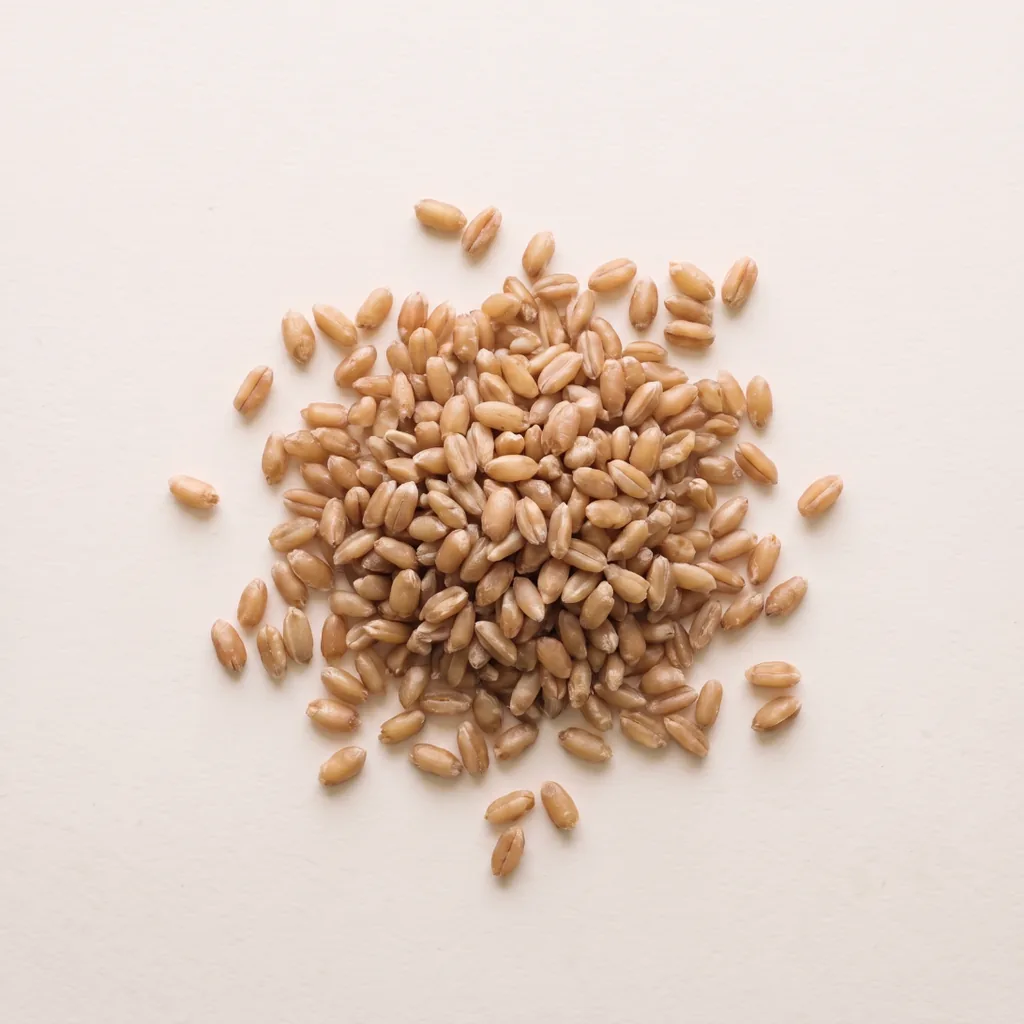
Spelt prepared for a babyAllergen, day 1/3

About spelt

Where it comes from

Spelt is a type of wheat native to the lands around the Mediterranean. It is eaten less than bread wheat but is loved in many cuisines for a mildly tangy taste. It is also called dinkel wheat.

Nutrition

It gives carbohydrate for quick energy and fiber. It holds zinc, folate, vitamin B6, iron, magnesium, selenium, and niacin. It comes as flour, pasta, bread, flakes, and infant cereal.

Also known as: spelt, kavuzlu buğday, dinkel, dinkel buğdayı, spelt unu, spelta

  • Vegan

Spelt is offered 3 days in a row

So that any reaction can be linked to the right food, spelt is offered 3 days in a row and no other new food is tried on those days.

  1. 1/3

    First taste

    Start with a small amount in the morning or around midday. Your baby is watched closely for 5 to 10 minutes after the first bite.

  2. 2/3

    Same food, same calm

    Spelt is offered again the same way. No other new food is tried today.

  3. 3/3

    Introduction done

    If no reaction was seen, spelt is now part of your baby's meals. It keeps being offered regularly.

Emergency

If your baby has trouble breathing or swelling of the face or tongue, call 911 (or your local emergency number) right away.

About spelt allergy

Spelt is a type of wheat, and wheat is one of the most common food allergens in children. Happily, two-thirds of children outgrow it by their 12th birthday.

Difference from celiac

Wheat allergy is not celiac disease. A wheat allergy can be outgrown, while celiac needs a strict gluten-free diet for life. A so-called gluten allergy is often a wrong label for celiac. If a child has no wheat allergy, celiac disease, or non-celiac gluten sensitivity, gluten is safe.

Other conditions

People with oral allergy syndrome, especially those allergic to grass pollen, may react to wheat with short-lived itching, tingling, or burning in the mouth. Rarely, people develop wheat-dependent, exercise-induced anaphylaxis. They should not eat wheat in the four hours before strenuous exercise.

Wheat and other gluten grains have also been reported in cases of FPIES. FPIES is a rare, delayed allergy with sudden repeated vomiting and diarrhea a few hours after eating. Untreated, it can cause serious dehydration. Most cases clear completely in early childhood.

Talk to your doctor

If you suspect a wheat allergy, ask a pediatric provider before serving spelt at home.

When introducing

As with any new food, give a small amount for the first few meals and watch closely. If there is no reaction, raise it slowly.

How to prepare it by age

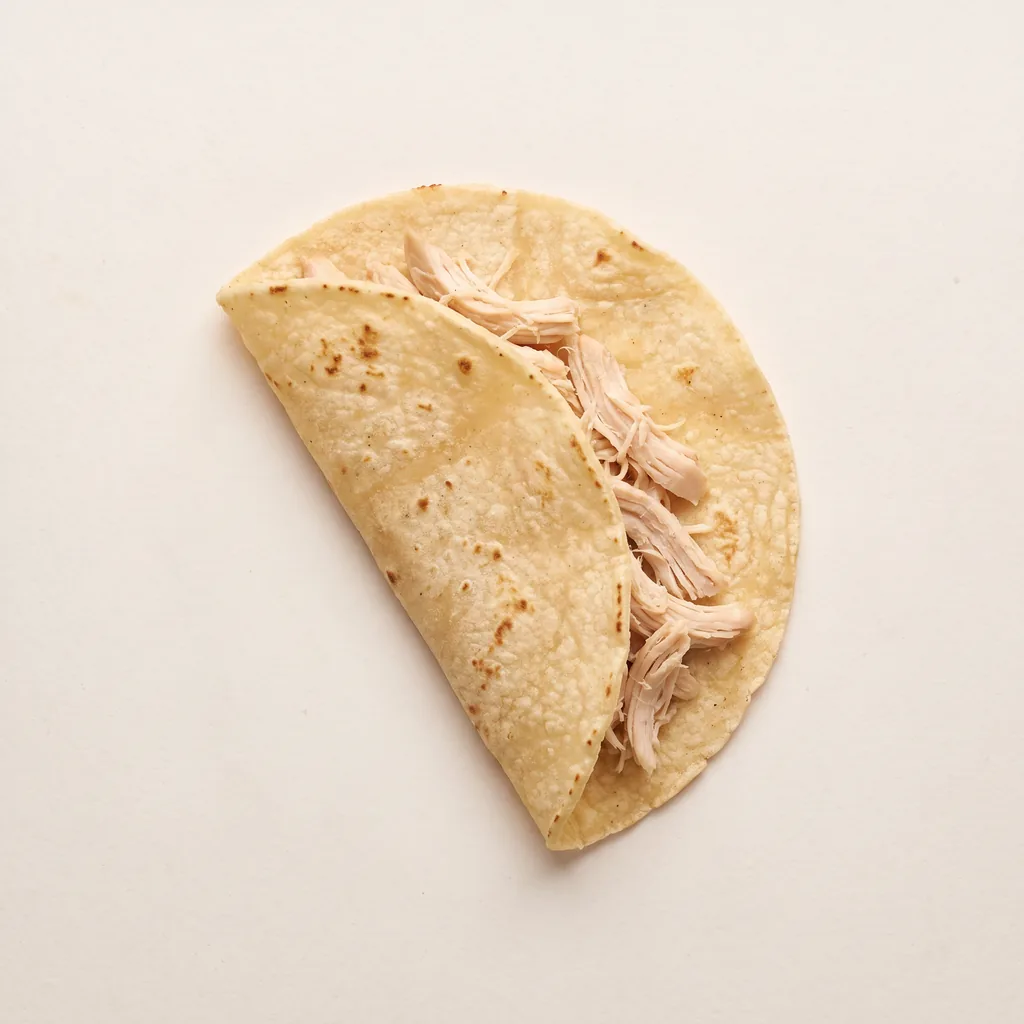
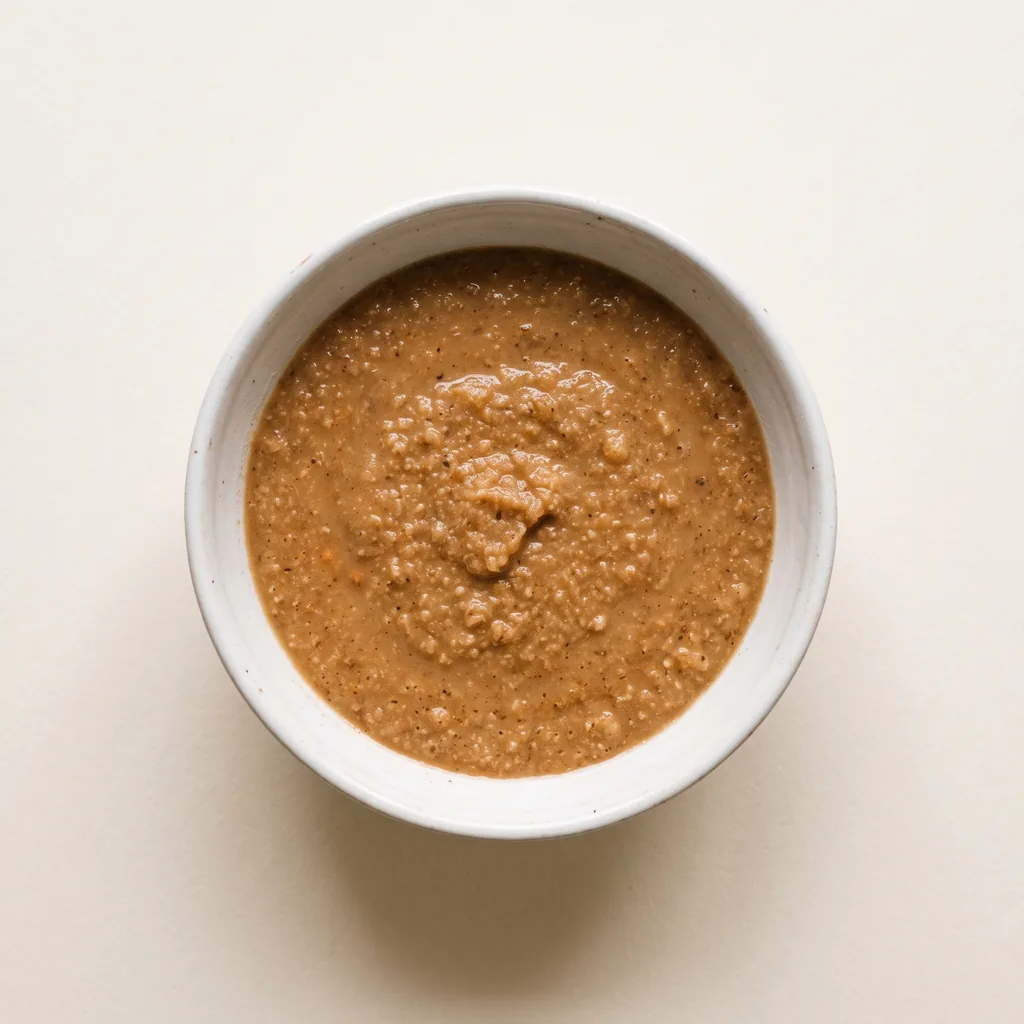
6 monthsMash or cube
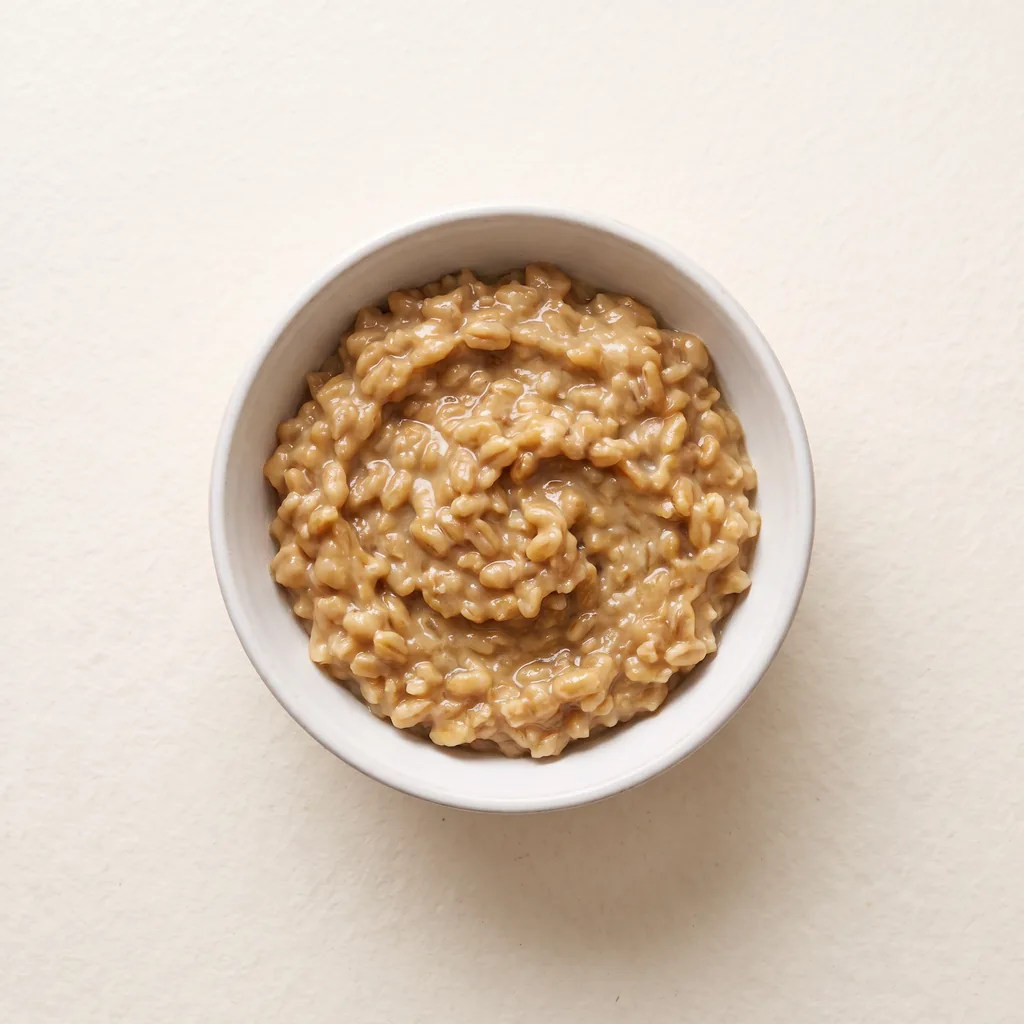
Spelt prepared for 6 months

Cook spelt grains until soft and make a porridge. Try nourishing cooking liquids such as buttermilk or vegetable stock. You may add baby-suitable spices or finely ground nuts, only if the nuts were introduced before. Baby can eat the porridge by hand or from a pre-loaded spoon.

Combine cooked spelt with mashed vegetables or ground meat, then form balls or fritters. These shapes are easy for baby to grip. You can also give strips of spelt-flour pancake or waffle, or age-appropriate baked goods and pasta made with spelt flour.
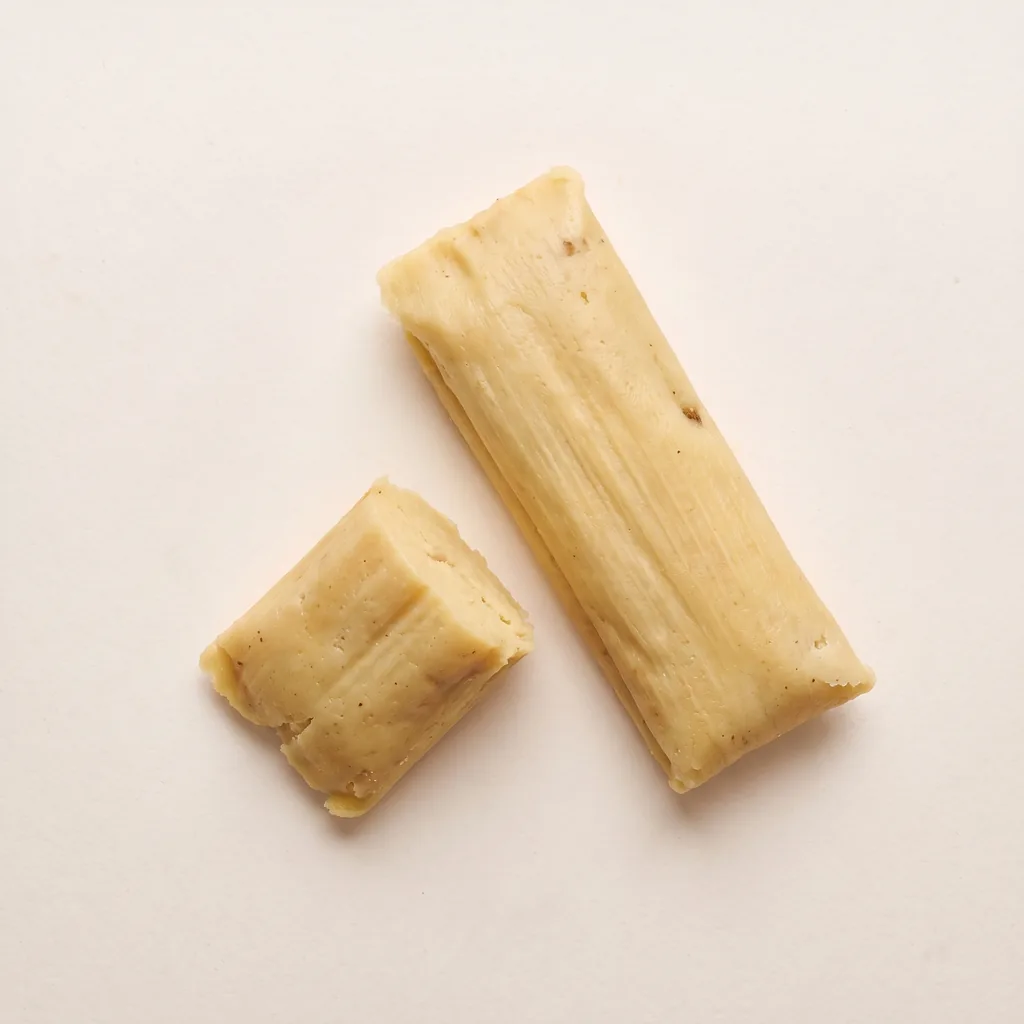
9 monthsCube

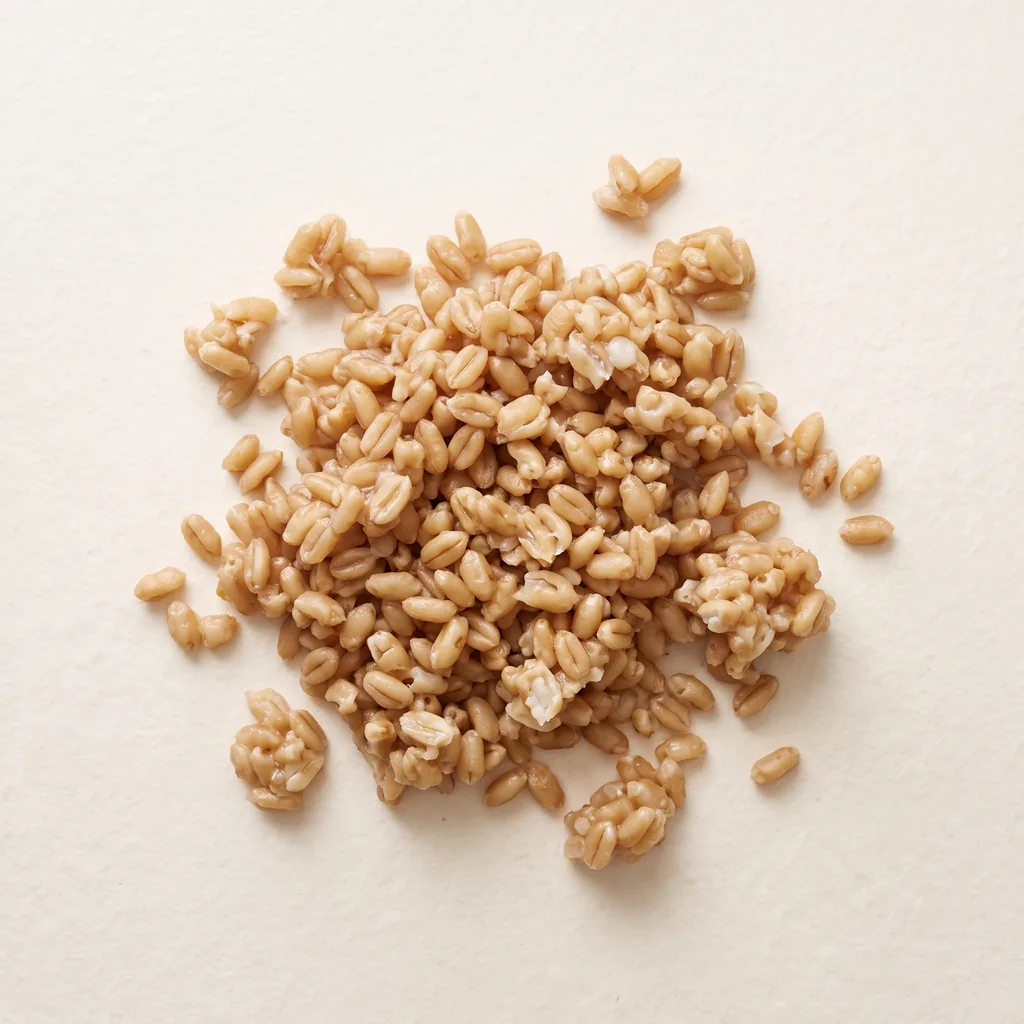
Spelt prepared for 9 months

Once the pincer grasp appears you can share grain salads. Pressing the grains with the back of a fork makes them stick together, which helps baby self-feed. You can also mix the salad with a soft food such as a mash or yogurt.

12 monthsCube

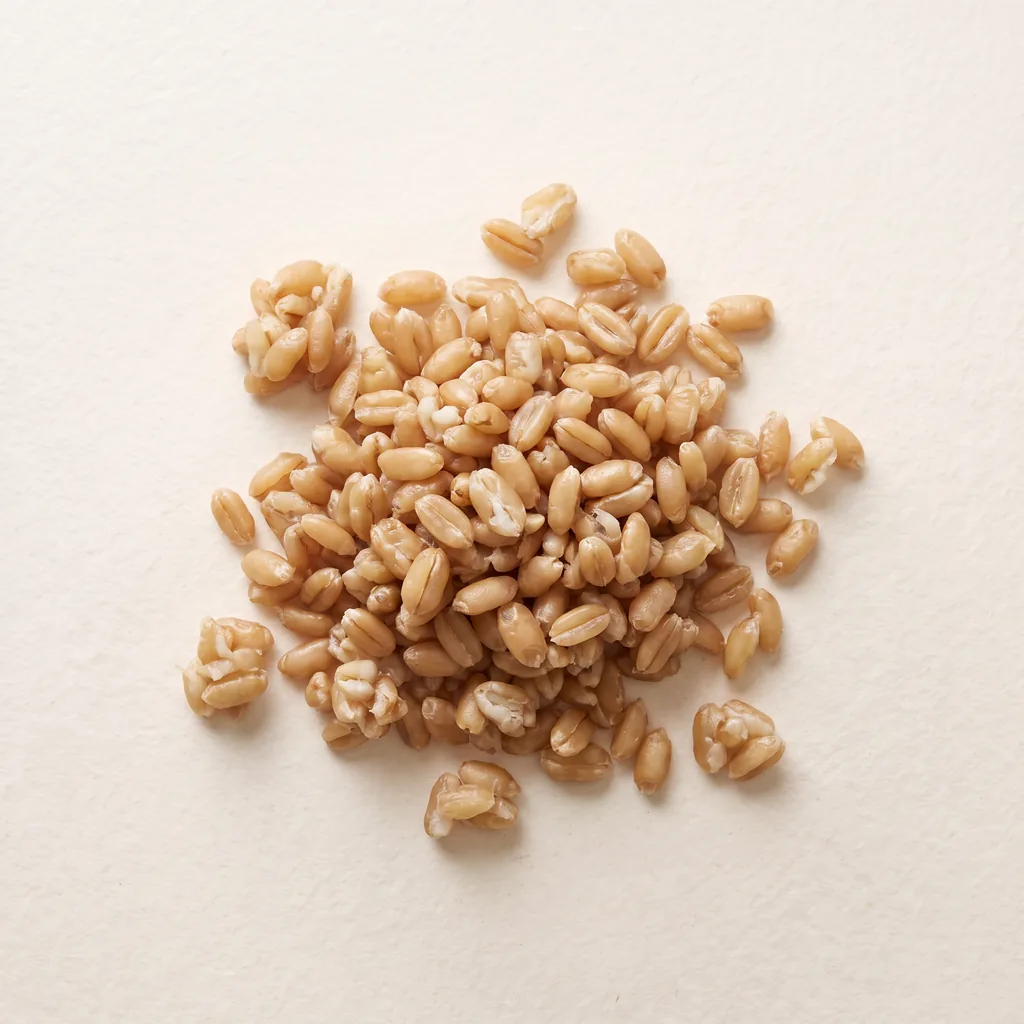
Spelt prepared for 12 months

Serve cooked spelt as finger food, in a salad, or mixed into soft foods. If your child struggles to pick up the grains, press them with a fork. You can also offer bread, pancakes, and pasta made with spelt flour.

Choking risk

  1. Low
  2. Medium
  3. High

Spelt is not a common choking hazard. Single grains do carry an aspiration risk, meaning food can be breathed into the airway without blocking it.

To lower the risk, make porridge, press the cooked grains with a fork, or mix them into a sauce or soft food. Set up a safe eating space and stay close while baby eats.

Frequently asked questions

What age can babies eat spelt?

Spelt can be offered once baby is ready for solids, around 6 months. Spelt is a type of wheat and contains gluten.

Is spelt a common allergen?

Spelt is a type of wheat, and wheat is one of the most common food allergens in children. Happily, two-thirds of children outgrow it by their 12th birthday.

How do you prepare spelt for babies?

For a 6-month-old: Cook spelt grains until soft and make a porridge. Try nourishing cooking liquids such as buttermilk or vegetable stock. You may add baby-suitable spices or finely ground nuts, only if the nuts were introduced before. Baby can eat the porridge by hand or from a pre-loaded spoon.

Is spelt a choking hazard for babies?

Spelt is not a common choking hazard. Single grains do carry an aspiration risk, meaning food can be breathed into the airway without blocking it.

Is spelt wheat?

Yes. Spelt is a type of wheat and contains gluten. It is not for children with wheat allergy or celiac disease.

Is spelt gluten free?

No. Spelt contains gluten. Gluten is safe for babies without wheat allergy, celiac disease, or non-celiac gluten sensitivity.

Can spelt help babies poop?

It gives fiber and resistant starch, so within a balanced diet it can support bowel regularity. Ask your pediatrician if you are worried.

Prepared by the Lokmini team | Last updated November 17, 2026

Share:WhatsApp

Want to add this food to your baby's solid food calendar?

Join Lokmini to learn how this food is served at each age and to keep track of every food your baby tries.

Join Lokmini

Starting Solids

When and how to start solids, and what happens in the first week?

Read the guide

Similar foods

Let's get ready for the first bite together

Lokmini builds a day-by-day plan for your baby's age. Leave your email for new guides and our newsletter.

Start Your Journey