Skip to content
  • Vegetables
  • 6 mo+
  • Low choking risk

Spinach for babies: when to start

Spinach can be offered once baby is ready for solids, around 6 months.

  • Vitamin K
  • Folate
  • Iron
  • Carotenoids
Spinach illustration

About spinach

Where it comes from

Spinach comes from West Asia. It has two main types: savoy with crinkled, curly leaves and flat-leaf with smooth leaves. Other leafy greens cooked in a similar way are also called spinach in English, such as pui in India, komatsuna in Japan, and kangkong in the Philippines.

Nutrition

Spinach is not as iron-rich as once claimed. Fresh spinach holds some iron, but its oxalates cut iron absorption. Cooking it and eating it with a vitamin C food helps absorption. It is very rich in vitamin K and polyphenols. It also has B vitamins and carotenoids.

Also known as: ispanak, spinach, yeşil yapraklı sebze, ıspanak, ıspanak yaprağı

  • Gluten-free
  • Vegan

How to prepare it by age

6 monthsMash

Spinach prepared for 6 months

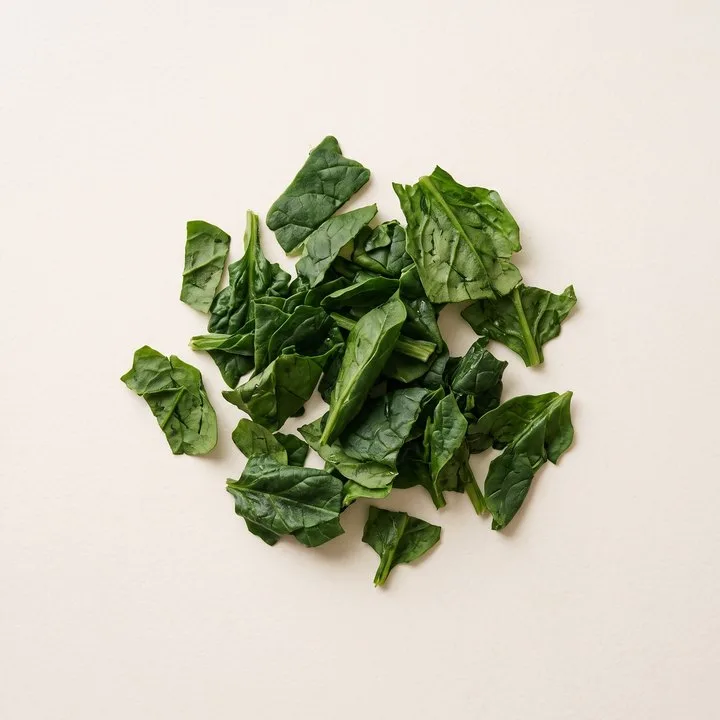
Cut: Finely chopped

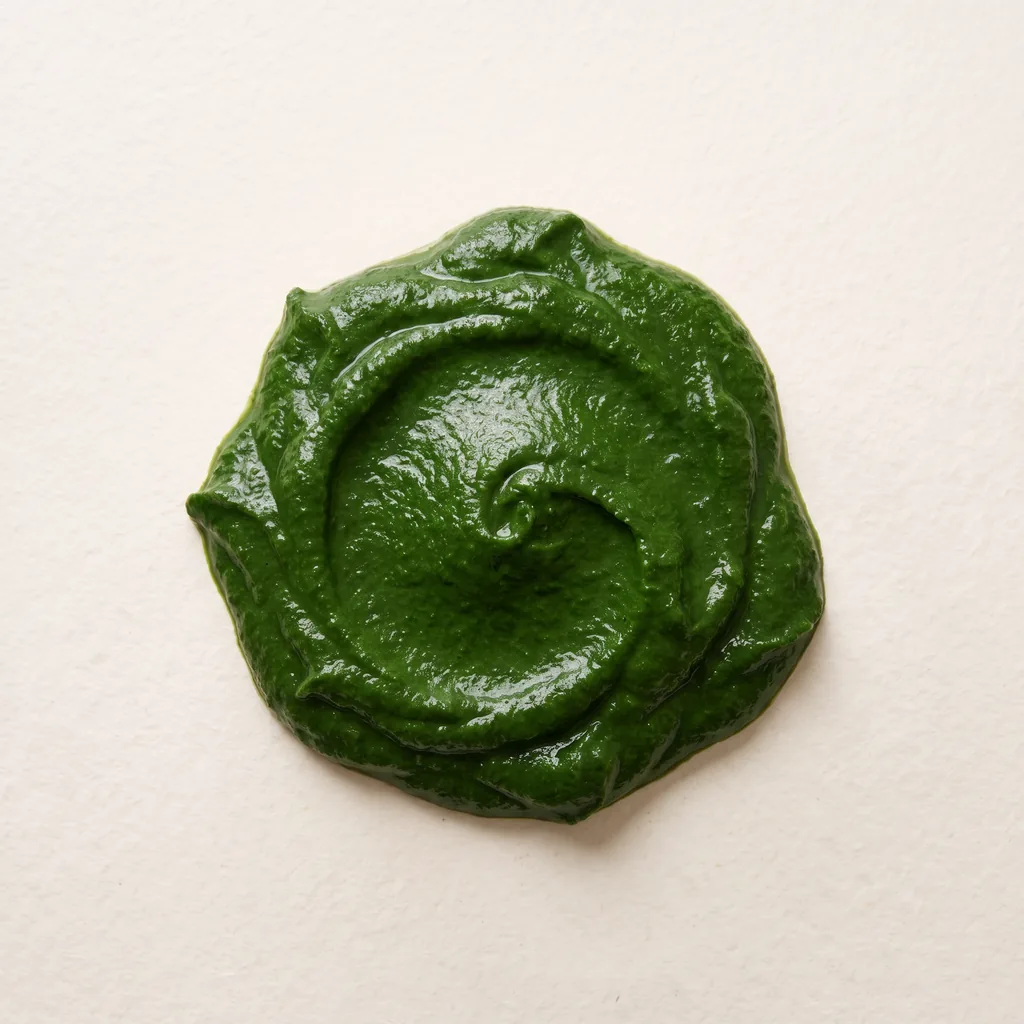
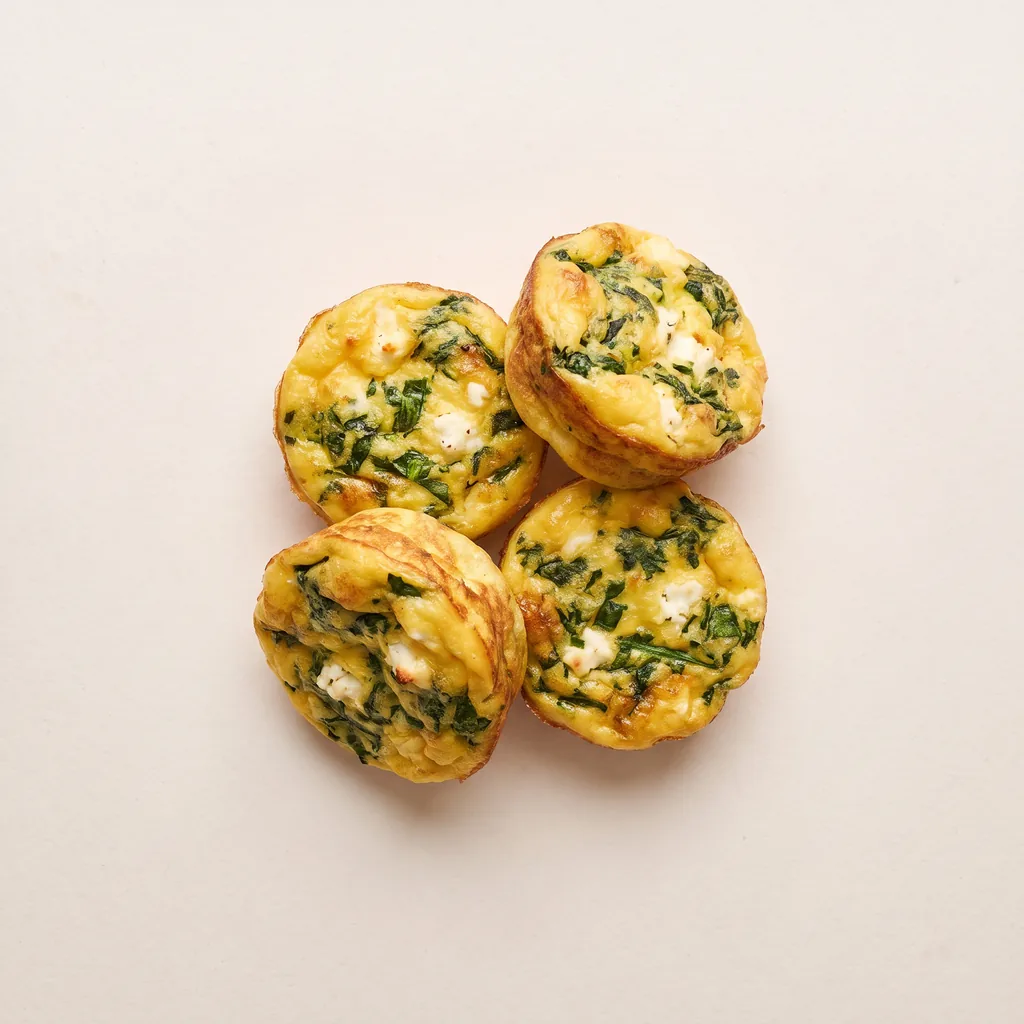
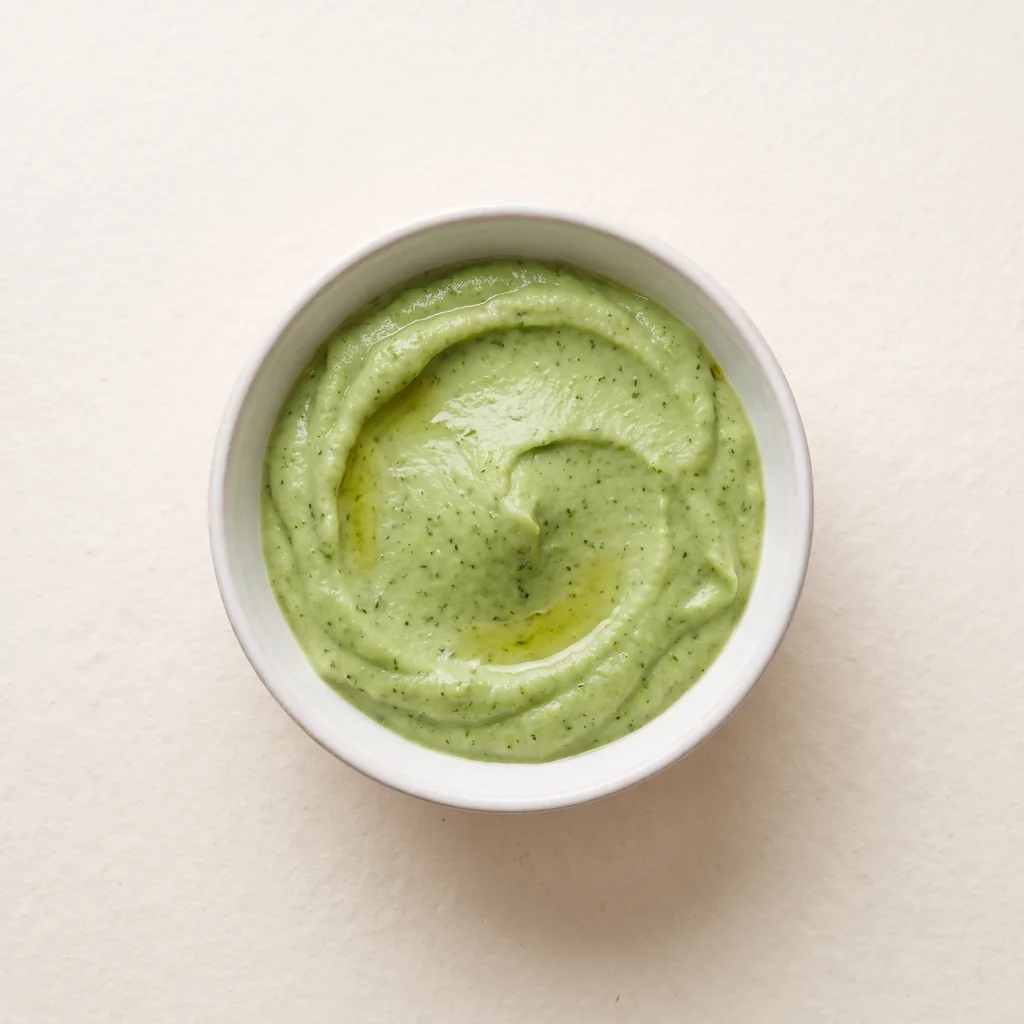
Chop cooked spinach finely and stir it into a vegetable purée, oat porridge, or yogurt. Leaf bits cling to the tongue and palate, so mixing them into a soft food rather than serving them alone cuts down on gagging. You can also fold it into egg strips or meatballs. Offer a vitamin C food alongside to help iron absorption.
9 monthsStrip

Fresh spinach leaves

Cut: Finely chopped

Cut cooked spinach into thin ribbons and stir it into the meal. Finely chopped raw spinach can also be offered at this age. It is normal for leaf pieces to stick in the mouth and cause harmless gagging.

12 monthsStrip

Fresh spinach leaves

Serve spinach cooked or raw, alone or within a meal. As molars come in, the child chews the leaf more easily. You can spear a piece of spinach on a fork and rest it next to the plate for your child to pick up.

Choking risk

  1. Low
  2. Medium
  3. High

Properly prepared, soft spinach usually carries a low choking risk. But like any food, spinach can cause choking under the wrong conditions.

Raw or cooked spinach leaves can sometimes stick to the tongue and palate and trigger the gag reflex. Gagging is a normal protective reflex your baby may show while learning to handle food in the mouth.

To lower the risk, prepare spinach to suit your baby's development and chewing skills. Make sure your baby sits upright while eating, sit beside them, and stay within arm's reach.

Allergen information

Spinach is not a common allergen. Allergic reactions have rarely been reported, but data on how often they occur in babies are limited.

Possible cross-reactions with latex allergy have been reported, but this link is not strongly proven. Spinach may also be counted among histamine-related foods, but how much this matters clinically in babies is unclear.

When you offer spinach for the first time, give a small amount. If there is no reaction, you can increase the amount gradually.

If signs such as hives, lip swelling or vomiting appear, stop giving spinach and talk to your doctor. If there are serious signs such as trouble breathing or swelling of the tongue or throat, call emergency services right away.

Frequently asked questions

What age can babies eat spinach?

Spinach can be offered once baby is ready for solids, around 6 months.

Is spinach a common allergen?

Spinach is not a common allergen. Allergic reactions have rarely been reported, but data on how often they occur in babies are limited.

How do you prepare spinach for babies?

For a 6-month-old: Chop cooked spinach finely and stir it into a vegetable purée, oat porridge, or yogurt. Leaf bits cling to the tongue and palate, so mixing them into a soft food rather than serving them alone cuts down on gagging. You can also fold it into egg strips or meatballs. Offer a vitamin C food alongside to help iron absorption.
Is spinach a choking hazard for babies?

Properly prepared, soft spinach usually carries a low choking risk. But like any food, spinach can cause choking under the wrong conditions.

Is spinach rich in iron?

Not as much as people think. It has some iron, but oxalates reduce absorption. Cooking it and serving a vitamin C food helps.

Should I worry about nitrates in spinach?

Usually not. For healthy babies who start solids at about 6 months, spinach can be part of a varied diet. Cool homemade purée without delay, store it in the fridge, and ideally use it within 24 hours. Freeze it for longer storage.

Can I give baby raw spinach?

For babies, choose spinach that is well washed, cooked until soft and finely chopped first. There is no need to give raw spinach. As your child's chewing skills develop, well-washed, finely chopped raw spinach can be tried. There is no fixed age for this.

Prepared by the Lokmini team | Last updated November 19, 2026

Share:WhatsApp

Want to add this food to your baby's solid food calendar?

Join Lokmini to learn how this food is served at each age and to keep track of every food your baby tries.

Join Lokmini

Starting Solids

When and how to start solids, and what happens in the first week?

Read the guide

Similar foods

Let's get ready for the first bite together

Lokmini builds a day-by-day plan for your baby's age. Leave your email for new guides and our newsletter.

Start Your Journey