Skip to content

Uzm. Dyt. Berk AysanPrepared the latest update, November 14, 2026

Lokmini is not a healthcare provider and does not offer health services. For your baby's specific needs, talk to your doctor or a dietitian.

  • Fruits
  • 6 mo+
  • Low choking risk

Raspberry for babies: when to start

Raspberries (Rubus idaeus) can be offered once your baby is about 6 months old and ready for solids. At first, serve them well washed and lightly mashed.

  • Vitamin C
  • Fiber
  • Manganese
  • Anthocyanins
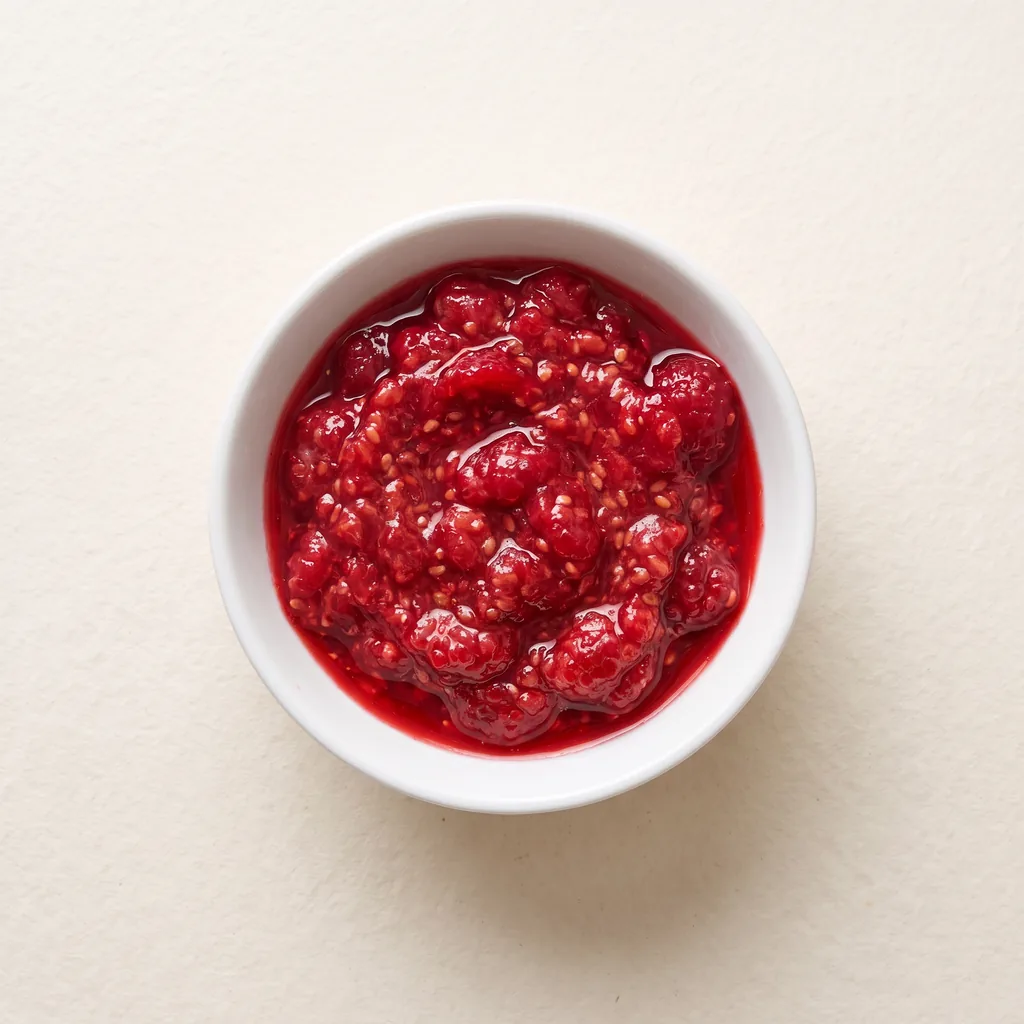
Raspberry prepared for a baby

About raspberry

When can babies have raspberries?

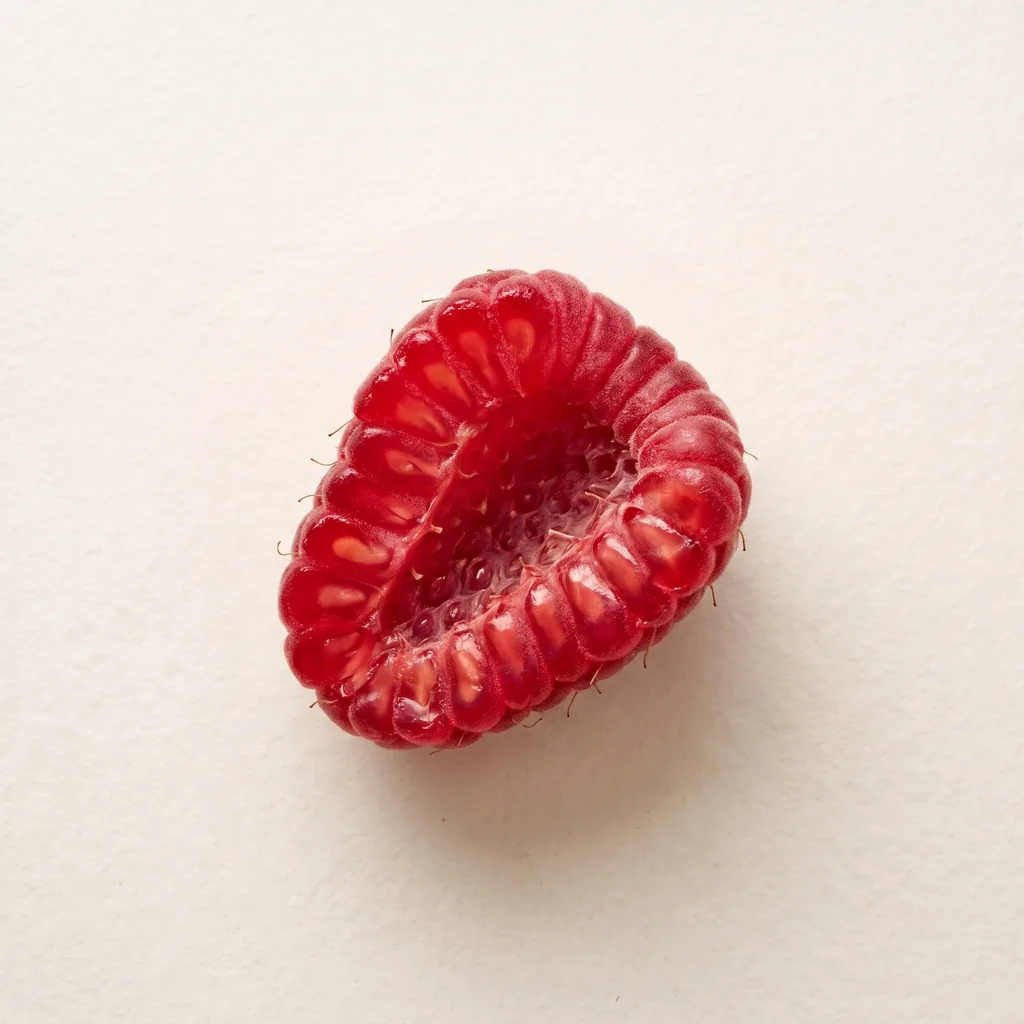
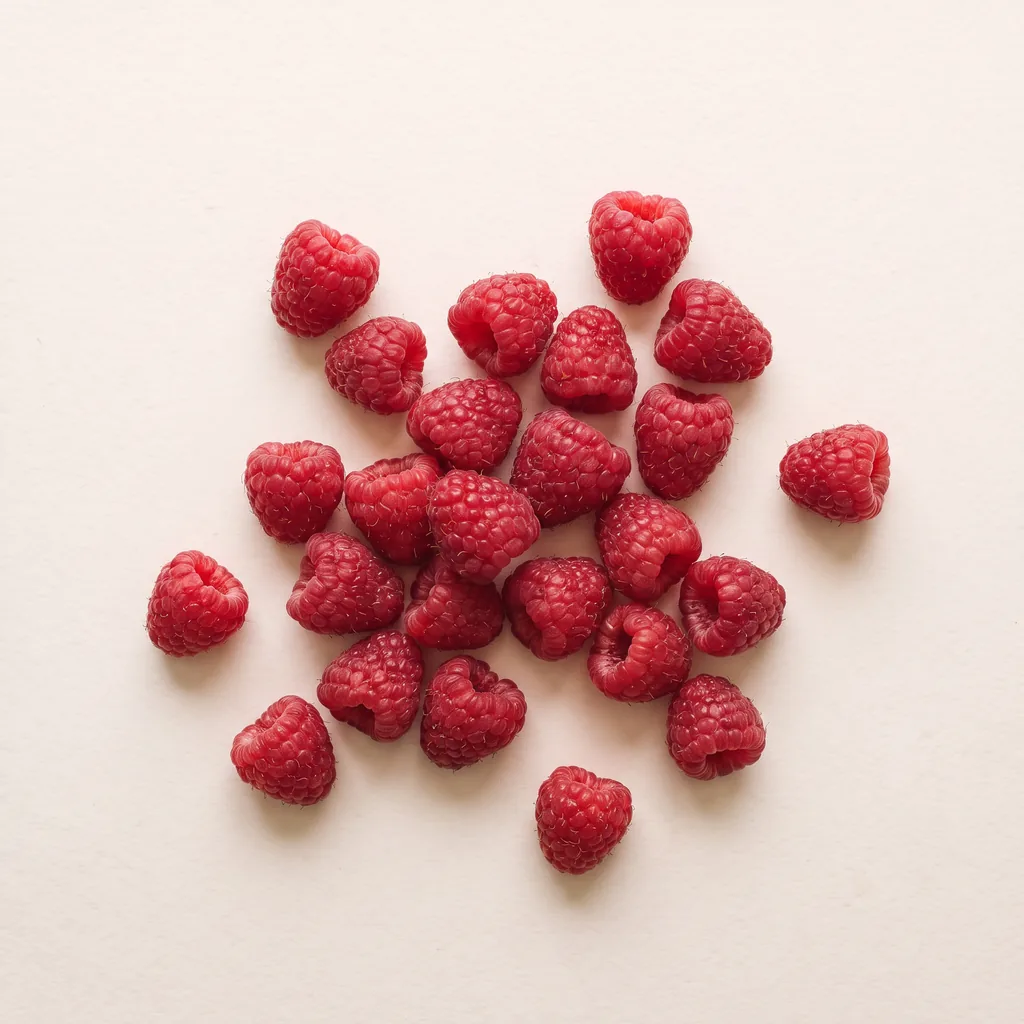
Raspberry is a fruit from the rose family (Rosaceae), made up of small, soft drupelets. It is usually red, but there are also yellow, purple and near-black varieties.

The raspberry is native to parts of Europe and Asia. Other species of the Rubus genus also grow wild in North America.

Because raspberries are acidic, they can cause temporary redness around the mouth or irritation of sensitive skin in some babies. This does not always mean a food allergy. But if the redness comes with hives, swelling, vomiting or breathing symptoms, it should be checked as a possible allergic reaction.

Nutritional value

Raspberries are high in water and are one of the fruits rich in fiber. They provide vitamin C and manganese in particular. They also contain smaller amounts of folate, vitamin K, vitamin E, potassium and magnesium.

Raspberries also contain polyphenolic compounds such as anthocyanins and ellagitannins. Various biological effects of these compounds are being studied, but eating raspberries has not been shown to give babies specific health benefits.

Raspberries are low in zinc and vitamin B6. So they should not be seen as an important source of these nutrients.

Also known as: ahududu, frambuaz

  • Gluten-free
  • Vegan

How to prepare it by age

6 monthsMash

Raspberry prepared for 6 months

Cut: Fork mashed

Wash the raspberries and mash them with a fork, then stir into yogurt or oat porridge. You can also offer a large, ripe raspberry cut lengthwise into quarters. It is soft and hollow, so it squashes easily on the tongue. The tiny seeds are harmless.

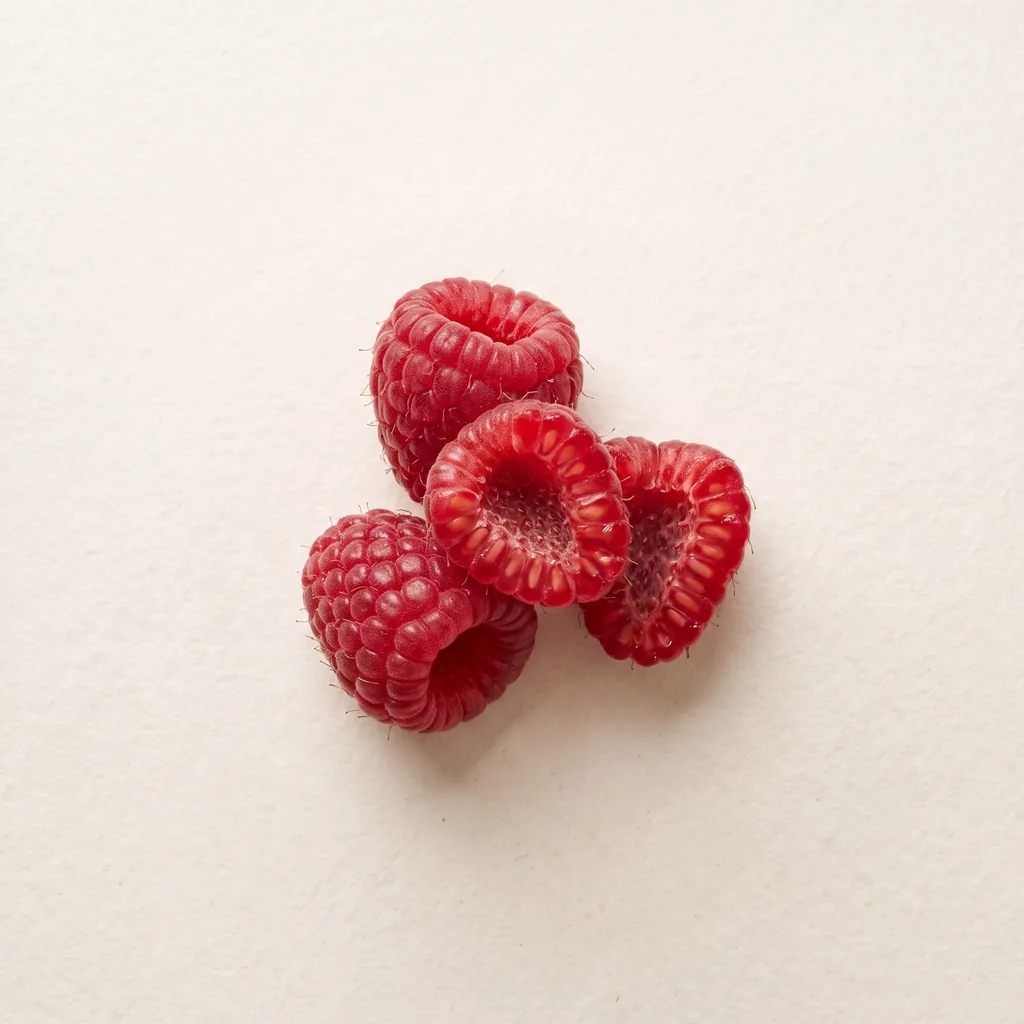
9 monthsCube

Raspberry prepared for 9 months

Cut: Quartered

Cut raspberries lengthwise into quarters. It is normal for them to get squashed as baby grabs and brings them to the mouth. You can also thaw frozen raspberries and mash them.

12 monthsCube

Raspberry prepared for 12 months

Cut: Quartered

Keep serving raspberries cut lengthwise into quarters. Whole or halved raspberries are not served until age 4. Blackberries are served the same way.

Choking risk

  1. Low
  2. Medium
  3. High

Ripe, soft raspberries carry a low choking risk when prepared properly. But hard, underripe or whole berries can be a risk, depending on your baby's chewing skills.

When starting solids, mash raspberries with a fork. As your baby's grasping and chewing skills develop, you can gently press ripe, soft berries flat.

Make sure the fruit squashes easily. Do not give hard, underripe raspberries.

Make sure your baby sits upright while eating, and always stay next to them, within arm's reach.

Allergen information

Allergen status

Raspberry is not a common food allergen. But allergic reactions to raspberry have rarely been reported.

The acidity of raspberries can cause redness and irritation around the mouth, especially on sensitive skin. These contact reactions do not always mean a food allergy. But do not assume that every rash is harmless.

Raspberry belongs to the same rose family (Rosaceae) as strawberries, blackberries, apricots, plums and almonds. Some of these foods may share similar allergenic proteins. But being allergic to one does not mean a person will be allergic to the others.

Some pollen allergies can cause cross-reactions with plant foods. In pollen food allergy syndrome, itching, tingling and mild swelling can occur in the mouth or throat. However, clinical data on cross-reactions specific to raspberry are limited.

Cooking can reduce the effect of some allergenic proteins, but it does not fully stop allergic reactions.

When you offer raspberries to your baby for the first time, start with a small amount and watch for possible allergic signs. If you suspect a reaction, stop giving it and see a health professional. For serious signs such as difficulty breathing or swelling of the tongue and throat, call emergency services right away.

Frequently asked questions

What age can babies eat raspberry?

Raspberries (Rubus idaeus) can be offered once your baby is about 6 months old and ready for solids. At first, serve them well washed and lightly mashed.

Is raspberry a common allergen?

Raspberry is not a common food allergen. But allergic reactions to raspberry have rarely been reported.

How do you prepare raspberry for babies?

For a 6-month-old: Wash the raspberries and mash them with a fork, then stir into yogurt or oat porridge. You can also offer a large, ripe raspberry cut lengthwise into quarters. It is soft and hollow, so it squashes easily on the tongue. The tiny seeds are harmless.

Is raspberry a choking hazard for babies?

Ripe, soft raspberries carry a low choking risk when prepared properly. But hard, underripe or whole berries can be a risk, depending on your baby's chewing skills.

Can raspberries cause redness around the mouth or bottom?

The acidity of raspberries can cause temporary irritation and redness on sensitive skin, especially around the mouth. This does not always mean an allergy. A thin layer of a suitable barrier cream around the mouth before the meal can help reduce contact irritation. Do not assume that redness in the diaper area comes directly from raspberries. If the redness is severe, keeps coming back or comes with other symptoms, talk to a health professional.

Can I use frozen raspberries?

Yes. But frozen raspberries can carry some harmful microorganisms, so it is safer to cook them well before eating, especially for babies. Then let them cool and serve them mashed or pureed. Thawing alone does not get rid of microorganisms.

Are raspberry seeds harmful?

The tiny seeds inside ripe raspberries usually cause no problems and do not need to be removed. But preparing the fruit to suit your baby's eating skills matters. When starting solids, serve raspberries mashed and avoid hard, underripe fruit.
Share:WhatsApp

Want to add this food to your baby's solid food calendar?

Join Lokmini to learn how this food is served at each age and to keep track of every food your baby tries.

Join Lokmini

Starting Solids

When and how to start solids, and what happens in the first week?

Read the guide

Similar foods

Let's get ready for the first bite together

Lokmini builds a day-by-day plan for your baby's age. Leave your email for new guides and our newsletter.

Start Your Journey