Skip to content
  • Proteins
  • 6 mo+
  • Medium choking risk

Red meat for babies: when to start

Red meat can be offered once your baby is ready for solids, from about 6 months. The NHS lists beef and lamb among suitable protein foods from 6 months. An older Turkish Ministry of Health infant feeding booklet lists meat from month 7 instead. This is a difference in timing between sources. Decide the best moment for your baby together with your pediatrician.

  • Iron
  • Zinc
  • Protein
  • Vitamin B12
  • Vitamin B6
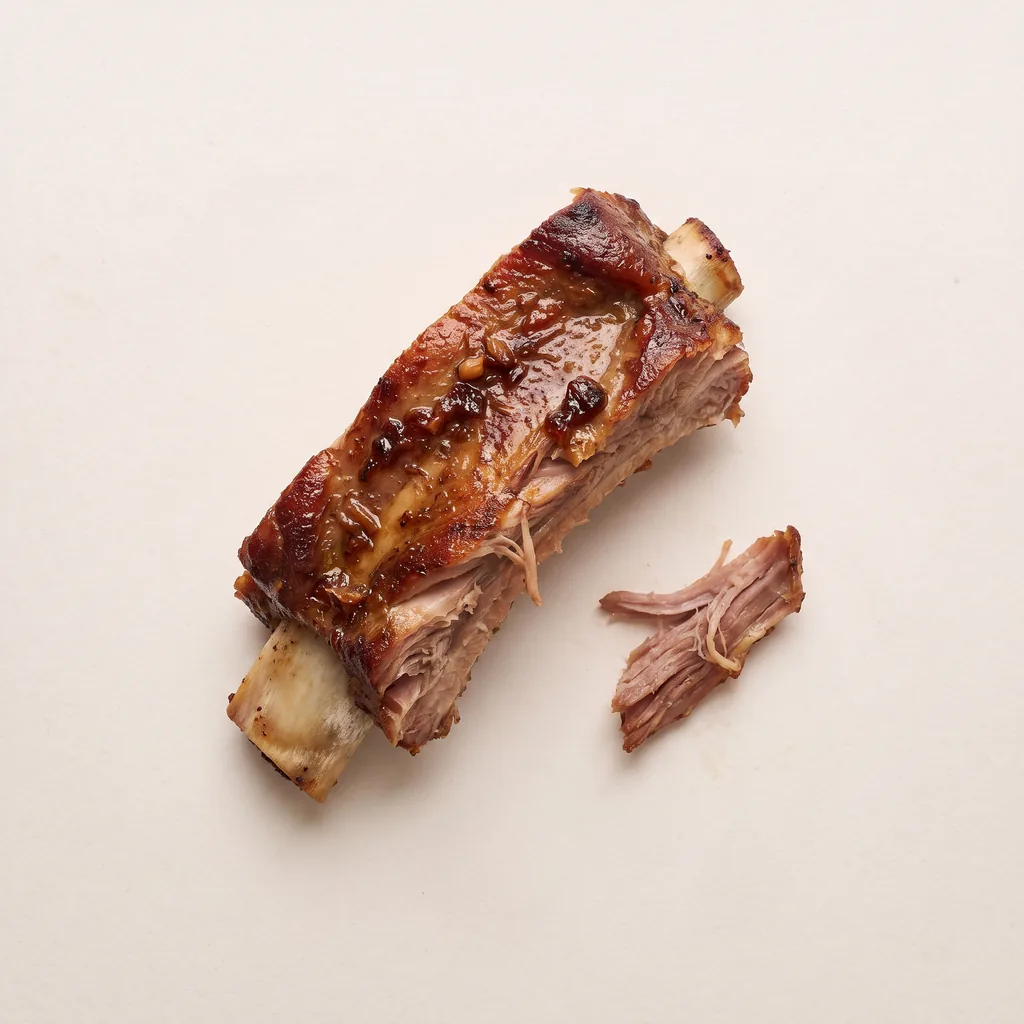
Red meat prepared for a baby

About red meat

Nutrition

Red meat provides high-quality protein. It contains iron and zinc that the body absorbs easily, plus vitamins B6 and B12. The NHS notes that iron and zinc are important for babies. The AAP also gives meat-based foods as an example for getting enough iron and zinc.

Trimming visible fat lowers the energy density. Lean, finely minced meat suits babies.

Also known as: dana eti, dana kıyma, kuzu eti, kuzu kıyma, kırmızı et, sığır eti

  • Gluten-free
  • Contains meat

How to prepare it by age

6 monthsMash

Red meat prepared for 6 months

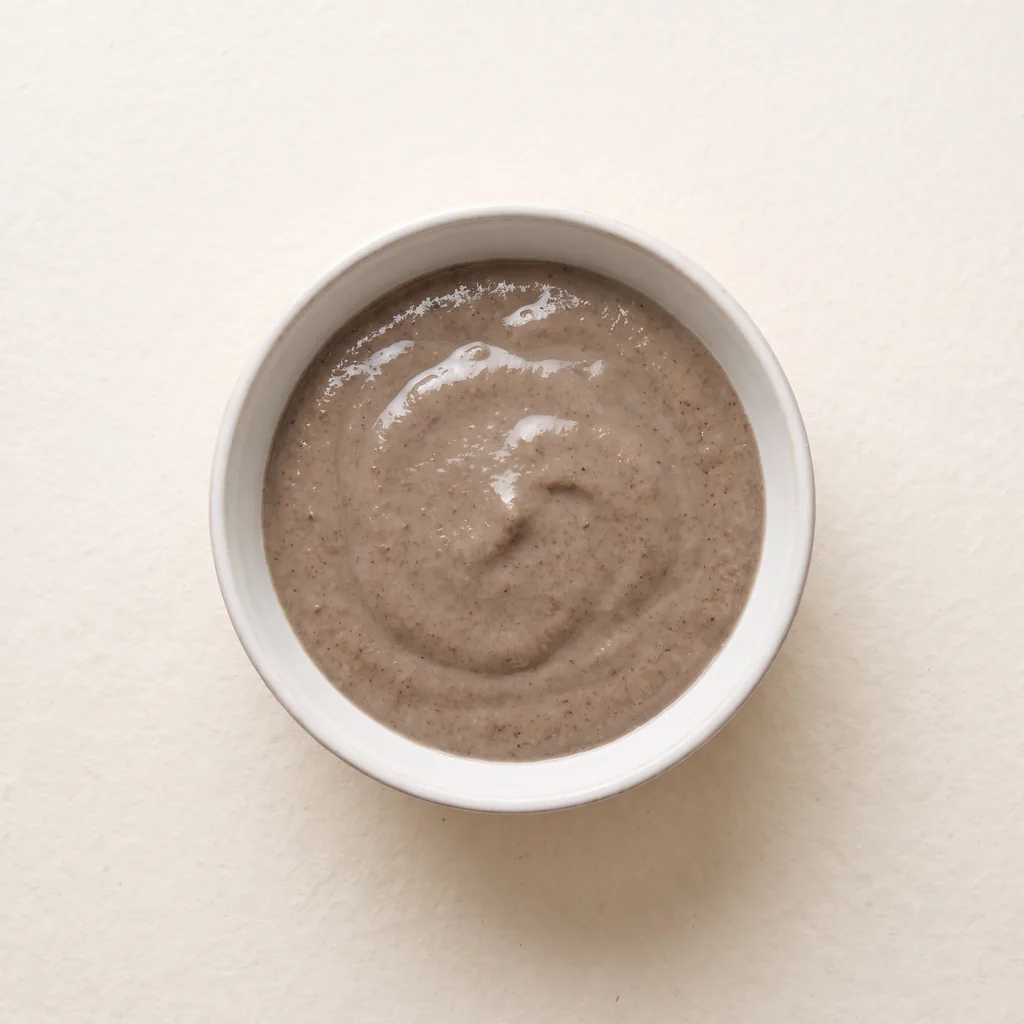
Cut: Smooth puree

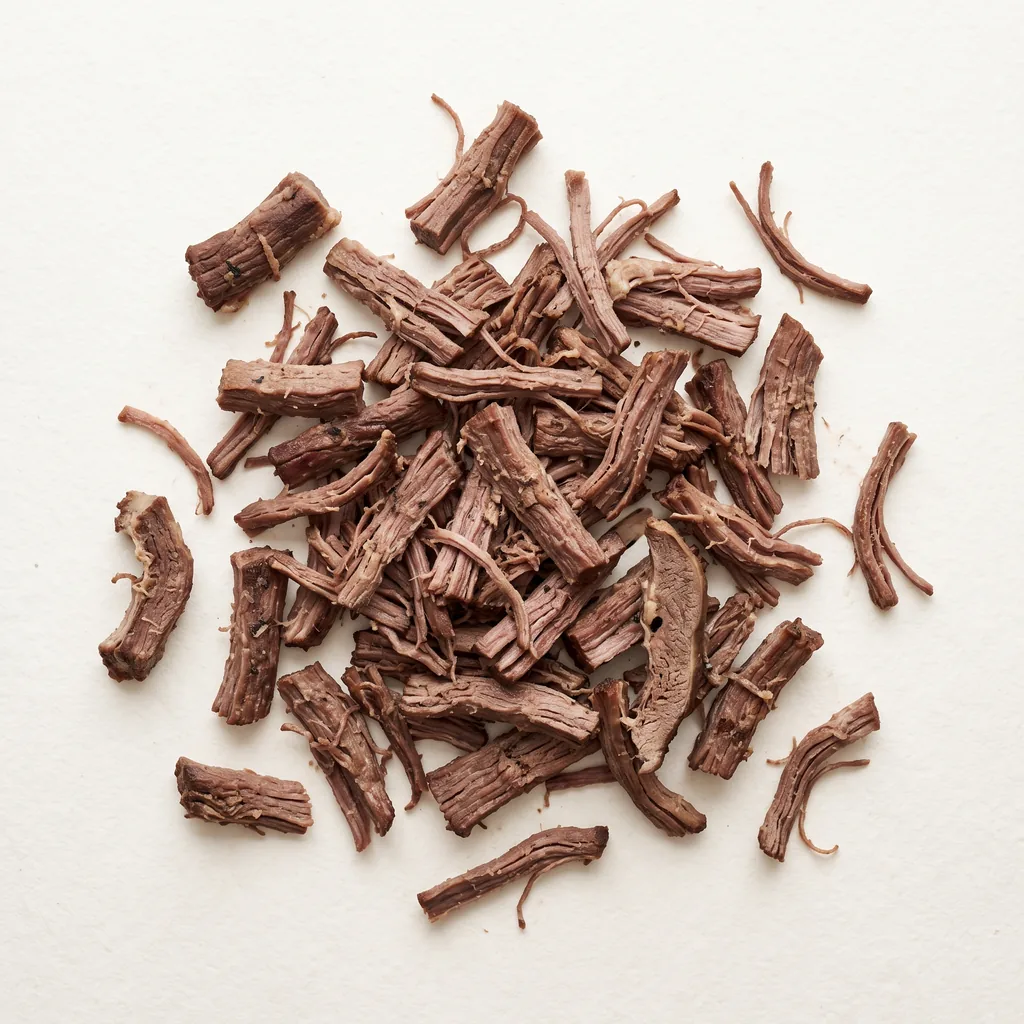
Have lean beef ground twice. Cook it thoroughly until it is browned all the way through, then thin it with breast milk or the cooking water into a smooth, runny purée. A teaspoon is enough in the first days. Mixing the meat into a vegetable purée your baby already knows, such as zucchini, makes the new taste familiar. Babies' iron stores start to run low around 6 months, and red meat is one of the most iron-dense foods at this age. Meat is not one of the common food allergens. From 9 months, slow-cooked, soft meat strips whose fibers separate easily suit baby-led weaning.
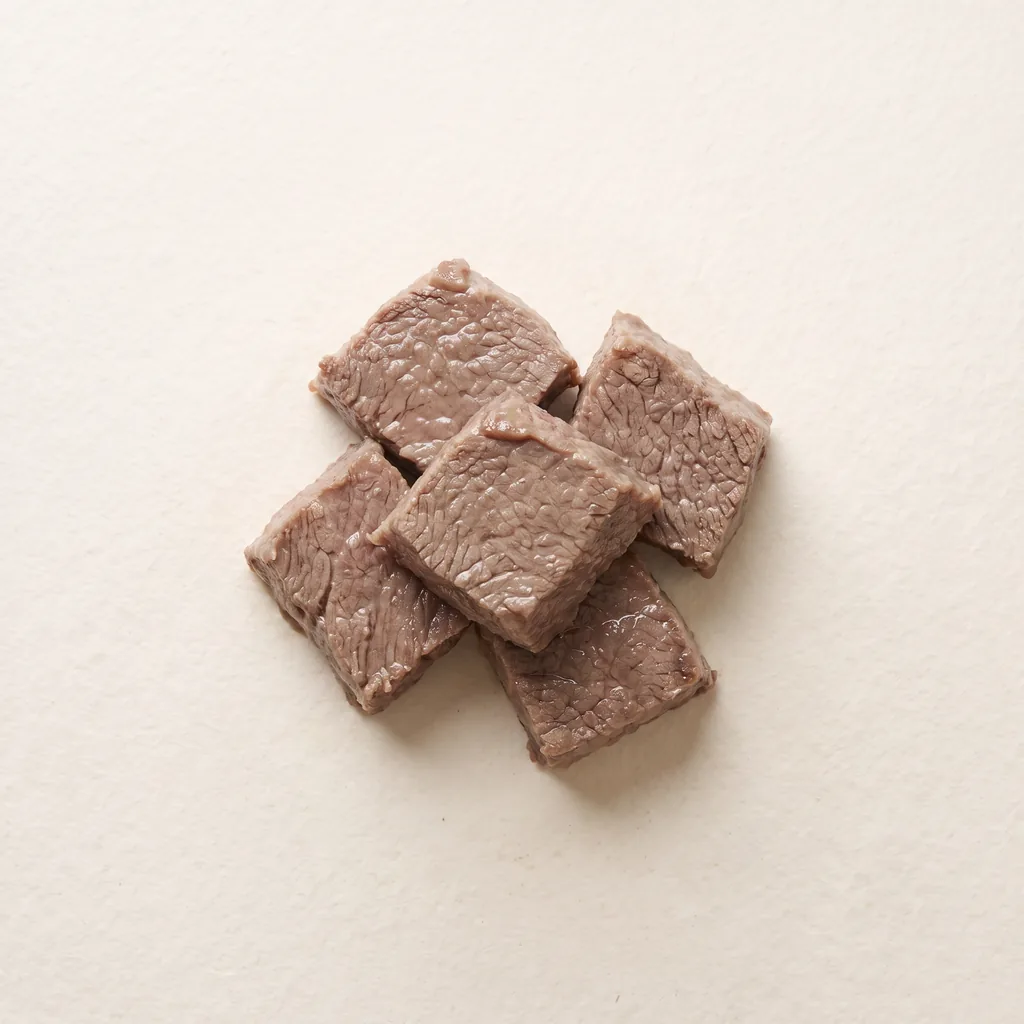
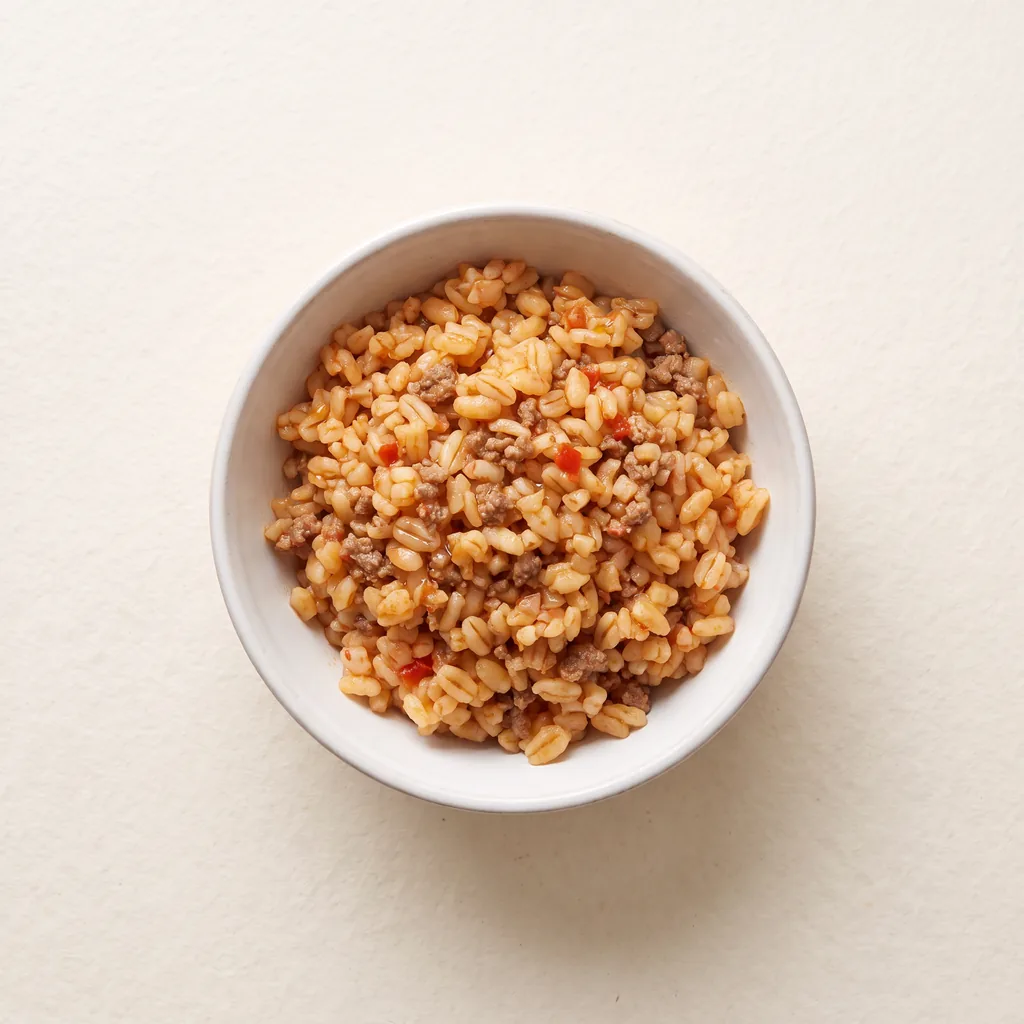
12 monthsCube

Red meat prepared for 12 months

Cook the meat until soft and serve it in small bite-size pieces, or as mince inside family dishes. If salt will be added to the family meal, set aside your child's portion before salting. Cut tough, stringy pieces into thin slices.

Choking risk

  1. Low
  2. Medium
  3. High

Choking risk

The CDC lists tough, stringy pieces of meat among foods that can cause choking. The NHS advises cutting meat into narrow strips and removing skin and fat. Avoid round and firm shapes. Stay with your baby during meals and keep them sitting upright.

Do not give large, tough or stringy pieces of meat to a young baby.

Allergen information

Allergen status

Red meat is not counted among the common food allergens. It is also absent from the common allergen list of the Turkish National Society of Allergy and Clinical Immunology. Still, start with a small amount of any new food and watch your baby. If you see a rash, vomiting or breathing difficulty, contact your doctor.

Frequently asked questions

What age can babies eat red meat?

Red meat can be offered once your baby is ready for solids, from about 6 months. The NHS lists beef and lamb among suitable protein foods from 6 months. An older Turkish Ministry of Health infant feeding booklet lists meat from month 7 instead. This is a difference in timing between sources. Decide the best moment for your baby together with your pediatrician.

Is red meat a common allergen?

Red meat is not counted among the common food allergens. It is also absent from the common allergen list of the Turkish National Society of Allergy and Clinical Immunology. Still, start with a small amount of any new food and watch your baby. If you see a rash, vomiting or breathing difficulty, contact your doctor.

How do you prepare red meat for babies?

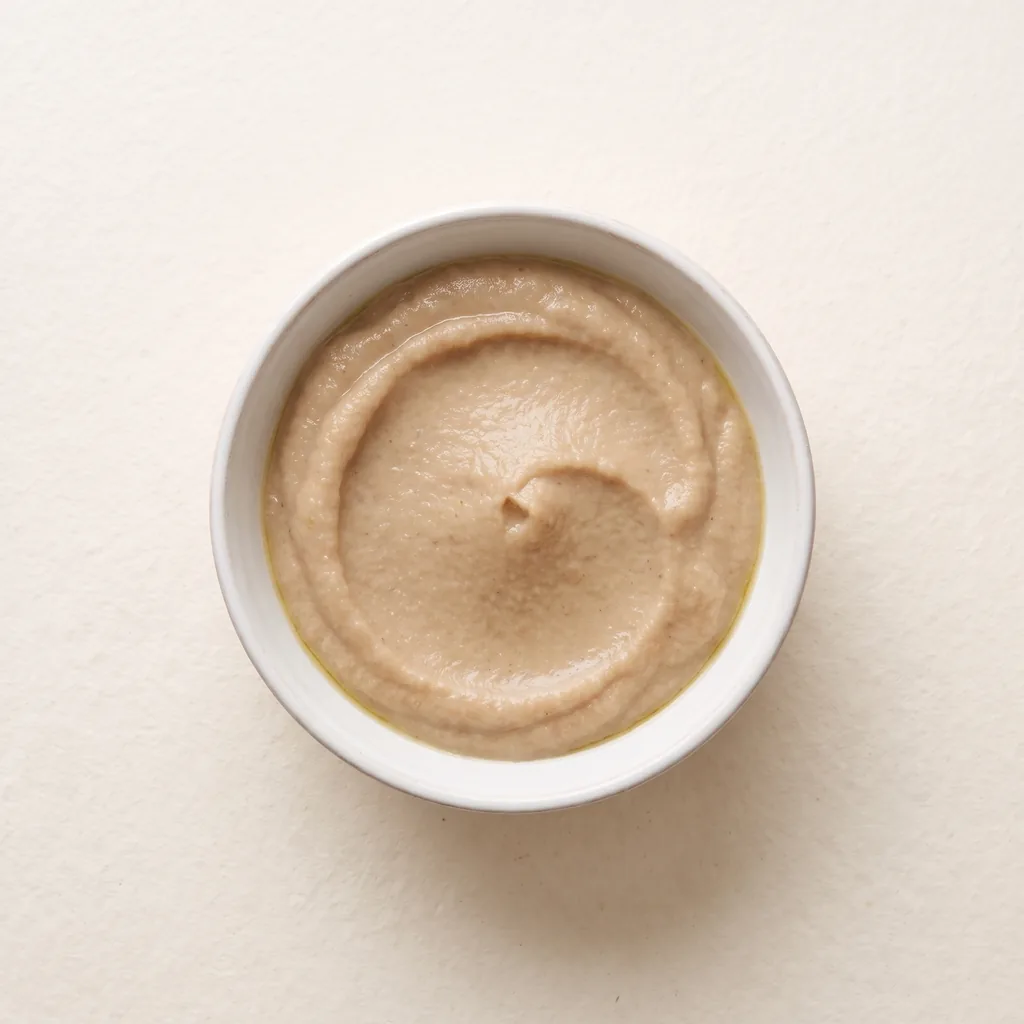
For a 6-month-old: Have lean beef ground twice. Cook it thoroughly until it is browned all the way through, then thin it with breast milk or the cooking water into a smooth, runny purée. A teaspoon is enough in the first days. Mixing the meat into a vegetable purée your baby already knows, such as zucchini, makes the new taste familiar. Babies' iron stores start to run low around 6 months, and red meat is one of the most iron-dense foods at this age. Meat is not one of the common food allergens. From 9 months, slow-cooked, soft meat strips whose fibers separate easily suit baby-led weaning.
Is red meat a choking hazard for babies?

The CDC lists tough, stringy pieces of meat among foods that can cause choking. The NHS advises cutting meat into narrow strips and removing skin and fat. Avoid round and firm shapes. Stay with your baby during meals and keep them sitting upright.

Why is red meat recommended for babies?

Red meat contains iron and zinc. The NHS says both are important for babies. The AAP also points to meat-based foods as a source of iron and zinc.

What form should I serve the meat in?

Finely minced purée, or minced meat mixed into a vegetable purée, suits young babies. Babies who feed themselves can have soft strips whose fibers separate easily. Tough and stringy pieces carry a choking risk.

Do I need to watch the salt in meat dishes?

Yes. Do not add salt. The NHS says salt is not good for a baby's kidneys. Processed meats such as spicy sausage, salami and sausages are salty, so do not offer them.

Can minced meat stay pink?

No. Mince, burgers and meatballs must be cooked all the way through. The center should not be pink and the juices should run clear.

Prepared by the Lokmini team | Last updated November 17, 2026

Share:WhatsApp

Want to add this food to your baby's solid food calendar?

Join Lokmini to learn how this food is served at each age and to keep track of every food your baby tries.

Join Lokmini

Starting Solids

When and how to start solids, and what happens in the first week?

Read the guide

Similar foods

Let's get ready for the first bite together

Lokmini builds a day-by-day plan for your baby's age. Leave your email for new guides and our newsletter.

Start Your Journey