Skip to content

Dietitian's view

Quesillo (Oaxaca cheese) is not common in Türkiye.

Lokmini is not a healthcare provider and does not offer health services. For your baby's specific needs, talk to your doctor or a dietitian.

  • Cow's milk allergen
  • Dairy
  • 6 mo+
  • High choking risk

Quesillo for babies: when to start

Pasteurized quesillo with little sodium (up to 100 mg a serving) can be offered once baby is ready for solids, around 6 months.

  • Protein
  • Fat
  • Calcium
  • Vitamin A
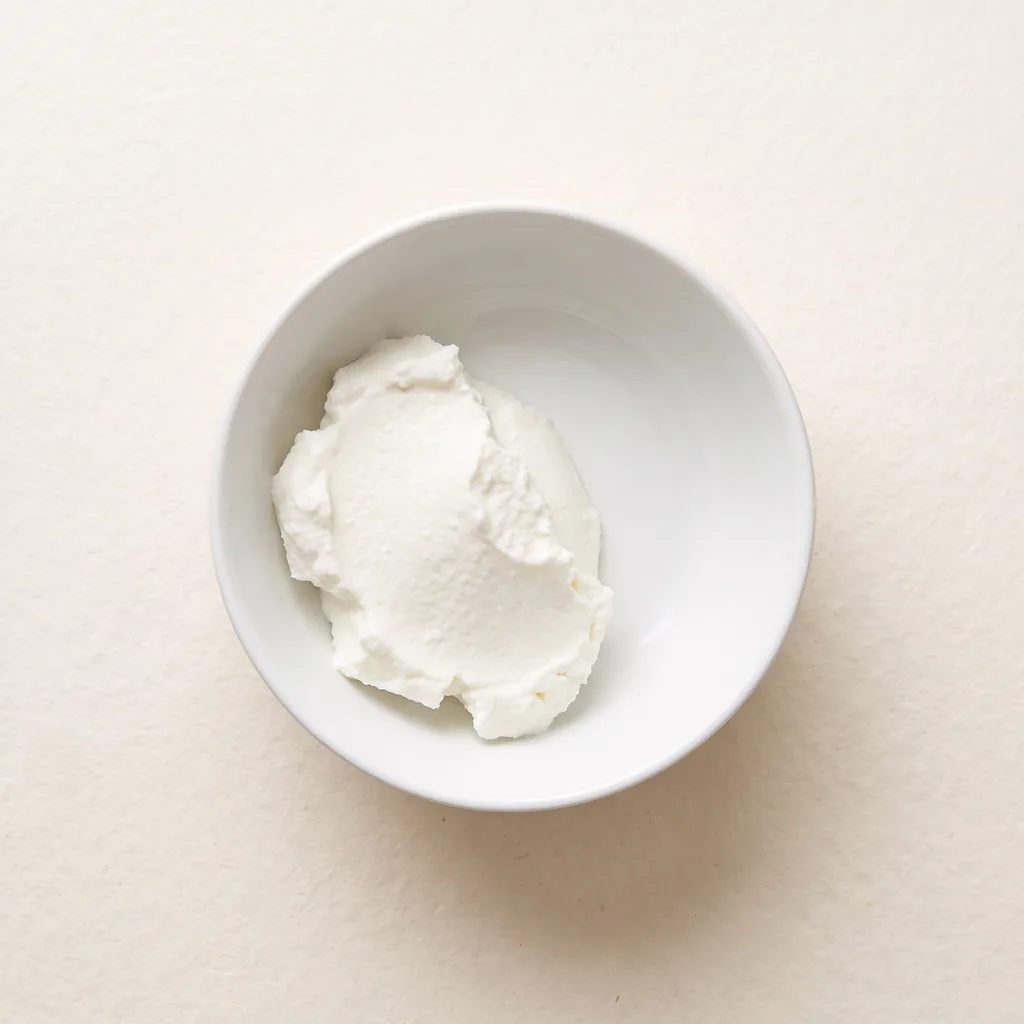
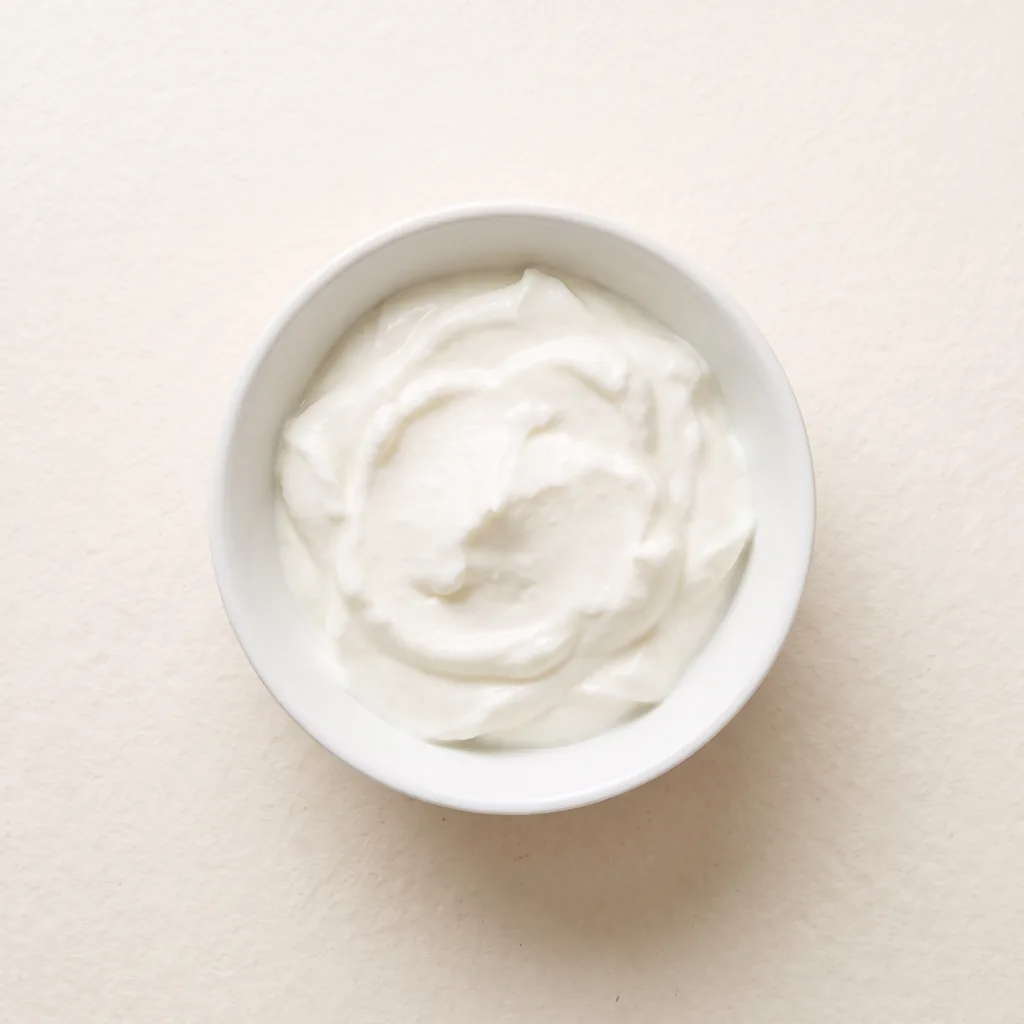
Quesillo prepared for a babyAllergen, day 1/3

About Quesillo

Note

Buy only labelled cheese made from pasteurised milk. FDA has issued Listeria outbreak warnings for this type of fresh cheese in the US.

Quesillo is also called queso Oaxaca, a nod to its popularity in the Mexican state of Oaxaca. The cheese stretches and pulls apart into strands, which is why some call it queso de hebra. Rennet is added to rich cow's milk. The curds are strained and dipped in hot water. That bath gives the cheese its stringy texture. For sale the threads are wound together like a ball of yarn.

Nutrition

Whole milk quesillo gives plenty of protein and fat for baby's fast growth. It adds calcium and some vitamin A. Pick whole milk over part-skim, since babies need a lot of energy and fat.

Quesillo can be made from pasteurized or raw milk. Raw milk cheeses carry a higher foodborne illness risk. These germs can make anyone sick, whatever the age or health.

Also known as: Oaxaca peyniri, queso Oaxaca, queso de hebra

  • Gluten-free
  • Vegetarian
  • Contains dairy

Quesillo is offered 3 days in a row

So that any reaction can be linked to the right food, Quesillo is offered 3 days in a row and no other new food is tried on those days.

  1. 1/3

    First taste

    Start with a small amount in the morning or around midday. Your baby is watched closely for 5 to 10 minutes after the first bite.

  2. 2/3

    Same food, same calm

    Quesillo is offered again the same way. No other new food is tried today.

  3. 3/3

    Introduction done

    If no reaction was seen, Quesillo is now part of your baby's meals. It keeps being offered regularly.

Emergency

If your baby has trouble breathing or swelling of the face or tongue, call 911 (or your local emergency number) right away.

About Quesillo allergy

FPIES warning

It is one of the known triggers of FPIES (a delayed-onset food allergy). In this condition, repeated severe vomiting, pallor and lethargy may occur, usually 1-4 hours after the food is eaten. Diarrhea may appear later. These symptoms require urgent medical evaluation.

Milk is a common allergen in young children. In the United States about one in five childhood food allergies comes from milk. The good news is that milk allergy often passes with time. Most children with cow's milk allergy outgrow it by age 6. Many babies with mild milk protein allergy symptoms can restart cow's milk around the first birthday, with a doctor's guidance. Sheep, goat and buffalo milk products may trigger a similar reaction to cow's milk.

FPIES

Cow's milk can set off food protein-induced enterocolitis syndrome (FPIES). This allergy is a delayed one. Some hours after a meal, sudden and repeated vomiting and diarrhea set in, and without treatment the body loses a dangerous amount of fluid. When FPIES begins in infancy, children usually outgrow it between ages 3 and 5. How often it occurs is not known, but it is believed to be rare.

Repeated vomiting

If repeated vomiting and diarrhea start hours after eating, see your pediatrician.

If you suspect baby has a milk allergy, talk to an allergist before giving cheese. Depending on risk, the allergist may suggest testing or a supervised trial in the office. Your doctor may say that home is fine for the first taste when the risk is low. Give a small amount at the first servings. If there is no reaction, raise it slowly.

Lactose intolerance is uncommon in babies. Some people handle aged cheeses better, whereas fresh cheeses such as quesillo hold more lactose than aged ones.

How to prepare it by age

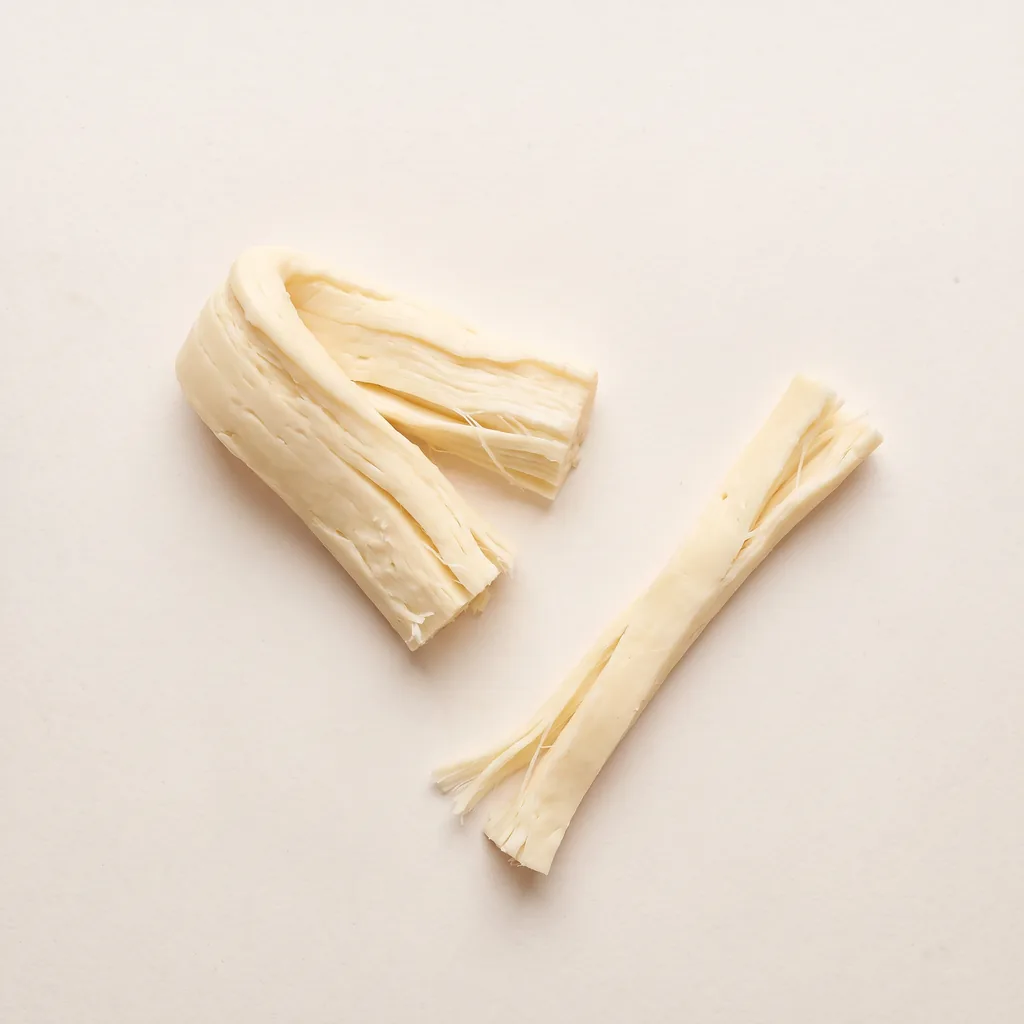
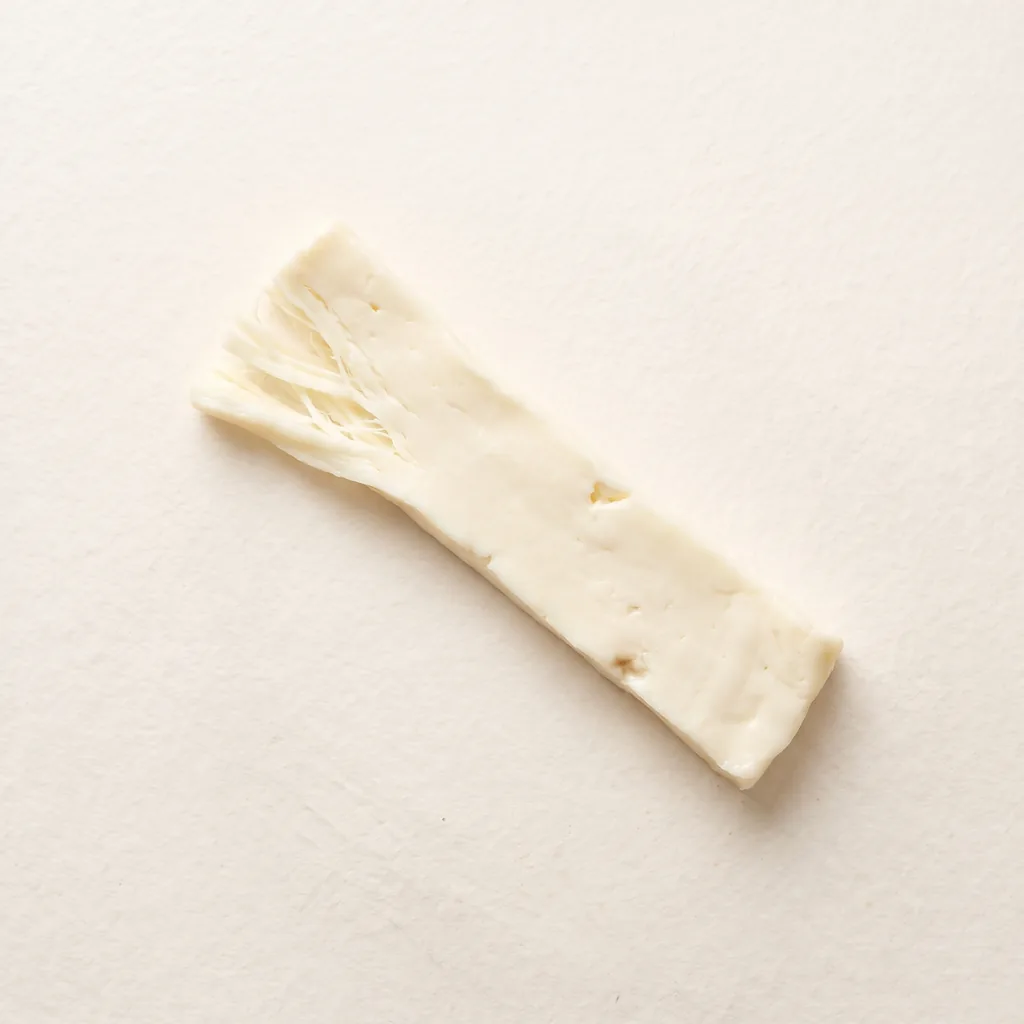
6 monthsStrip

Quesillo prepared for 6 months

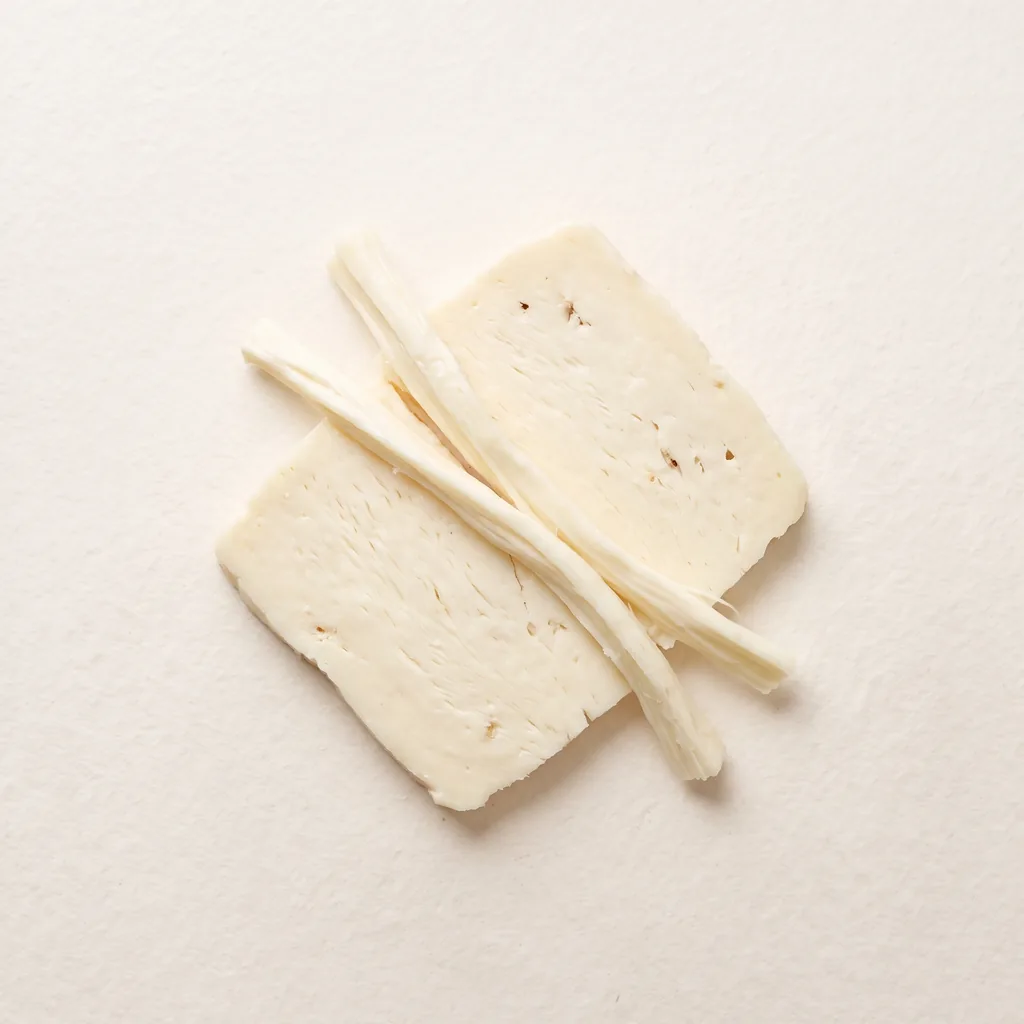
Give pasteurized quesillo as long, thin shreds, or as a slim slice taken off a large ball. You can sprinkle a little grated quesillo over a meal. It can be melted into food, but use little. Globs of melted cheese carry high choking risk.
9 monthsCube

Quesillo prepared for 9 months

Cut: Finger strip

Give matchstick-thin pieces or smaller shreds so baby practices the pincer grasp. A scant amount can be melted into food. Do not give big chunks or cubes.

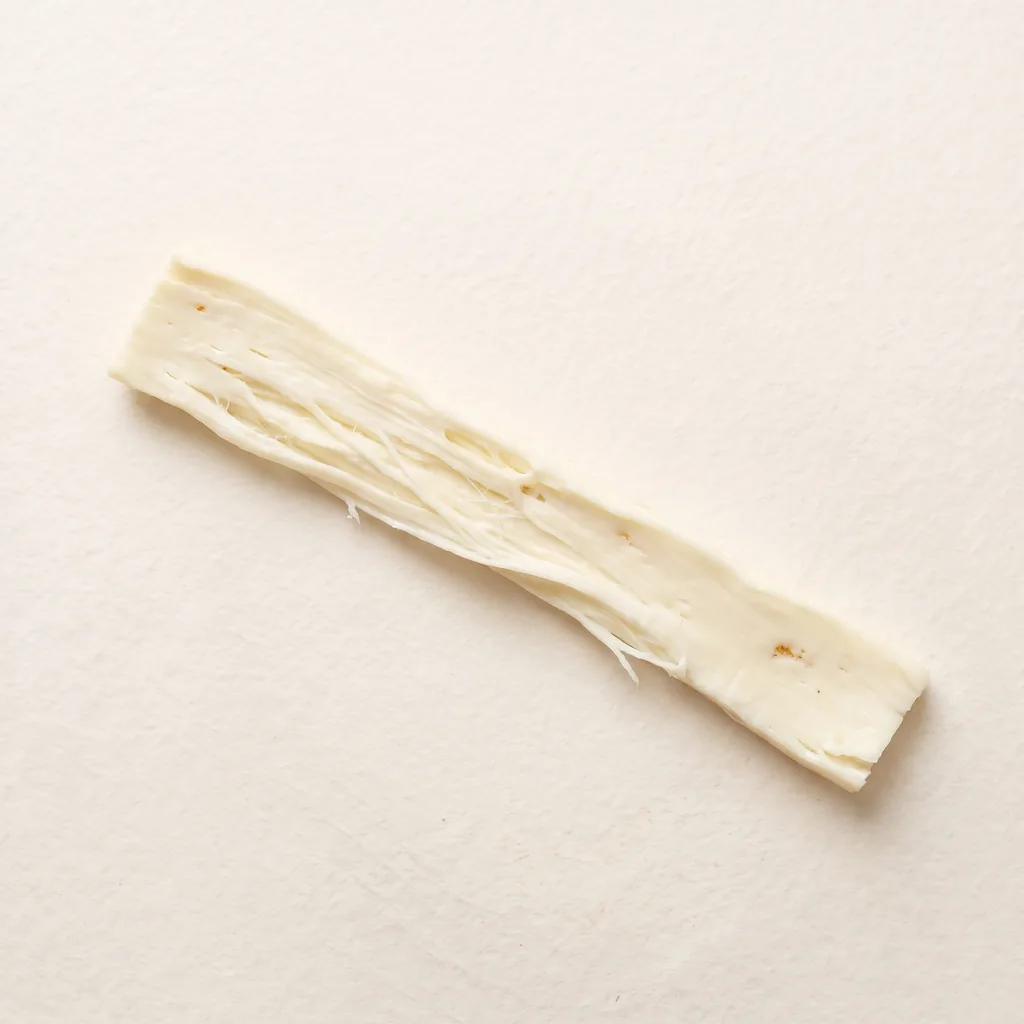
12 monthsSlice

Quesillo prepared for 12 months

Cut it into matchstick-sized pieces, fine shreds, or broad thin slices. You can cook with quesillo, but a lot of melted cheese is hard for a young child to manage and is still risky. Tear the cheese into slim threads while the child watches. Leave strands long for biting practice or cut them to bite size for the pincer grasp.

Choking risk

  1. Low
  2. Medium
  3. High

Cheese often causes choking in babies and children. Quesillo is stringy and sticky.

Slice it thin or serve it in shreds. Do not give cubes, big chunks or melted globs. Show safe eating by tearing the cheese into slim threads while the child watches. Stay beside baby during meals.

Safe preparation

Thin shreds or thin slices. No cubes, big chunks or melted globs.

Frequently asked questions

What age can babies eat Quesillo?

Pasteurized quesillo with little sodium (up to 100 mg a serving) can be offered once baby is ready for solids, around 6 months.

Is Quesillo a common allergen?

Milk is a common allergen in young children. In the United States about one in five childhood food allergies comes from milk. The good news is that milk allergy often passes with time. Most children with cow's milk allergy outgrow it by age 6. Many babies with mild milk protein allergy symptoms can restart cow's milk around the first birthday, with a doctor's guidance. Sheep, goat and buffalo milk products may trigger a similar reaction to cow's milk.

How do you prepare Quesillo for babies?

For a 6-month-old: Give pasteurized quesillo as long, thin shreds, or as a slim slice taken off a large ball. You can sprinkle a little grated quesillo over a meal. It can be melted into food, but use little. Globs of melted cheese carry high choking risk.
Is Quesillo a choking hazard for babies?

Cheese often causes choking in babies and children. Quesillo is stringy and sticky.

Can I melt quesillo for baby?

A scant amount stirred into food. Melted cheese globs raise choking risk.

Does quesillo help constipation?

Quesillo has no fiber. Too much cheese and milk can make constipation worse. If constipation continues, see your doctor.

What cheese can replace quesillo?

Stringy pasteurized cheeses such as mozzarella are prepared in the same way.

Prepared by the Lokmini team | Last updated November 17, 2026

Share:WhatsApp

Want to add this food to your baby's solid food calendar?

Join Lokmini to learn how this food is served at each age and to keep track of every food your baby tries.

Join Lokmini

Starting Solids

When and how to start solids, and what happens in the first week?

Read the guide

Similar foods

Let's get ready for the first bite together

Lokmini builds a day-by-day plan for your baby's age. Leave your email for new guides and our newsletter.

Start Your Journey