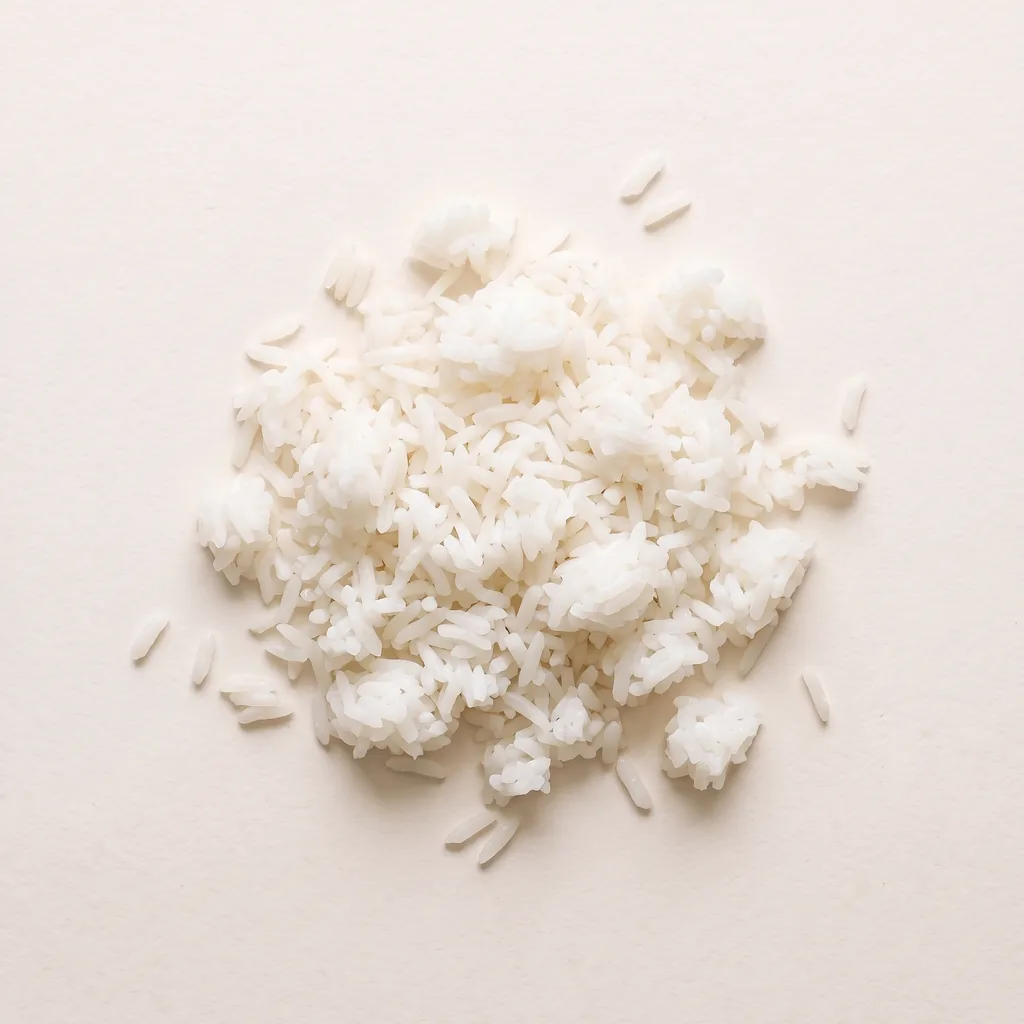
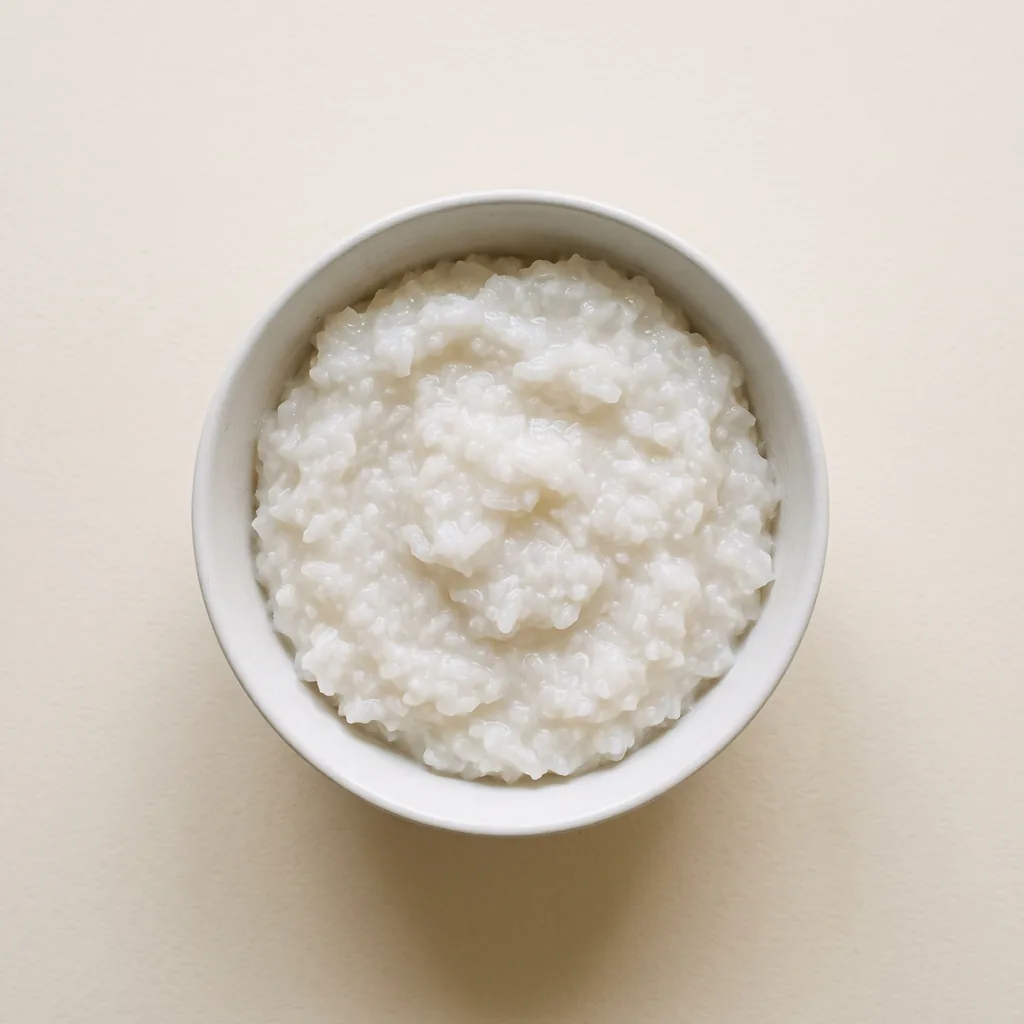
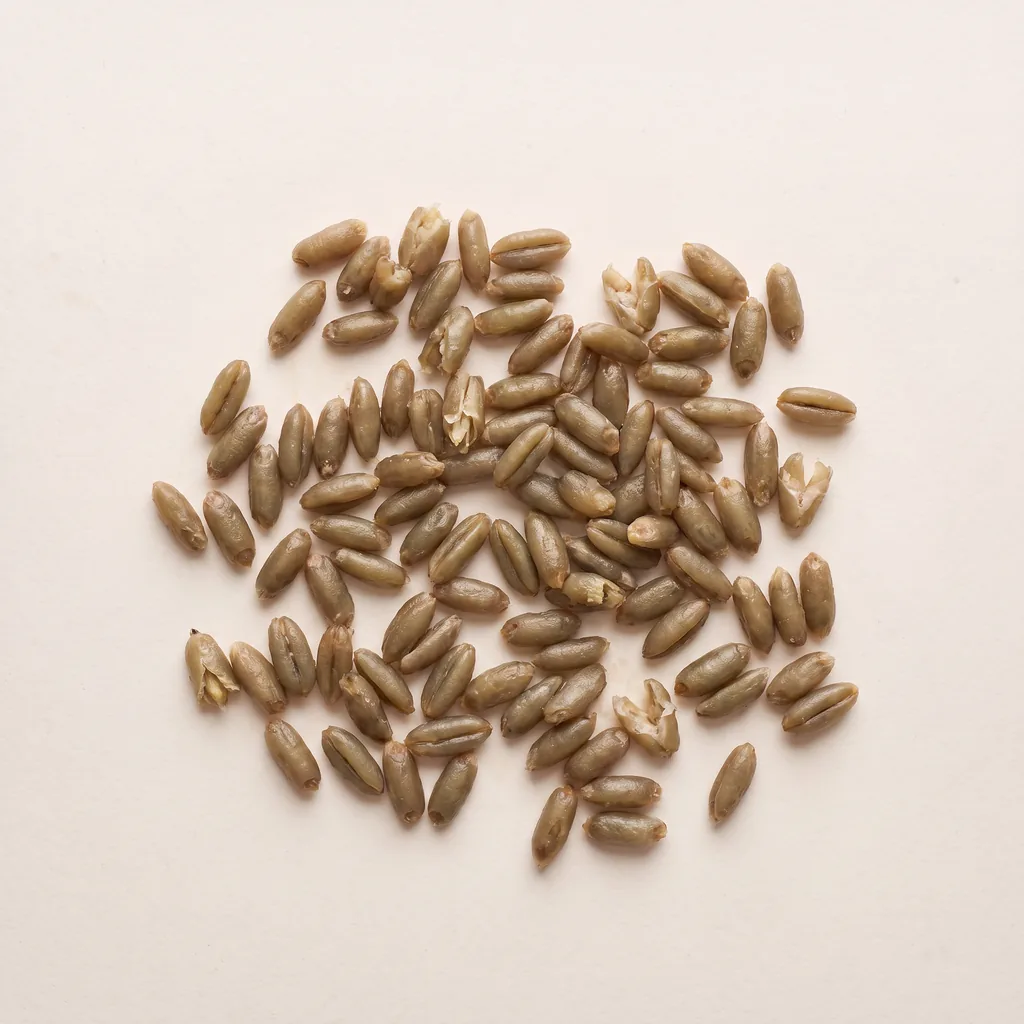
6 monthsMash
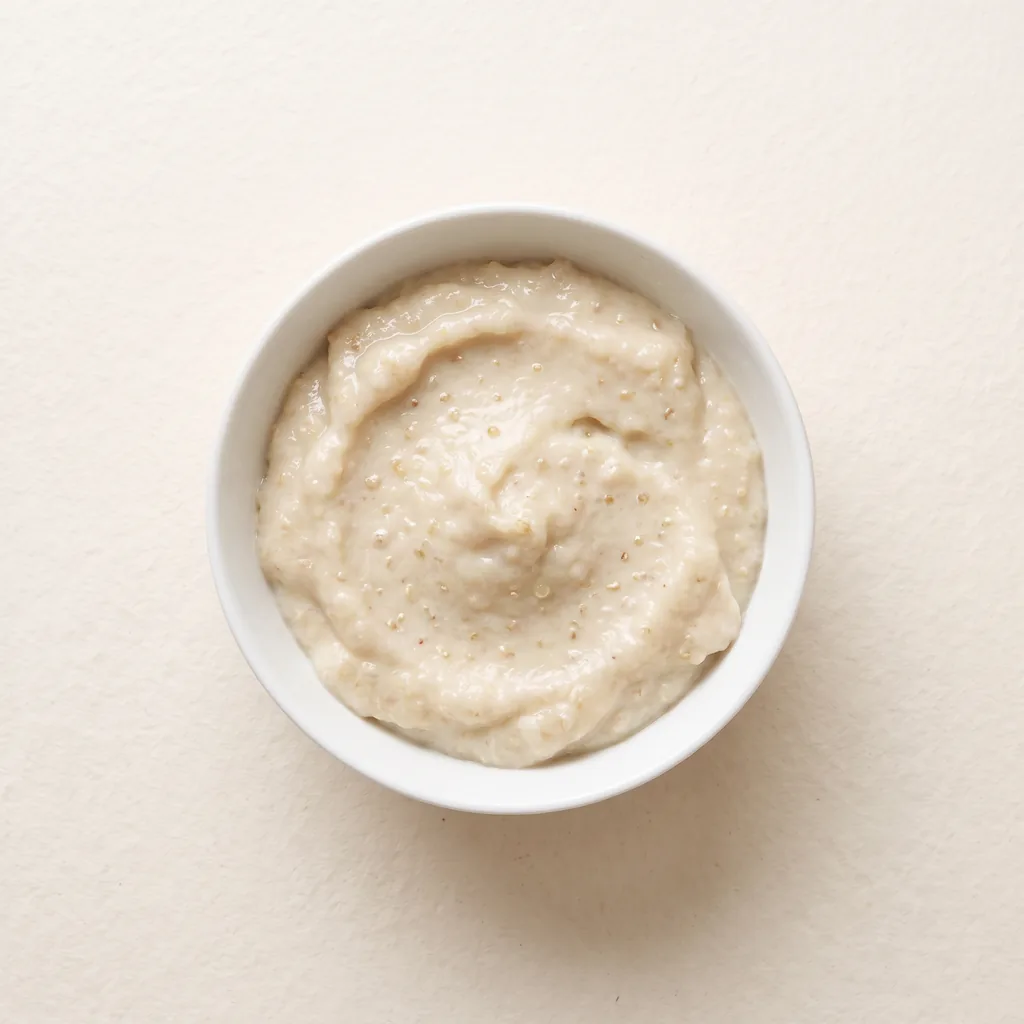
Cut: Smooth puree
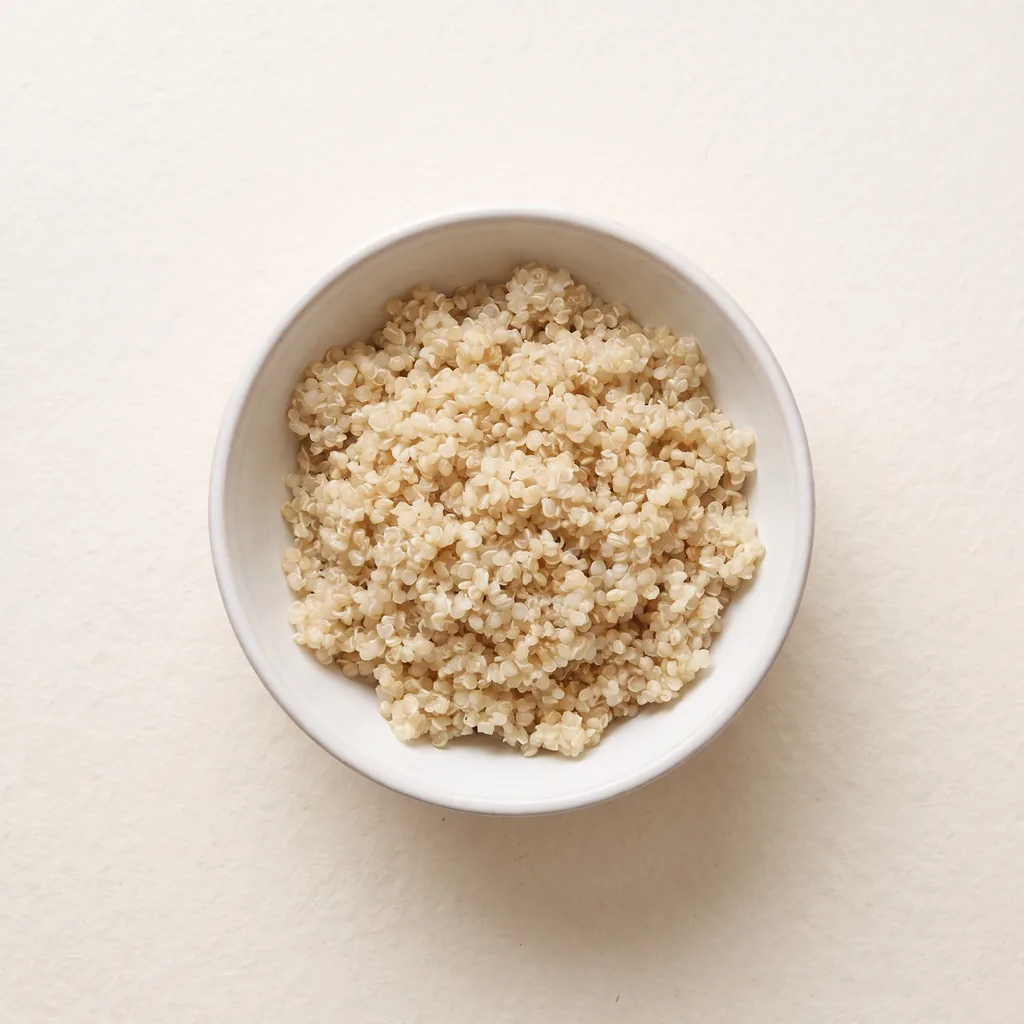
Rinse the quinoa in a fine strainer under plenty of water, rubbing it, to remove the saponin that makes it bitter. Cook 1 part quinoa in 2 parts water until soft, then blend into a porridge texture. It is gluten free.
Uzm. Dyt. Berk AysanPrepared the latest update, November 14, 2026
Lokmini is not a healthcare provider and does not offer health services. For your baby's specific needs, talk to your doctor or a dietitian.
Quinoa can be offered once your baby is ready for solids, usually around 6 months. It should be well cooked and prepared to suit your baby's developing eating skills.
Quinoa is native to the Andes in South America. Botanically it is a seed, not a grain. But because it is used like grains in the kitchen, it is classed as a pseudocereal.
It comes in different types, such as white, red and black. It is naturally gluten free and can be part of a varied diet.
Quinoa provides carbohydrate, plant protein and fiber. It also contains magnesium, phosphorus, zinc, folate and some iron.
Its protein contains all the essential amino acids the body needs. But this alone does not mean it is enough to meet your baby's protein needs.
Quinoa also contains polyphenols and a small amount of alpha-linolenic acid (ALA), a plant omega-3 fatty acid. Still, it should not be counted as an important source of omega-3.
Plant compounds can affect how well the iron in quinoa is absorbed. So it is best served as part of a varied diet with foods such as meat, eggs and legumes.
Also known as: kinua, patlamış kinoa, quinoa
6 monthsMash
Cut: Smooth puree
Rinse the quinoa in a fine strainer under plenty of water, rubbing it, to remove the saponin that makes it bitter. Cook 1 part quinoa in 2 parts water until soft, then blend into a porridge texture. It is gluten free.
9 monthsMash
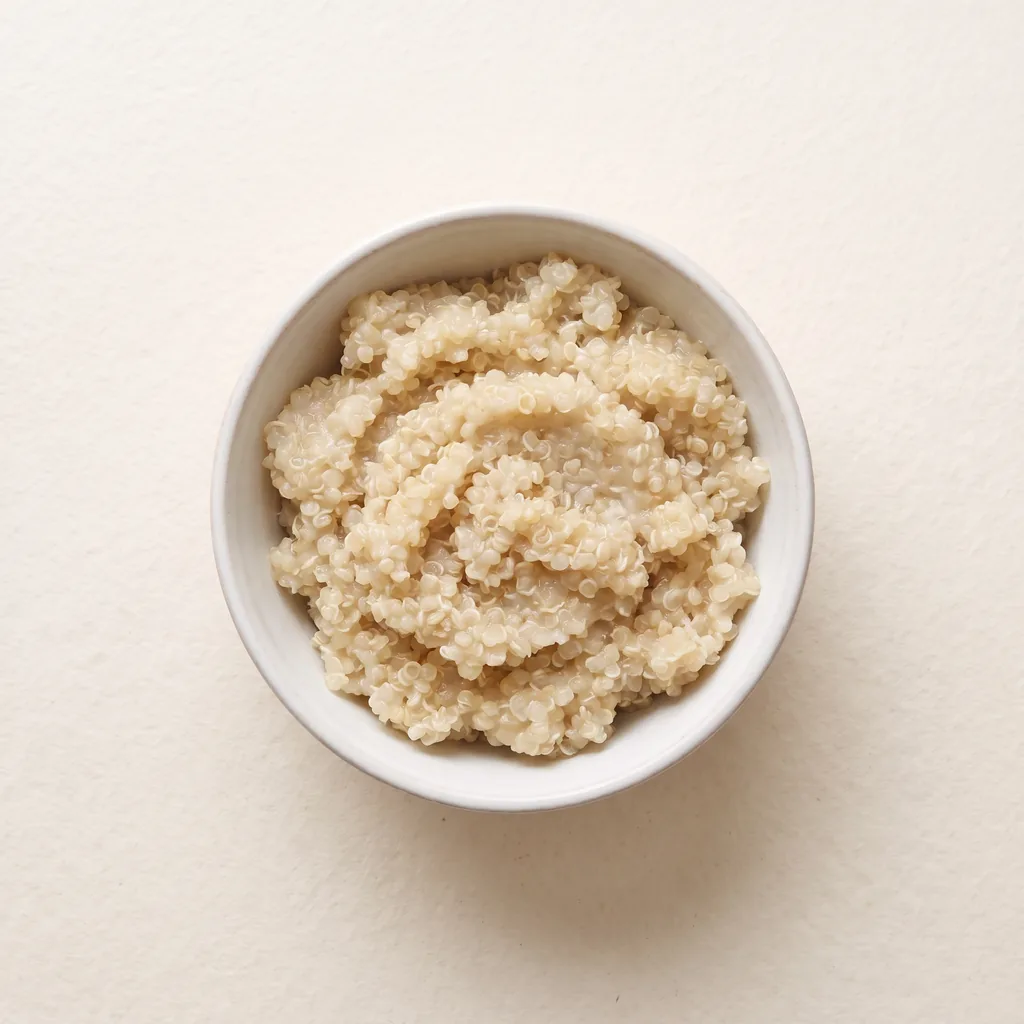
Mix cooked quinoa with vegetable purée or yogurt to a thick texture; the small grains clump and stay on the spoon. You can also make small soft balls from quinoa and vegetables.
12 monthsCube
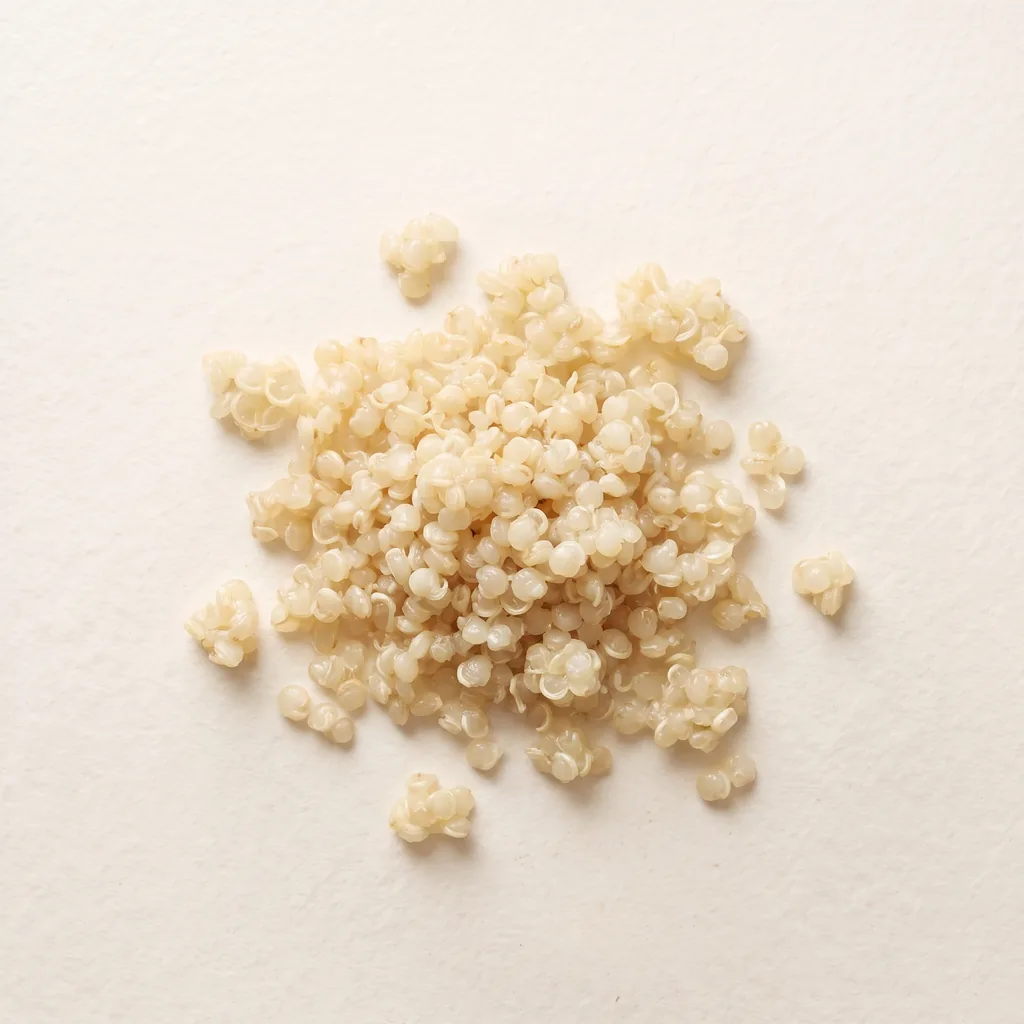
Serve cooked quinoa like rice, alone or mixed with vegetables and legumes. Cook with little salt; if the fine grains fall apart, bind them with yogurt.
Well-cooked, soft and moist quinoa has a low choking risk when served properly.
The small grains can scatter in the mouth and make it harder for your baby to manage the food. So at first, quinoa porridge or quinoa mixed into soft foods can be a good choice.
Hardened quinoa patties, dry lumps and crunchy popped quinoa are not suitable.
Your baby should sit upright and supported during meals, eat at their own pace and never be left alone.
Quinoa is not one of the common food allergens. But allergic reactions to quinoa have rarely been reported.
Quinoa is naturally gluten free. Still, for celiac disease, check that packaged products are suitable in terms of gluten cross-contamination.
When you offer it for the first time, start with a small amount and watch how your baby responds.
Allergic reactions can include hives, swollen lips, vomiting, coughing or wheezing. For serious symptoms such as trouble breathing or swelling of the tongue or throat, call emergency services right away.
Not everyone allergic to buckwheat or amaranth will be allergic to quinoa. Evidence on how often clinically meaningful cross-reactions happen between these foods is limited.
Join Lokmini to learn how this food is served at each age and to keep track of every food your baby tries.
Lokmini builds a day-by-day plan for your baby's age. Leave your email for new guides and our newsletter.
Start Your Journey