Skip to content

Dietitian's view

Rabbit is not common in Türkiye.

Lokmini is not a healthcare provider and does not offer health services. For your baby's specific needs, talk to your doctor or a dietitian.

  • Proteins
  • 6 mo+
  • Medium choking risk

Rabbit for babies: when to start

Rabbit can be offered once baby is ready for solids, around 6 months.

  • Protein
  • Iron
  • Vitamin B6
  • Vitamin B12
Rabbit prepared for a baby

About rabbit

Rabbits are found across much of the globe. Domestic rabbits are thought to come from the Mediterranean region. Like chicken it is a white meat. Today's domestic rabbits come in countless types. Eating rabbit is still most common in the Mediterranean, but it is growing in the Americas and Asia.

Nutrition

Rabbit is a good protein source and gives iron. It has plenty of B6 and B12. Farmed and wild rabbit differ in nutrition depending on what they ate. Rabbit is fairly lean, yet growing babies need plenty of fat. Cook it in olive or avocado oil and serve it with rich sauces.

Also known as: tavşan, tavşan güveç, yabani tavşan

  • Gluten-free
  • Contains meat

How to prepare it by age

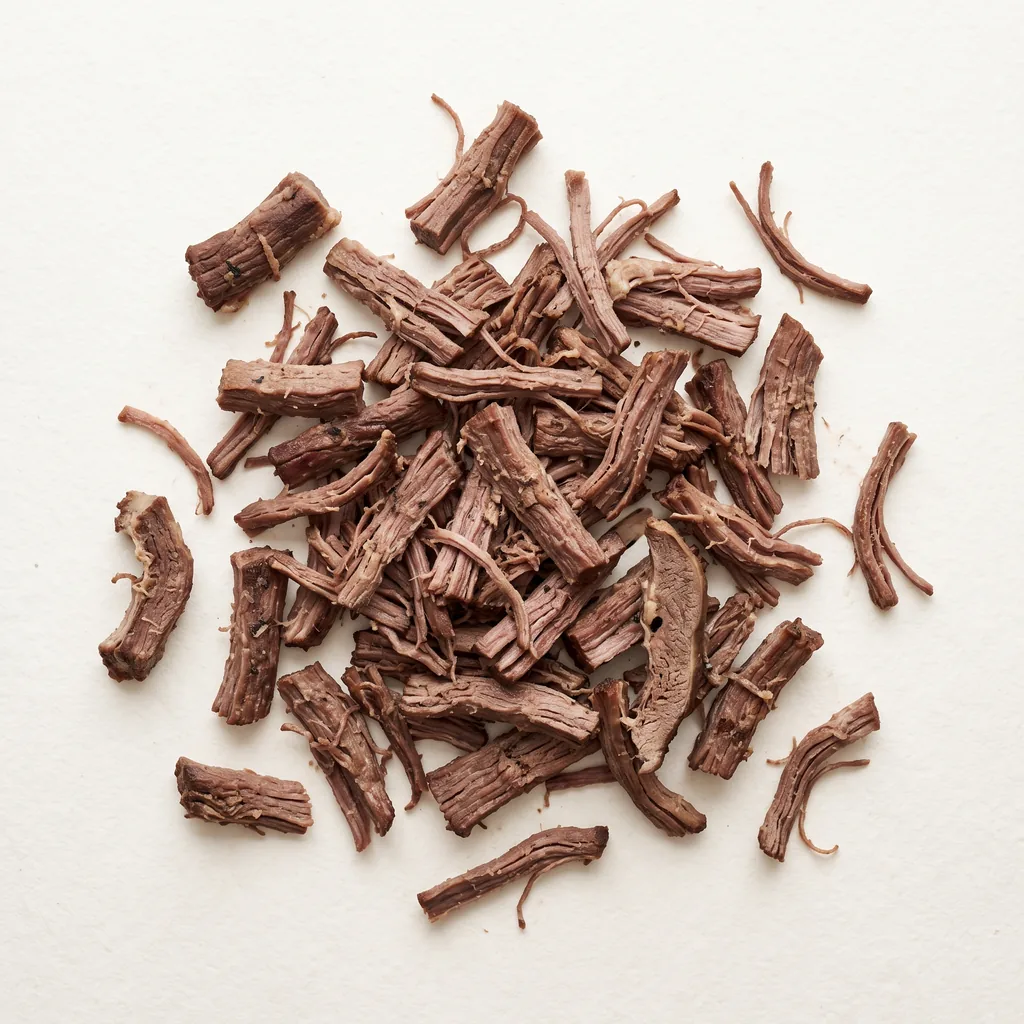
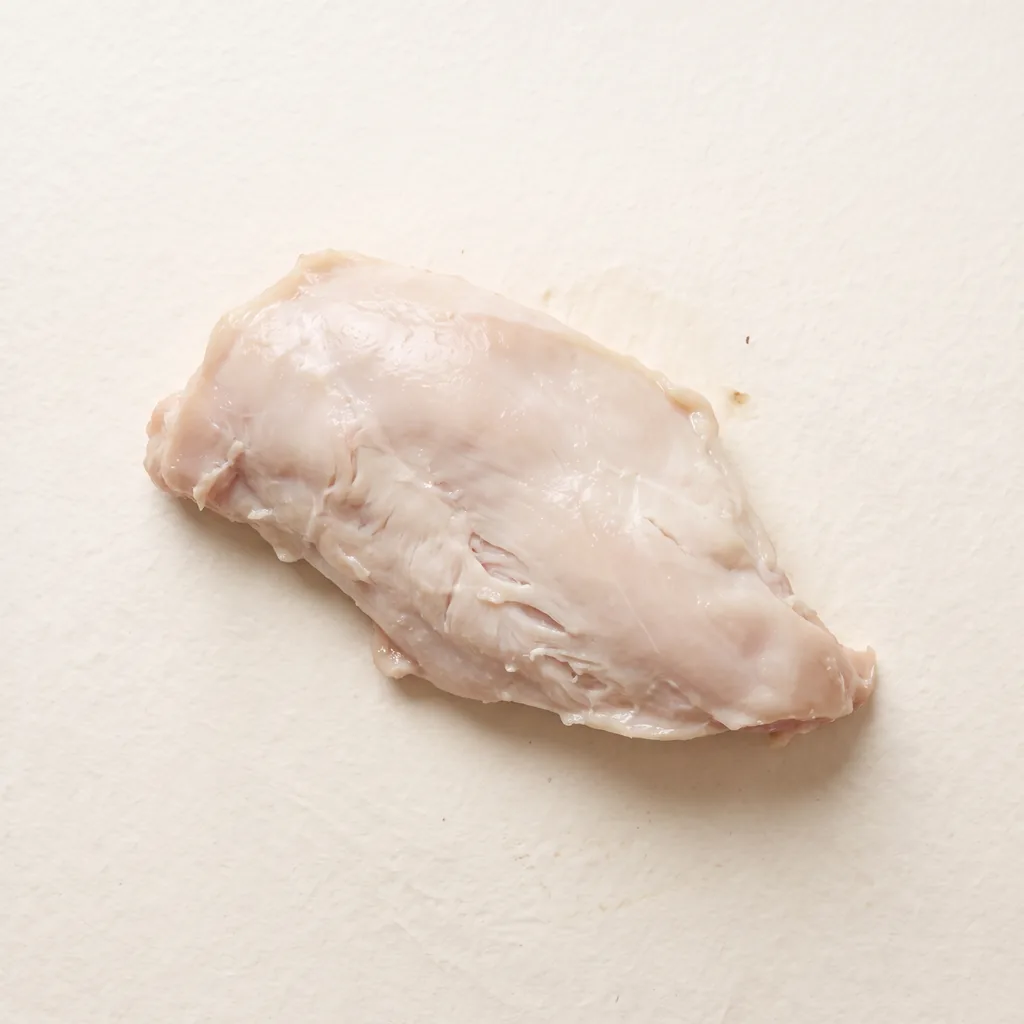
6 monthsStrip or mash
Rabbit prepared for 6 months

Cut: Finger strip

Offer a thick strip of well-cooked rabbit, about as thick as two adult fingers, with all bone and skin removed. At this age, larger pieces are easier. Baby can hold it, bring it to the mouth and take it out. If baby bites off a big piece, stay calm and give baby the chance to work it forward.

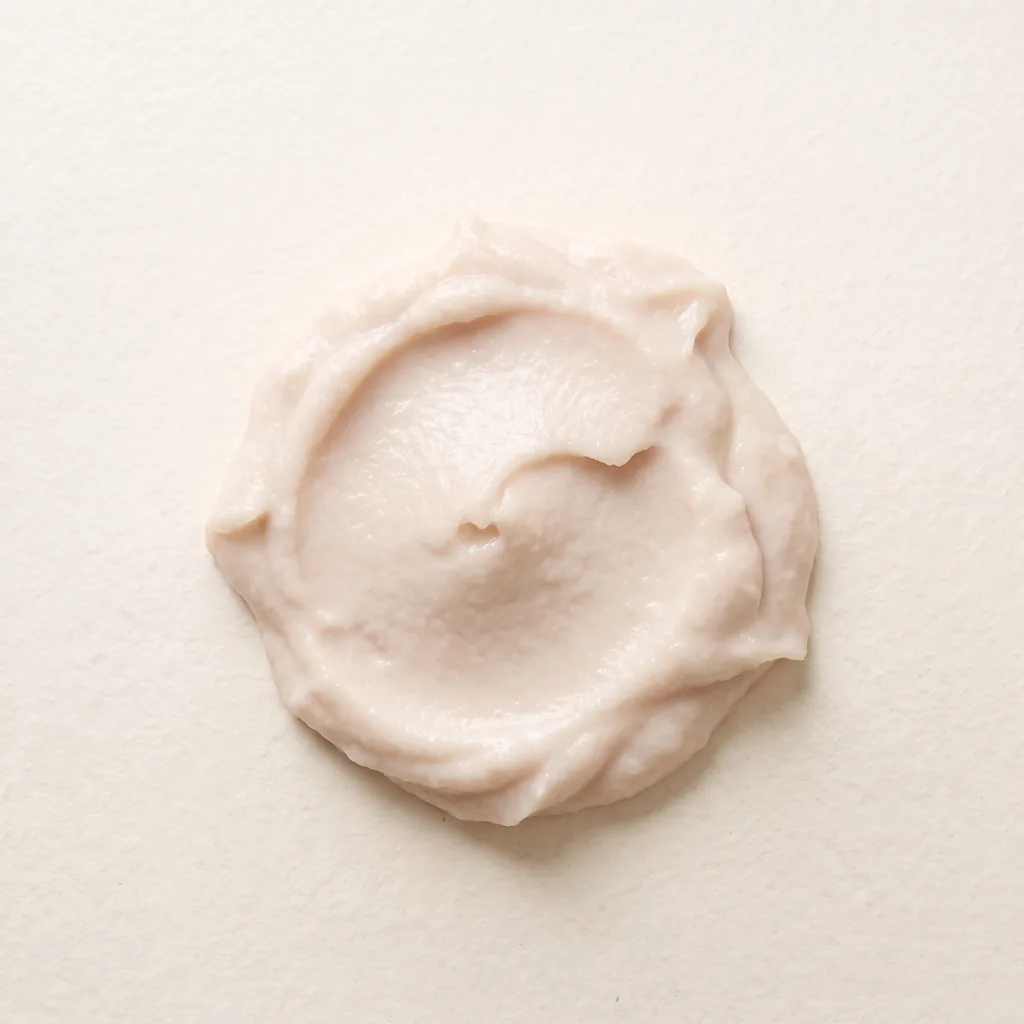
Shred or finely chop well-cooked rabbit. Mix it into vegetable purée, yogurt, or porridge, and baby can eat it by hand or from a preloaded spoon.
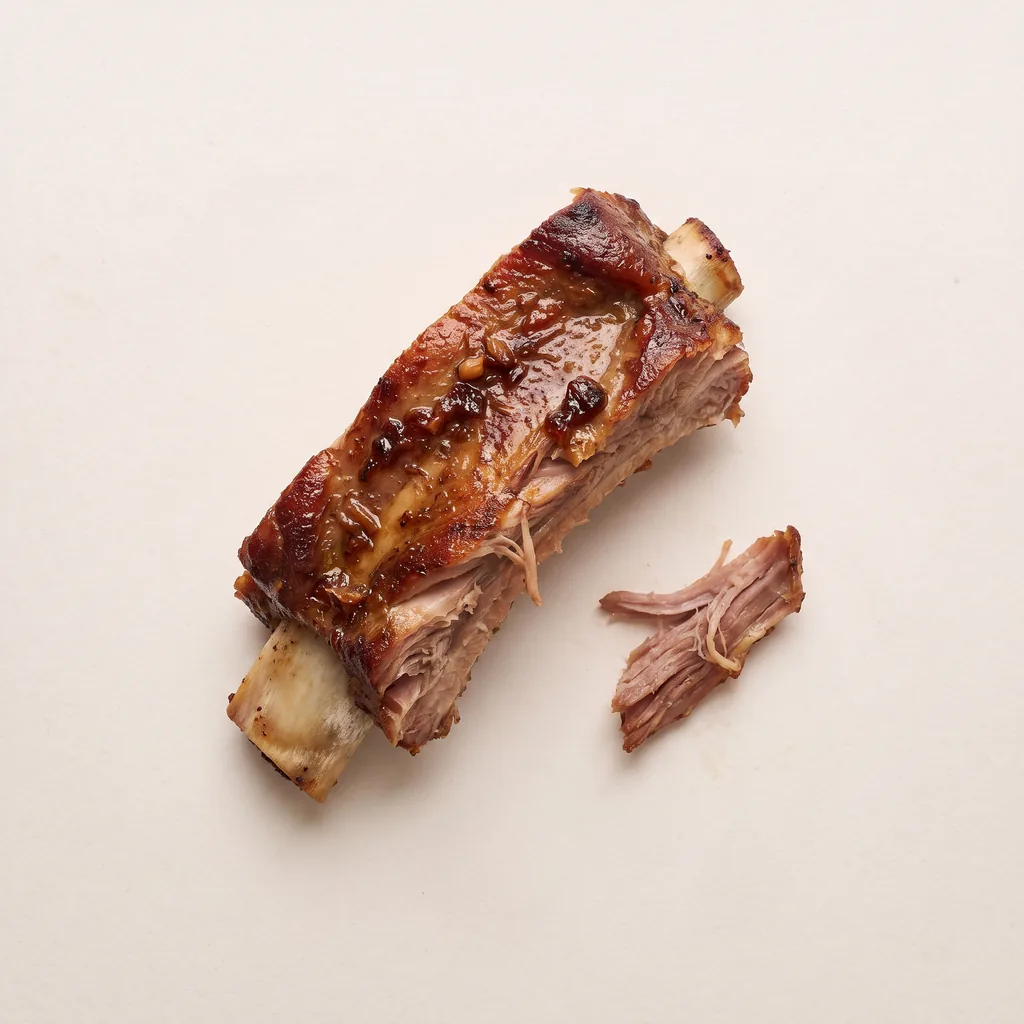
9 monthsCube

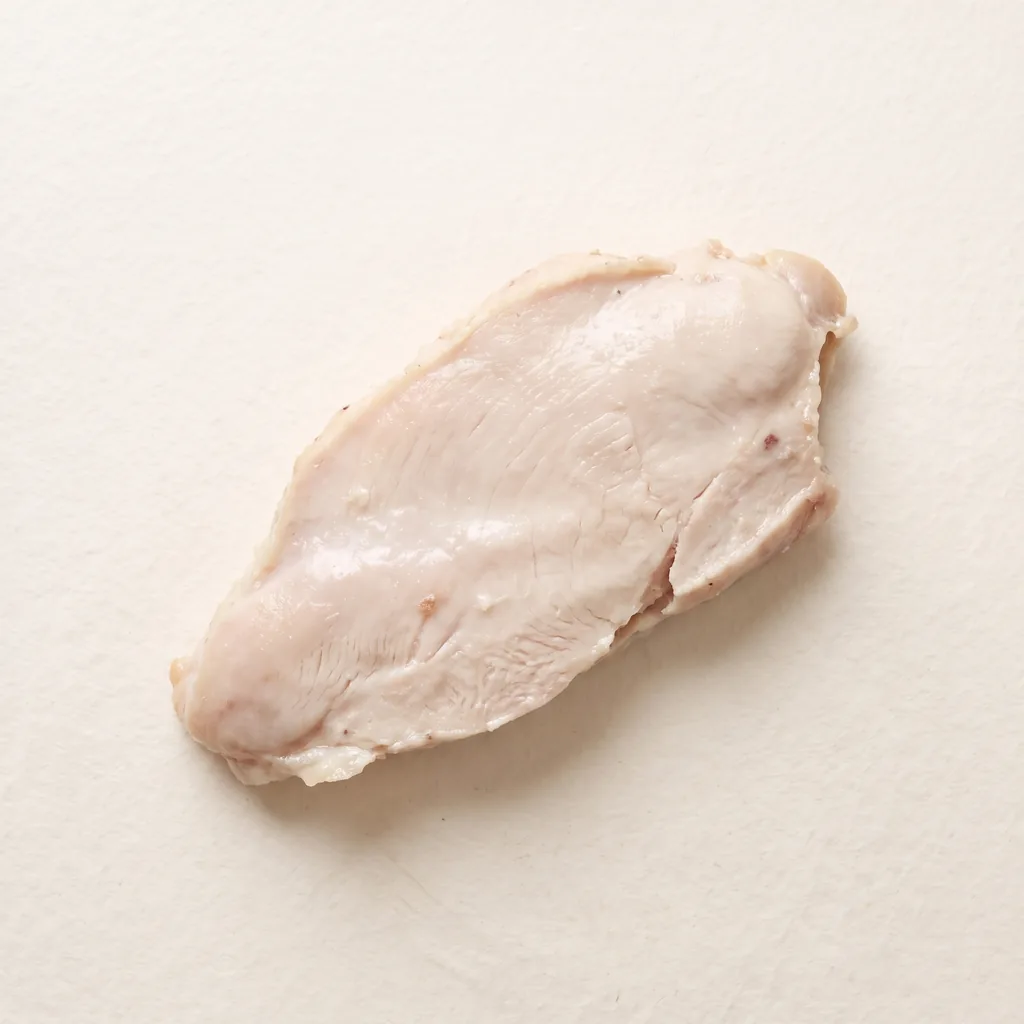
Rabbit prepared for 9 months

Cut: Bite sized piece

Serve tender slow-cooked or stewed rabbit in bite-sized slices. If the meat is dry, shred or chop it fine. A little cooking liquid, sauce or purée makes it easier to swallow.

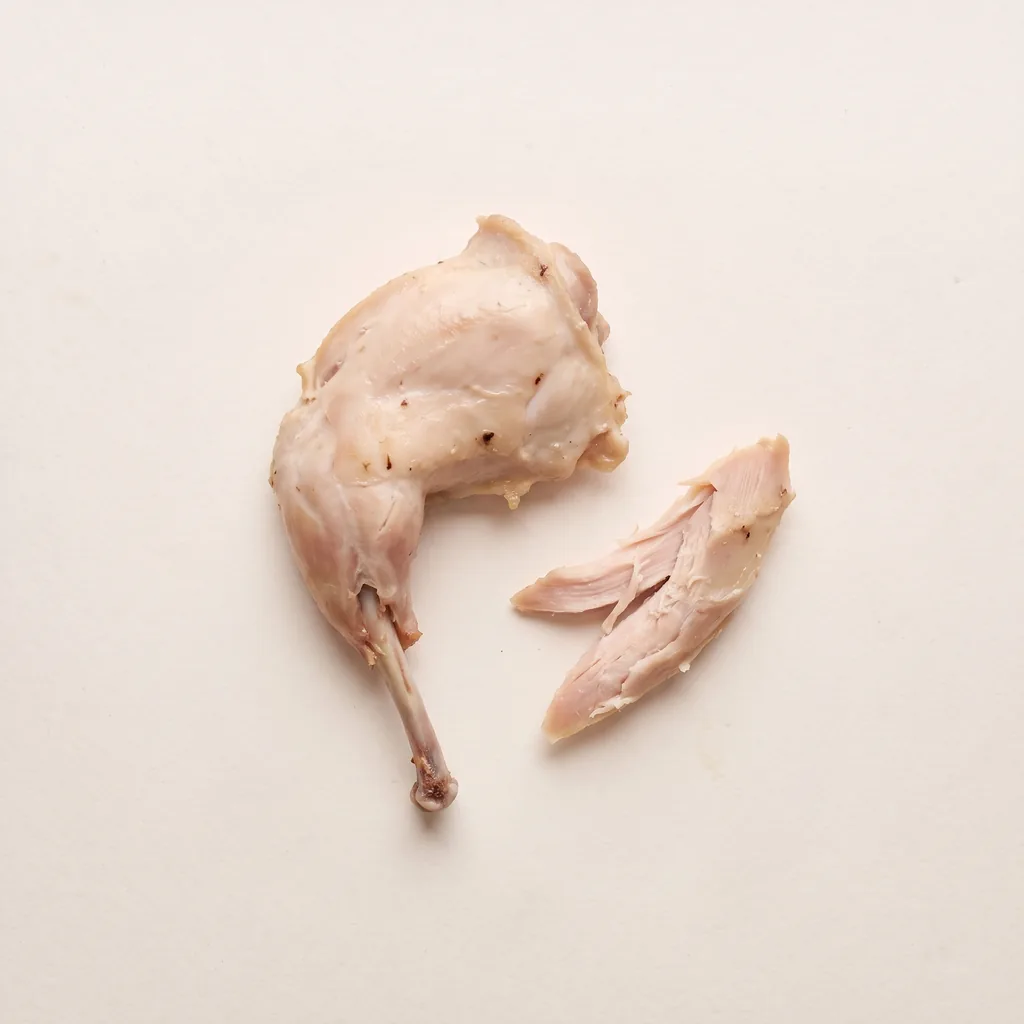
12 monthsSlice

Rabbit prepared for 12 months

Give bite-sized pieces cut from thin slices of rabbit or thick strips of slow-cooked meat. Do not give chunks or cubes. Rabbit sausage is fine in moderation, but cut it in four lengthwise so that it is not a round shape anymore. Keep removing bone and cartilage until the child can find and avoid them alone.

Choking risk

  1. Low
  2. Medium
  3. High

Rabbit is very lean, so it can turn tough and chewy, based on the cooking method. That raises choking risk.

Cook the meat slowly or braise it in liquid. Make sure it is cooked through but not dried out, and then cut it for your child's age. Remove skin, bones and cartilage. Do not give chunks or cubes. Stay beside baby during meals.

Bones

Skin, bone and cartilage must be fully removed.

Allergen information

Allergy to rabbit meat is not common. Alpha-gal allergy is linked to some tick bites, in the United States the main culprit is the Lone Star tick, and other tick species cause it elsewhere. Alpha-gal is a sugar found in the meat of all non-primate mammals. A delayed allergic reaction appears 3 to 8 hours after eating red meat such as rabbit. A few people also react to traces of that sugar in dairy, gelatin and mammal organs such as liver.

Give a small amount at the first servings. If there is no reaction, raise it slowly.

Frequently asked questions

What age can babies eat rabbit?

Rabbit can be offered once baby is ready for solids, around 6 months.

Is rabbit a common allergen?

Allergy to rabbit meat is not common. Alpha-gal allergy is linked to some tick bites, in the United States the main culprit is the Lone Star tick, and other tick species cause it elsewhere. Alpha-gal is a sugar found in the meat of all non-primate mammals. A delayed allergic reaction appears 3 to 8 hours after eating red meat such as rabbit. A few people also react to traces of that sugar in dairy, gelatin and mammal organs such as liver.

How do you prepare rabbit for babies?

For a 6-month-old: Offer a thick strip of well-cooked rabbit, about as thick as two adult fingers, with all bone and skin removed. At this age, larger pieces are easier. Baby can hold it, bring it to the mouth and take it out. If baby bites off a big piece, stay calm and give baby the chance to work it forward.

Is rabbit a choking hazard for babies?

Rabbit is very lean, so it can turn tough and chewy, based on the cooking method. That raises choking risk.

What temperature should rabbit reach?

At least 71 °C (160 °F) inside. This kills harmful bacteria.

Rabbit turns dry. What should I do?

Braise it in liquid. If dry, shred it and serve with cooking liquid or sauce.

Can I give wild rabbit?

Yes if you are sure of the source and handling and cook it to 71 °C inside. If you have any doubt, do not.

Prepared by the Lokmini team | Last updated November 17, 2026

Share:WhatsApp

Want to add this food to your baby's solid food calendar?

Join Lokmini to learn how this food is served at each age and to keep track of every food your baby tries.

Join Lokmini

Starting Solids

When and how to start solids, and what happens in the first week?

Read the guide

Similar foods

Let's get ready for the first bite together

Lokmini builds a day-by-day plan for your baby's age. Leave your email for new guides and our newsletter.

Start Your Journey