Skip to content

Uzm. Dyt. Berk AysanPrepared the latest update, November 14, 2026

Lokmini is not a healthcare provider and does not offer health services. For your baby's specific needs, talk to your doctor or a dietitian.

  • Vegetables
  • 6 mo+
  • Low choking risk

Pumpkin for babies: when to start

Pumpkin can be offered when your baby is about 6 months old and developmentally ready for solids, cooked until very soft.

  • Fiber
  • Folate
  • Iron
  • Magnesium
  • Potassium
  • Vitamin A
Pumpkin prepared for a baby

About pumpkin

Pumpkin has a naturally mild, sweet flavor and turns soft and easy to mash when cooked. You can use it in soups and purees, or as soft pieces that suit your baby's self-feeding skills. Different types of squash can vary in color, flavor and texture.

Nutrition

Pumpkin is high in water. Along with carbohydrate and fiber, it contains potassium and vitamins C and E, plus smaller amounts of folate, iron, magnesium and vitamins B6 and K.

One of pumpkin's most notable nutrients is its carotenoids. Beta-carotene, which gives pumpkin its orange color, can be turned into vitamin A in the body. Pumpkin also contains carotenoids such as lutein and zeaxanthin.

Also known as: bal kabağı, kış kabağı, konserve balkabağı

  • Gluten-free
  • Vegan

How to prepare it by age

6 monthsStrip or mash
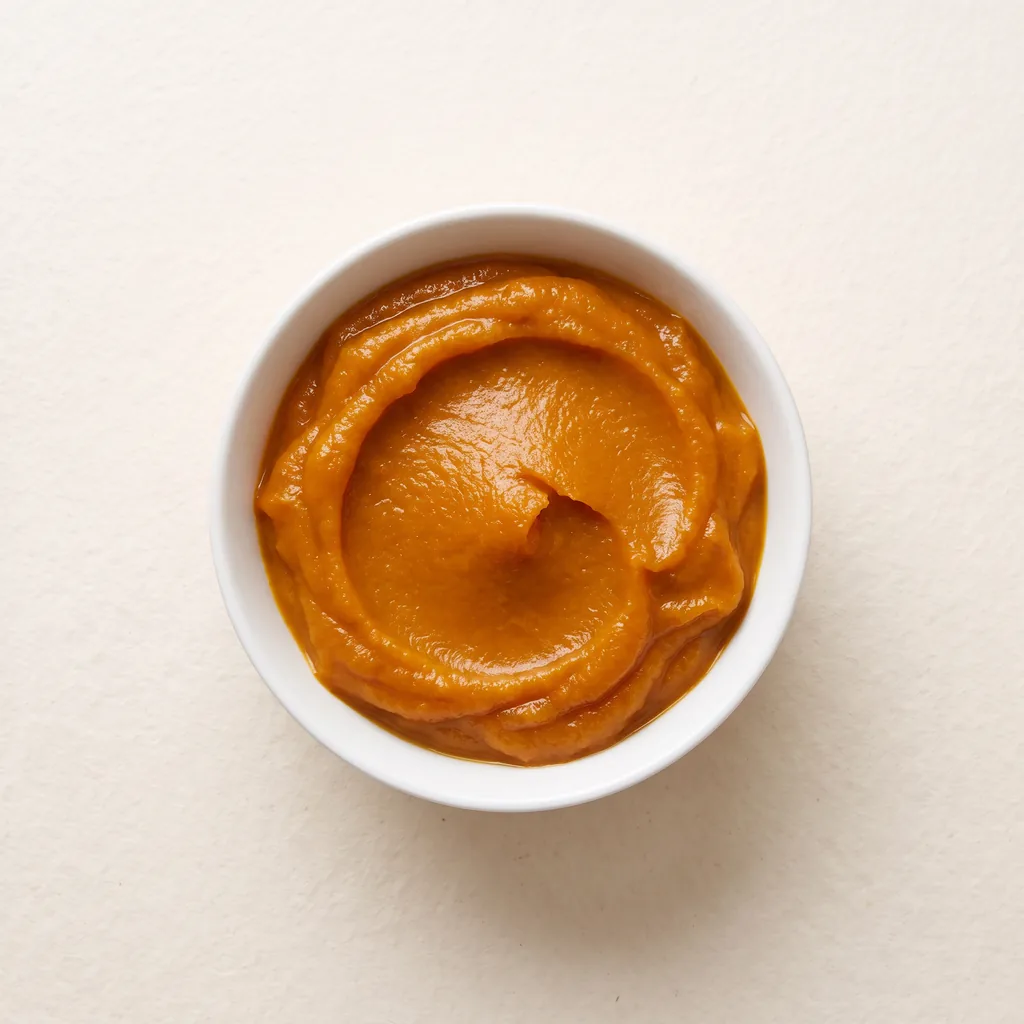
Pumpkin prepared for 6 months

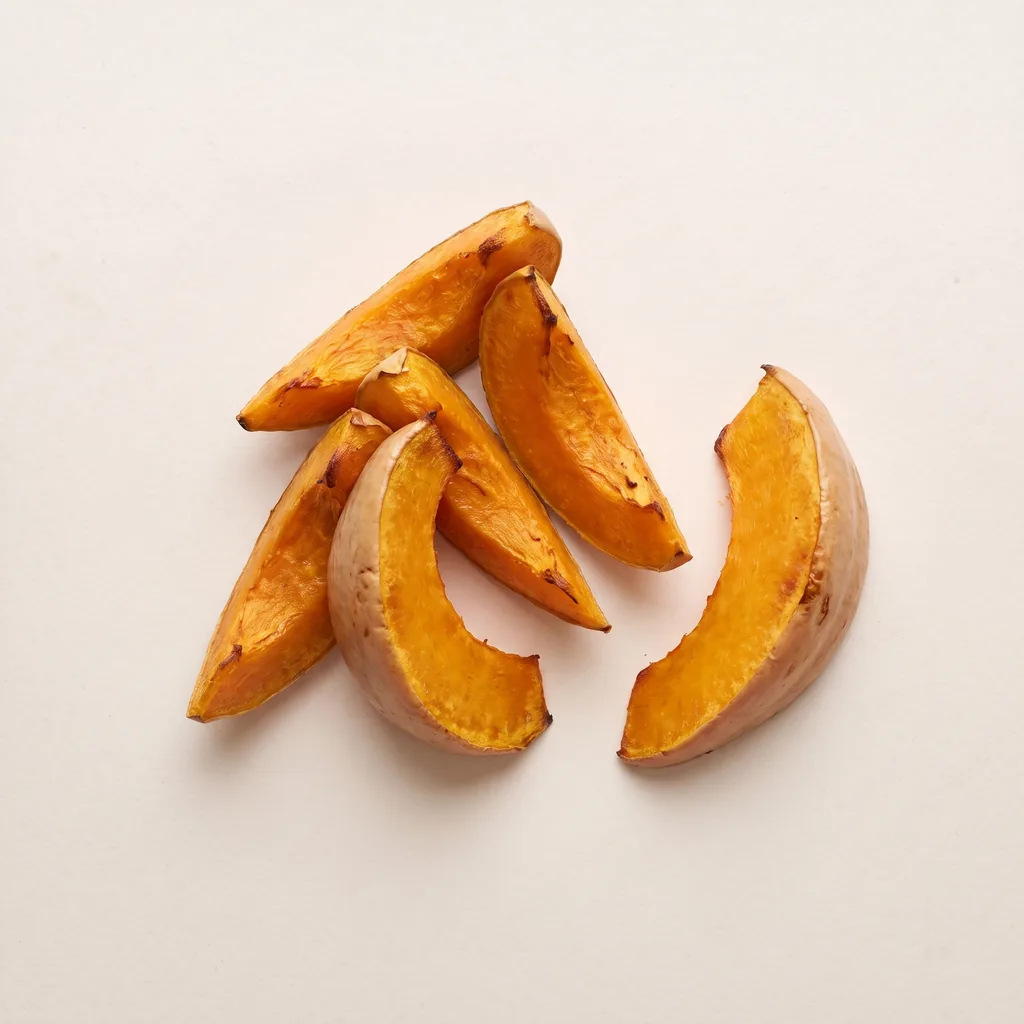
Cut: Thick wedge

Serve well-cooked pumpkin as long crescent-shaped slices. The rind can be on or off. At this age baby cannot bite through the rind. If a big piece comes off and baby works it forward, stay calm and give baby time.

Cut: Fork mashed

Cook pumpkin until very soft and mash it. Baby can pick it up by hand or eat it from a loaded spoon. Canned pumpkin purée works too.
9 monthsCube

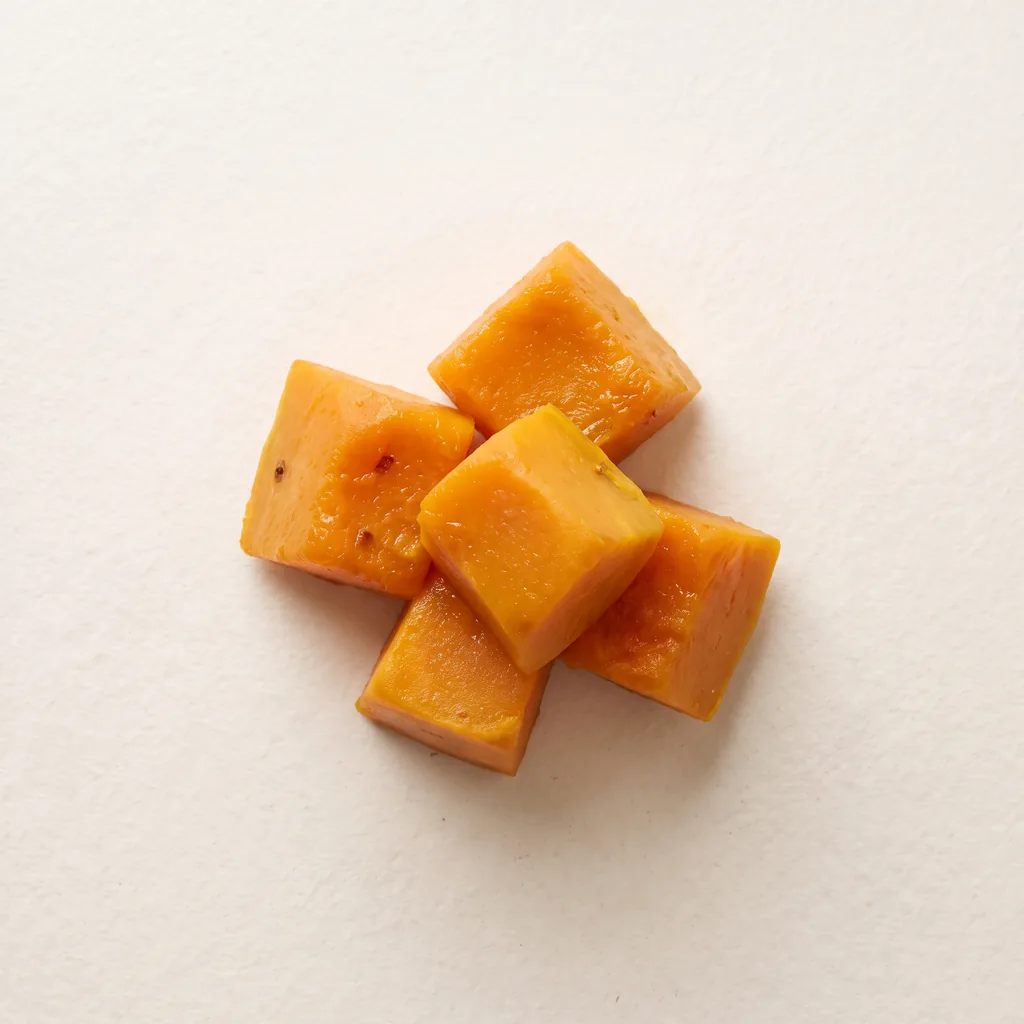
Pumpkin prepared for 9 months

Cut: Bite sized piece

Once the pincer grasp develops, give soft cooked pumpkin in bite-sized pieces. Large pieces with the rind removed can keep coming. Mix the purée into yogurt, warm porridge, stews or pasta.

12 monthsCube

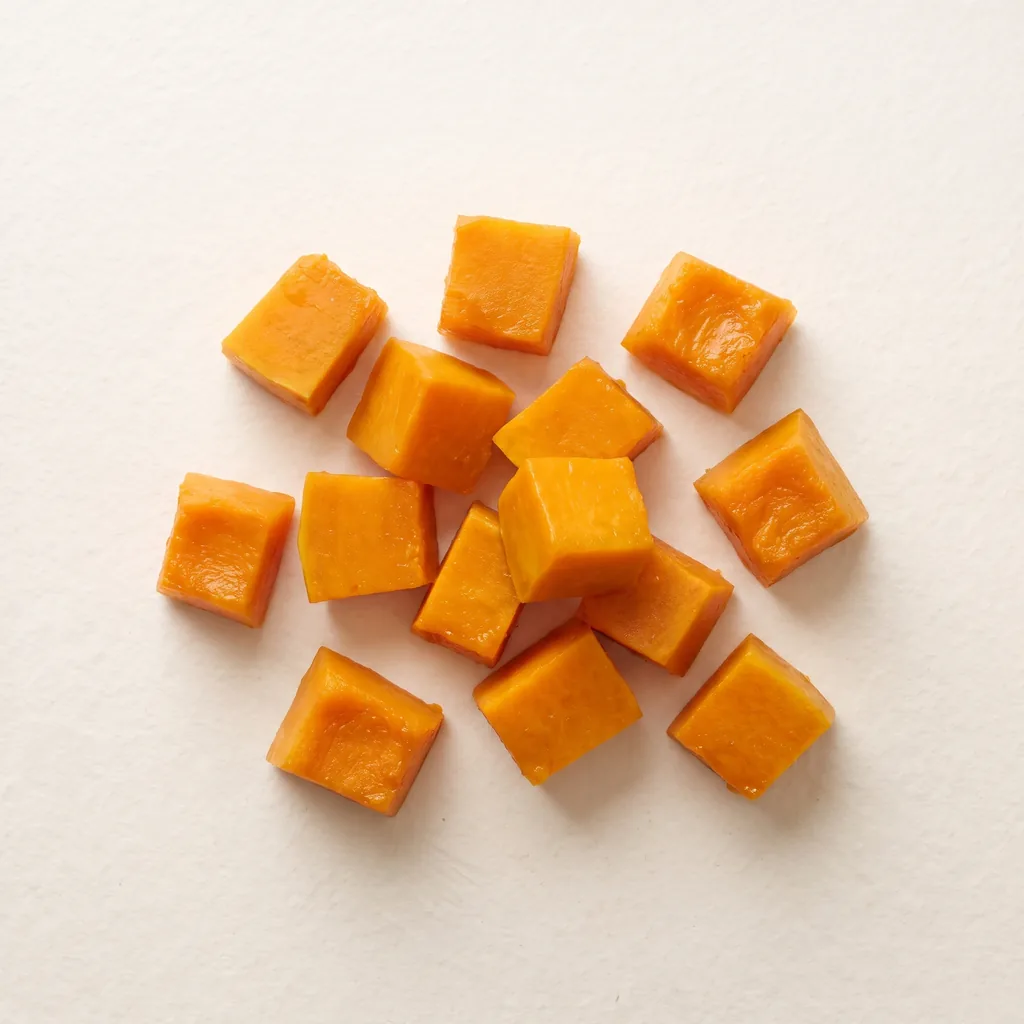
Pumpkin prepared for 12 months

Serve soft cooked pumpkin in bite-sized pieces, or in larger sections to bite from. Pre-load a fork so the child picks it up alone, for fork practice.

Choking risk

  1. Low
  2. Medium
  3. High

Well-cooked, soft pumpkin is a low choking risk food when it is prepared to suit your baby's development. Still, any food can cause choking.

Remove the seeds and the hard rind of the pumpkin. Do not give your baby raw or hard pieces that have not softened enough. Cook the pumpkin until it mashes easily with a fork.

Make sure your baby sits upright during meals, and stay beside them within arm's reach.

Seeds

Remove the seeds completely.

Allergen information

Pumpkin is not one of the common food allergens. But allergic reactions to the edible part of pumpkin or to its seeds have been reported. Scientific data on how often these reactions happen are limited.

Touching the rind or juice of pumpkin can cause itching, redness and a rash on the hands in some people. This does not always mean a food allergy. It can also come from skin irritation. Wash your hands after preparing pumpkin. After the meal, gently clean any food left on your baby's face and hands.

When you offer pumpkin for the first time, start with a small amount and watch your baby for possible signs of allergy. If no reaction appears, you can increase the amount to suit your baby's appetite and development.

If signs such as a widespread rash, swollen lips or vomiting appear, stop giving pumpkin and talk to your doctor. For serious signs such as trouble breathing, swelling of the tongue or throat or loss of consciousness, call emergency services right away.

Frequently asked questions

What age can babies eat pumpkin?

Pumpkin can be offered when your baby is about 6 months old and developmentally ready for solids, cooked until very soft.

Is pumpkin a common allergen?

Pumpkin is not one of the common food allergens. But allergic reactions to the edible part of pumpkin or to its seeds have been reported. Scientific data on how often these reactions happen are limited.

How do you prepare pumpkin for babies?

For a 6-month-old: Serve well-cooked pumpkin as long crescent-shaped slices. The rind can be on or off. At this age baby cannot bite through the rind. If a big piece comes off and baby works it forward, stay calm and give baby time.

Is pumpkin a choking hazard for babies?

Well-cooked, soft pumpkin is a low choking risk food when it is prepared to suit your baby's development. Still, any food can cause choking.

Can I give canned pumpkin?

Yes. From about 6 months, you can give plain pumpkin puree with no added sugar or salt.

Do I need to peel it?

Yes. Especially for babies just starting solids, remove the hard rind and cook the pumpkin until it is very soft.

Does pumpkin give babies gas?

Pumpkin contains fiber, so it can cause gas in some babies. Start with small amounts and increase them as your baby tolerates it.

My baby bit off a big piece. What should I do?

If your baby is gagging or coughing well, stay calm and watch closely. If your baby cannot breathe, cannot cry or cannot cough well, call emergency services right away and give choking first aid for babies. Do not sweep a finger blindly into the mouth.
Share:WhatsApp

Want to add this food to your baby's solid food calendar?

Join Lokmini to learn how this food is served at each age and to keep track of every food your baby tries.

Join Lokmini

Starting Solids

When and how to start solids, and what happens in the first week?

Read the guide

Similar foods

Let's get ready for the first bite together

Lokmini builds a day-by-day plan for your baby's age. Leave your email for new guides and our newsletter.

Start Your Journey