Skip to content

Uzm. Dyt. Berk AysanPrepared the latest update, November 14, 2026

Lokmini is not a healthcare provider and does not offer health services. For your baby's specific needs, talk to your doctor or a dietitian.

  • Vegetables
  • 6 mo+
  • Low choking risk

Purple potato for babies: when to start

Purple potato can be offered when your baby is about 6 months old and ready for solids. Cook it well before serving and make sure it is soft enough to mash easily.

  • Potassium
  • Vitamin B6
  • Vitamin C
  • Anthocyanins
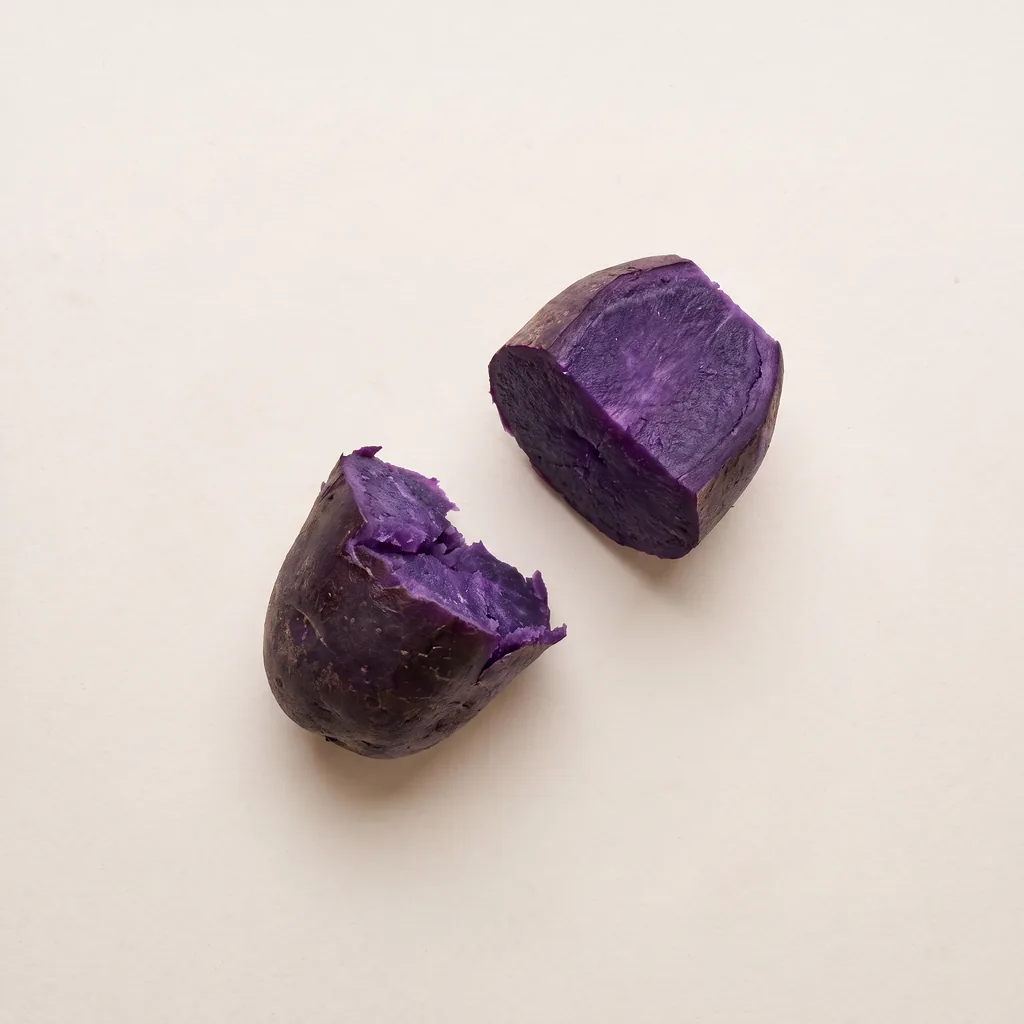
Purple potato prepared for a baby

About purple potato

Purple potato is one of the purple-colored kinds of the familiar potato. It should not be confused with purple sweet potato. Purple potato belongs to the same plant species as ordinary potato (Solanum tuberosum), while sweet potato is a different species.

There are different purple potato varieties, such as Adirondack Blue, Purple Majesty and Purple Peruvian. Their starch levels, textures and cooking qualities can differ.

Purple potato can be boiled, baked or mashed. If you cannot find it, ordinary potato can also be used in your baby's diet.

Nutrition

Purple potato contains potassium, vitamin B6 and vitamin C. It also provides carbohydrate and fiber as part of your baby's daily diet.

The special color of purple potato comes from natural plant pigments called anthocyanins. These compounds are also found in foods such as blueberries, blackcurrants and purple grapes, and they have antioxidant properties.

The possible health effects of anthocyanins are being studied. But there is not yet enough clinical evidence that eating purple potato gives babies specific health benefits.

Also known as: mor etli patates, Peru patatesi

  • Gluten-free
  • Vegan

How to prepare it by age

6 monthsStrip or mash
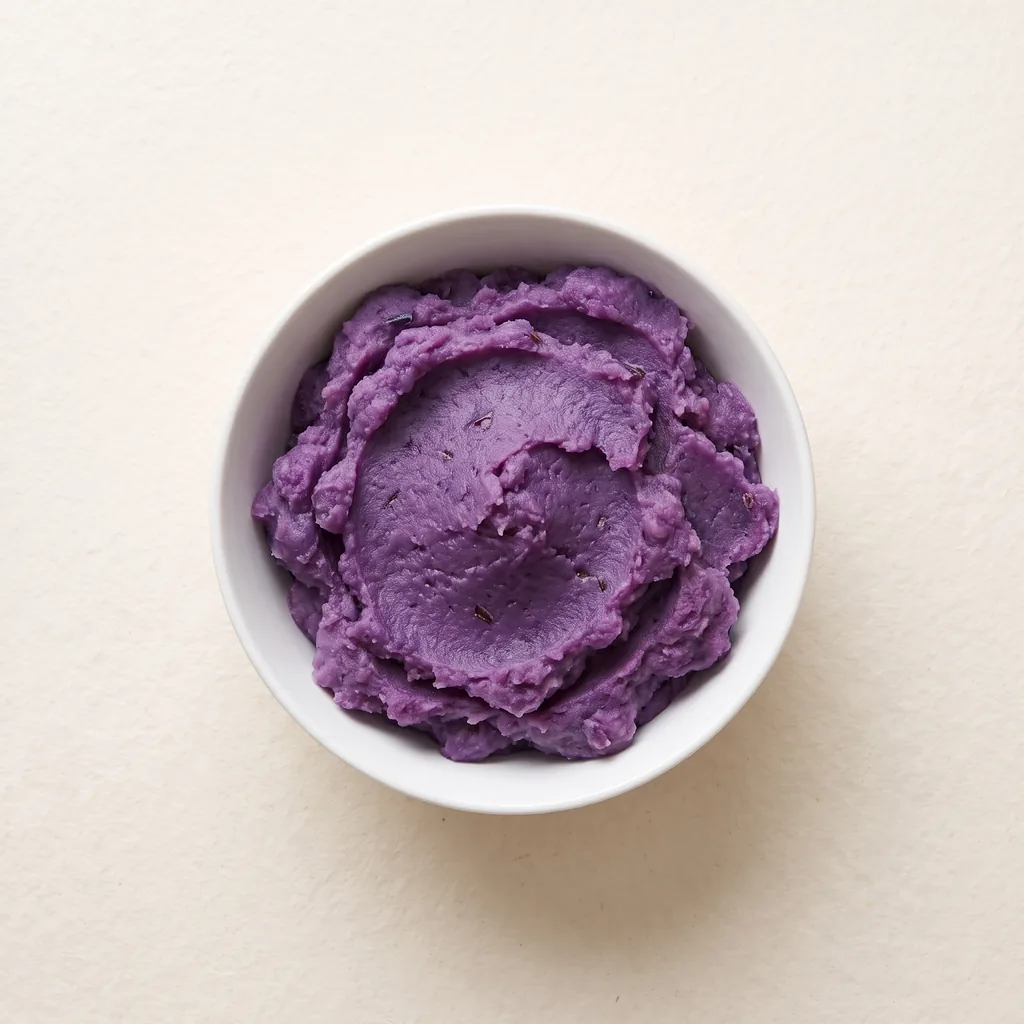
Purple potato prepared for 6 months

Cut: Finger strip

Peel purple potato, cut it into long sticks and cook until soft. Baby grabs the sticks and takes them to the mouth. Do not be surprised if baby spits out a fair amount. Babies learn to spit before they learn to swallow well.

Cut: Fork mashed

Mash cooked purple potato. Use a suction bowl stuck to the table so baby can scoop by hand. Also hold out a pre-loaded spoon. Held upright in the air, the spoon is easier for baby to grab from you. It gets messy, so keep warm cloths and a bib ready.
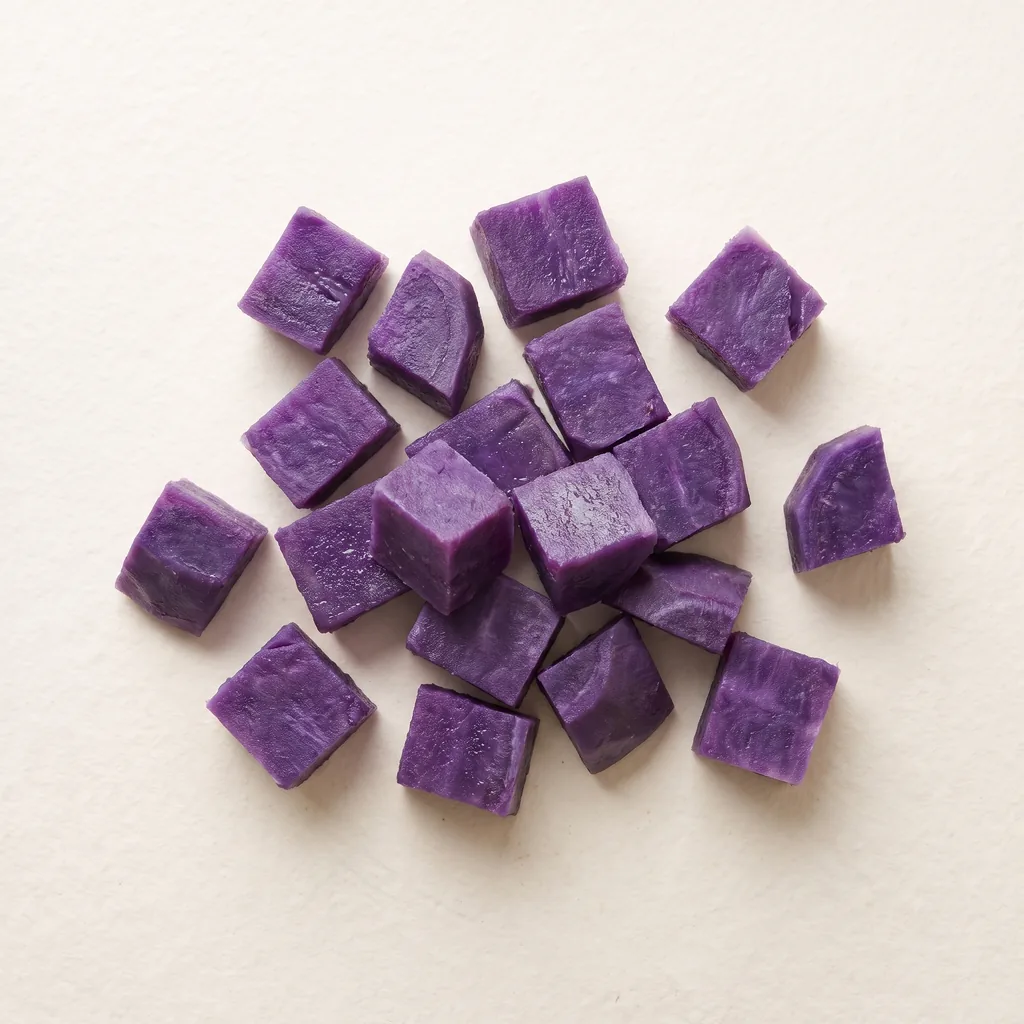
12 monthsCube

Purple potato prepared for 12 months

Keep offering mash or sticks. You can also give cooked potato in small cubes and encourage fork use. After 18 months the child will likely enjoy every form. To hold fussy eating at bay, vary the shapes of potato and other foods.

Choking risk

  1. Low
  2. Medium
  3. High

Purple potato is not a common choking hazard when it is well cooked and prepared the right way. But raw, undercooked or firm pieces can be a choking risk for babies.

To lower the risk, cook purple potato until it is soft enough to squash easily between your fingers. For babies around 6 months, you can serve it as a mash or as long, soft sticks that are easy to hold. As your baby gets better at picking up small pieces, you can give soft, bite-sized pieces.

Make sure the mash is not too thick and sticky. If needed, loosen it with a little liquid.

Your baby should sit upright while eating, with an adult always beside them within arm's reach.

Allergen information

FPIES warning

It is one of the known triggers of FPIES (a delayed-onset food allergy). In this condition, repeated severe vomiting, pallor and lethargy may occur, usually 1-4 hours after the food is eaten. Diarrhea may appear later. These symptoms require urgent medical evaluation.

Purple potato is not a common food allergen. Allergic reactions to potato have rarely been reported.

Allergic reactions can show up as redness around the mouth, hives, swollen lips or vomiting. But not every redness around the mouth means an allergy. Irritation from the food touching the skin can also happen.

When you offer purple potato for the first time, start with a small amount. If no allergy signs appear, you can slowly increase the amount at the next meals.

If you see signs such as hives, swollen lips or repeated vomiting, stop giving purple potato and get a medical assessment. For serious signs such as trouble breathing or swelling of the tongue or throat, call emergency services right away.

Frequently asked questions

What age can babies eat purple potato?

Purple potato can be offered when your baby is about 6 months old and ready for solids. Cook it well before serving and make sure it is soft enough to mash easily.

Is purple potato a common allergen?

Purple potato is not a common food allergen. Allergic reactions to potato have rarely been reported.

How do you prepare purple potato for babies?

For a 6-month-old: Peel purple potato, cut it into long sticks and cook until soft. Baby grabs the sticks and takes them to the mouth. Do not be surprised if baby spits out a fair amount. Babies learn to spit before they learn to swallow well.

Is purple potato a choking hazard for babies?

Purple potato is not a common choking hazard when it is well cooked and prepared the right way. But raw, undercooked or firm pieces can be a choking risk for babies.

Why should I peel purple potatoes?

The skin of purple potato can stay firm even when cooked, or it can come away from the potato and form pieces that are hard for your baby to chew. So peeling it is the easier and safer choice, especially for babies just starting solids. As your baby grows, you can also try well-washed, fully softened potato with the skin on. Pick out any firm skin pieces or pieces that come away easily.

Baby spits out the potato. Is that normal?

Yes. During the move to solids, babies learn to move food around in their mouth, chew and swallow. It can be normal for them to push some pieces out of their mouth during this time. Spitting out potato does not always mean your baby dislikes it. You can offer it again at other times, in a suitable texture and shape. But if your baby keeps coughing, has trouble swallowing or clearly struggles while eating, talk to your doctor.

What if I cannot find purple potato?

Ordinary potato is also a good choice for your baby. Both provide carbohydrate, potassium and various vitamins. Purple potato differs in the anthocyanins that give it its color. But your baby does not need to eat purple potato in particular to eat well. You can cook ordinary potato well and serve it as a mash or soft pieces.
Share:WhatsApp

Want to add this food to your baby's solid food calendar?

Join Lokmini to learn how this food is served at each age and to keep track of every food your baby tries.

Join Lokmini

Starting Solids

When and how to start solids, and what happens in the first week?

Read the guide

Similar foods

Let's get ready for the first bite together

Lokmini builds a day-by-day plan for your baby's age. Leave your email for new guides and our newsletter.

Start Your Journey