Skip to content
  • Vegetables
  • 6 mo+
  • Low choking risk

Potato for babies: when to start

Potato can be offered once baby is ready for solids, around 6 months.

  • Vitamin B6
  • Vitamin C
  • Folate
  • Iron
  • Zinc
  • Resistant starch
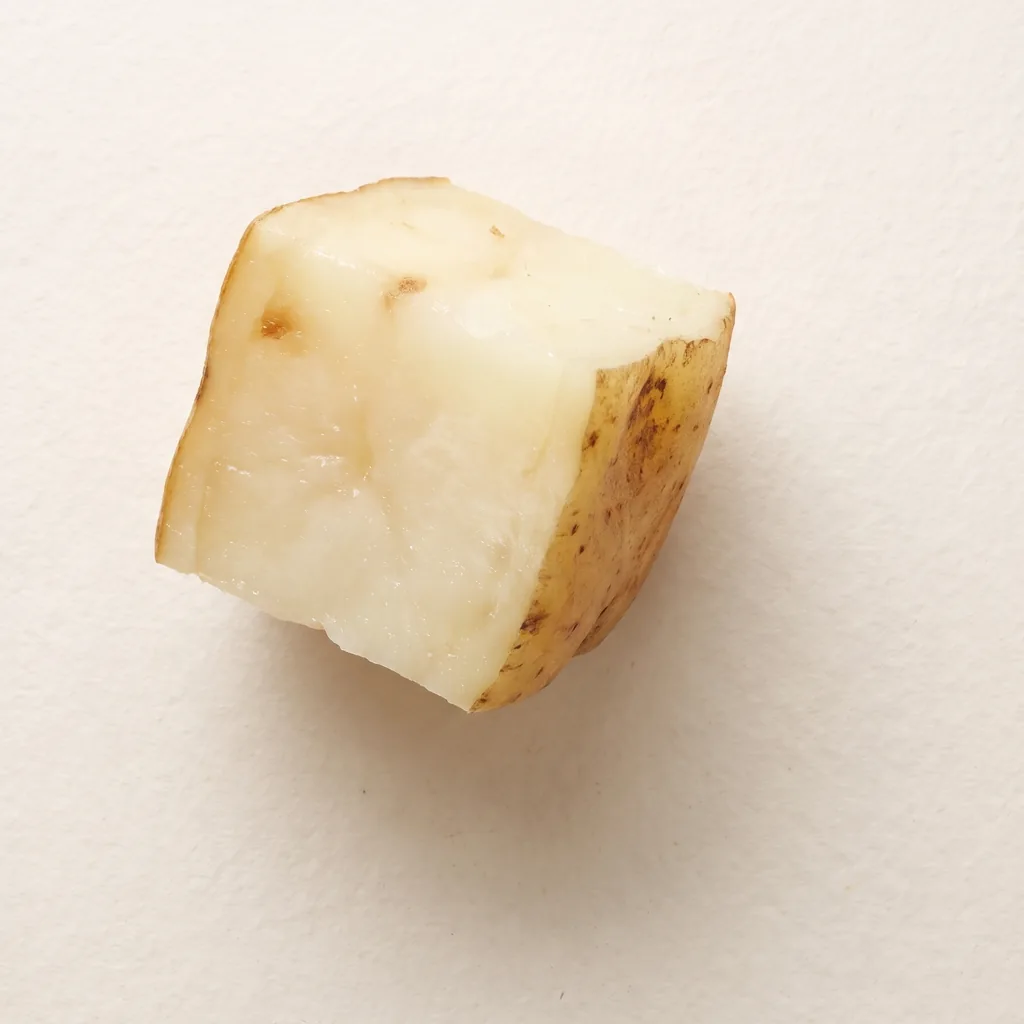
Potato prepared for a baby

About potato

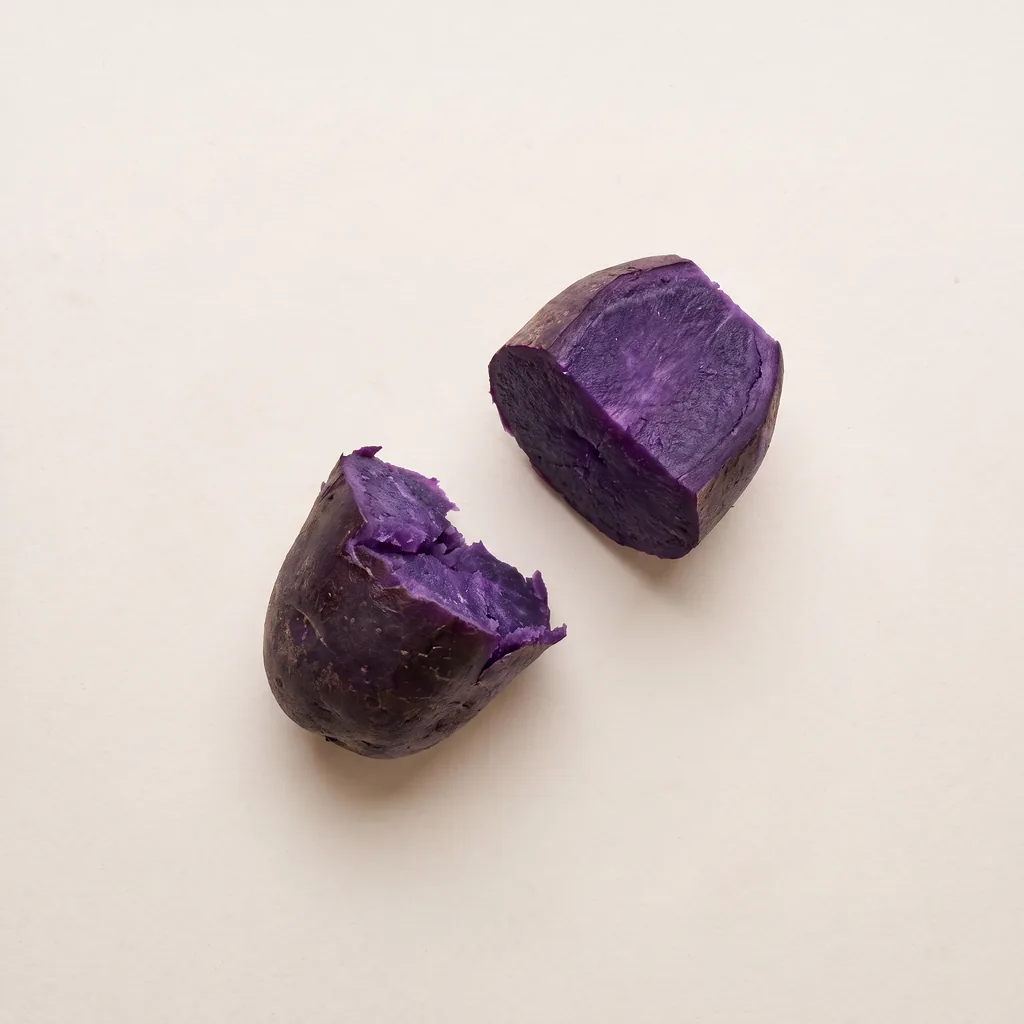
Potato is native to South America. Today it is a staple food worldwide. There are thousands of varieties, each with its own color, shape and taste.

Nutrition

Potato is a strong energy source for a growing baby. Folate, iron, zinc, and vitamin B6 are in it. It also brings vitamin C and choline.

Also known as: fırın patates, haşlanmış patates, patates püresi

  • Gluten-free
  • Vegan

How to prepare it by age

6 monthsSlice

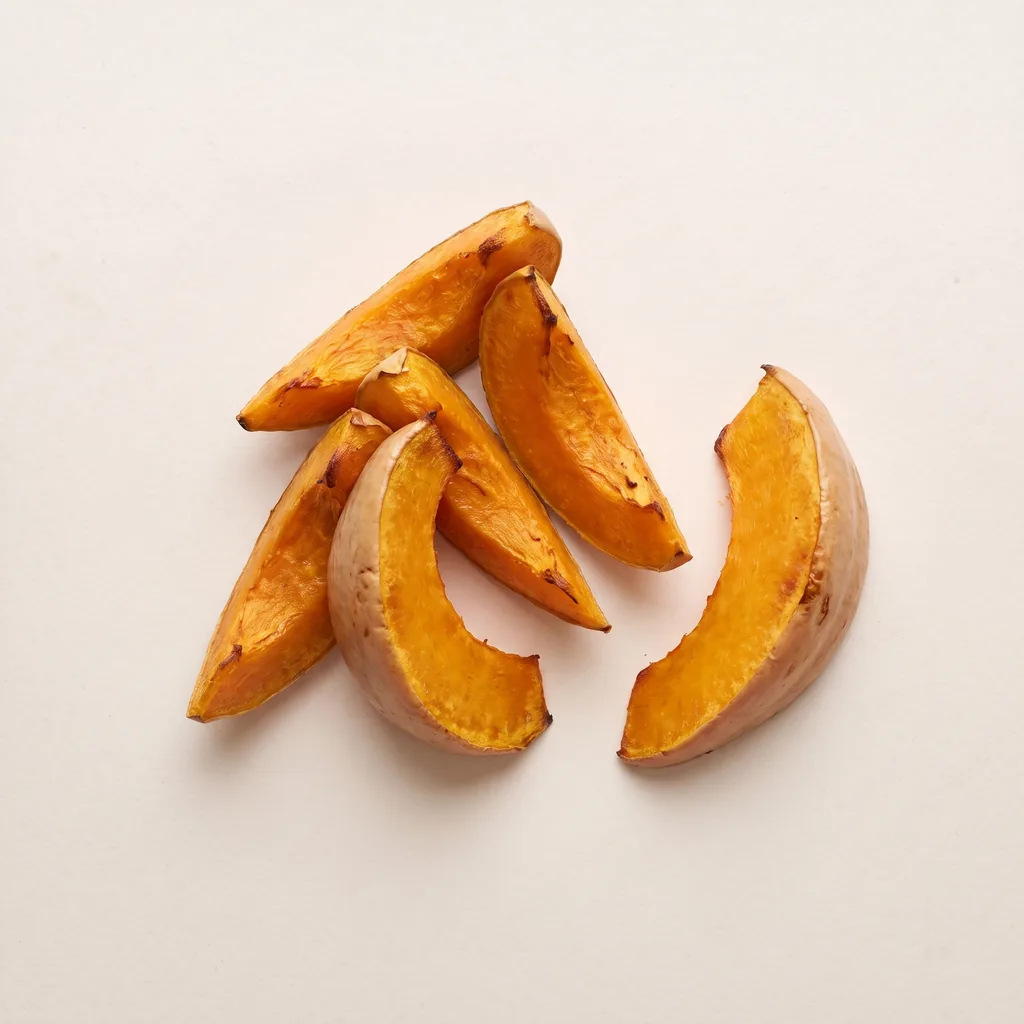
Potato prepared for 6 months

Cut: Thick wedge

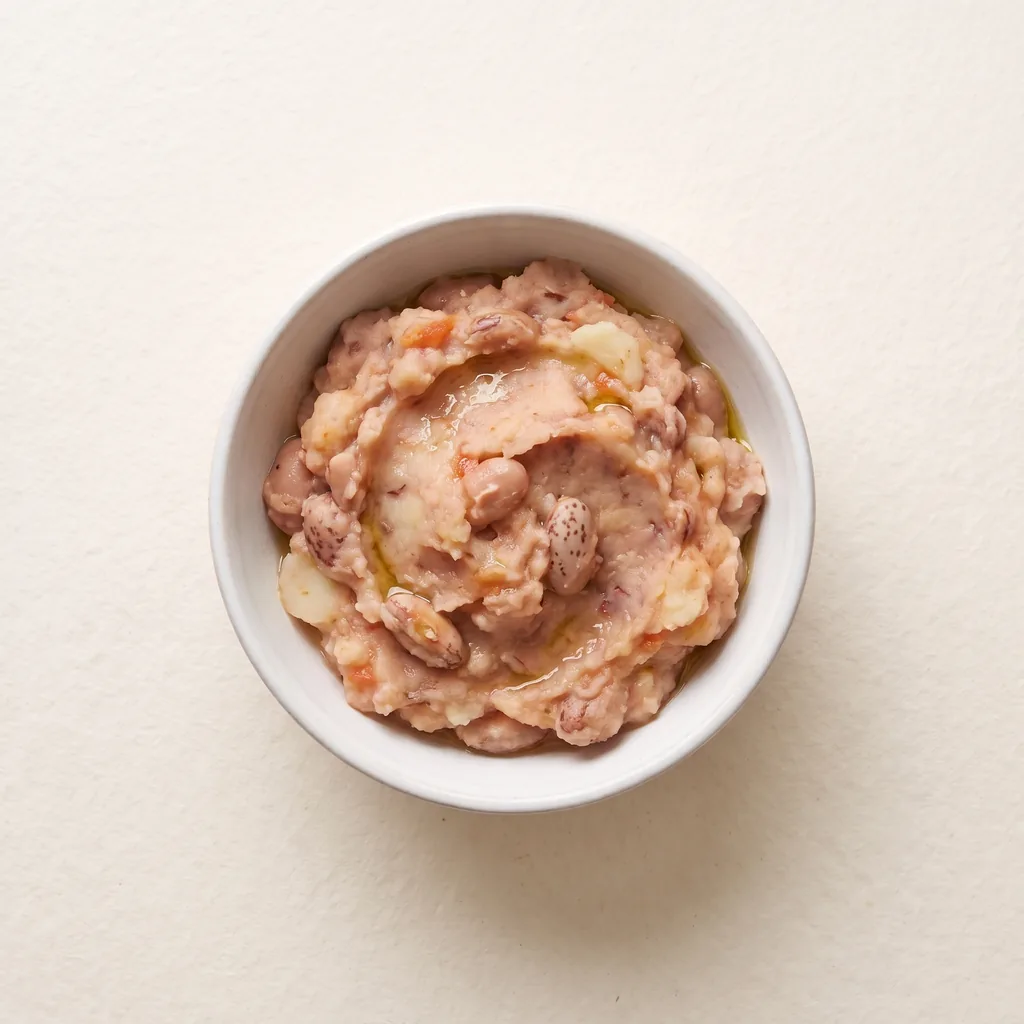
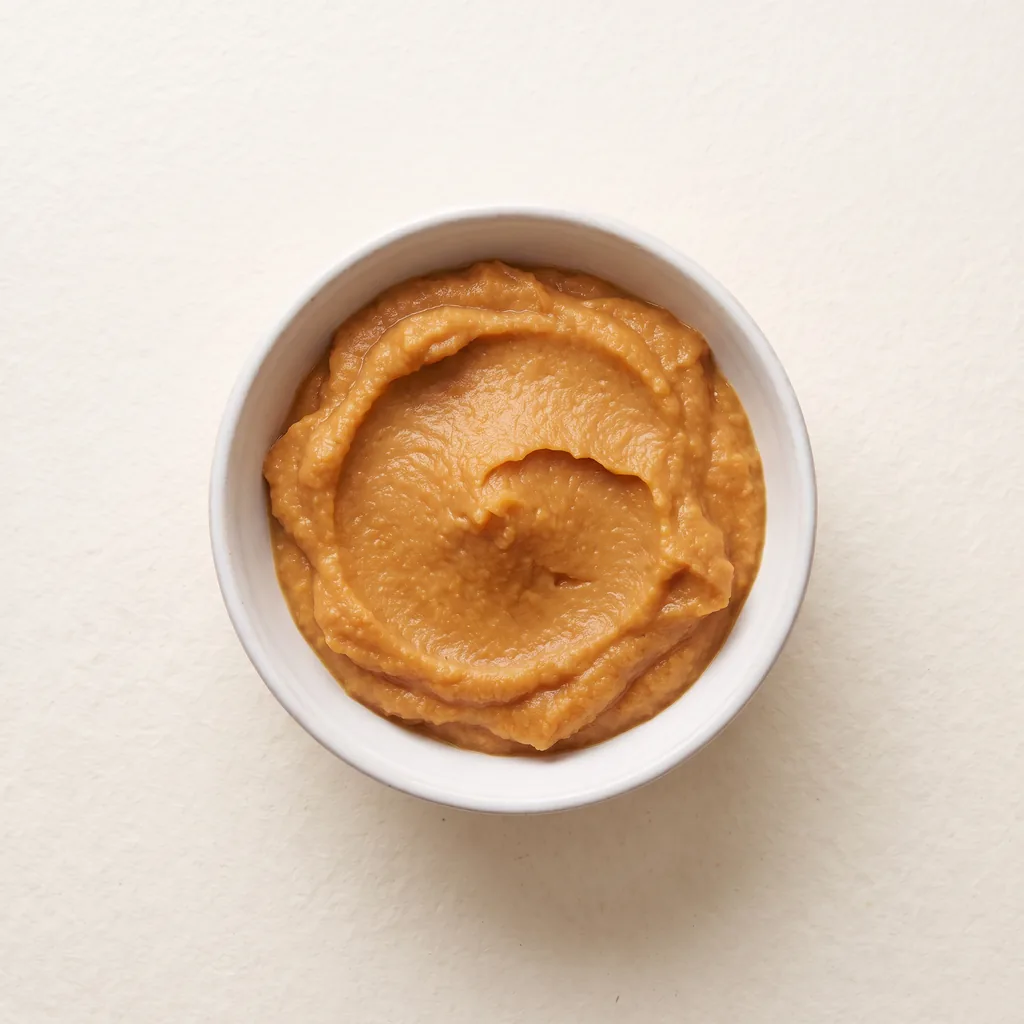
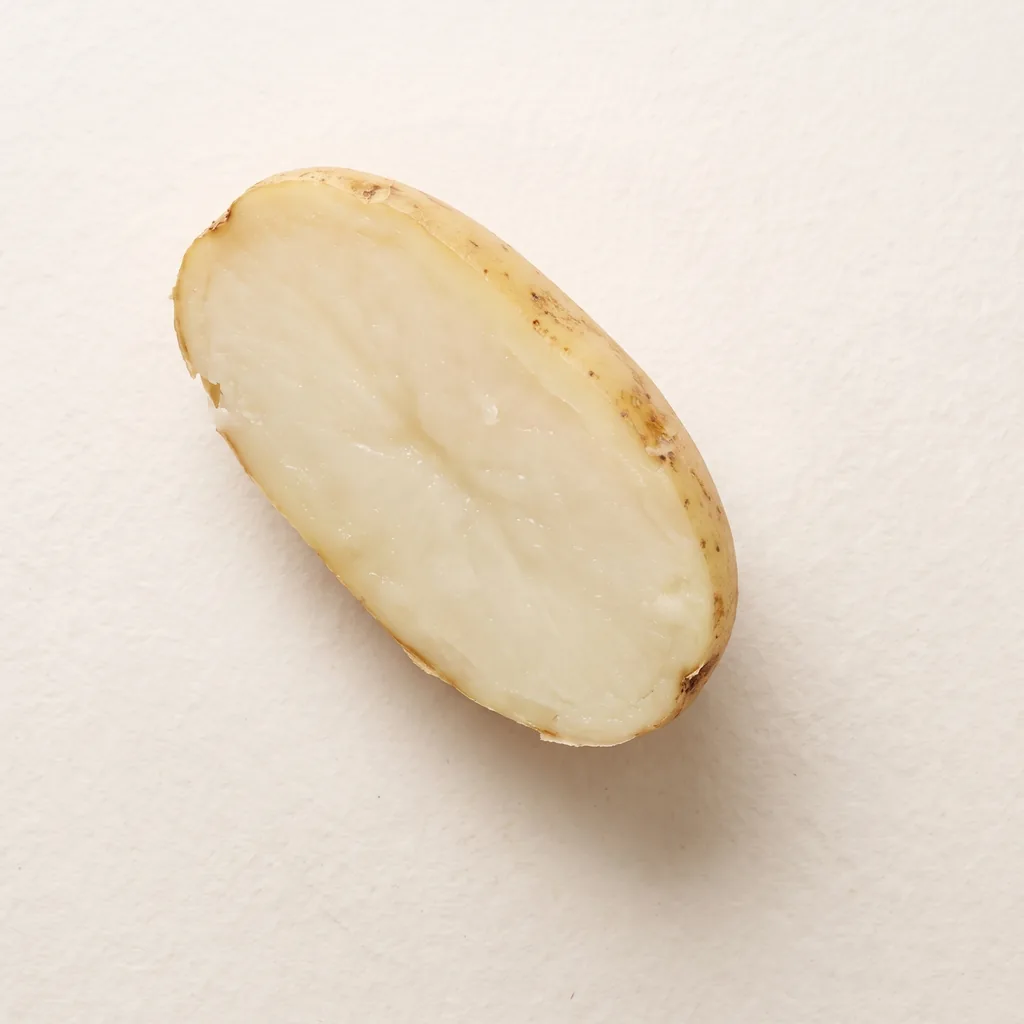
Cook the potato through. It is ready when it squashes easily between two fingers. Hand baby thick wedges that fit a fist. You do not have to peel it. If you go with a spoon, make a purée and loosen it with breast milk, formula or whole milk, then drizzle a teaspoon of olive oil on top. Do not use sprouted potatoes.

9 monthsCube

Potato prepared for 9 months

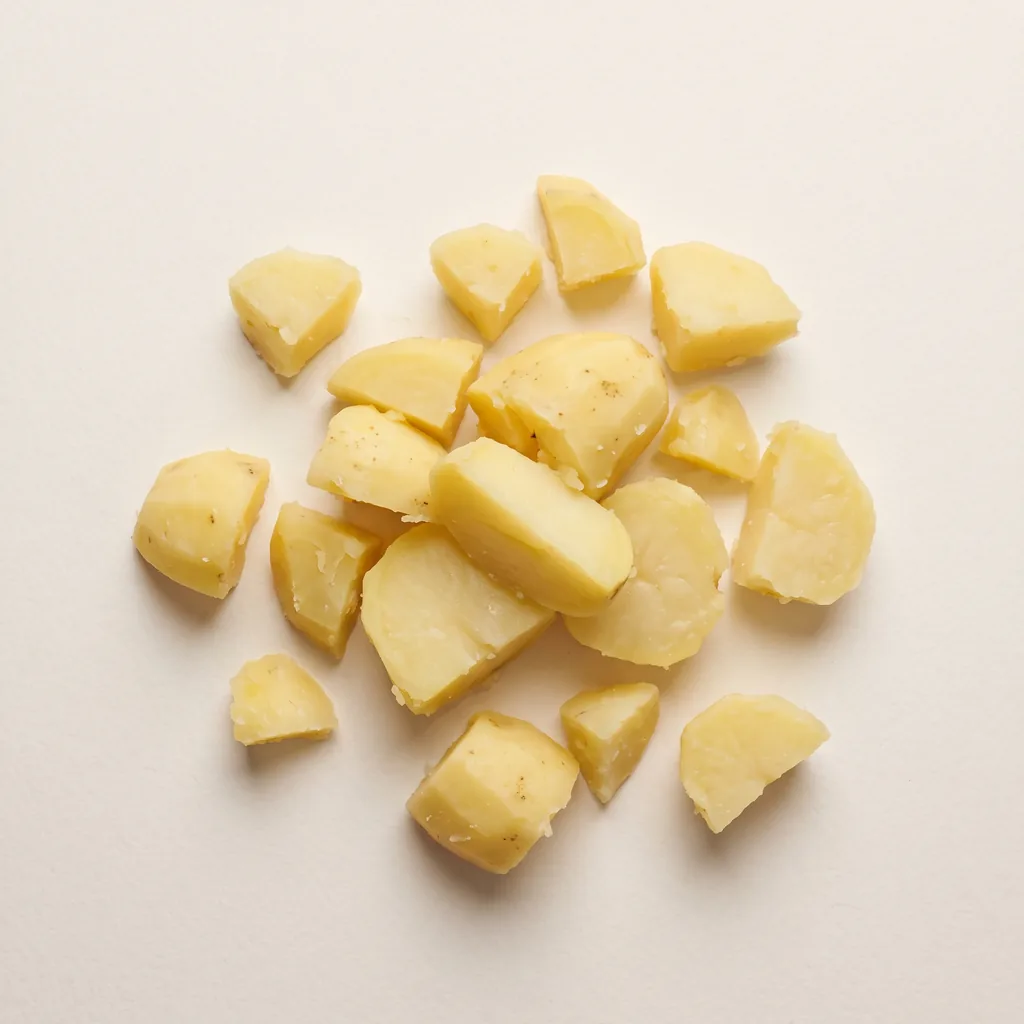
Cut: Bite sized piece

Serve cooked potato in bite-sized cubes. Baby practices the pincer grasp with these pieces. The skin can stay on. It is normal for baby to chew and spit out the skin. Larger wedges and purée can still be offered.

12 monthsCube

Cut: Bite sized piece

Give small potato pieces to eat by finger or fork. Pre-load the fork and set it beside the plate for your child to pick up. If your child prefers hands, do not push. Steady fork use usually settles after age two.

Choking risk

  1. Low
  2. Medium
  3. High

Potato that is well cooked and prepared to suit your baby's developmental skills is among the foods with a low choking risk. But raw, undercooked or hard pieces of potato can raise the choking risk.

Cook potato until it is soft enough to squash easily between two fingers. For babies around 6 months, you can offer it as a puree or as long, thick, soft wedges they can grasp in their palm.

As your baby gets better at picking up small pieces, you can give soft, bite-sized pieces. Do not serve small, round potatoes whole. Also make sure the mash is not too thick and sticky.

Your baby should sit upright while eating, with an adult always nearby.

Allergen information

FPIES warning

It is one of the known triggers of FPIES (a delayed-onset food allergy). In this condition, repeated severe vomiting, pallor and lethargy may occur, usually 1-4 hours after the food is eaten. Diarrhea may appear later. These symptoms require urgent medical evaluation.

Potato is not a common food allergen. Allergic reactions to potato are rare but have been reported in the medical literature.

Some people may get an itchy mouth, mild lip swelling or skin redness, especially after touching or eating raw potato. In people sensitive to certain pollens such as birch pollen, cross-allergic reactions can develop because the proteins are similar. This is known as pollen food allergy syndrome and is seen more in older children and adults.

Cross-reactions with potato have also been reported in some people with natural rubber latex allergy. But this does not mean everyone with a latex allergy needs to avoid potato.

Serious allergic reactions to cooked potato are very rare but possible. Signs can include hives, vomiting, lip swelling and trouble breathing.

When you offer potato for the first time, start with a small amount. If you see no allergy signs, you can increase the amount at later meals.

If you suspect an allergic reaction, stop giving potato and talk to a health professional. If you see serious signs such as trouble breathing or swelling of the tongue or throat, call emergency services right away.
Frequently asked questions

What age can babies eat potato?

Potato can be offered once baby is ready for solids, around 6 months.

Is potato a common allergen?

Potato is not a common food allergen. Allergic reactions to potato are rare but have been reported in the medical literature.

How do you prepare potato for babies?

For a 6-month-old: Cook the potato through. It is ready when it squashes easily between two fingers. Hand baby thick wedges that fit a fist. You do not have to peel it. If you go with a spoon, make a purée and loosen it with breast milk, formula or whole milk, then drizzle a teaspoon of olive oil on top. Do not use sprouted potatoes.

Is potato a choking hazard for babies?

Potato that is well cooked and prepared to suit your baby's developmental skills is among the foods with a low choking risk. But raw, undercooked or hard pieces of potato can raise the choking risk.

Should I peel the potato?

You do not have to peel potatoes. But peeling gives a softer texture that is easier to eat, especially for babies just starting solids. As your baby's chewing skills grow, you can also serve well-washed, fully cooked potato with the skin on once the skin has softened. Pick out tough skin pieces or pieces that come off easily. Do not use potatoes that have turned green.

Can I serve a sprouted potato?

No. Do not give your baby sprouted or noticeably green potatoes. These potatoes can contain more natural glycoalkaloids such as solanine and chaconine. Eating large amounts can cause poisoning. Cutting off the sprouts or green parts and cooking the potato does not always bring these substances down to a safe level.

When does fork use settle?

In most children after 24 months. Eating by hand is also a healthy stage. Do not pressure.

Prepared by the Lokmini team | Last updated November 19, 2026

Share:WhatsApp

Want to add this food to your baby's solid food calendar?

Join Lokmini to learn how this food is served at each age and to keep track of every food your baby tries.

Join Lokmini

Starting Solids

When and how to start solids, and what happens in the first week?

Read the guide

Similar foods

Let's get ready for the first bite together

Lokmini builds a day-by-day plan for your baby's age. Leave your email for new guides and our newsletter.

Start Your Journey