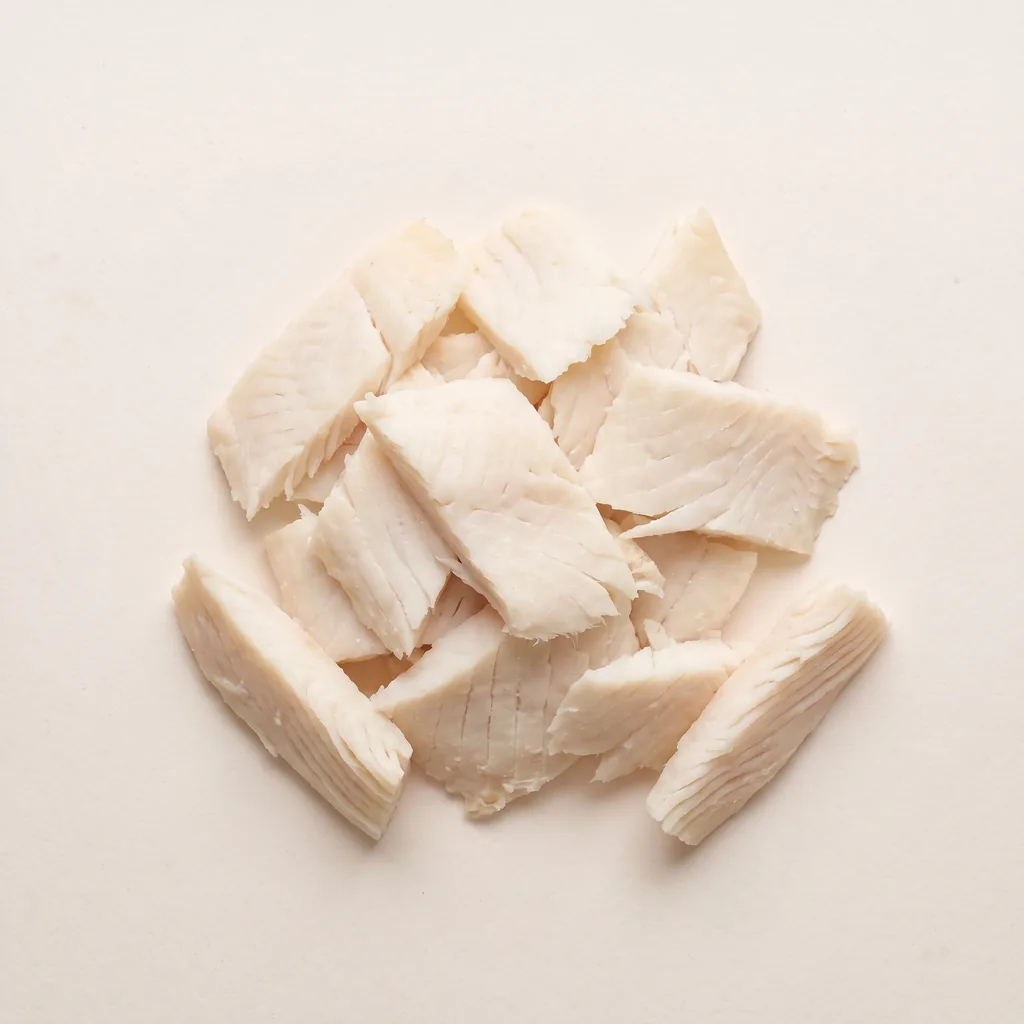
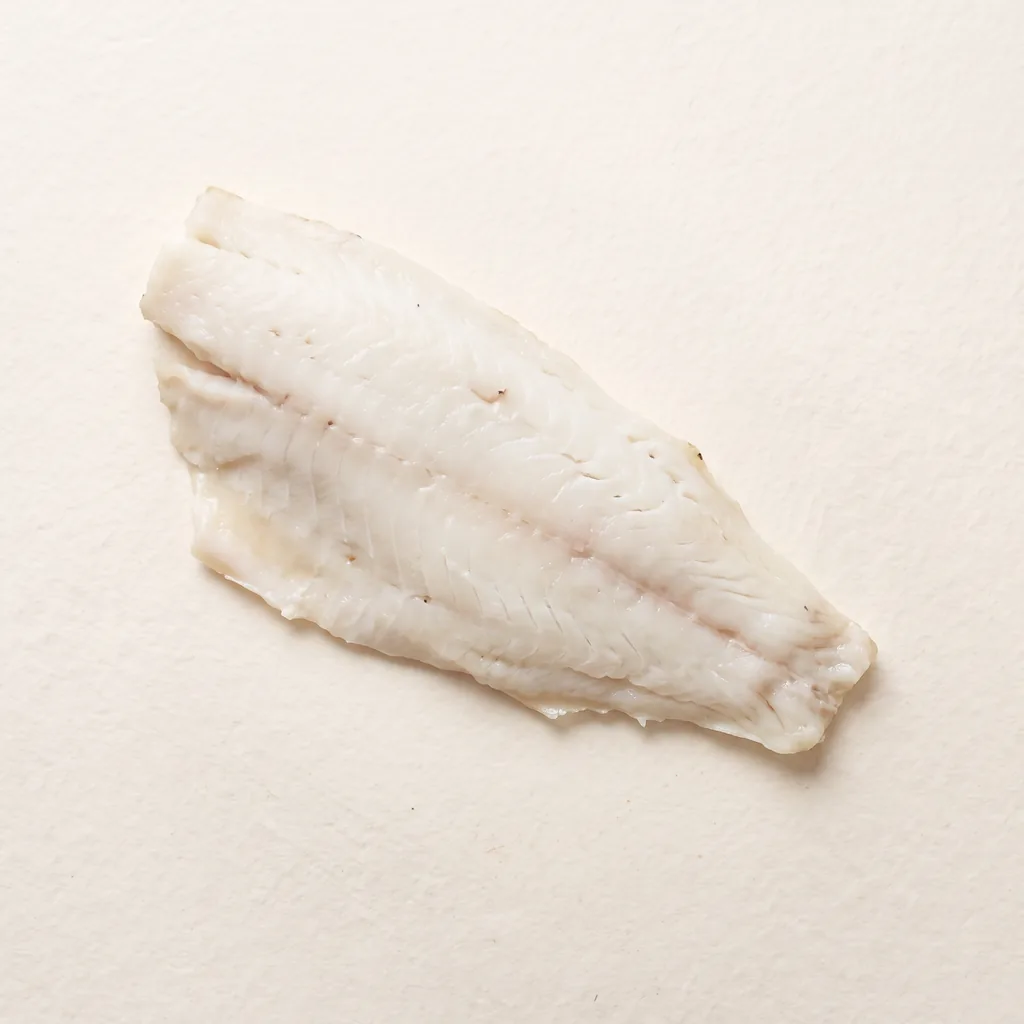
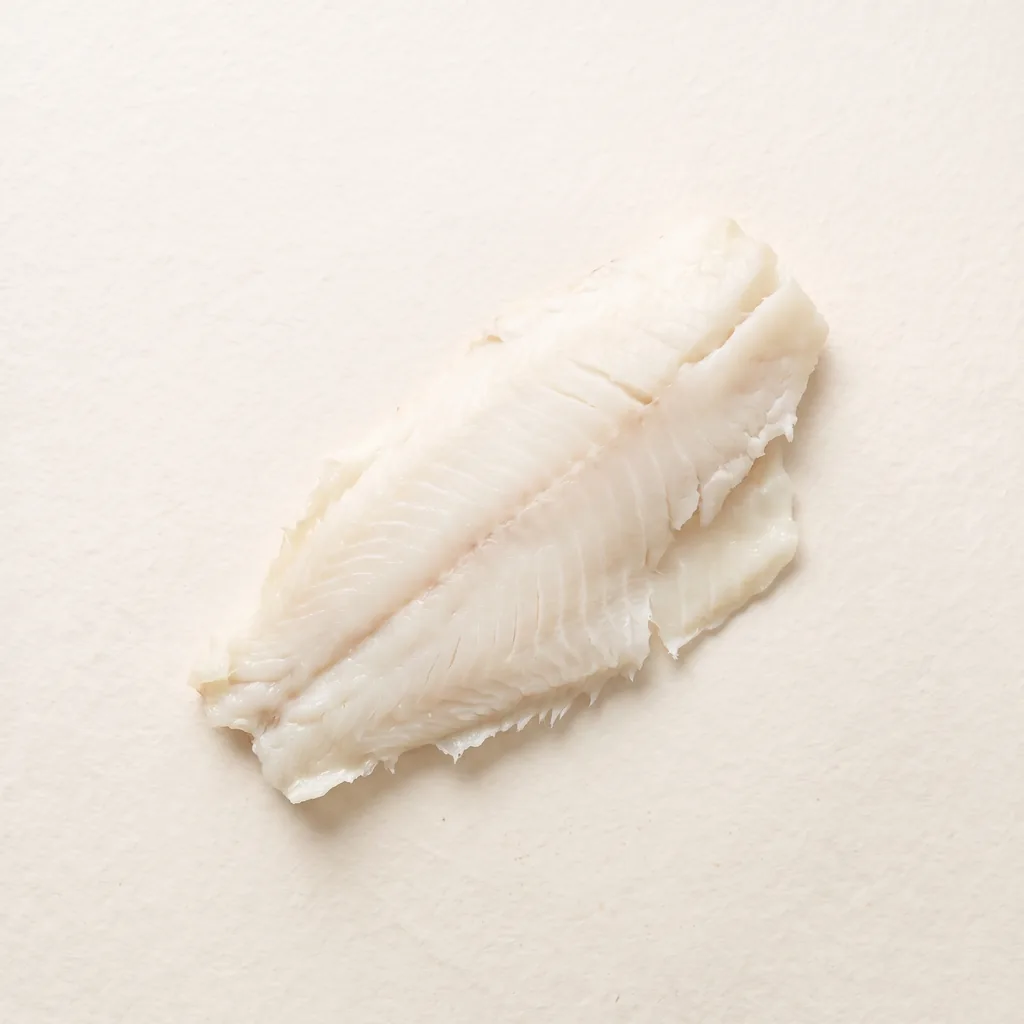
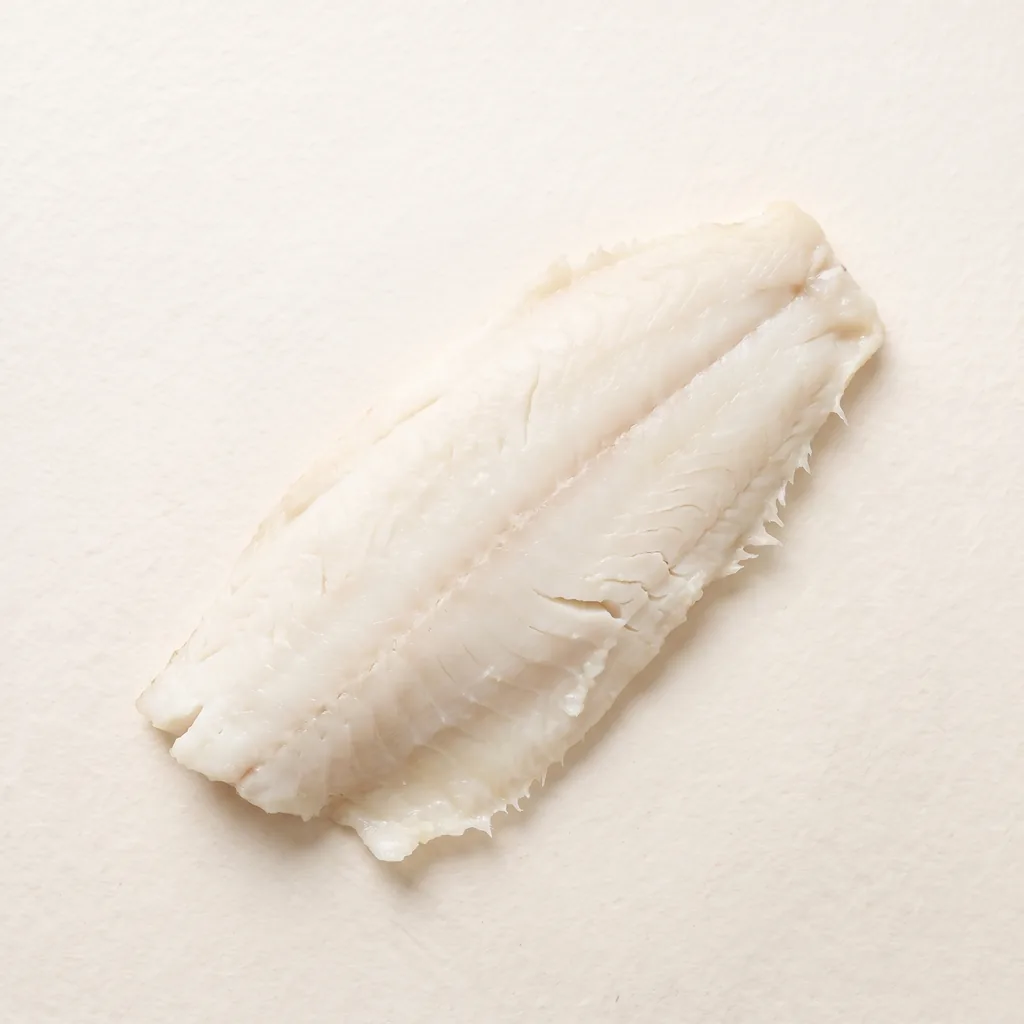
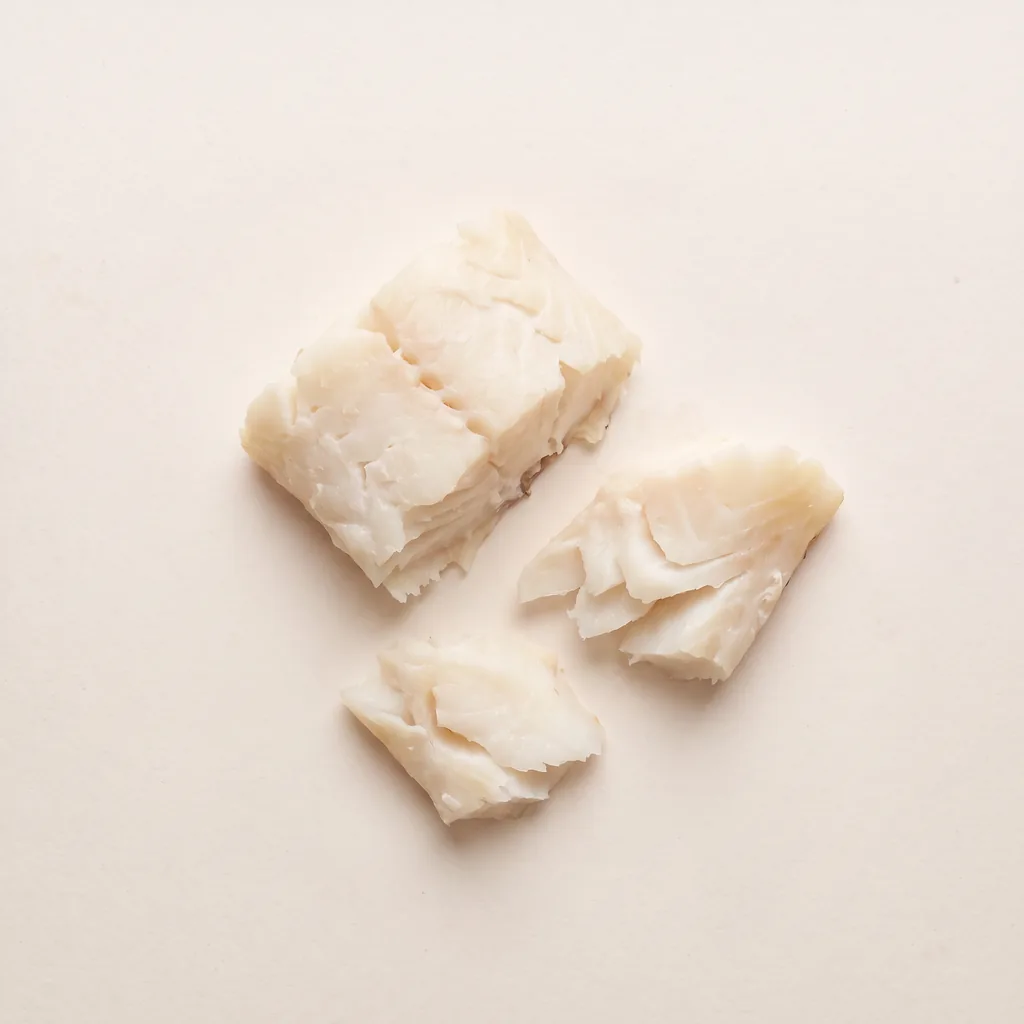
Plaice is a common allergen. The World Health Organization counts finned fish as a Global Priority Allergen. Only about 0.2 percent of people worldwide are thought to be allergic to finned fish, and the rate in children is even lower than in adults. About 40 percent of people with fish allergy have their first reaction as adults. Most people do not outgrow it.
Some people can react by breathing in proteins that become airborne while fish cooks. If this applies to your baby, avoid cooking fish at home while your baby is there.
Around half of people with one fish allergy react to another fish too, because the main allergen, beta-parvalbumin, is found in most fish. Because of cross-contamination and mislabeling risks, allergists often advise people allergic to one fish to avoid all finned fish until they find out which are safe. This advice is personal to each person.
FPIES is a delayed allergy, and finned fish are one of its known triggers. It shows up as repeated vomiting and diarrhea a few hours after eating and can cause dehydration if untreated. Fish FPIES can start later in life and usually lasts for life.
Scombroid poisoning is sometimes mistaken for fish allergy. It happens when histamine builds up in fish that was not kept cold enough, and it mimics allergy symptoms. Keeping fish cold enough lowers the risk.
If you suspect your baby is allergic to fish, ask an allergist before offering plaice. Give a small amount the first time and watch closely while your baby eats. If there is no reaction, increase the portion. After you introduce common allergens successfully, keep offering them about twice a week if you can. You do not need to offer every fish species several times a week, because finned fish share the same main proteins, so you can rotate species.
If a reaction happens
If you see swelling of the lips, face or tongue, trouble breathing, widespread hives or repeated vomiting, stop feeding and call for emergency help right away.