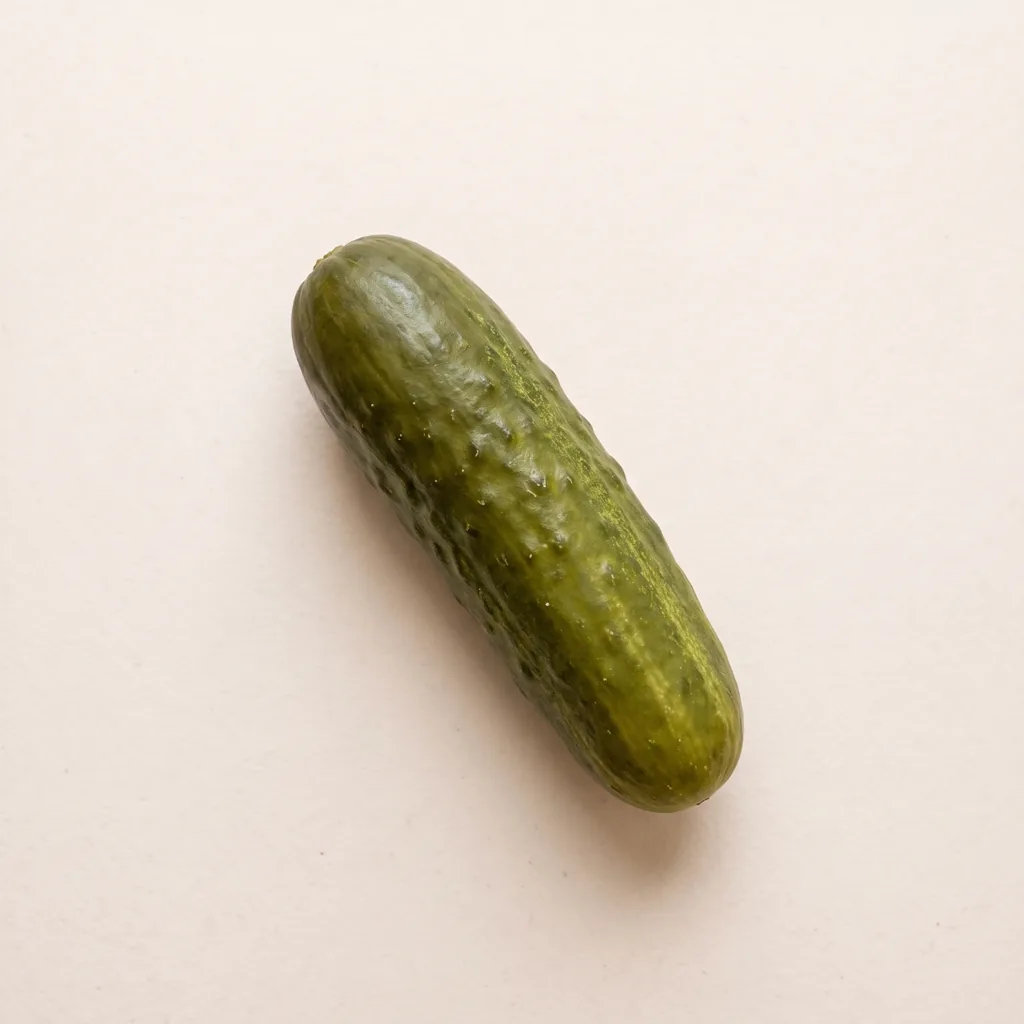
6 monthsMash
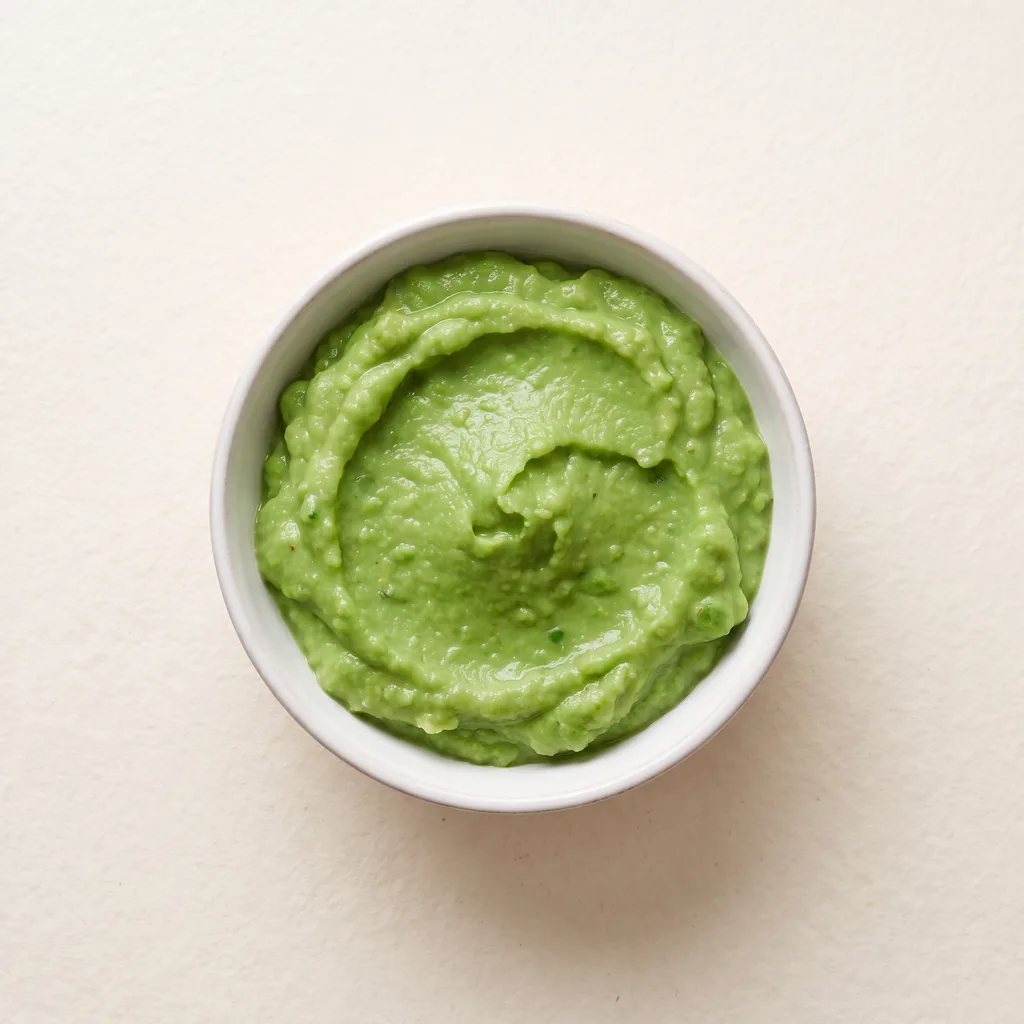
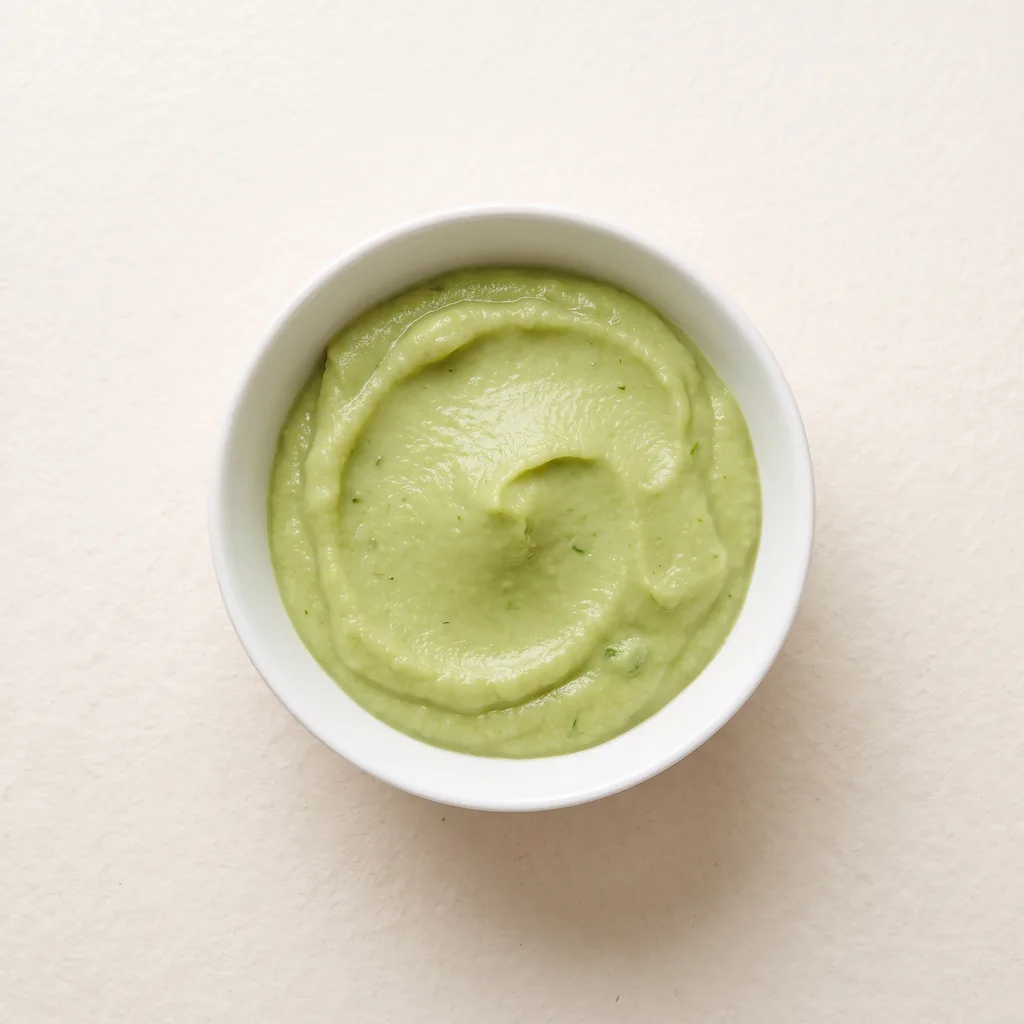
Cut: Smooth puree
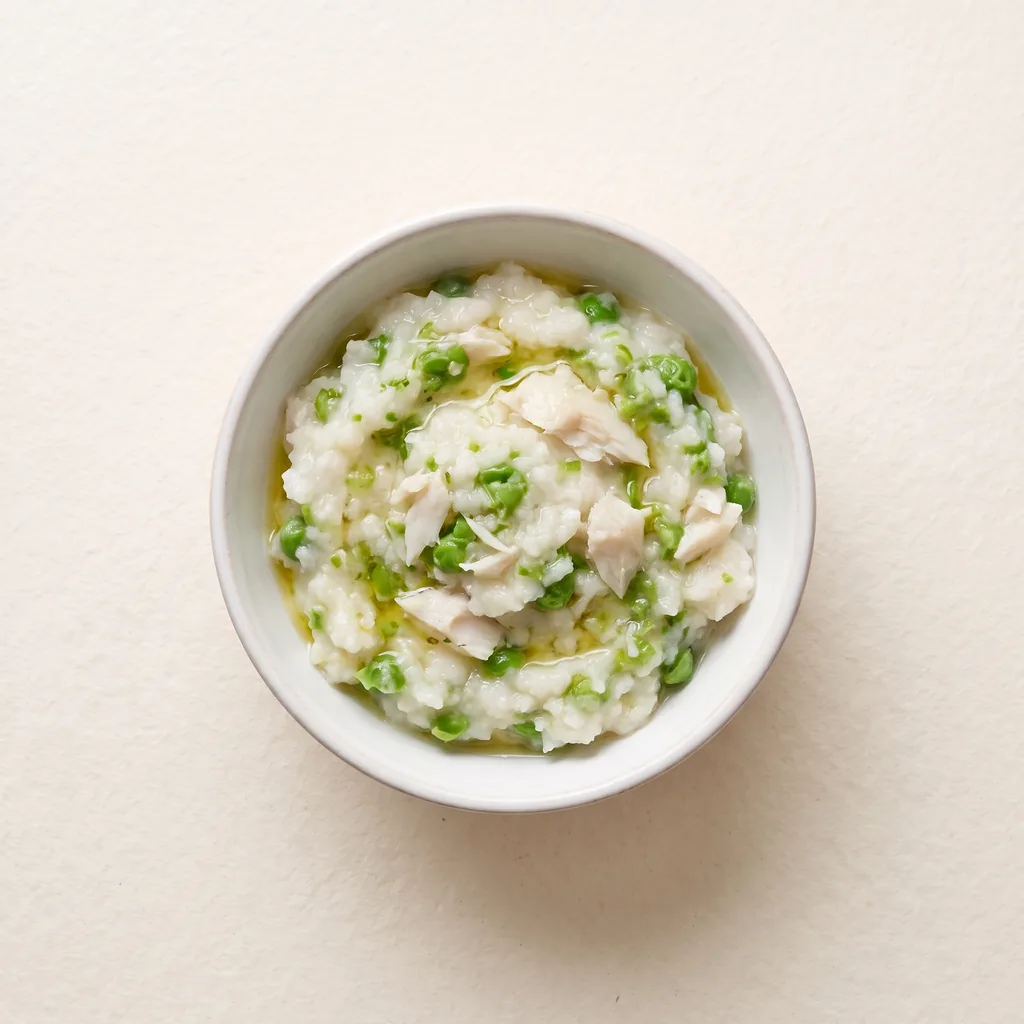
Mash cooked peas until smooth and serve them alone or spread on toast. You can also share the peas from the family meal. Just press them flat with a fork before serving. Whole, loose peas carry a choking risk.
Uzm. Dyt. Berk AysanPrepared the latest update, November 14, 2026
Lokmini is not a healthcare provider and does not offer health services. For your baby's specific needs, talk to your doctor or a dietitian.
You can offer peas, cooked until well softened, once your baby is about 6 months old and developmentally ready for solids. Whole, round peas can be a choking risk, so serve them mashed, especially in the early months.
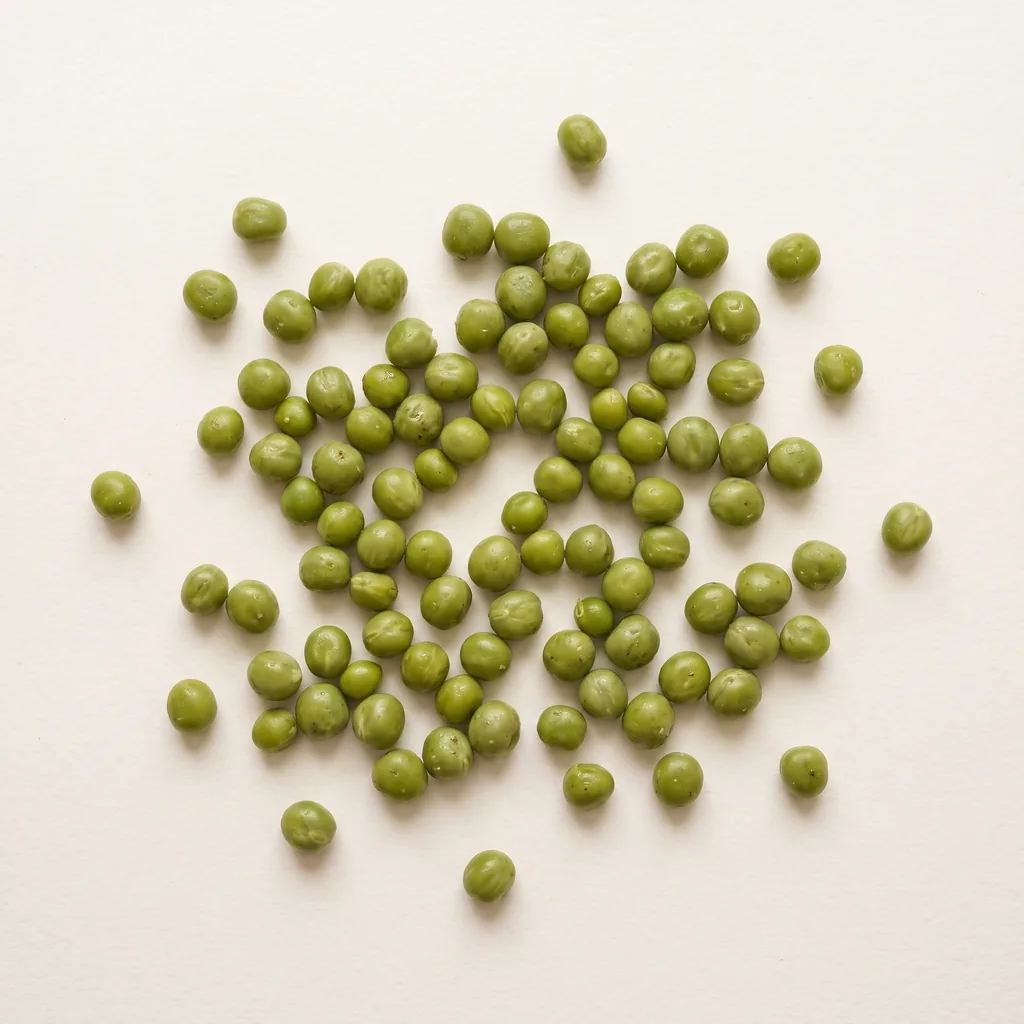
Peas belong to the same large legume family as lentil, chickpea, soy and peanut. You can find them fresh, frozen or canned. Frozen peas can be used too, cooked properly. If you choose canned peas, pick types with no added salt.
Peas contain carbohydrates, fiber and plant protein. They have more protein and fiber than many vegetables. They also supply folate, vitamins B1, B6, C and K, and zinc, iron, potassium and manganese.
Peas also contain natural plant compounds such as carotenoids and phenolic compounds. The amounts can vary with the variety, ripeness and preparation of the peas.
Whole peas
Whole, loose peas are a choking risk. Before 12 months, serve them mashed or flattened.
Also known as: bahçe bezelyesi, bezelye, dondurulmuş bezelye, taze bezelye
6 monthsMash
Cut: Smooth puree
Mash cooked peas until smooth and serve them alone or spread on toast. You can also share the peas from the family meal. Just press them flat with a fork before serving. Whole, loose peas carry a choking risk.
9 monthsMash
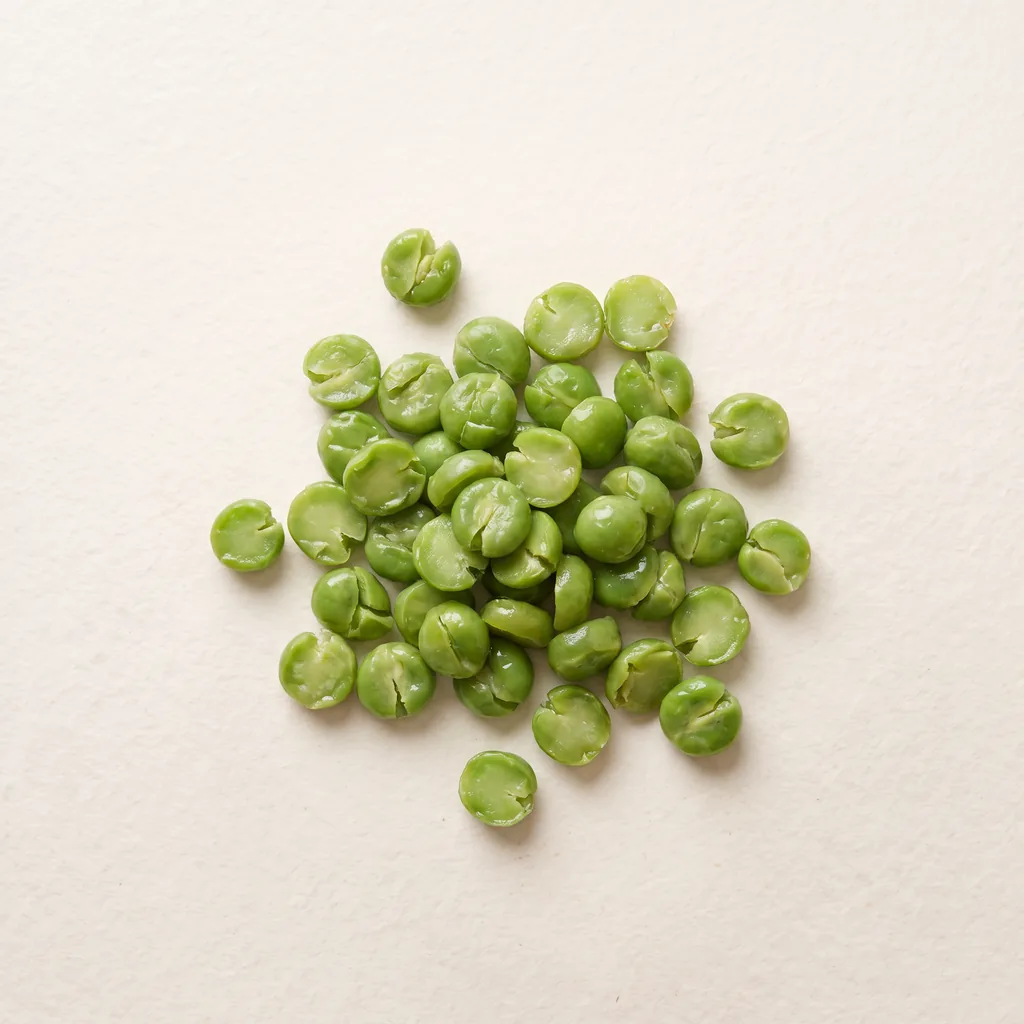
Cut: Flattened
Press peas flat using the underside of a fork and offer them as finger food. Putting them straight on the high chair tray instead of in a bowl makes it harder for your baby to shovel in several at once.
12 monthsCube
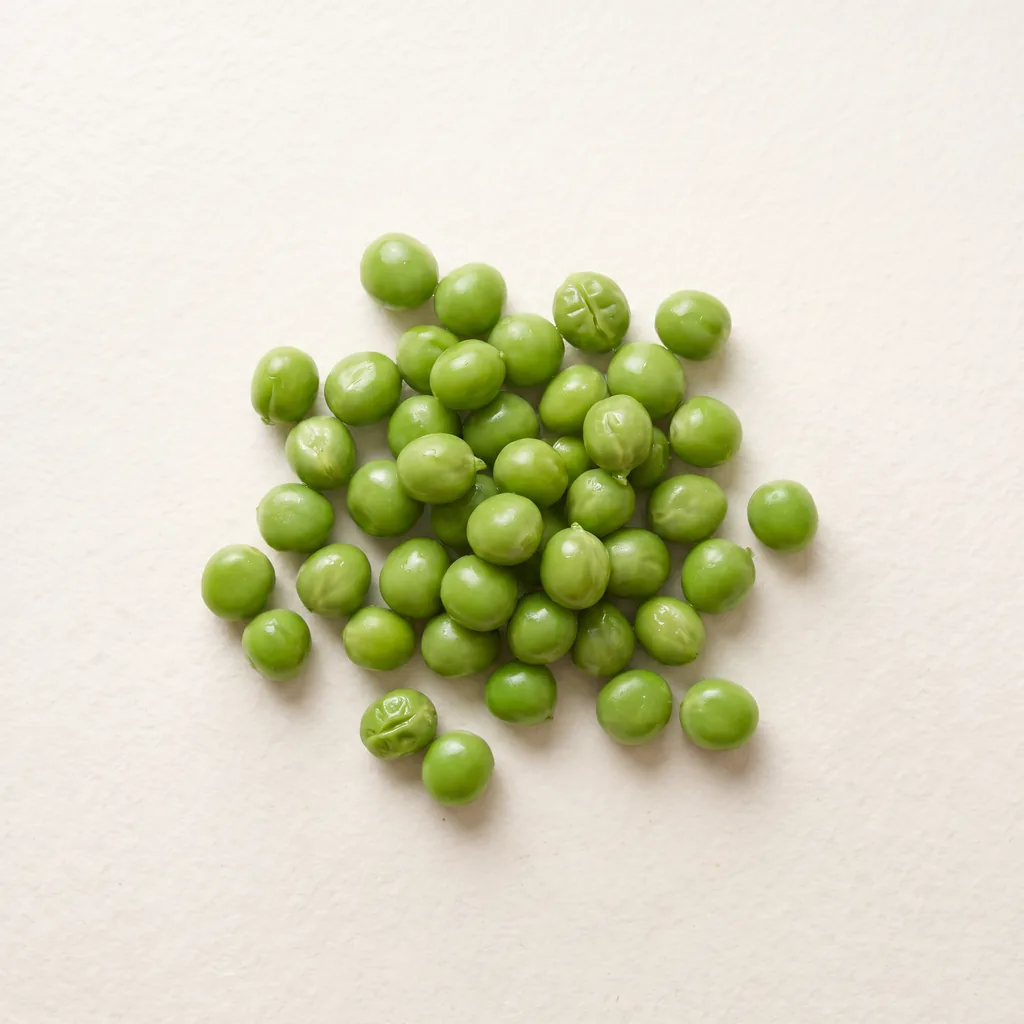
Cut: Flattened
Keep pressing peas flat with a fork before serving. Whole, loose peas are tiny and round, so they are not served until age 4. Start by offering them alone as finger food. As skills improve, encourage your child to spear the flattened peas with a fork.
Peas are small and round, and sometimes firm. They can be a choking risk, especially when served whole.
Cook peas until well softened. From about 6 months, you can serve them mashed, or press each pea flat with a fork. When your baby starts picking up small pieces with their fingers, usually around 9 months, you can let them feed themselves soft, flattened peas.
There is no set age for moving on to whole peas. Keep mashing or flattening them until your child's chewing and swallowing skills are well developed.
Make sure your baby sits upright during meals, and stay beside them, within arm's reach.
FPIES warning
It is one of the known triggers of FPIES (a delayed-onset food allergy). In this condition, repeated severe vomiting, pallor and lethargy may occur, usually 1-4 hours after the food is eaten. Diarrhea may appear later. These symptoms require urgent medical evaluation.
Peas are not among the common food allergens. But allergic reactions to peas and to products containing pea protein can happen. Pea protein is used more and more in processed foods.
Peas belong to the same legume family as lentil, chickpea, soy and peanut. Some people allergic to one of these foods may also react to peas. But being allergic to one legume does not mean being allergic to all of them.
Allergic reactions to products with concentrated pea protein have been reported, especially in some people with peanut allergy. If your baby has a known legume allergy, talk to a pediatric allergist before introducing peas or products with pea protein isolate.
Peas can also trigger a delayed food allergy called FPIES. In FPIES, repeated vomiting usually starts 1 to 4 hours after eating the food. Some babies develop diarrhea that starts later, pale skin and marked tiredness. Severe cases can lead to fluid loss. Many children with FPIES develop tolerance to the food over time, but this differs from child to child.
Some people with pollen allergy may have cross-reactions to peas. Signs such as itching, tingling or burning in the mouth can appear. These reactions are usually mild, but a serious allergic reaction cannot be ruled out completely.
When you give peas for the first time, start with a small amount and watch your baby. If allergy signs appear, stop giving them and get medical advice. If there are serious signs such as repeated severe vomiting, marked tiredness, trouble breathing, swelling of the tongue or throat, or loss of consciousness, call emergency services right away.
Favism
If G6PD deficiency or favism runs in the family, talk to your doctor before offering peas.
Join Lokmini to learn how this food is served at each age and to keep track of every food your baby tries.
Lokmini builds a day-by-day plan for your baby's age. Leave your email for new guides and our newsletter.
Start Your Journey