Skip to content

Uzm. Dyt. Berk AysanPrepared the latest update, November 14, 2026

Lokmini is not a healthcare provider and does not offer health services. For your baby's specific needs, talk to your doctor or a dietitian.

  • Fruits
  • 6 mo+
  • Medium choking risk

Persimmon for babies: when to start

Persimmon (Diospyros kaki) can be offered once your baby is about 6 months old and ready for solids. At first, choose fruit that is fully ripe and soft, with the seeds removed.

  • Potassium
  • Vitamin A
  • Vitamin B6
  • Vitamin C
  • Vitamin E
  • Vitamin K
Persimmon prepared for a baby

About persimmon

Persimmon comes from Asia. It is a sweet fruit that grows in shades of orange and red. The best known kinds are Fuyu and Hachiya. Fuyu can be sweet even while still firm. Hachiya should be eaten only once it is fully ripe and soft. Some unripe kinds can leave a puckering, dry feel in the mouth because of their tannins.

Nutrition

Persimmon contains water, carbohydrates and fiber. In particular, it provides carotenoids that are vitamin A precursors, vitamin C, potassium and manganese. It also contains plant compounds with antioxidant properties, such as beta-carotene, lutein and zeaxanthin.

Are Persimmon and Dates the Same Fruit?

Persimmon (kaki) is a different fruit from the date (Phoenix dactylifera), which grows on the date palm. Dried persimmon has had its water reduced, so it is denser and harder to chew. Do not offer it to babies in hard or sticky dried pieces.

Also known as: kaki, trabzon hurması, hurma ayvası, persimmon, hachiya, fuyu

  • Gluten-free
  • Vegan

How to prepare it by age

6 monthsMash or slice
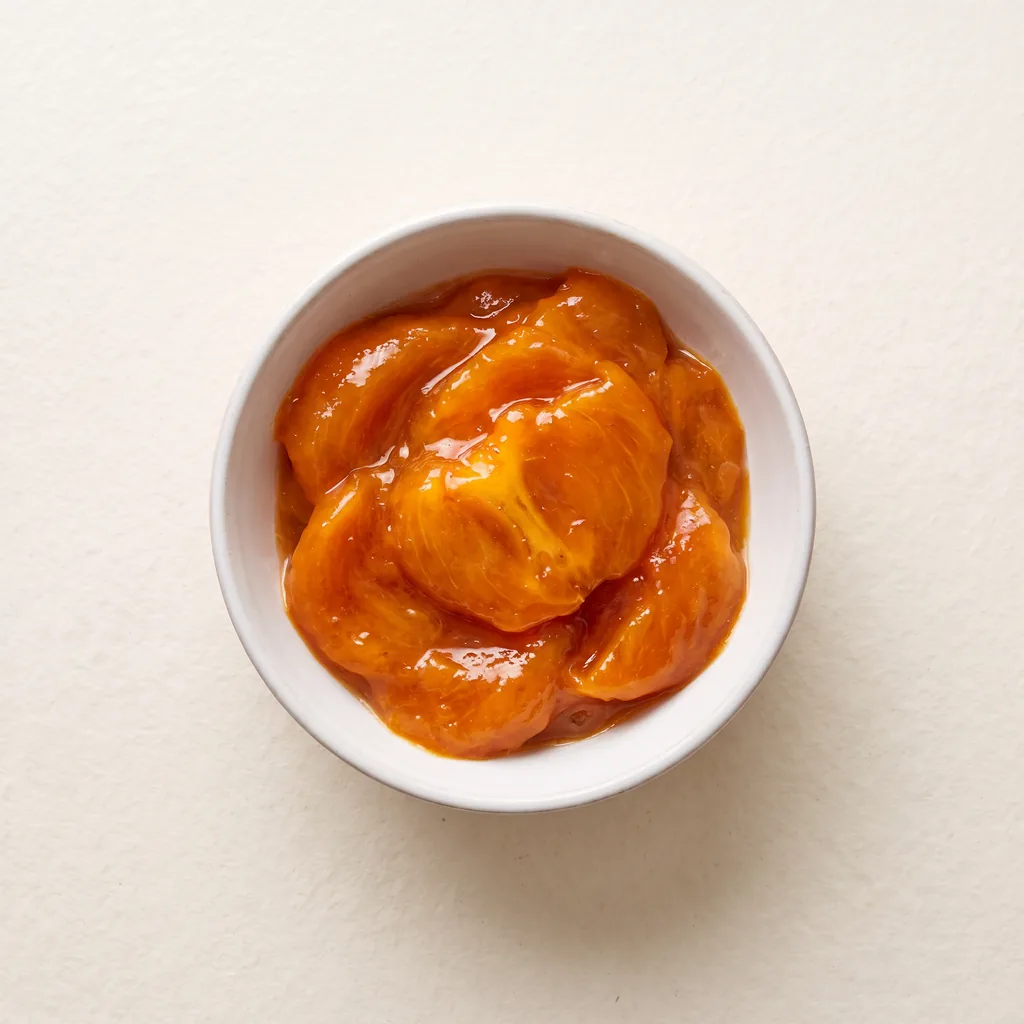
Persimmon prepared for 6 months

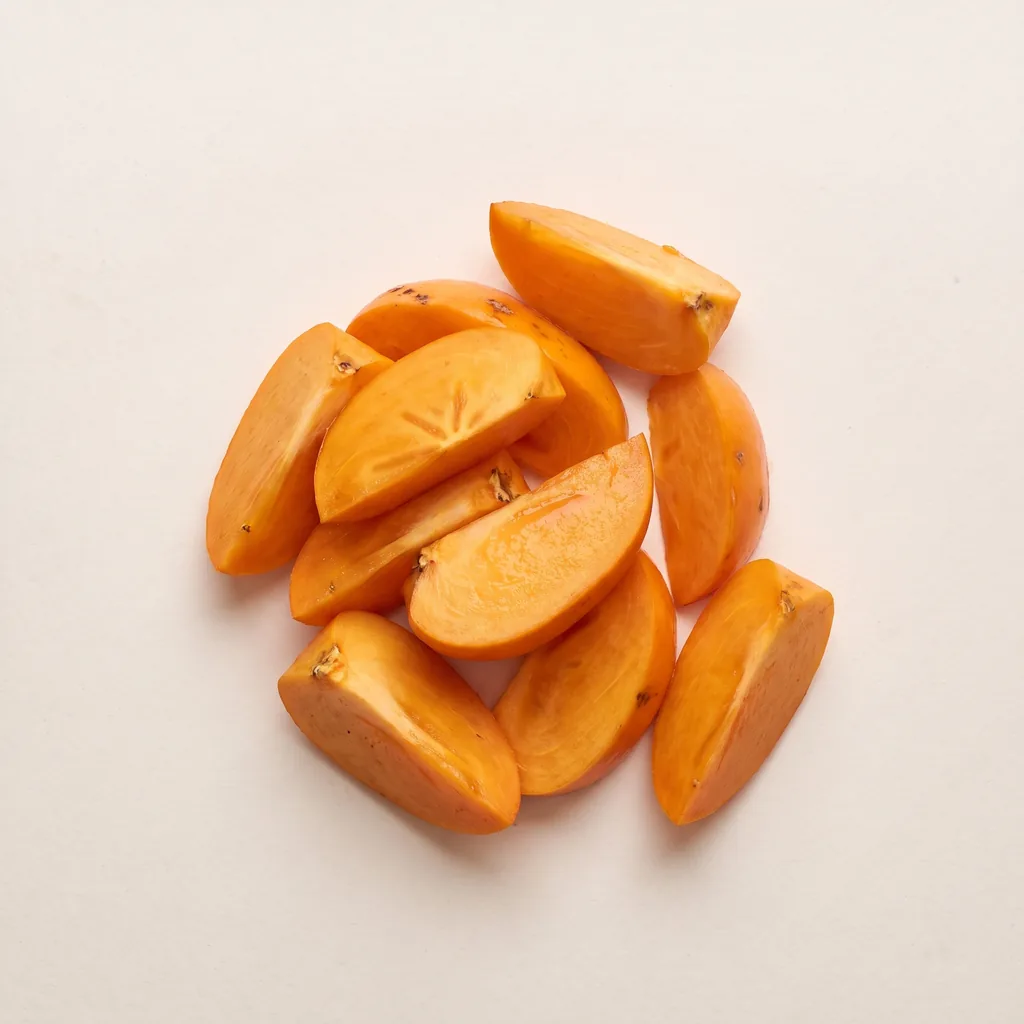
Wait until a heart-shaped persimmon (Hachiya) is very ripe and feels mushy to the touch. Halve it, spoon the flesh out of the skin and serve in a bowl. Your baby can eat it by hand or from a pre-loaded spoon. Let firm kinds such as Fuyu over-ripen until they squash under light pressure, remove the seeds and offer a large wedge. If you like, cook halves until a fork pierces them easily.

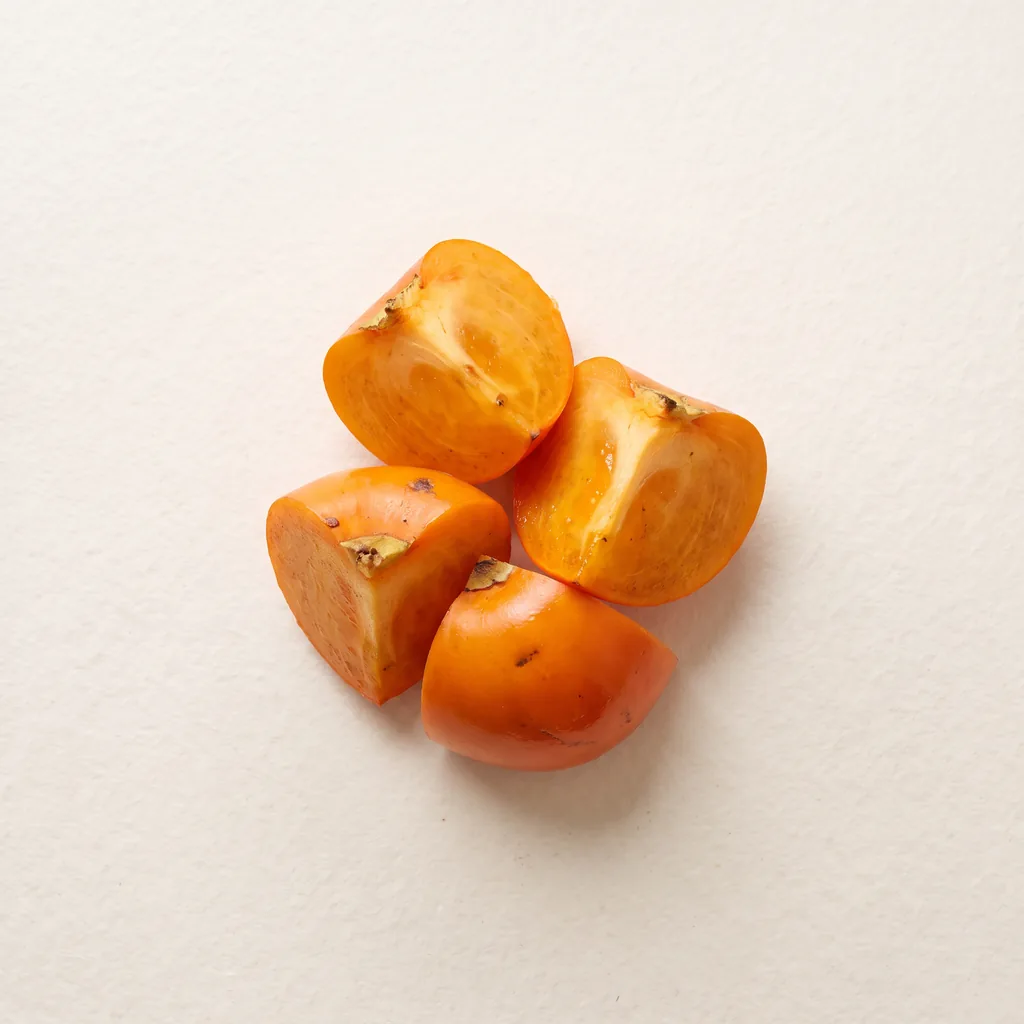
Cut: Thick wedge

Remove the seeds from a very soft persimmon and cut a large, thick wedge. The wedge should squash easily under light pressure. If it is still firm, soften it by cooking.
9 monthsCube

Persimmon prepared for 9 months

Let Hachiya ripen until custardy, halve it and let your child try scooping with a spoon. Leave Fuyu out on the counter until it yields like a ripe pear, peel if you like, halve and remove seeds if needed. You may serve it in small pieces, quarters, halves, thin rounds, or whole, with the skin on or off. If your baby chews the skin and spits it out, it is normal and helps chewing skills.

12 monthsSlice

Persimmon prepared for 12 months

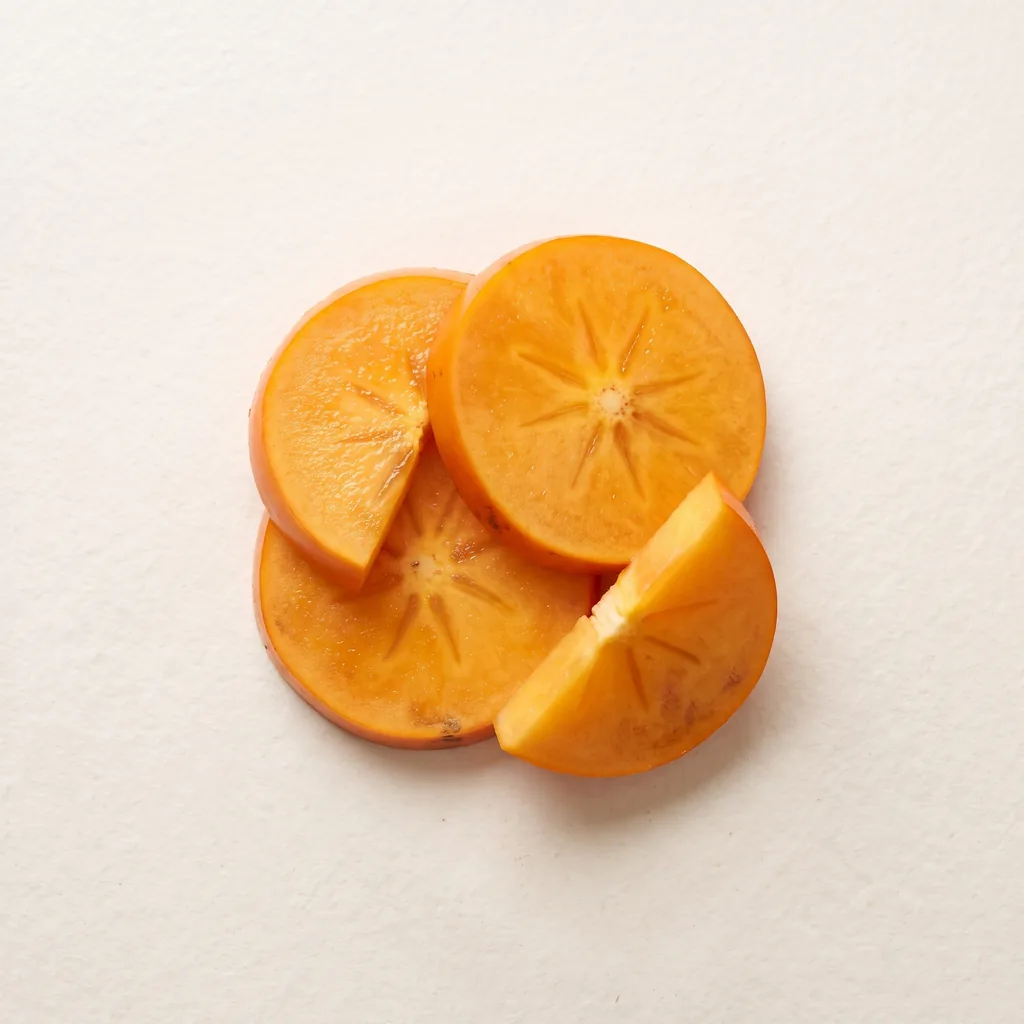
Offer ripe, soft persimmon as quarters, thin rounds or halves. Remove the seeds. If your child struggles with the skin, peel it or peel it in stripes and leave some on. Give a whole fully ripe Hachiya only when you trust your child's eating skills, after 18 months, and stay close.

Choking risk

  1. Low
  2. Medium
  3. High

Persimmon can pose a choking risk for babies, especially when it is firm and slippery. Some kinds can stay firm even when ripe. To lower the risk, choose very soft fruit that squashes easily between your fingers. Always remove the tough stem, the leaves and the seeds. Serve the fruit mashed or sliced to suit your baby's age and chewing skills. Your baby should sit upright for the whole meal and stay under your constant watch.

Allergen information

Persimmon is not a common food allergen, but it can rarely cause allergic reactions. Cross-reactions can happen in some people, especially those with birch pollen or latex allergy. In pollen food allergy syndrome, the mouth may itch, tingle or swell slightly. Peeling and cooking the fruit can lessen symptoms in some people, but it does not reliably stop an allergic reaction. When you give your baby persimmon for the first time, start with a small amount and watch how they react. If no symptoms develop, you can increase the amount at later meals. If hives, lip swelling or repeated vomiting develop, stop giving it and see a health professional. If your baby has trouble breathing, call emergency services right away.

Frequently asked questions

What age can babies eat persimmon?

Persimmon (Diospyros kaki) can be offered once your baby is about 6 months old and ready for solids. At first, choose fruit that is fully ripe and soft, with the seeds removed.

Is persimmon a common allergen?

Persimmon is not a common food allergen, but it can rarely cause allergic reactions. Cross-reactions can happen in some people, especially those with birch pollen or latex allergy. In pollen food allergy syndrome, the mouth may itch, tingle or swell slightly. Peeling and cooking the fruit can lessen symptoms in some people, but it does not reliably stop an allergic reaction. When you give your baby persimmon for the first time, start with a small amount and watch how they react. If no symptoms develop, you can increase the amount at later meals. If hives, lip swelling or repeated vomiting develop, stop giving it and see a health professional. If your baby has trouble breathing, call emergency services right away.

How do you prepare persimmon for babies?

For a 6-month-old: Wait until a heart-shaped persimmon (Hachiya) is very ripe and feels mushy to the touch. Halve it, spoon the flesh out of the skin and serve in a bowl. Your baby can eat it by hand or from a pre-loaded spoon. Let firm kinds such as Fuyu over-ripen until they squash under light pressure, remove the seeds and offer a large wedge. If you like, cook halves until a fork pierces them easily.

Is persimmon a choking hazard for babies?

Persimmon can pose a choking risk for babies, especially when it is firm and slippery. Some kinds can stay firm even when ripe. To lower the risk, choose very soft fruit that squashes easily between your fingers. Always remove the tough stem, the leaves and the seeds. Serve the fruit mashed or sliced to suit your baby's age and chewing skills. Your baby should sit upright for the whole meal and stay under your constant watch.

Why does persimmon dry out the mouth?

Unripe persimmon can leave a dry, puckering feel in the mouth because of its tannins. This effect fades as the fruit ripens. Do not give your baby astringent kinds, especially Hachiya, until they are fully soft.

Does persimmon cause digestive problems?

It is usually well tolerated in suitable portions. But eating too much can cause gas or tummy upset in some babies. Eating too much persimmon, especially unripe fruit rich in tannins, has rarely been linked to hard masses in the stomach called bezoars. This is very rare in children.

Can babies have dried persimmon?

The firm, dense texture of dried persimmon can pose a choking risk. Do not give it whole or in hard pieces. If you want to use it in recipes, soften it fully in warm water, puree it and mix it into dishes.
Share:WhatsApp

Want to add this food to your baby's solid food calendar?

Join Lokmini to learn how this food is served at each age and to keep track of every food your baby tries.

Join Lokmini

Starting Solids

When and how to start solids, and what happens in the first week?

Read the guide

Similar foods

Let's get ready for the first bite together

Lokmini builds a day-by-day plan for your baby's age. Leave your email for new guides and our newsletter.

Start Your Journey