Skip to content

Dietitian's view

Pine nut should be given finely ground.

Lokmini is not a healthcare provider and does not offer health services. For your baby's specific needs, talk to your doctor or a dietitian.

  • Tree nuts allergen
  • Nuts and seeds
  • 6 mo+
  • High choking risk

Pine nut for babies: when to start

Pine nuts are the edible seeds taken from the cones of certain pine species. In Mediterranean cooking they are used especially in stuffed vegetables, pilaf and various sauces.

  • Healthy fats
  • Protein
  • Vitamin E
  • Vitamin K
  • Copper
  • Magnesium
Pine nut prepared for a babyAllergen, day 1/3

About pine nut

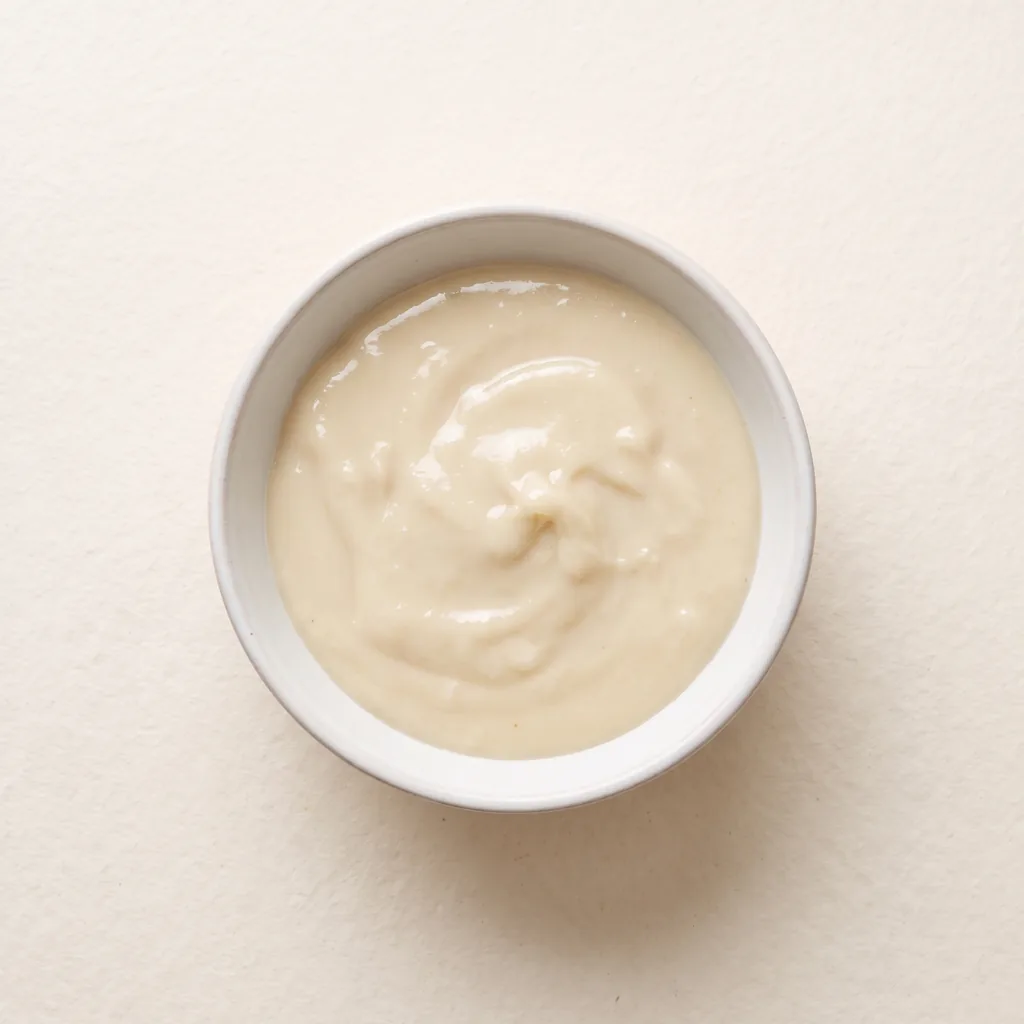
Once your baby is ready for solids, usually around 6 months, you can offer pine nuts fully finely ground or as a thinned, smooth butter.

Whole pine nuts, large pieces and thick butter can pose a choking risk for young children. So it is important to prepare them in a safe texture.

Nutrition

Pine nuts contain unsaturated fats, plant protein and some fiber. They also provide magnesium, phosphorus, zinc, copper, manganese and vitamin E.

Pine nuts also contain vitamin K, iron and some B vitamins. But the amounts of these nutrients should be judged against the portion eaten.

Because iron from plant sources is absorbed to a limited extent, do not count pine nuts as your baby's main iron source.

Whole Pine Nuts Are a Choking Risk

Whole pine nuts or large pieces can block a young child's airway. Serve pine nuts to your baby fully finely ground or as a thinned, smooth butter.

Also known as: çam fıstığı, pignoli, pinyon, pine nut

  • Gluten-free
  • Vegan

Pine nut is offered 3 days in a row

So that any reaction can be linked to the right food, pine nut is offered 3 days in a row and no other new food is tried on those days.

  1. 1/3

    First taste

    Start with a small amount in the morning or around midday. Your baby is watched closely for 5 to 10 minutes after the first bite.

  2. 2/3

    Same food, same calm

    Pine nut is offered again the same way. No other new food is tried today.

  3. 3/3

    Introduction done

    If no reaction was seen, pine nut is now part of your baby's meals. It keeps being offered regularly.

Emergency

If your baby has trouble breathing or swelling of the face or tongue, call 911 (or your local emergency number) right away.

About pine nut allergy

Botanically, the pine nut is the seed of a pine tree. It may be grouped with tree nuts in food allergy assessments, but botanically it is different from classic tree nuts.

Pine nut allergy is relatively rare, but it can cause serious allergic reactions, even anaphylaxis.

Do not assume that a child allergic to pine nuts is also allergic to all tree nuts or to peanuts. Decide which foods are safe together with a pediatric allergist.

Most babies do not need a routine allergy test before pine nuts are introduced. But if your baby has reacted to pine nuts before, has a known serious food allergy or has severe eczema, a doctor's assessment is recommended.

For the first try, offer a small amount of fully ground pine nuts or thinned, smooth butter. If no problems come up, you can increase the amount gradually.

No specific amount or frequency of eating pine nuts has been set to keep pine nut allergy from developing.

If widespread hives, swelling of the lips or tongue, repeated vomiting, wheezing or trouble breathing develop after eating, stop giving it. If you see signs of a serious reaction, call emergency services right away.

If a reaction happens

If you see swelling of the lips, face or tongue, trouble breathing, widespread hives or repeated vomiting, stop feeding and call for emergency help right away.
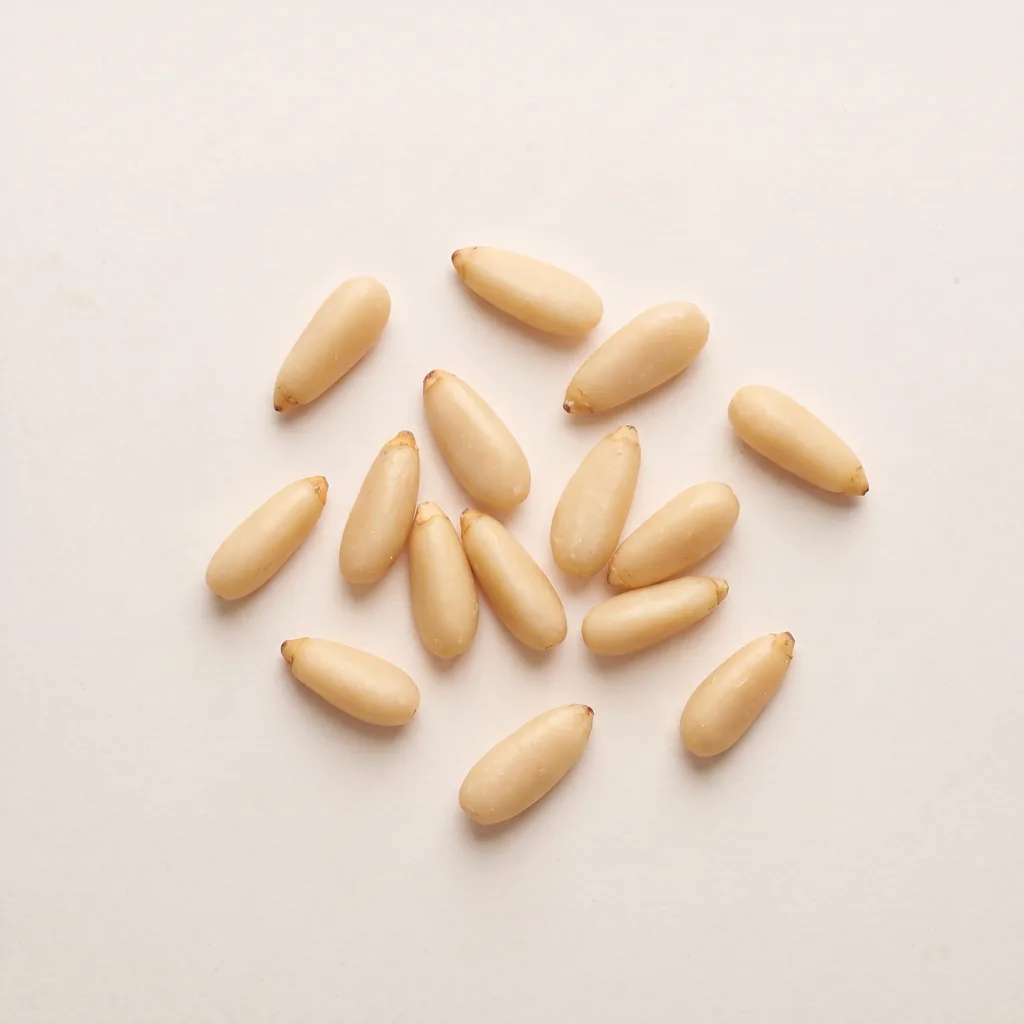
How to prepare it by age

6 monthsMash

Pine nut prepared for 6 months

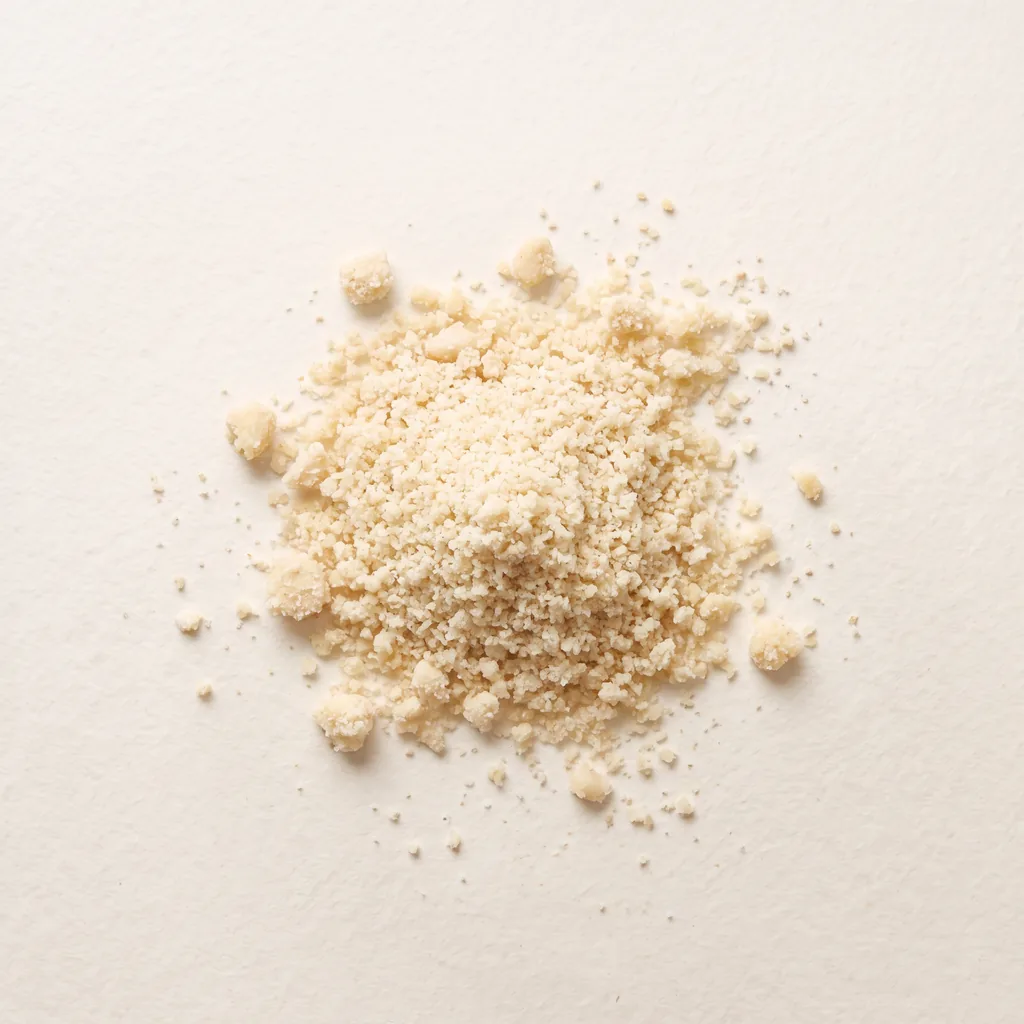
Cut: Ground

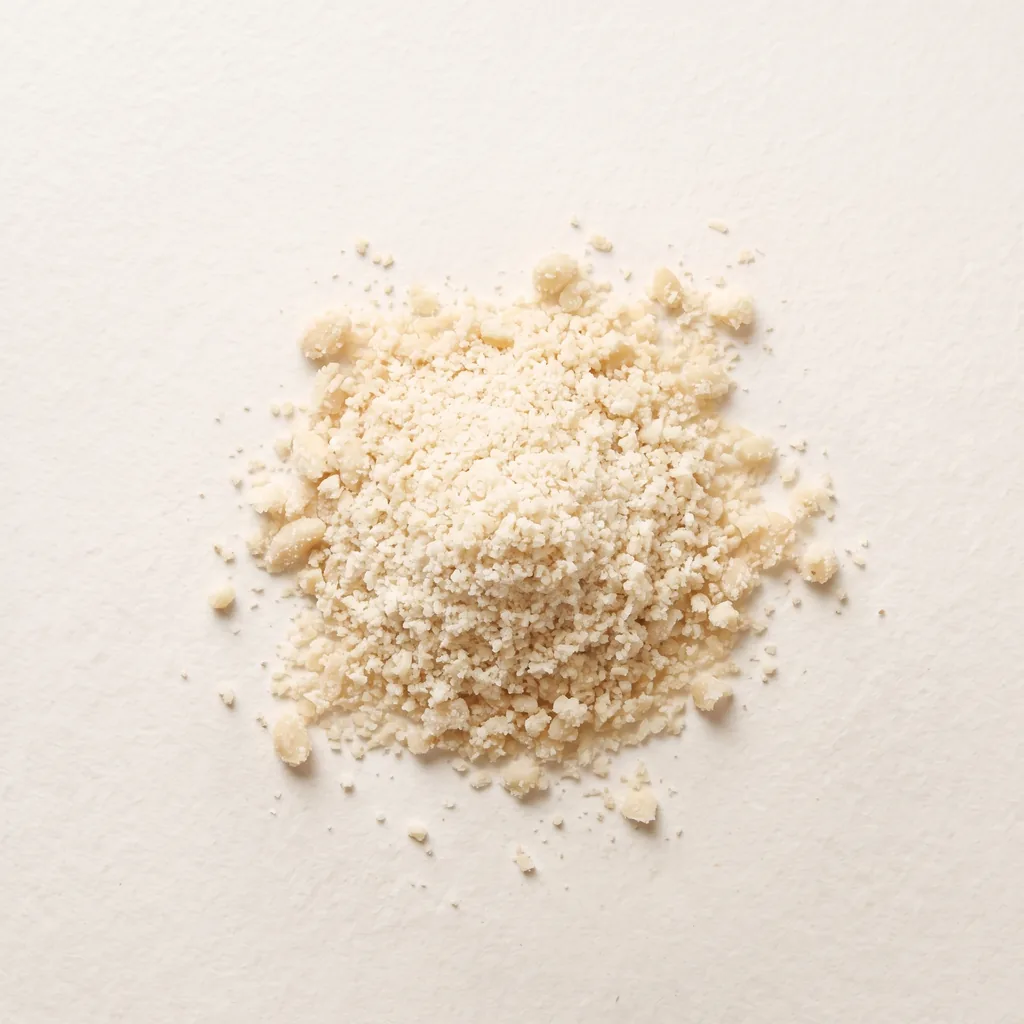
Grind pine nuts into a fine powder in a food processor, with no large bits left. Without a processor, crush them in a cloth with a mortar or hammer. Dust a little of the powder onto warm porridge, yogurt, rice, quinoa, or squash. Rolling slippery foods such as sliced fruit in the powder makes them easier to grip. For butter, run the processor until a paste forms, thin it with water or yogurt to a smooth, non-sticky texture without lumps and spread it very thinly on other foods.

9 monthsMash

Pine nut prepared for 9 months

Cut: Ground

Keep sprinkling ground pine nuts over yogurt, cereal and vegetable purée. Thinned butter can go very thinly on toast strips. Never offer thick butter by the spoon or in lumps.

12 monthsMash

Pine nut prepared for 12 months

Cut: Ground

Keep grinding pine nuts finely. Sprinkle them over rice, pasta, vegetables and yogurt, or spread thinned butter very thinly on toast. Whole or broken pine nuts are not given before age 4.

Choking risk

  1. Low
  2. Medium
  3. High

Because they are small and hard, pine nuts can pose a choking risk for babies and young children.

Do not give whole pine nuts or large pieces. Grind pine nuts completely fine and mix them into moist foods.

Thick pine nut butter can also form a sticky lump in the mouth. Thin the butter enough before serving.

Not giving whole pine nuts to children under 5 years is a safer approach.

Your child should sit upright for the whole meal and stay under your constant watch.

Frequently asked questions

What age can babies eat pine nut?

Pine nuts are the edible seeds taken from the cones of certain pine species. In Mediterranean cooking they are used especially in stuffed vegetables, pilaf and various sauces.

Is pine nut a common allergen?

Botanically, the pine nut is the seed of a pine tree. It may be grouped with tree nuts in food allergy assessments, but botanically it is different from classic tree nuts.

How do you prepare pine nut for babies?

For a 6-month-old: Grind pine nuts into a fine powder in a food processor, with no large bits left. Without a processor, crush them in a cloth with a mortar or hammer. Dust a little of the powder onto warm porridge, yogurt, rice, quinoa, or squash. Rolling slippery foods such as sliced fruit in the powder makes them easier to grip. For butter, run the processor until a paste forms, thin it with water or yogurt to a smooth, non-sticky texture without lumps and spread it very thinly on other foods.

Is pine nut a choking hazard for babies?

Because they are small and hard, pine nuts can pose a choking risk for babies and young children.

Is pine nut counted as a tree nut?

Botanically, it is the seed of a pine tree. But in allergy assessments it may be grouped with tree nuts. A pine nut allergy does not mean an allergy to all tree nuts.

Is a bitter taste in the mouth after eating pine nuts an allergy?

No. Some raw kinds cause pine nut mouth, a temporary bitter or metallic taste. It is not an allergy and can last days to weeks.

Can babies have pine nut butter?

Yes. Once your baby is ready for solids, usually around 6 months, they can have smooth pine nut butter. Thin the butter with water, breast milk or prepared infant formula. Do not give spoonfuls of thick butter.

Prepared by the Lokmini team | Last updated November 19, 2026

Share:WhatsApp

Want to add this food to your baby's solid food calendar?

Join Lokmini to learn how this food is served at each age and to keep track of every food your baby tries.

Join Lokmini

Starting Solids

When and how to start solids, and what happens in the first week?

Read the guide

Similar foods

Let's get ready for the first bite together

Lokmini builds a day-by-day plan for your baby's age. Leave your email for new guides and our newsletter.

Start Your Journey