Skip to content

Dietitian's view

You can give sesame ground and gradually.

Lokmini is not a healthcare provider and does not offer health services. For your baby's specific needs, talk to your doctor or a dietitian.

  • Sesame allergen
  • Nuts and seeds
  • 6 mo+
  • Medium choking risk

Sesame for babies: when to start

Sesame is a plant grown for its oil-rich seeds. Its origins are thought to trace back to Africa and South Asia. In Turkish cooking it is widely used in tahini, simit (a Turkish bread ring), bread and many baked goods.

  • B vitamins
  • Folate
  • Copper
  • Magnesium
  • Calcium
  • Iron
Sesame prepared for a babyAllergen, day 1/3

About sesame

You can add sesame to your baby's diet once your baby is ready for solids, usually around 6 months.

Sesame is a major food allergen. Start with a small amount the first time, and for safe eating choose ground sesame or thinned tahini.

Nutrition

Sesame is rich in unsaturated fats, protein and fiber. It also contains calcium, iron, zinc, copper, magnesium, phosphorus and B vitamins.

Phytates and other compounds in sesame can reduce the absorption of some minerals. For this reason, sesame should not be seen as a food that can meet your baby's iron or zinc needs on its own.

Grinding sesame breaks up the seeds and can make it easier to get the nutrients.

Also known as: susam, susam tohumu, tahin, susam ezmesi, humus

  • Gluten-free
  • Vegan

Sesame is offered 3 days in a row

So that any reaction can be linked to the right food, sesame is offered 3 days in a row and no other new food is tried on those days.

  1. 1/3

    First taste

    Start with a small amount in the morning or around midday. Your baby is watched closely for 5 to 10 minutes after the first bite.

  2. 2/3

    Same food, same calm

    Sesame is offered again the same way. No other new food is tried today.

  3. 3/3

    Introduction done

    If no reaction was seen, sesame is now part of your baby's meals. It keeps being offered regularly.

Emergency

If your baby has trouble breathing or swelling of the face or tongue, call 911 (or your local emergency number) right away.

About sesame allergy

Allergen status

Sesame is counted as a common allergen by the World Health Organization. Studies in Southwest Asia and North Africa found it a frequent cause of anaphylaxis. It is the third most common food allergen in Israel and the ninth in the United States.

Start small, for example 1/8 teaspoon of tahini stirred into applesauce. If there is no reaction in the first few servings, increase gradually. If allergy runs in the family or there are risk factors such as eczema, ask your pediatrician or an allergist first.

How to prepare it by age

6 monthsMash or strip
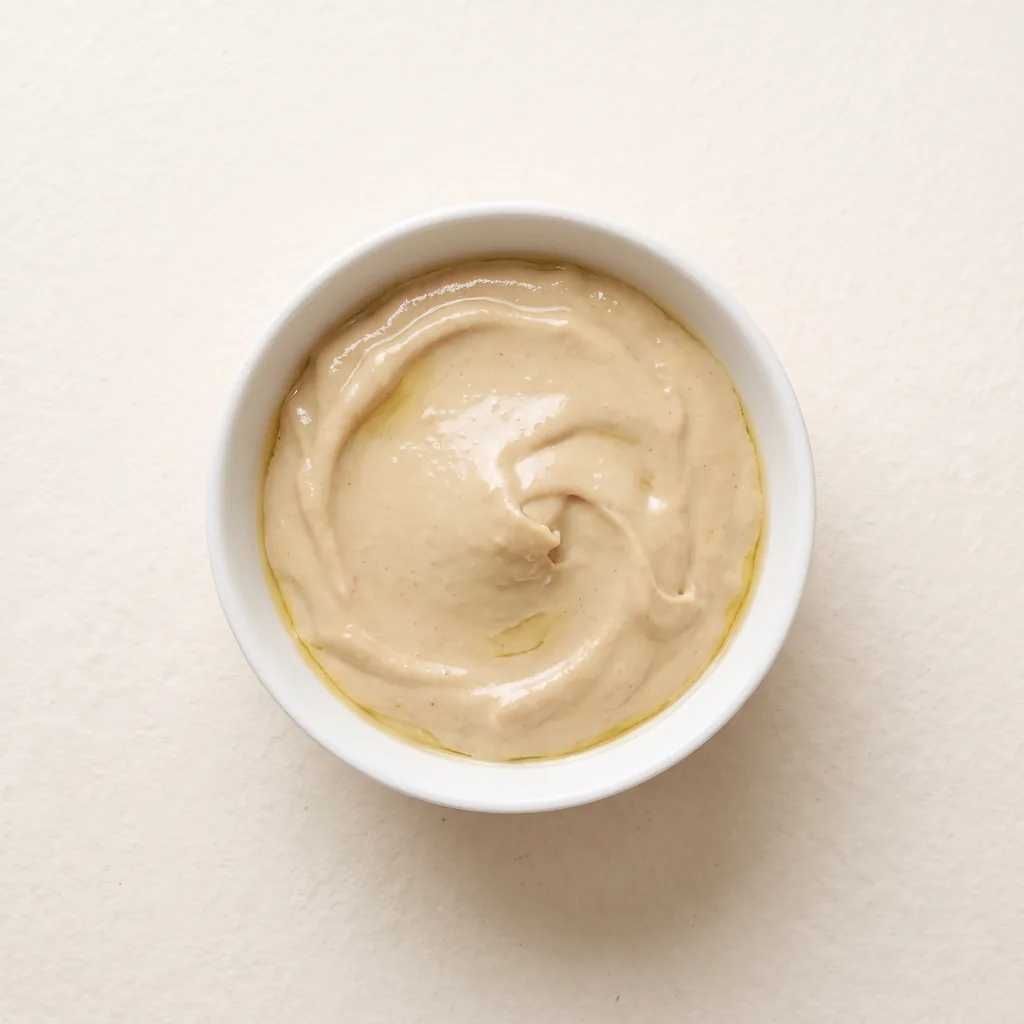
Sesame prepared for 6 months

Cut: Ground

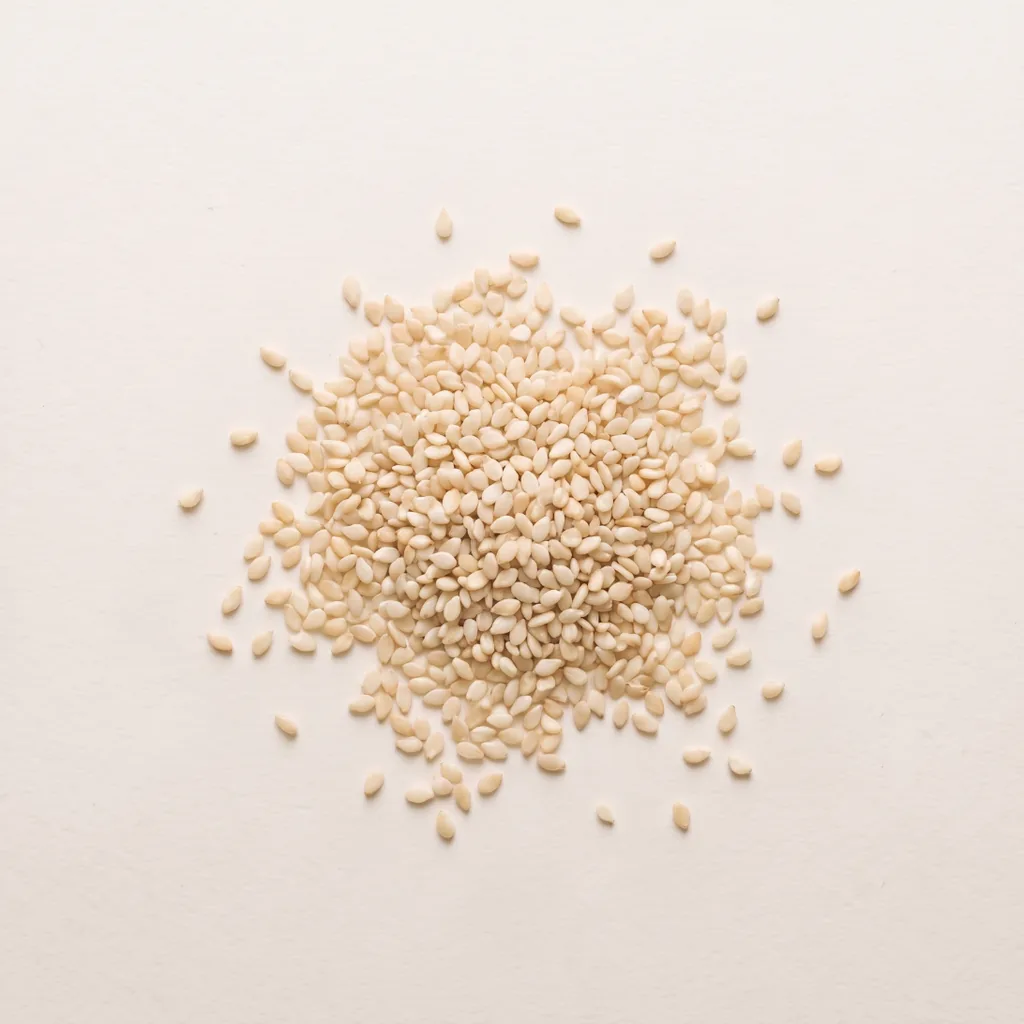
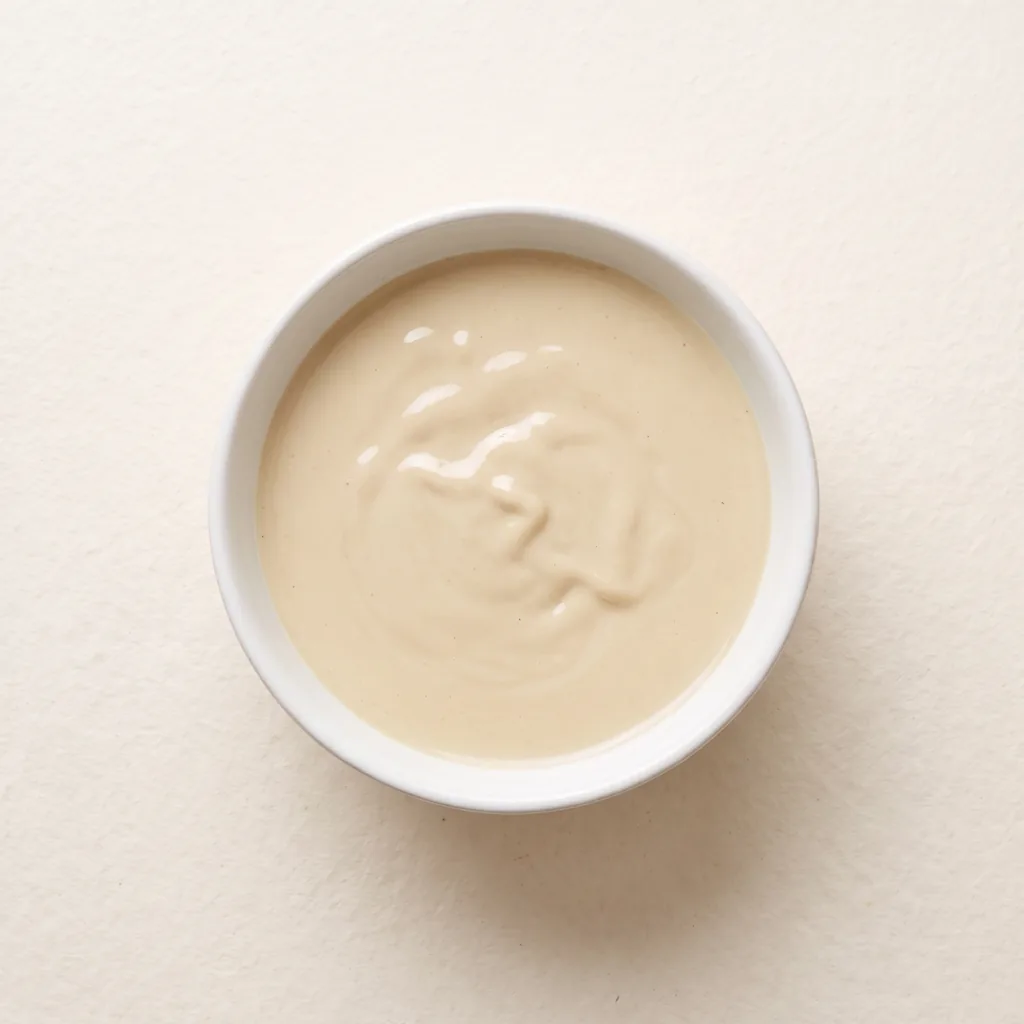
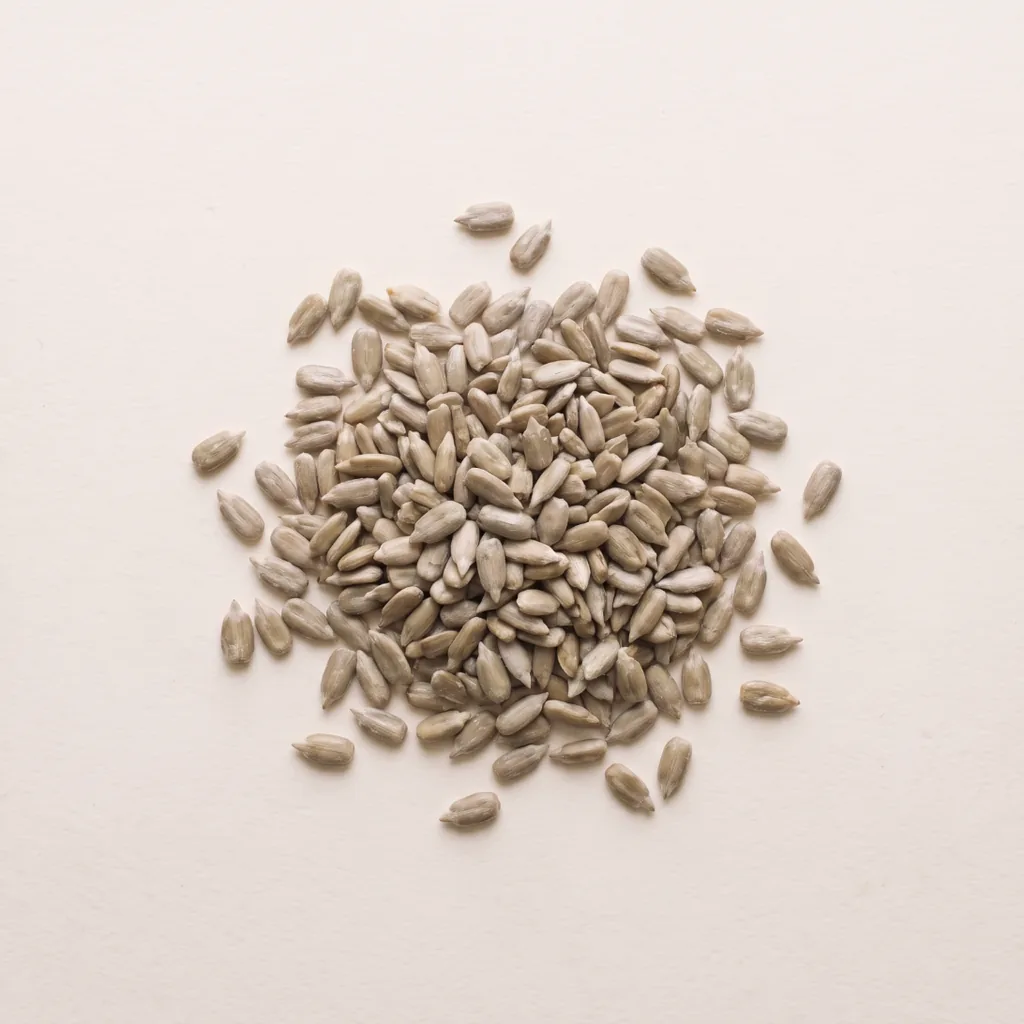
Grind hulled sesame finely and sprinkle it on warm porridge. Stir tahini into applesauce, porridge or yogurt. For allergen introduction start with about 1/8 teaspoon of tahini. Whole seeds are not chewed well, so they are not the best choice for allergen introduction.

Serve hummus on its own for hand scooping, or spread it thin on toast strips or whole-grain bread. Hummus and tahini can form sticky clumps in the mouth, so do not spread thickly.
12 monthsCube

Sesame prepared for 12 months

Toddlers love dipping. Offer hummus and simple tahini sauces with cucumber, bell pepper and fruit. Sesame noodles work well too.

Choking risk

  1. Low
  2. Medium
  3. High

Because sesame seeds are small, on their own they do not carry as high a choking risk as whole nuts. However, babies may not be able to chew whole seeds well enough.

So it is better to offer sesame fully ground and mixed into moist foods.

Tahini, with its thick and sticky texture, can be a choking risk. Thin it with water or a purée, or spread it very thinly on bread.

Your baby should sit upright throughout the meal and be under your constant supervision.

Frequently asked questions

What age can babies eat sesame?

Sesame is a plant grown for its oil-rich seeds. Its origins are thought to trace back to Africa and South Asia. In Turkish cooking it is widely used in tahini, simit (a Turkish bread ring), bread and many baked goods.

Is sesame a common allergen?

Sesame is counted as a common allergen by the World Health Organization. Studies in Southwest Asia and North Africa found it a frequent cause of anaphylaxis. It is the third most common food allergen in Israel and the ninth in the United States.

How do you prepare sesame for babies?

For a 6-month-old: Grind hulled sesame finely and sprinkle it on warm porridge. Stir tahini into applesauce, porridge or yogurt. For allergen introduction start with about 1/8 teaspoon of tahini. Whole seeds are not chewed well, so they are not the best choice for allergen introduction.

Is sesame a choking hazard for babies?

Because sesame seeds are small, on their own they do not carry as high a choking risk as whole nuts. However, babies may not be able to chew whole seeds well enough.

Can babies have tahini?

Yes. Tahini can be offered once your baby is ready for solids, usually around 6 months. Thin the thick tahini with water, breast milk or a purée before serving.

Is sesame oil enough to prevent allergy?

No. The protein content of sesame oil varies with how it is made, so it is not reliable for introducing sesame as an allergen. Choose ground sesame or thinned tahini.

Does hummus contain sesame?

Traditional hummus recipes contain tahini. However, not all hummus products have the same ingredients. When buying ready-made hummus, check the label for sesame and other allergens.

Prepared by the Lokmini team | Last updated November 19, 2026

Share:WhatsApp

Want to add this food to your baby's solid food calendar?

Join Lokmini to learn how this food is served at each age and to keep track of every food your baby tries.

Join Lokmini

Starting Solids

When and how to start solids, and what happens in the first week?

Read the guide

Similar foods

Let's get ready for the first bite together

Lokmini builds a day-by-day plan for your baby's age. Leave your email for new guides and our newsletter.

Start Your Journey