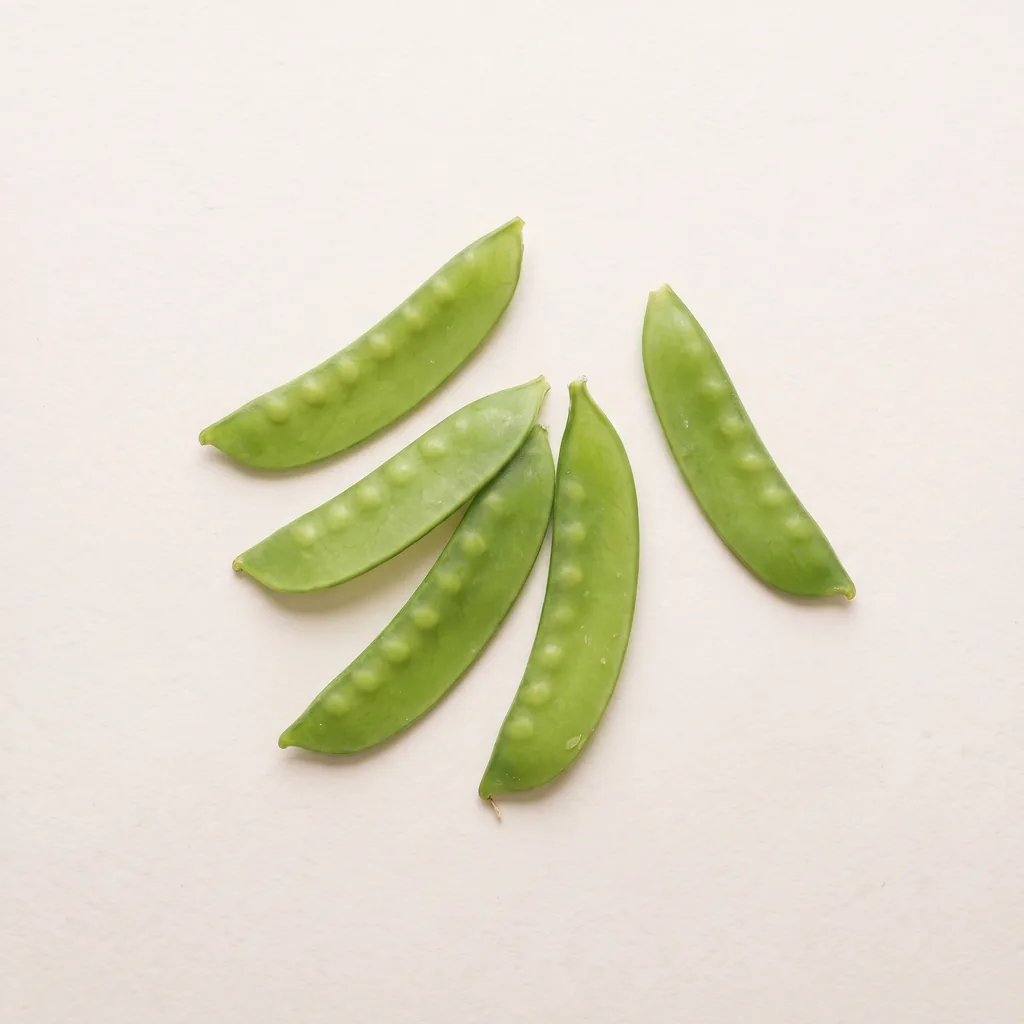
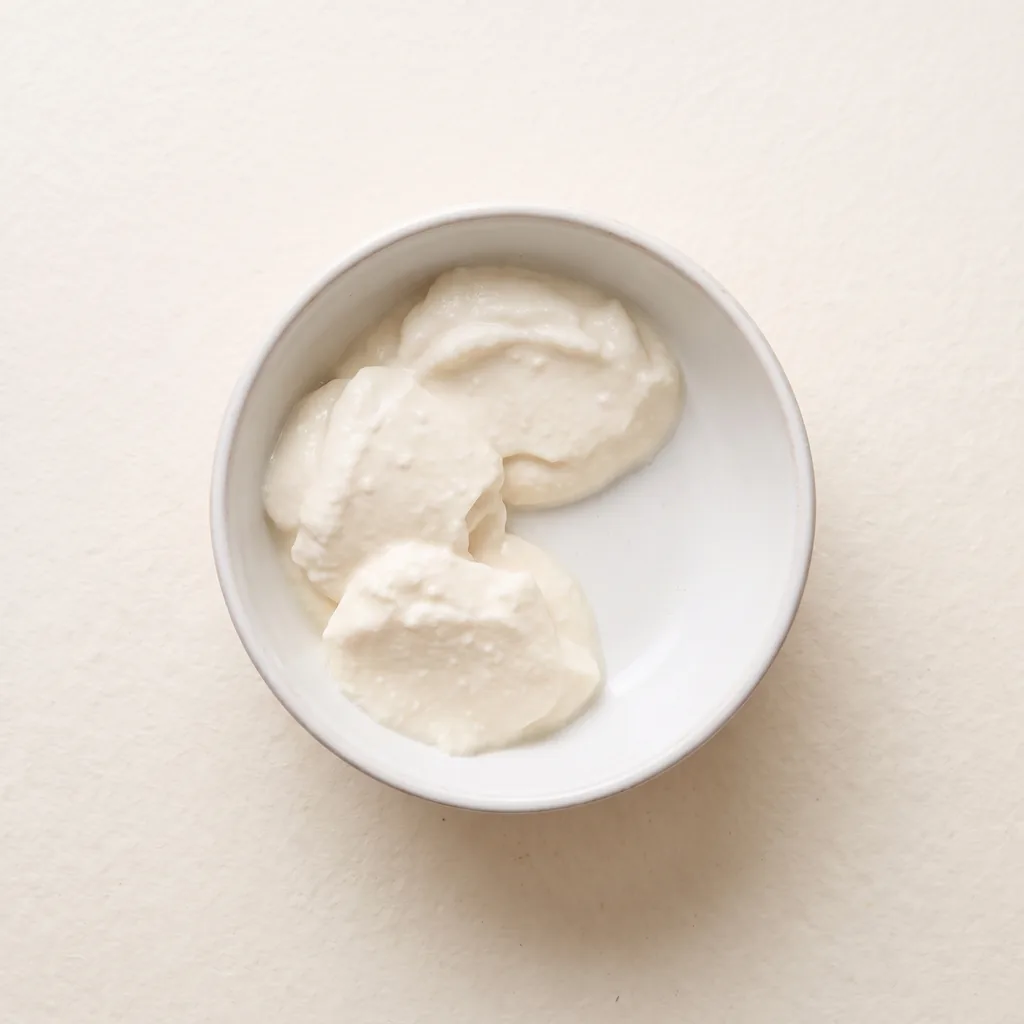
Because silken tofu is made from soy, it contains soy proteins, which are a major food allergen.
Soy allergy can show up with symptoms such as hives, vomiting, swelling of the lips, wheezing or trouble breathing.
In some babies, soy can also cause food protein-induced enterocolitis syndrome (FPIES). In FPIES, repeated vomiting can occur, usually starting 1 to 4 hours after eating.
Some babies with cow's milk protein allergy may also have a soy allergy. However, not every baby with a milk allergy needs to avoid soy.
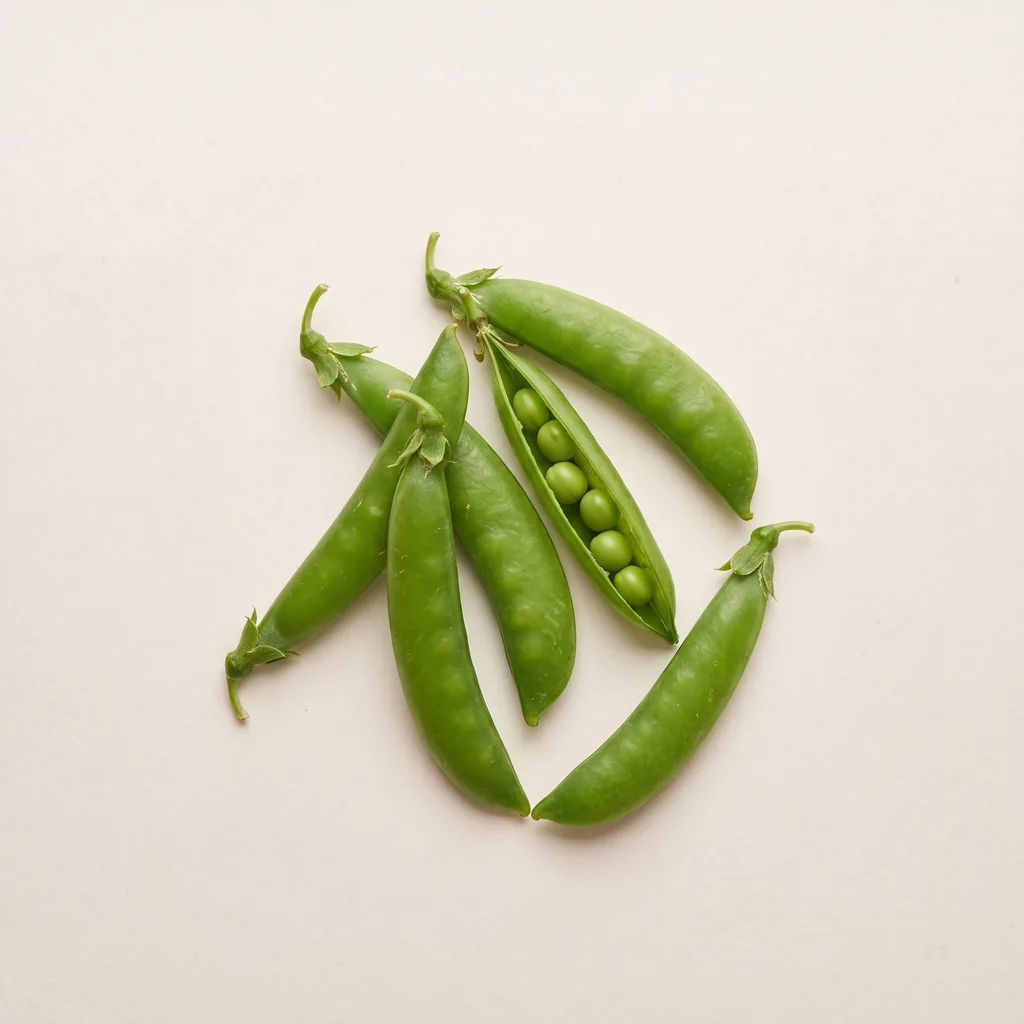
Soy and peanut belong to the same legume family. Even so, a soy allergy does not necessarily mean a peanut allergy too.
First try
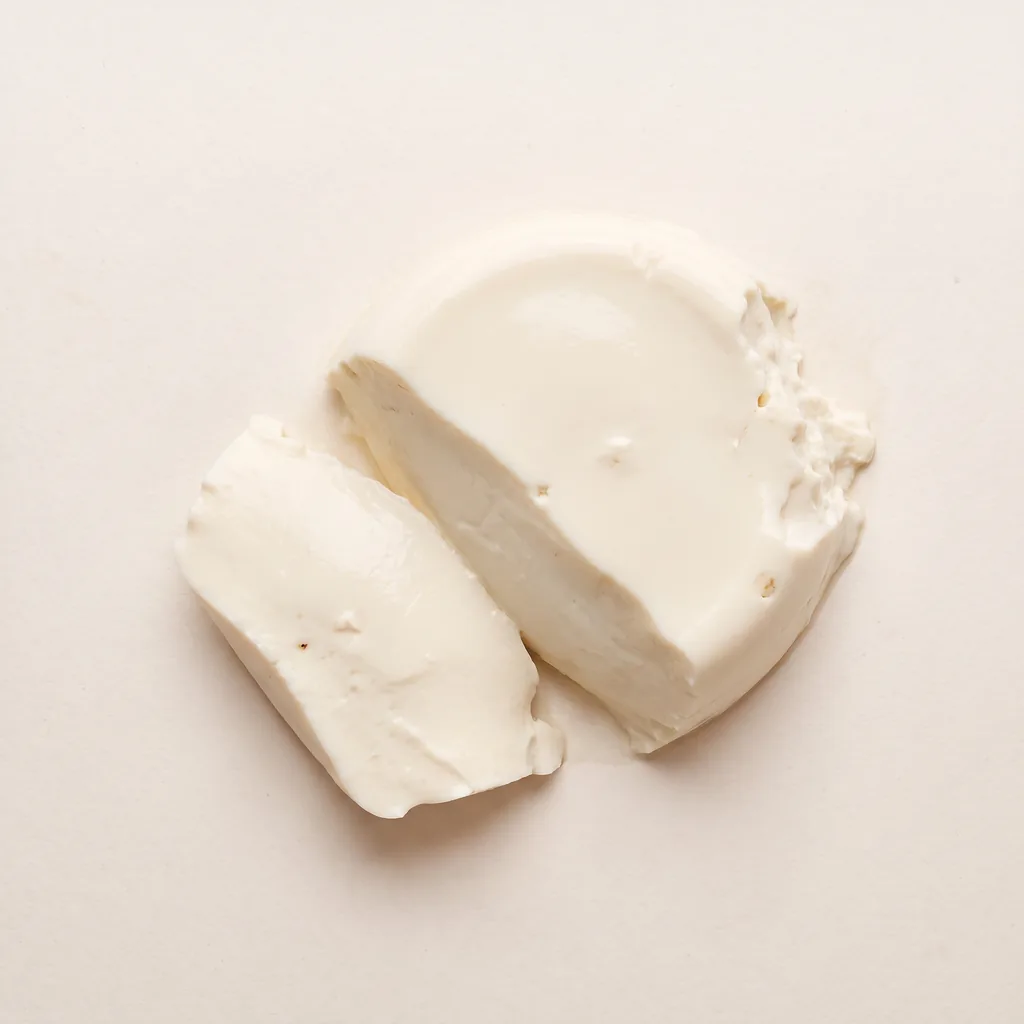
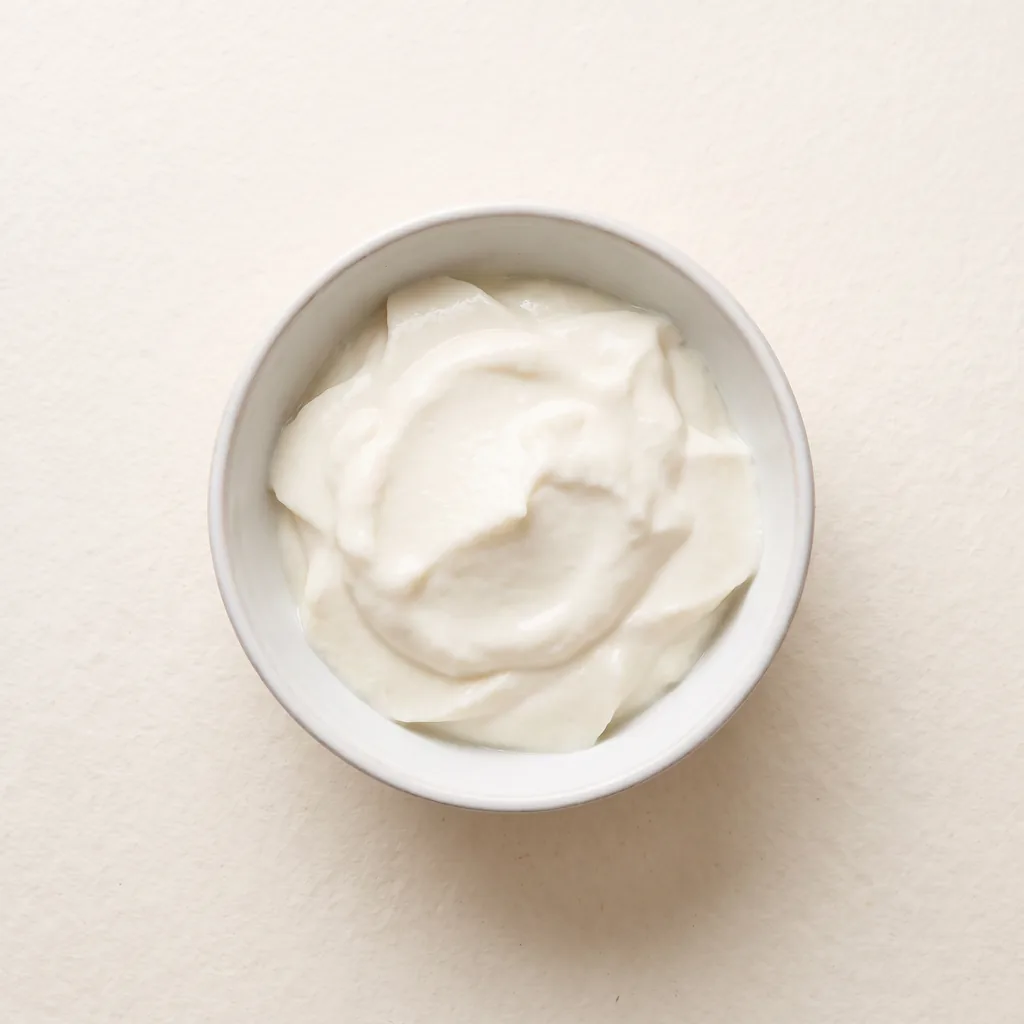
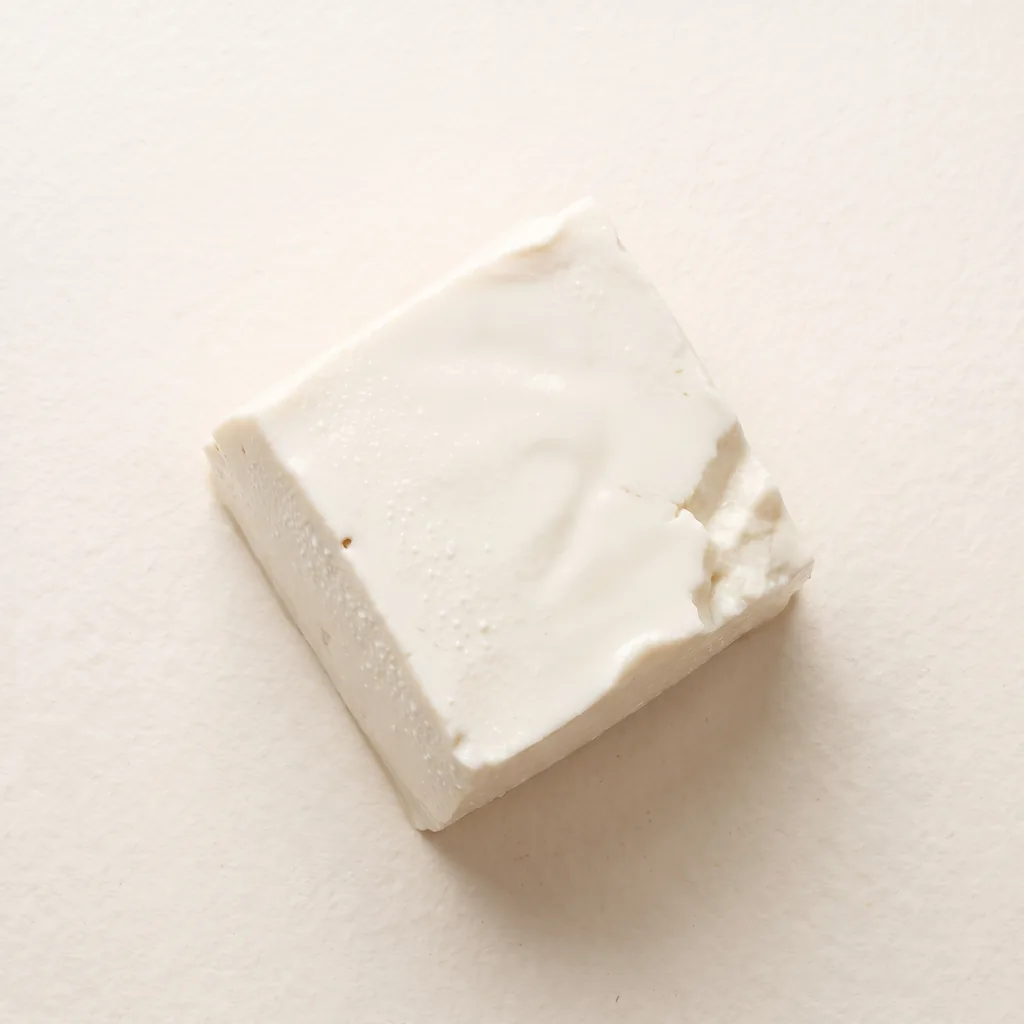
Choose plain silken tofu with no other allergens added.
Start with a small amount and watch for possible signs of allergy. If no problems appear, you can increase the amount gradually.
Once soy is tolerated, it can be a regular part of the diet. However, no exact weekly frequency has been established for lowering the chance of soy allergy.
With a soy allergy
If there is a known soy allergy, avoid tofu, tempeh, edamame, soy milk and other foods that contain soy protein.
If your baby has a known soy allergy, or a history of reacting to soy along with a milk allergy, a doctor's assessment is recommended.
If widespread hives, swelling of the lips or tongue, wheezing or trouble breathing develop after eating, stop giving it. For signs of a serious reaction, call emergency services right away. Repeated vomiting and marked weakness that start a few hours later also need urgent medical attention.