Skip to content
  • Fish allergen
  • Proteins
  • 6 mo+
  • Low choking risk

Sole for babies: when to start

Sole can be offered from about 6 months. As a finned fish it is a common allergen.

  • Protein
  • Vitamin B6
  • Vitamin B12
  • Vitamin D
  • Healthy fats
Sole prepared for a babyAllergen, day 1/3

About sole

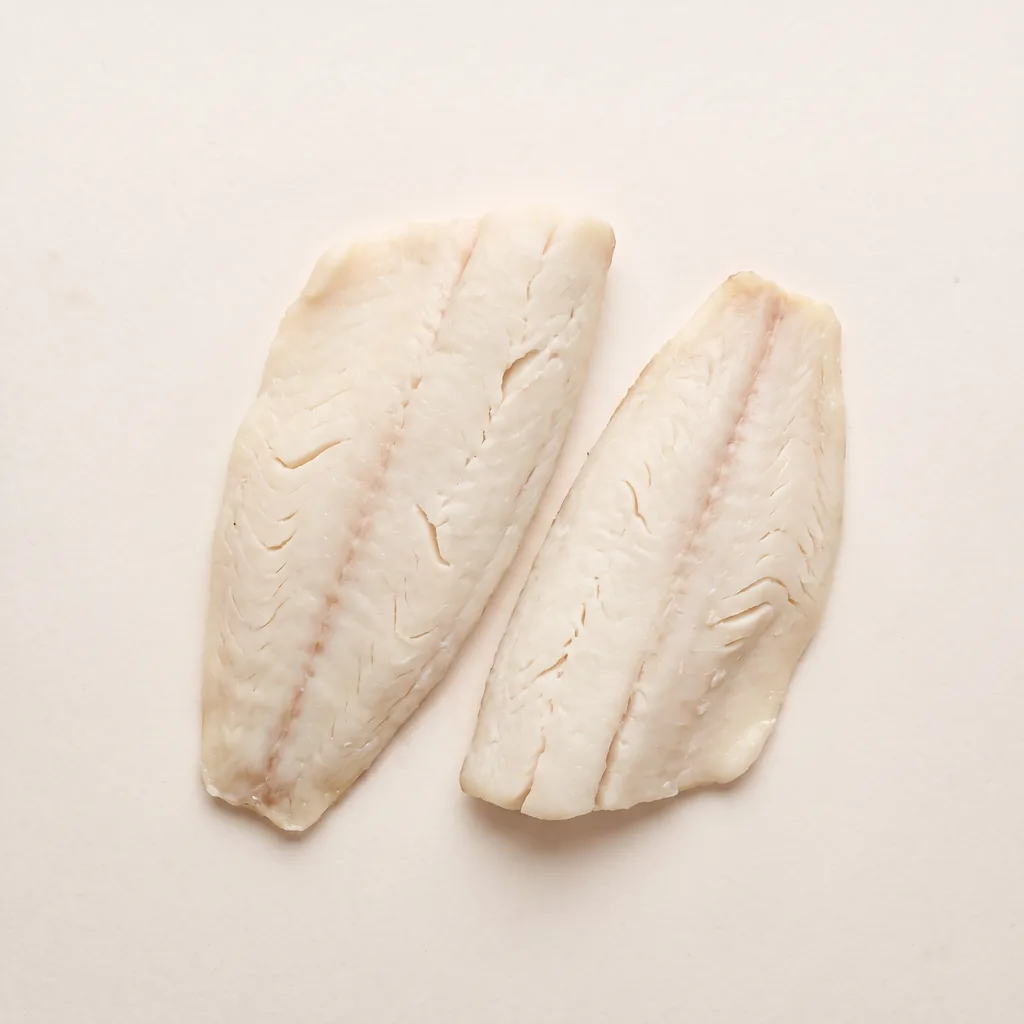
What sole is

"Sole" is an everyday name covering a family of bottom-dwelling flatfish. Many species live around the world in fresh and salt water, on floors of mud or sand. That is why it has many names in many languages. Names can confuse. European Dover sole and Pacific Dover sole belong to different families. The flesh is firm, white, and flaky. It is baked, boiled, pan-fried, or deep-fried.

Nutrition

Sole is rich in protein. It supplies vitamins B6 and B12. Fish gives you vitamin D and selenium too, which are nutrients that few other foods offer.

Mercury

Like most fish, sole holds a trace of mercury. Mercury is a heavy metal that can especially harm babies. The level in sole is lower than in many white fish such as halibut or grouper. One to two servings a week is considered safe.

Choose low-mercury fish

Lean on the fish with the least mercury, and keep higher-mercury fish rare and small.

Also known as: dil, dilbalığı, dil baligi, sole, Dover sole, yassı balık

  • Gluten-free
  • Contains fish

Sole is offered 3 days in a row

So that any reaction can be linked to the right food, sole is offered 3 days in a row and no other new food is tried on those days.

  1. 1/3

    First taste

    Start with a small amount in the morning or around midday. Your baby is watched closely for 5 to 10 minutes after the first bite.

  2. 2/3

    Same food, same calm

    Sole is offered again the same way. No other new food is tried today.

  3. 3/3

    Introduction done

    If no reaction was seen, sole is now part of your baby's meals. It keeps being offered regularly.

Emergency

If your baby has trouble breathing or swelling of the face or tongue, call 911 (or your local emergency number) right away.

About sole allergy

FPIES warning

It is one of the known triggers of FPIES (a delayed-onset food allergy). In this condition, repeated severe vomiting, pallor and lethargy may occur, usually 1-4 hours after the food is eaten. Diarrhea may appear later. These symptoms require urgent medical evaluation.

Finned fish are among the World Health Organization's global priority allergens. About two in a thousand people worldwide are allergic to finned fish. The rate in children is even lower than in adults. Around 40 percent of people with fish allergy have their first reaction in adulthood. In most, the allergy does not go away.

Cross-reactions

About half of people allergic to one fish react to other fish too, because the main allergen, beta-parvalbumin, is in most fish. Because of cross-contact and mislabeling, allergists often advise avoiding all finned fish. This is a personal decision. If your baby is allergic to sole, ask your allergist before offering any other fish.

Some people with fish allergy also react to vapors from cooking. If that is the case, you may want to skip cooking fish at home when baby is around.

When introducing

If you suspect an allergy, ask an allergist before giving sole. Give a small amount the first time and watch closely while baby eats. If all is well, raise the portion slowly. After a successful start, keep it in the diet twice a week when possible. You do not have to serve each fish type several times a week. Since fish share main proteins, you can rotate kinds based on availability.

Other conditions

Fish can trigger a delayed allergy called FPIES. Its sign is repeated vomiting and diarrhea starting suddenly hours after eating. Without treatment it leads to fluid loss. FPIES to fish can appear later in life and often lasts for life.

When fish is not kept properly cold, a lot of histamine builds up in it. That causes scombroid poisoning. Its signs look like allergy, so it is sometimes mistaken for one. Keeping fish cold enough lowers the risk.

Signs to watch

If you see repeated vomiting, diarrhea, or breathing or skin symptoms after eating, see a doctor.

How to prepare it by age

6 monthsStrip or mash
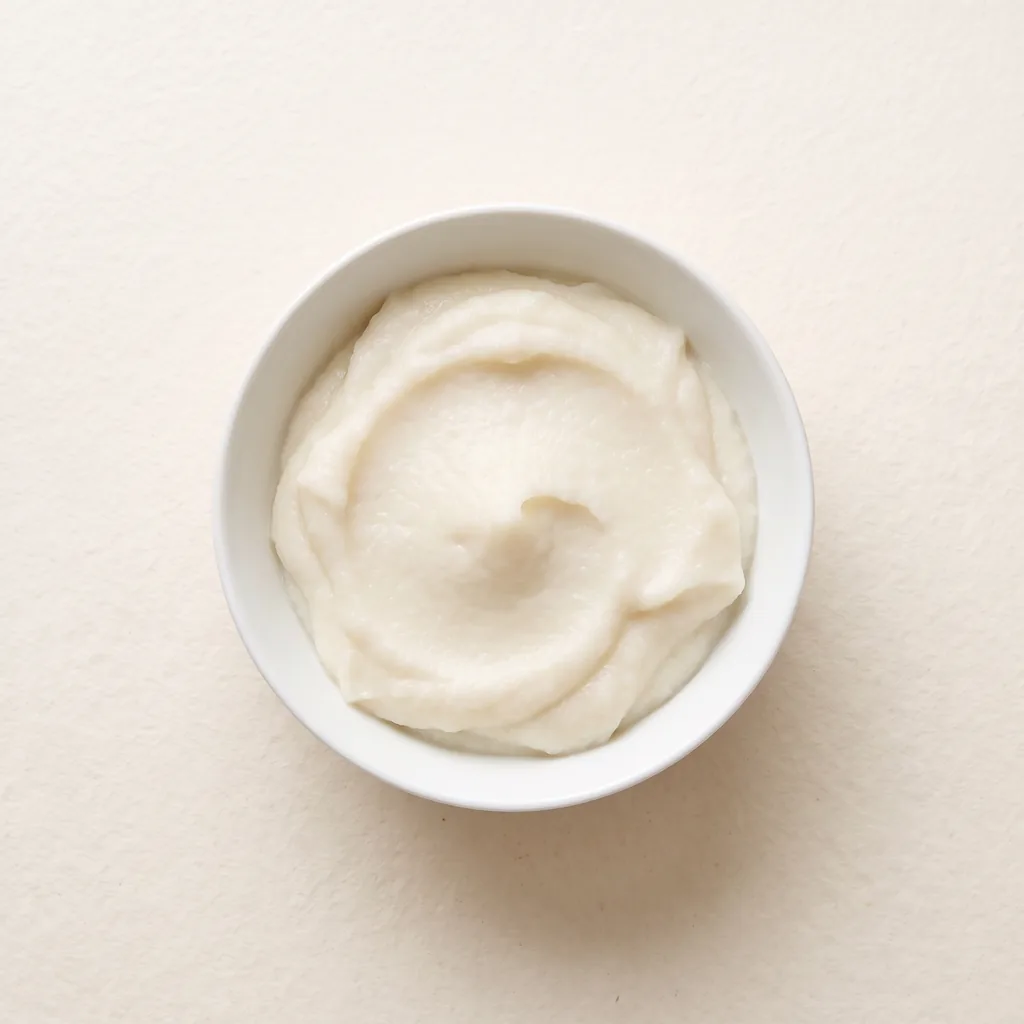
Sole prepared for 6 months

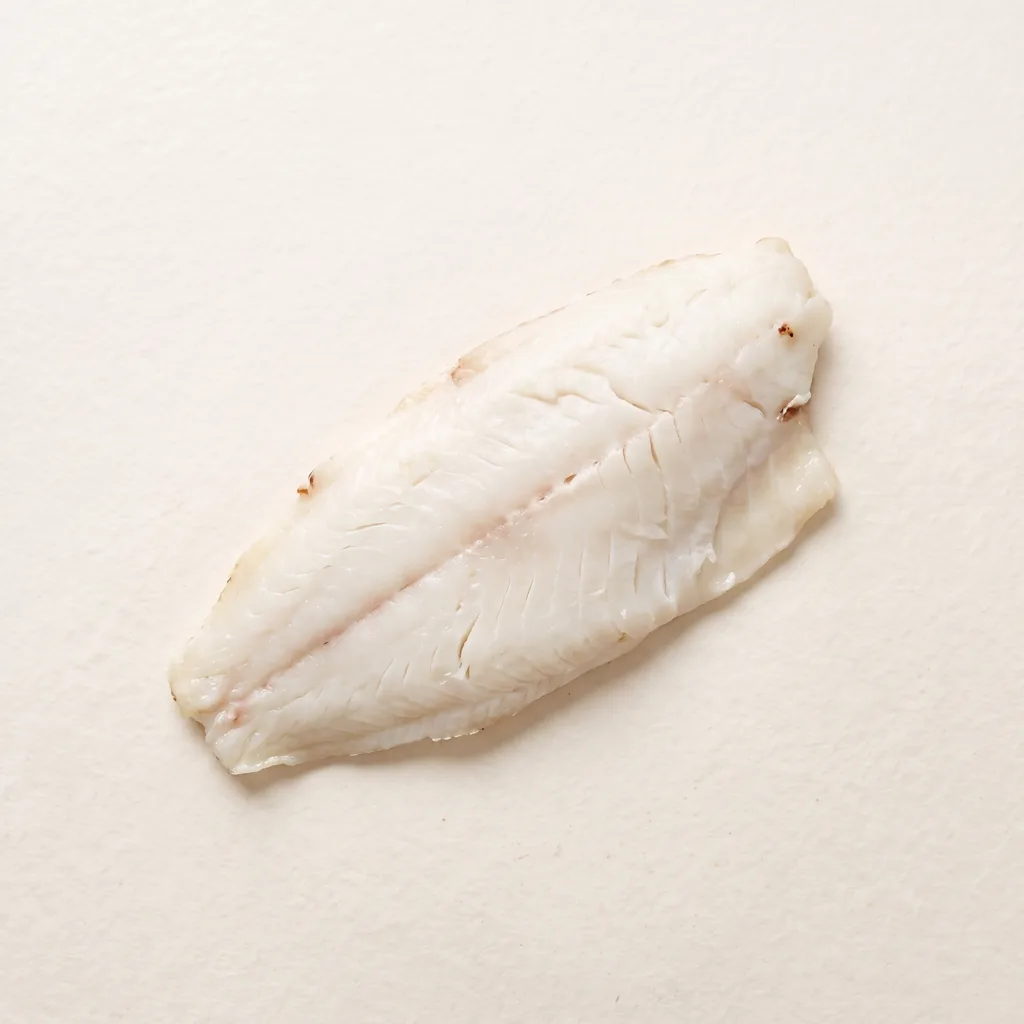
Cut: Finger strip

Cut cooked, boneless sole into strips about as long and wide as two adult pinkies side by side. Serve plain or with a mild sauce such as lemon butter or garlicky olive oil. Baby may squish the fish in a fist, and that is normal.

Stir cooked sole into vegetable purée or unsweetened yogurt and let baby feed themselves. You can pre-load the mash on a spoon or baby fork and hand it over.
9 monthsCube

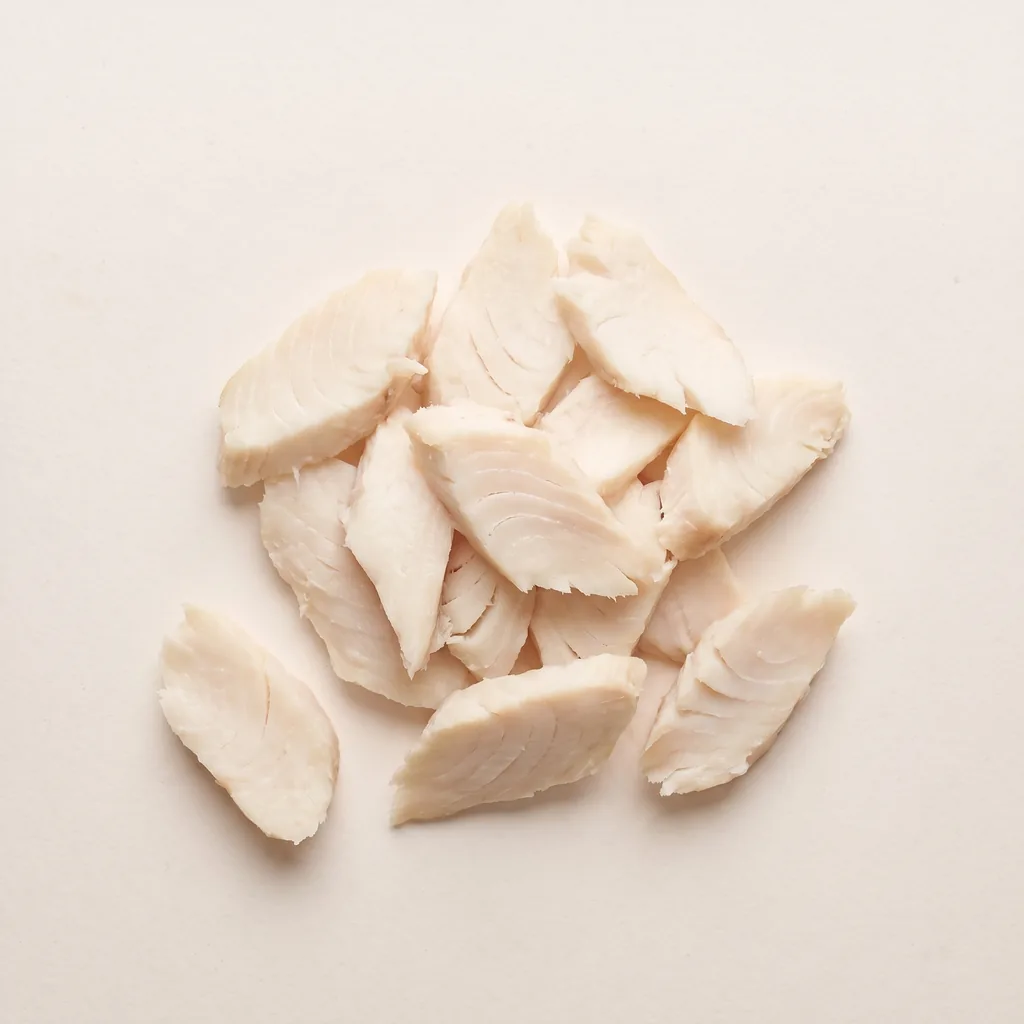
Sole prepared for 9 months

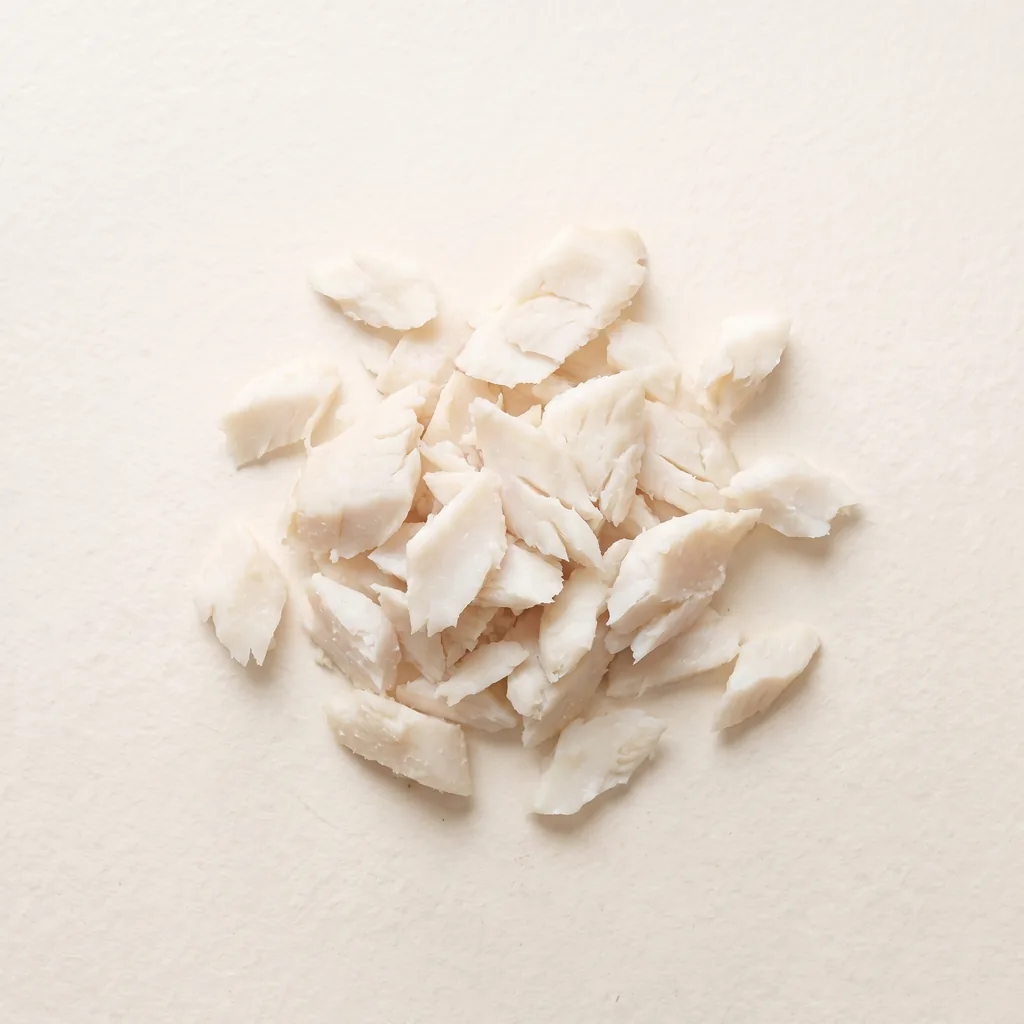
Cut: Bite sized piece

Flake cooked, de-boned fish into small bite-size pieces. Baby can pick them up with a pincer grasp. Serve alone or within a meal.

12 monthsCube

Sole prepared for 12 months

Cut: Shredded

Flake cooked, boneless fish. Pile it on buttered bread, or set it on a plate with a spoonful of tahini or mayonnaise. This is practice for eating with fingers or a fork. You can also make fish cakes. Sole can stand in for cod in most recipes.

Choking risk

  1. Low
  2. Medium
  3. High

Sole rarely causes choking. Bones in fresh fish are the risk.

Pick out every remaining bone before serving. Set up a safe eating space and stay beside your baby.

Frequently asked questions

What age can babies eat sole?

Sole can be offered from about 6 months. As a finned fish it is a common allergen.

Is sole a common allergen?

Finned fish are among the World Health Organization's global priority allergens. About two in a thousand people worldwide are allergic to finned fish. The rate in children is even lower than in adults. Around 40 percent of people with fish allergy have their first reaction in adulthood. In most, the allergy does not go away.

How do you prepare sole for babies?

For a 6-month-old: Cut cooked, boneless sole into strips about as long and wide as two adult pinkies side by side. Serve plain or with a mild sauce such as lemon butter or garlicky olive oil. Baby may squish the fish in a fist, and that is normal.

Is sole a choking hazard for babies?

Sole rarely causes choking. Bones in fresh fish are the risk.

How often can babies have sole?

Its mercury level is relatively low, so one to two times a week is considered safe.

Does sole help babies poop?

It is not usually seen as a food for easing constipation. As part of a varied, balanced diet it may support healthy gut bacteria. If you are worried, ask your pediatrician.

What should I watch for in frozen sole?

Check that the label has no added salt or sodium tripolyphosphate. These can easily exceed a baby's daily sodium need.

What can I use in place of sole?

Sole can replace cod in most recipes. Other flatfish such as plaice and flounder are similar.

Prepared by the Lokmini team | Last updated November 17, 2026

Share:WhatsApp

Want to add this food to your baby's solid food calendar?

Join Lokmini to learn how this food is served at each age and to keep track of every food your baby tries.

Join Lokmini

Starting Solids

When and how to start solids, and what happens in the first week?

Read the guide

Similar foods

Let's get ready for the first bite together

Lokmini builds a day-by-day plan for your baby's age. Leave your email for new guides and our newsletter.

Start Your Journey