Skip to content
  • Legumes allergen
  • Legumes
  • 6 mo+
  • Medium choking risk

Snow pea for babies: when to start

Snow peas can be offered from about 6 months once cooked.

  • Folate
  • Vitamin B6
  • Vitamin C
  • Vitamin K
  • Fiber
Snow pea prepared for a babyAllergen, day 1/3

About snow pea

How it differs from the snap pea

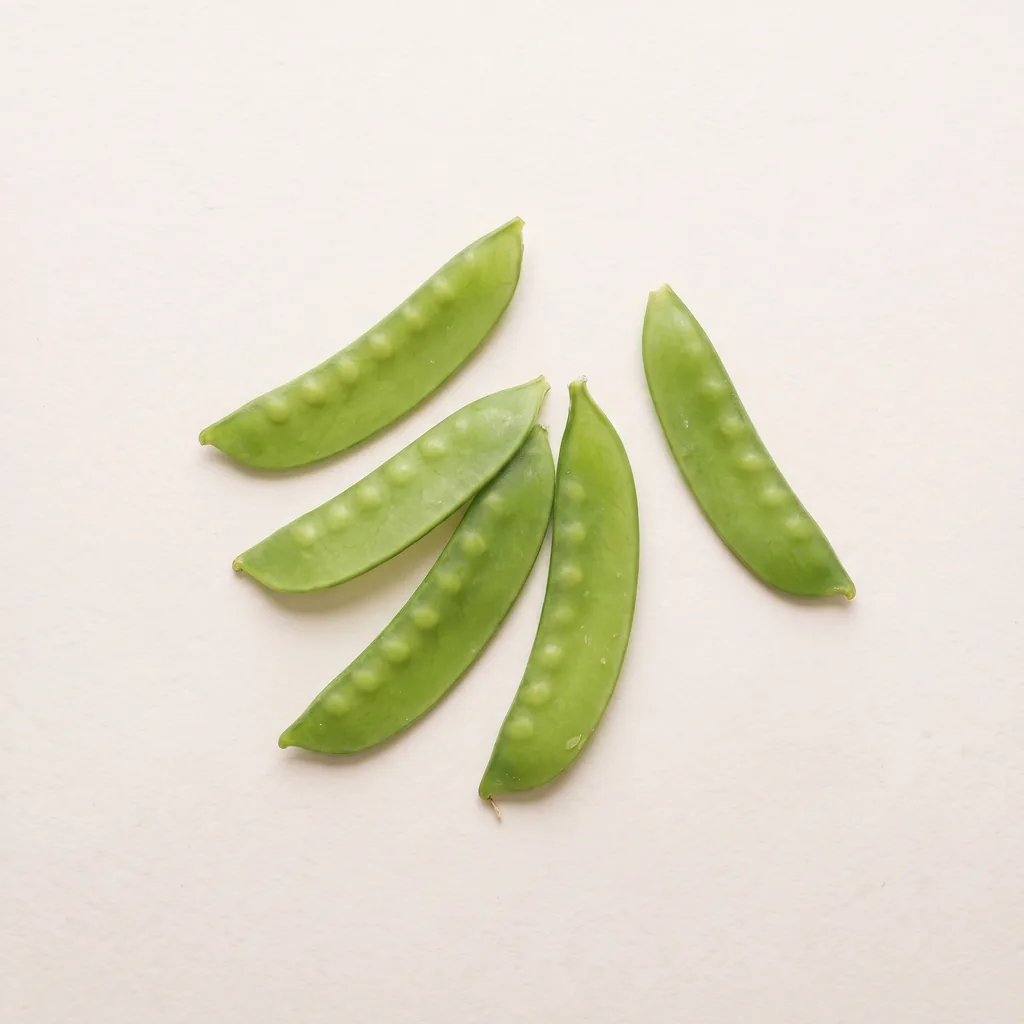
A snow pea has a flat, thin pod with small peas inside. A snap pea has a round, thick pod with larger peas. Both come from Asia. Their blossoms and young shoots are used in Asian porridges, curries, and stir-fries.

Nutrition

Snow peas supply folate along with B6, C, and K vitamins. They also have fiber and a little iron. They are also rich in antioxidants.

Also known as: kar bezelye, kar bezelyesi, snow pea, Çin bezelyesi, yassı bezelye, şeker kabuklu bezelye

  • Gluten-free
  • Vegan

Snow pea is offered 3 days in a row

So that any reaction can be linked to the right food, snow pea is offered 3 days in a row and no other new food is tried on those days.

  1. 1/3

    First taste

    Start with a small amount in the morning or around midday. Your baby is watched closely for 5 to 10 minutes after the first bite.

  2. 2/3

    Same food, same calm

    Snow pea is offered again the same way. No other new food is tried today.

  3. 3/3

    Introduction done

    If no reaction was seen, snow pea is now part of your baby's meals. It keeps being offered regularly.

Emergency

If your baby has trouble breathing or swelling of the face or tongue, call 911 (or your local emergency number) right away.

About snow pea allergy

Snow peas are not among the common, priority food allergens. However, pea proteins can cause allergic reactions in some people.

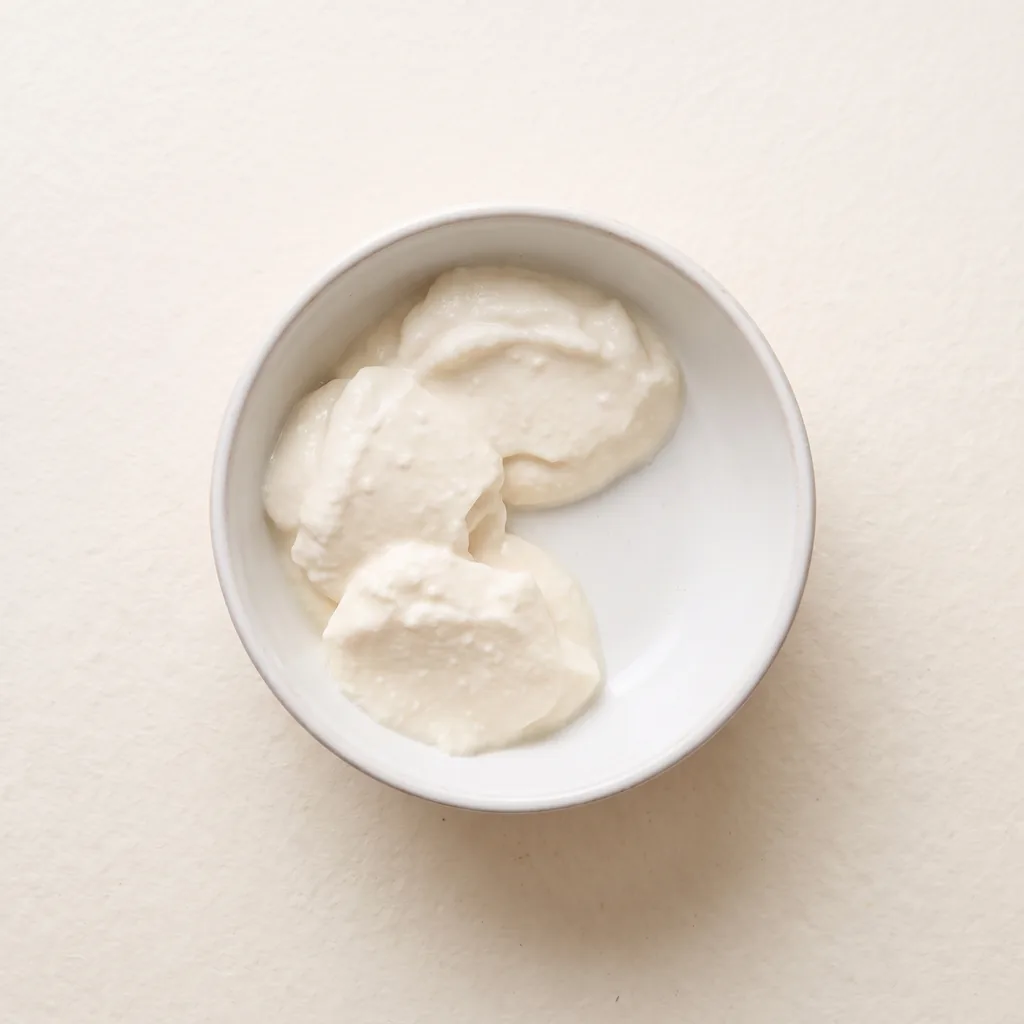
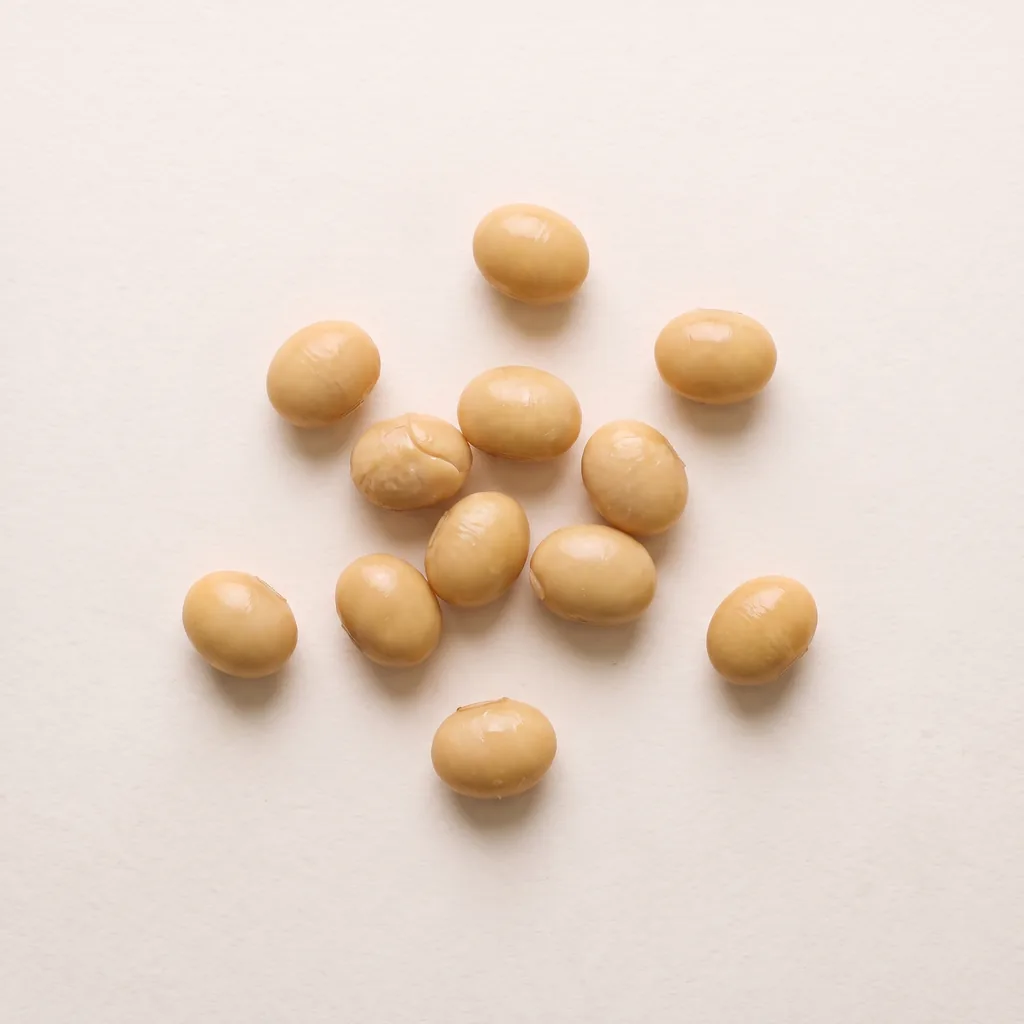
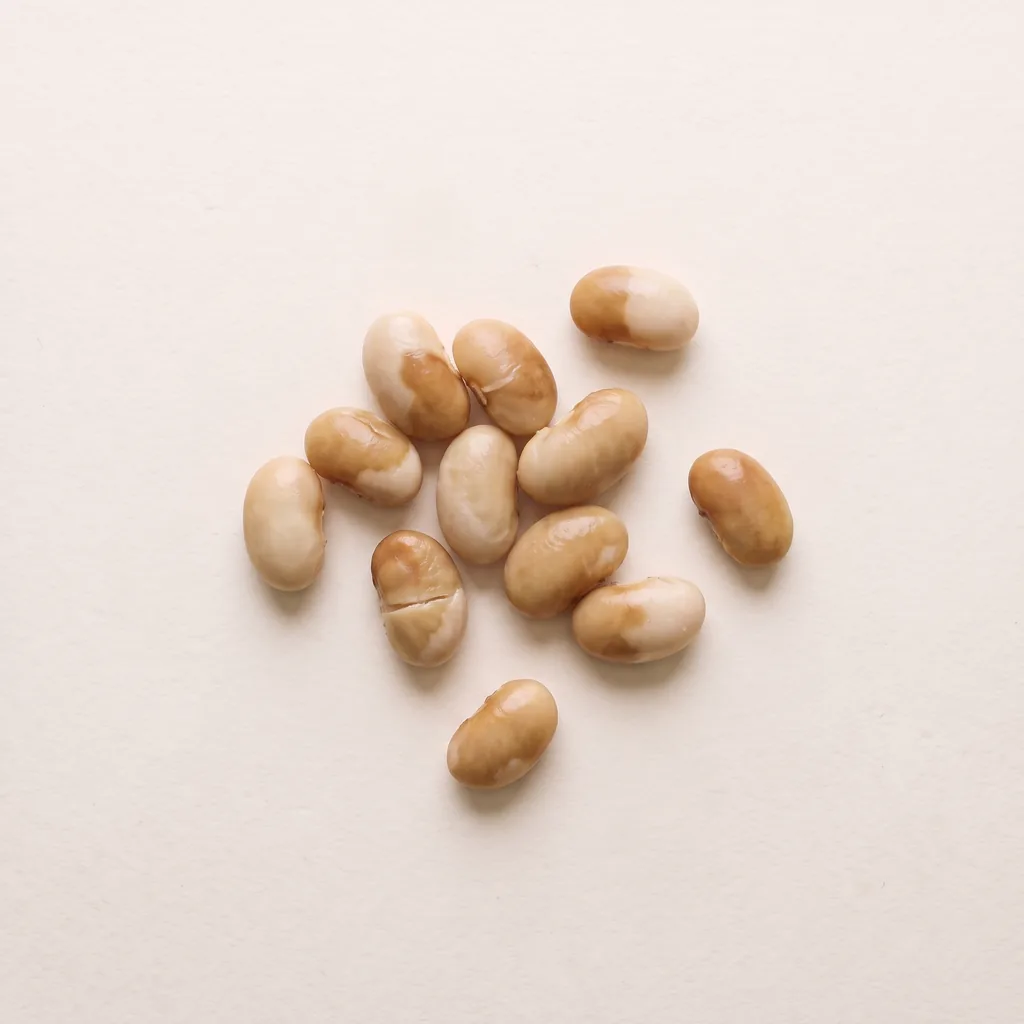
Peas belong to the same legume family as chickpeas, lentils, soy and peanut. Allergic cross-reactions can occur among these foods, but being allergic to one does not mean an allergy to the others will always develop.

Pollen-related cross-reactions can cause itching or tingling in the mouth in some people. Cooking can reduce the effect of some allergens, but do not assume it will stop allergic reactions completely.

First try

Start with a small amount of fully cooked, mashed snow peas.

Watch for possible signs of allergy. If no problems appear, you can increase the amount gradually.

If your baby has reacted to peas before or has a known serious legume allergy, a doctor's assessment is recommended.

If widespread hives, swelling of the lips or tongue, repeated vomiting, wheezing or trouble breathing develop after eating, stop giving it. For signs of a serious reaction, call emergency services right away.

Remove the strings along the pod edges

The edges of snow pea pods can have tough strings. These strings can make chewing harder for your baby. Remove the stem ends and the tough strings before cooking. Cook until fully soft and serve in a way that suits your baby's skills.

How to prepare it by age

6 monthsMash or strip
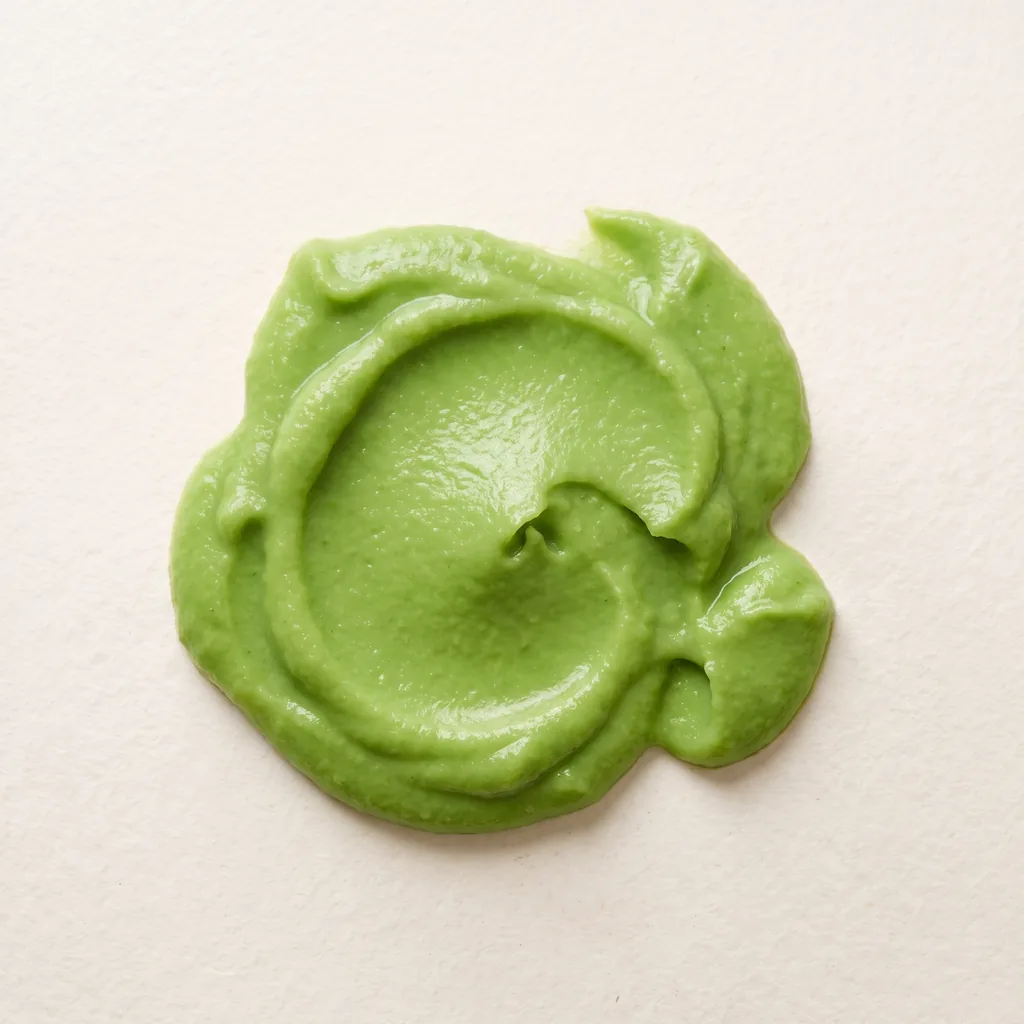
Snow pea prepared for 6 months

Cut: Finely chopped

Cook the snow pea and mince it very fine. Fold it into a warm, soft, spoonable food such as rice porridge.

Cut: Flattened

Flatten a whole cooked pod using a fork or your hand, so the peas inside get crushed. Baby chews it and builds mouth skills. It will not fill the tummy, but it gives texture experience.
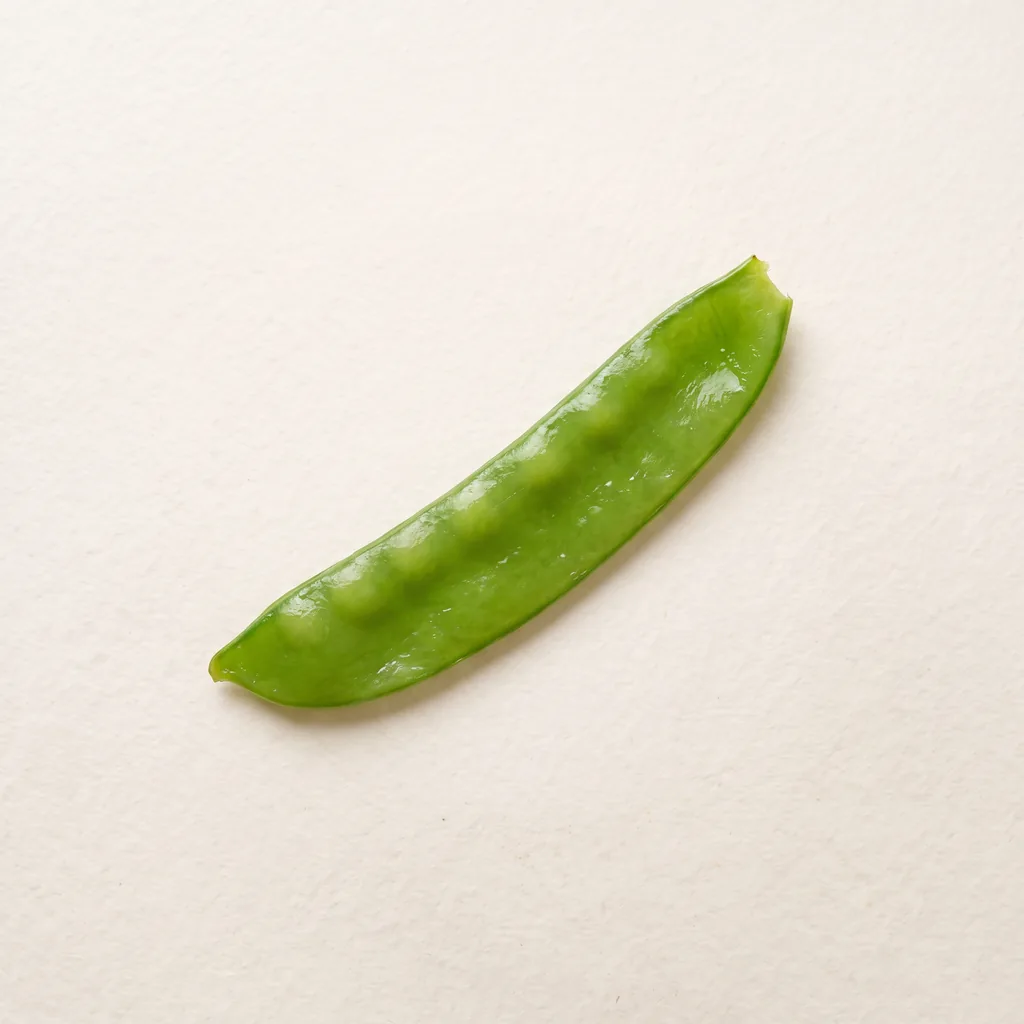
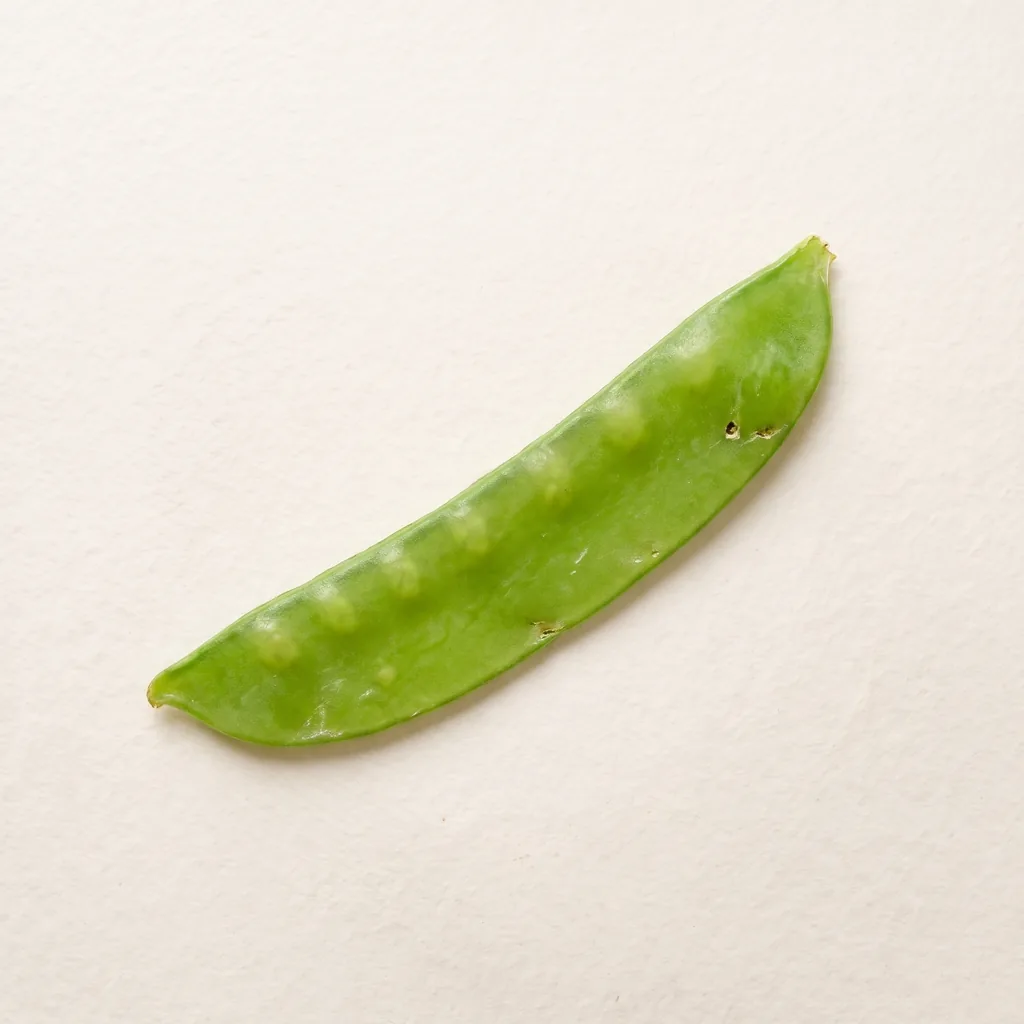
9 monthsCube

Snow pea prepared for 9 months

Cut: Bite sized piece

Cook the pods and cut them into small pieces. Serve alone or in a meal. This size supports baby's pincer grasp.

12 monthsCube or strip

Snow pea prepared for 12 months

Cut: Bite sized piece

Cut raw or cooked snow peas into bite-size pieces. The fibrous pod is hard to chew, so your child may spit some out.

If your child handles chopped pieces well and you feel at ease, give a whole pod with close watching. If they are not ready, don't worry. It often comes at 18 to 24 months. After 18 months a raw pod can be given under supervision. Spitting may continue while jaw strength grows.

Choking risk

  1. Low
  2. Medium
  3. High

Raw or undercooked snow pea pods can be tough and stringy. This can make it harder for your baby to chew and swallow safely.

Cook snow peas until fully soft. Remove the stem ends and the tough strings along the edges.

At first, mash them well or purée them before serving. As chewing skills develop, you can move on to small pieces that are soft and fall apart easily.

Do not give whole pods as teethers if they still have their tough strings, even when cooked.

There is no exact safe starting age, such as 12 or 18 months, for raw snow peas. How you serve them should depend on your child's chewing skills and the actual texture of the food.

Your baby should sit upright throughout the meal and be under your constant supervision.

Frequently asked questions

What age can babies eat snow pea?

Snow peas can be offered from about 6 months once cooked.

Is snow pea a common allergen?

Snow peas are not among the common, priority food allergens. However, pea proteins can cause allergic reactions in some people.

How do you prepare snow pea for babies?

For a 6-month-old: Cook the snow pea and mince it very fine. Fold it into a warm, soft, spoonable food such as rice porridge.

Is snow pea a choking hazard for babies?

Raw or undercooked snow pea pods can be tough and stringy. This can make it harder for your baby to chew and swallow safely.

Are snow peas and snap peas the same?

No. Snow peas have a thin, flat pod with small peas inside. Snap peas have a fuller, thicker pod.

Can babies eat raw snow peas?

For babies, cooked and softened snow peas are a safer choice. Raw pods can be tough and stringy. There is no set age for eating them raw.

Can you eat snow pea pods?

Yes. The pod is edible, but before serving it to your baby, remove the stem ends and the tough strings. Cook until fully soft.

How many snow peas should I give my baby?

Start with a small amount. You can increase it by watching your baby's hunger and fullness cues. Your baby does not need to finish a set portion.

Prepared by the Lokmini team | Last updated November 19, 2026

Share:WhatsApp

Want to add this food to your baby's solid food calendar?

Join Lokmini to learn how this food is served at each age and to keep track of every food your baby tries.

Join Lokmini

Starting Solids

When and how to start solids, and what happens in the first week?

Read the guide

Similar foods

Let's get ready for the first bite together

Lokmini builds a day-by-day plan for your baby's age. Leave your email for new guides and our newsletter.

Start Your Journey