Skip to content
  • Fruits
  • 6 mo+
  • Low choking risk

Pear for babies: when to start

You can offer pear (Pyrus communis) once your baby is about 6 months old and developmentally ready for solids. The fruit should be fully ripe and soft, and prepared to suit your baby's chewing skills.

  • Fiber
  • Vitamin C
  • Copper
  • Potassium
Pear illustration

About pear

Pear is a fruit in the rose family (Rosaceae). The common European pear grown today traces back to Europe and Western Asia. There are also other pear species of Asian origin. Many pear varieties are grown around the world. Some are eaten fresh, and others are used in cooking and in making drinks.

Nutrition

Pear contains water, carbohydrates and fiber. It also supplies smaller amounts of potassium, copper and vitamins C and K. Its fiber in particular makes it a good part of a balanced diet.

Pear contains fiber and sorbitol. On its own, pear is not a treatment for constipation.

The water and carbohydrates in pear add to your baby's daily fluid and energy intake. Pear is not an especially rich source of vitamin C or potassium.

No firm pears

Firm or underripe pear pieces can be a choking risk for babies. If the fruit is not soft enough, steam it until it mashes easily. Do not serve firm, raw pear pieces.

Also known as: armut, pear

  • Gluten-free
  • Vegan

How to prepare it by age

6 monthsStrip or mash
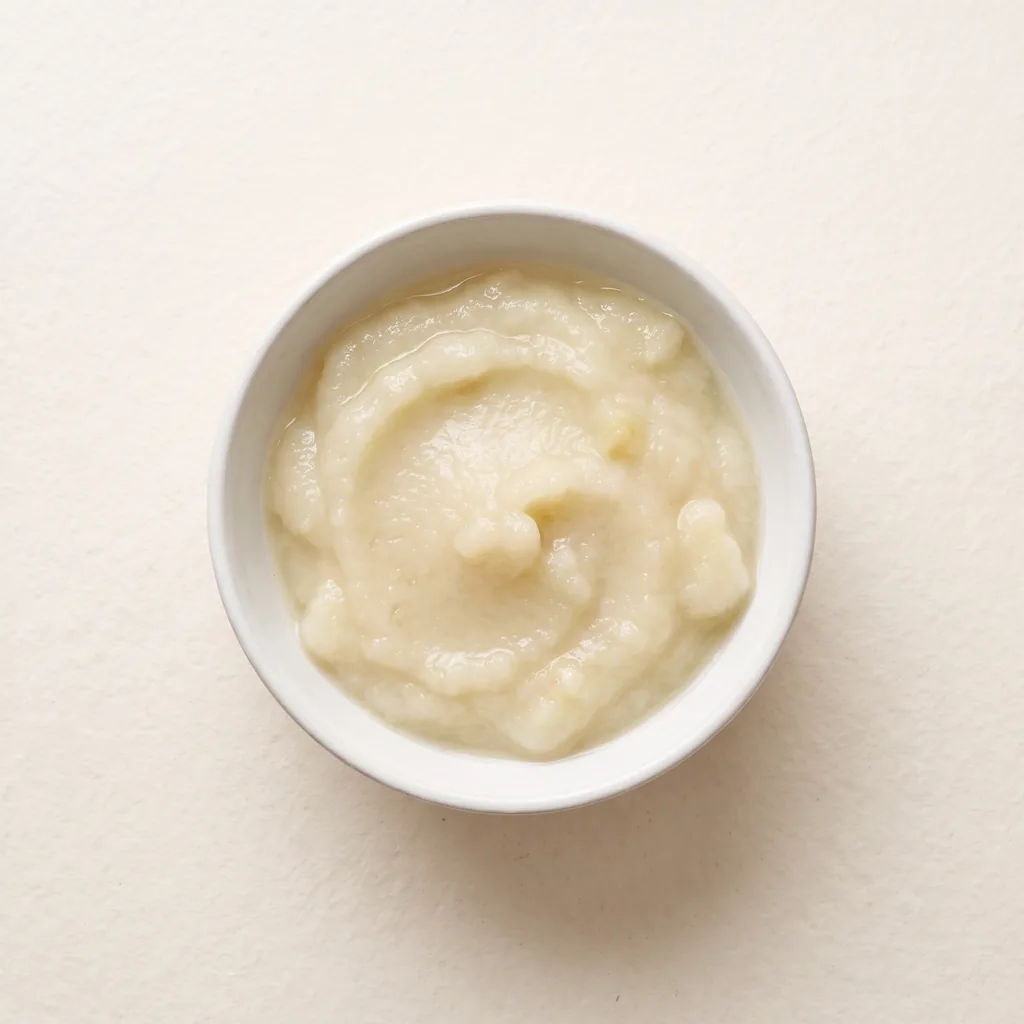
Pear prepared for 6 months

Cut: Thick wedge

A ripe pear should be soft enough to leave a mark when pressed lightly with a finger. At that softness, raw pear is an ideal early finger food for baby-led weaning. Cut thick, palm-length slices from the stem down to the base. Firm, underripe pears are hard to bite, and hard pieces that break off carry a choking risk. Do not serve such pears until they have been lightly poached and softened.

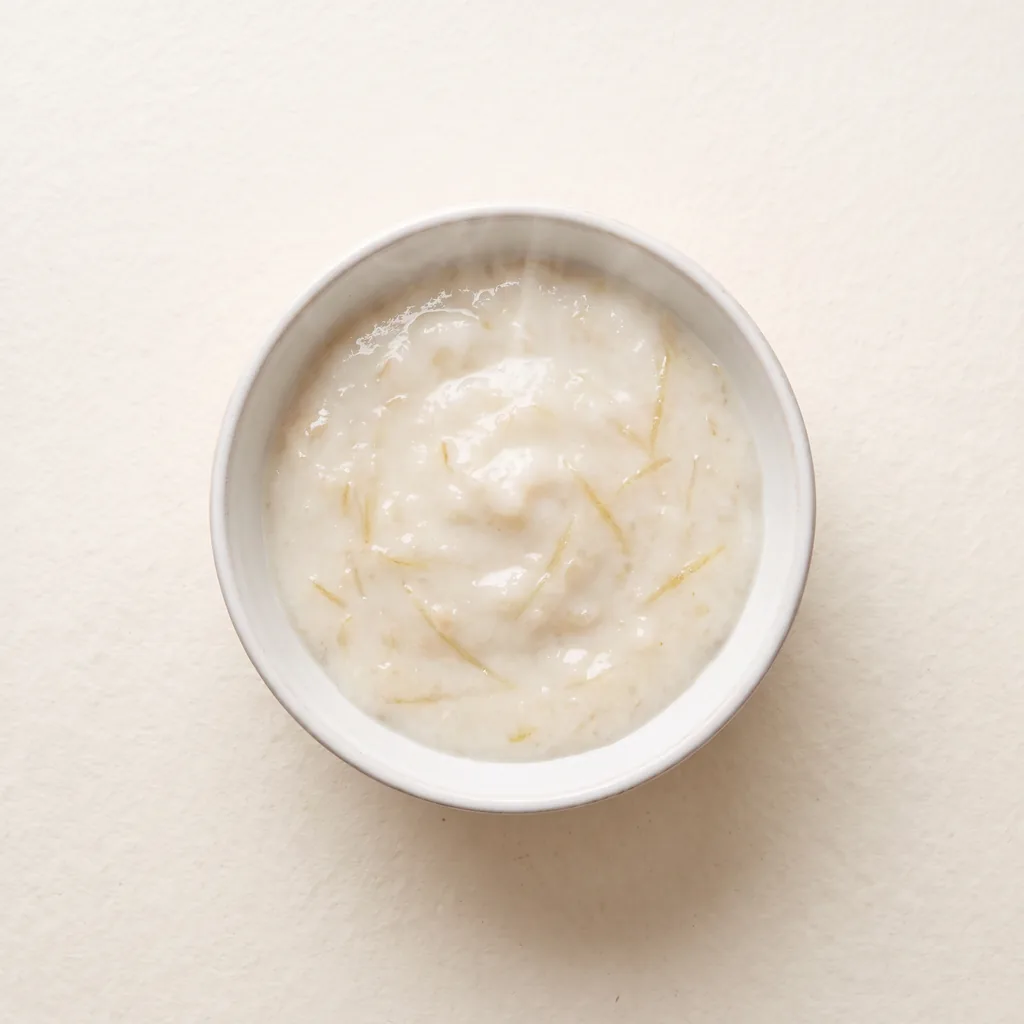
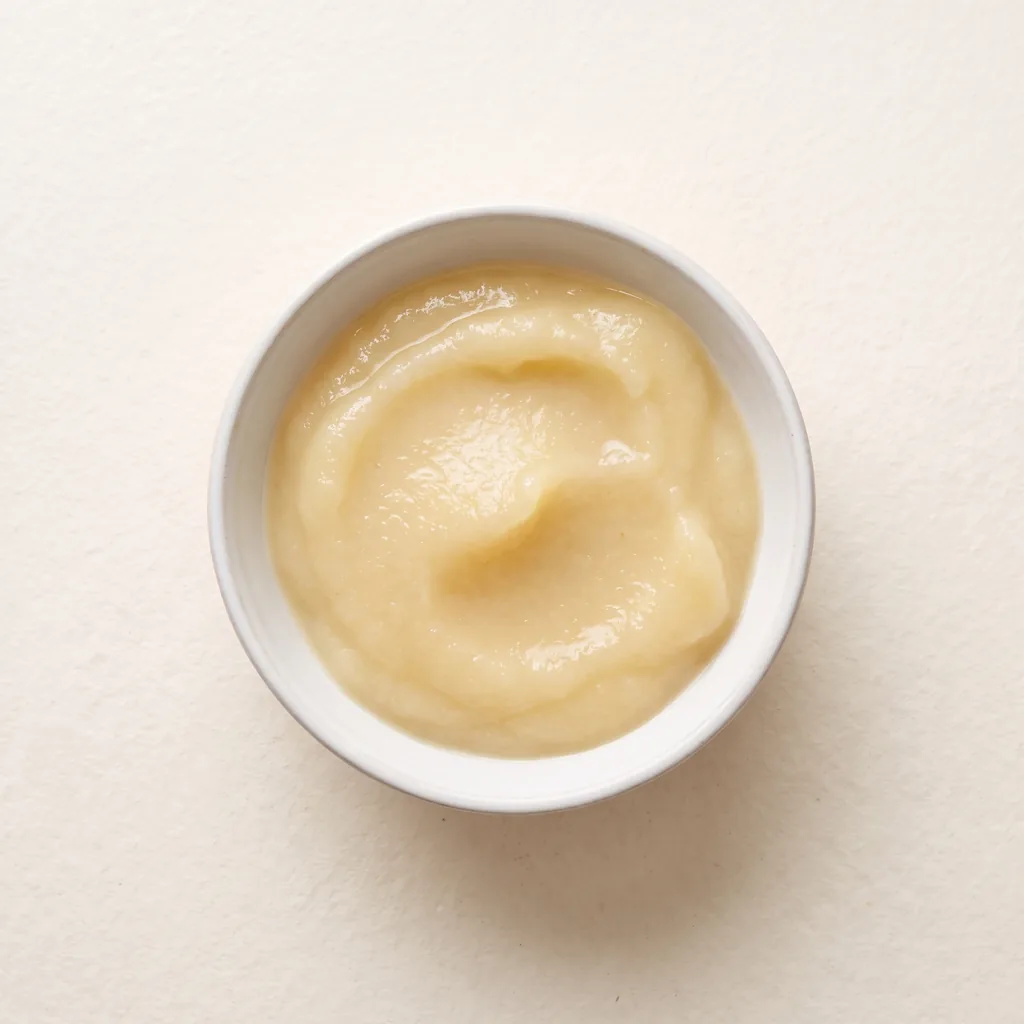
Grate or mash the pear and stir it into a soft, scoopable food such as warm porridge or yogurt. If the pear is firm, first poach the halves in water, steam them or bake them until soft.
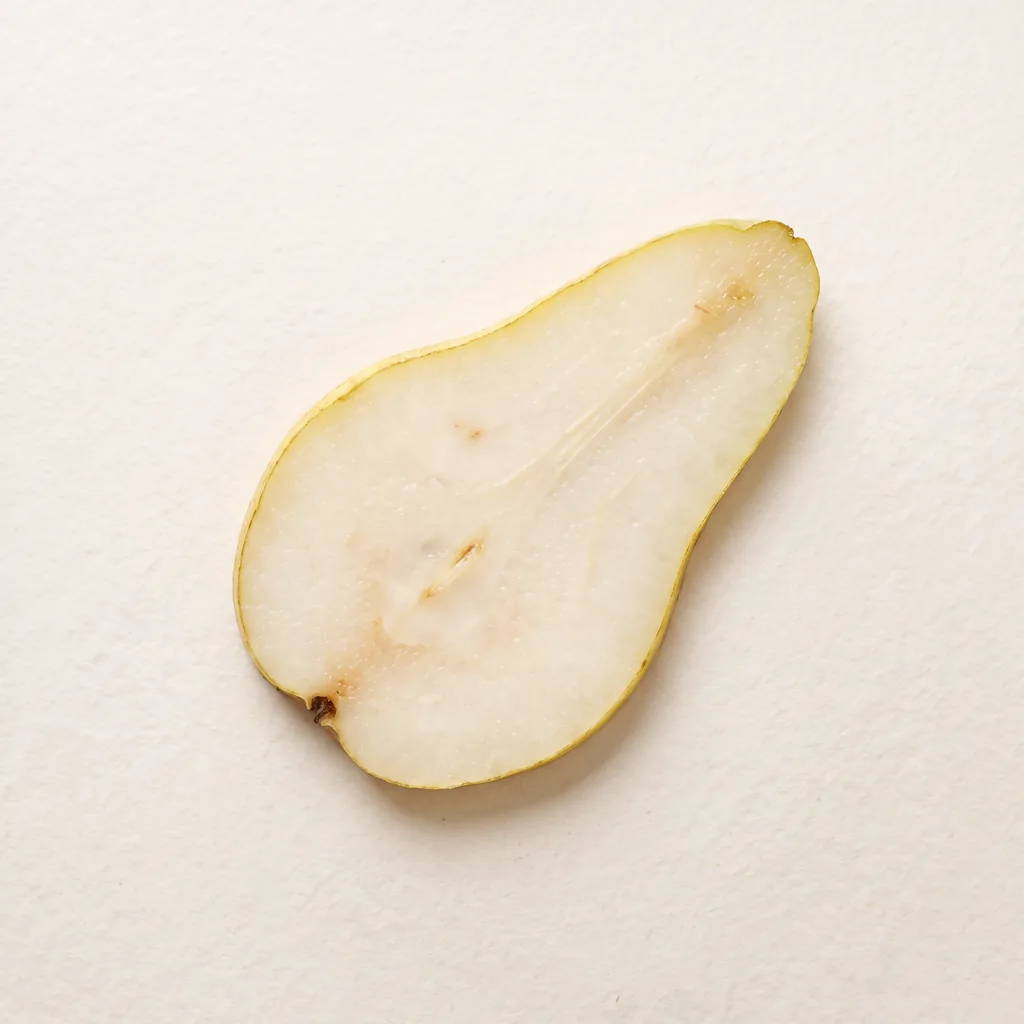
9 monthsCube

Pear prepared for 9 months

Cut: Bite sized piece

Once your baby starts picking things up with two fingers, offer soft, ripe pear as small, flat, bite-size pieces. Avoid cubes. You can keep giving thin slices, cored halves or cooked halves. The skin can be on or off.

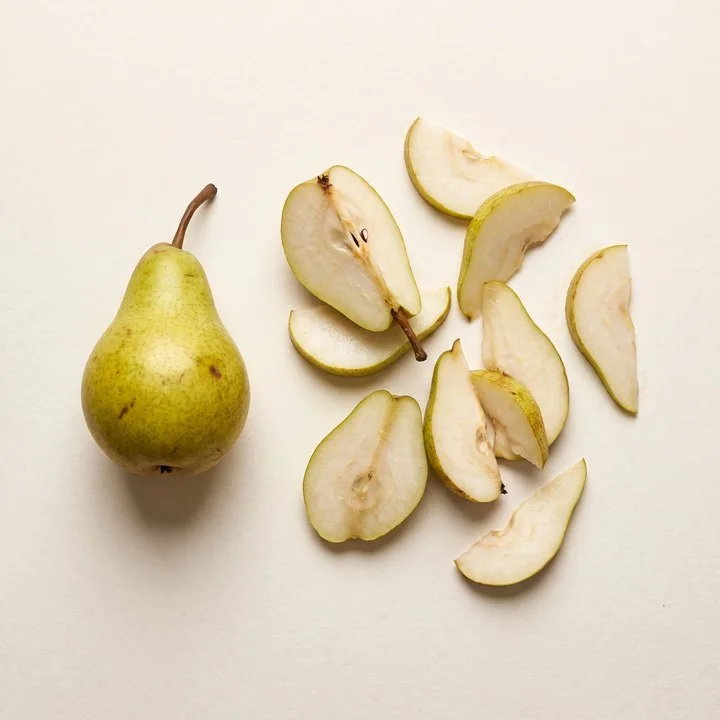
12 monthsSlice

A whole pear and thin pear slices

Soft, ripe pear can be served almost any way at this age. Serve quarters without the core and seeds, or cut bite-size pieces. Once your child is ready, hand over the whole fruit with its skin on. Expect your child to spit out much of the skin. This is normal and fades between 18 and 24 months as they learn to grind with the molars.

Choking risk

  1. Low
  2. Medium
  3. High

Pear can be a choking risk for babies and young children, especially when it is firm or underripe. Firm, slippery pieces can be hard to chew and to control in the mouth.

To lower the choking risk, prepare pear to suit your baby's developmental skills. When starting solids, you can offer fully softened pear mashed, puréed, or as thick slices that mash easily. As grasping and chewing skills grow, you can give small, soft, flat pieces. Always cook firm pears until soft. Remove the seeds, the core and the hard stem.

Your baby should sit upright and be watched the whole time during meals. Stay beside them, within arm's reach, while they eat.

Allergen information

Pear is not a common food allergen, but it can rarely cause allergic reactions. People sensitive to birch pollen in particular may have cross-reactions because of similar proteins in pear. Some foods in the same rose family (Rosaceae) as pear, such as apricot, plum, peach and almond, also share similar allergen proteins. Still, being allergic to one does not mean being allergic to the others.

In pollen food allergy syndrome, the mouth and throat may itch, tingle or swell slightly. Symptoms are usually mild, but more serious reactions can rarely happen. This syndrome is seen more in older children and adults who have developed pollen sensitivity than in babies. Cooking or peeling pear may lower the chance of a reaction in some people, but it does not rule out allergic reactions completely.

When you offer pear to your baby for the first time, start with a small amount and watch for any reaction. If hives, swelling of the lips or face, or repeated vomiting appear, stop giving it and get emergency medical care. If there are serious signs such as trouble breathing or swelling of the tongue or throat, call emergency services right away.

Frequently asked questions

What age can babies eat pear?

You can offer pear (Pyrus communis) once your baby is about 6 months old and developmentally ready for solids. The fruit should be fully ripe and soft, and prepared to suit your baby's chewing skills.

Is pear a common allergen?

Pear is not a common food allergen, but it can rarely cause allergic reactions. People sensitive to birch pollen in particular may have cross-reactions because of similar proteins in pear. Some foods in the same rose family (Rosaceae) as pear, such as apricot, plum, peach and almond, also share similar allergen proteins. Still, being allergic to one does not mean being allergic to the others.

How do you prepare pear for babies?

For a 6-month-old: A ripe pear should be soft enough to leave a mark when pressed lightly with a finger. At that softness, raw pear is an ideal early finger food for baby-led weaning. Cut thick, palm-length slices from the stem down to the base. Firm, underripe pears are hard to bite, and hard pieces that break off carry a choking risk. Do not serve such pears until they have been lightly poached and softened.

Is pear a choking hazard for babies?

Pear can be a choking risk for babies and young children, especially when it is firm or underripe. Firm, slippery pieces can be hard to chew and to control in the mouth.

Should pear be cooked for babies?

If the pear is firm, cook it until soft. If it is very ripe and soft enough to mash easily between your fingers, you can serve it uncooked. Either way, prepare it to suit your baby's chewing and swallowing skills.

Does pear help with constipation?

Pear has fiber. If constipation continues, see your doctor.

Why does my child spit out pear skin?

Pear skin is harder to chew than the soft flesh inside. Children whose chewing skills are still developing may hold the skin in their mouth or spit it out. On its own, this is usually not a cause for concern. You can peel the pear and try the skin again as chewing skills grow. There is no set age by which a child can chew the skin easily.

Prepared by the Lokmini team | Last updated November 19, 2026

Share:WhatsApp

Want to add this food to your baby's solid food calendar?

Join Lokmini to learn how this food is served at each age and to keep track of every food your baby tries.

Join Lokmini

Starting Solids

When and how to start solids, and what happens in the first week?

Read the guide

Similar foods

Let's get ready for the first bite together

Lokmini builds a day-by-day plan for your baby's age. Leave your email for new guides and our newsletter.

Start Your Journey