Skip to content

Dietitian's view

You can give kefir pasteurized and unsweetened. Do not give sweetened ones.

Lokmini is not a healthcare provider and does not offer health services. For your baby's specific needs, talk to your doctor or a dietitian.

  • Cow's milk allergen
  • Dairy
  • 6 mo+
  • Low choking risk

Kefir for babies: when to start

Once your baby is ready for solids, usually around 6 months, small amounts of kefir can be used in meals. It is better to wait until 12 months to serve it as a drink.

  • Calcium
  • Protein
  • Probiotics
  • Vitamin A
  • B vitamins
  • Zinc
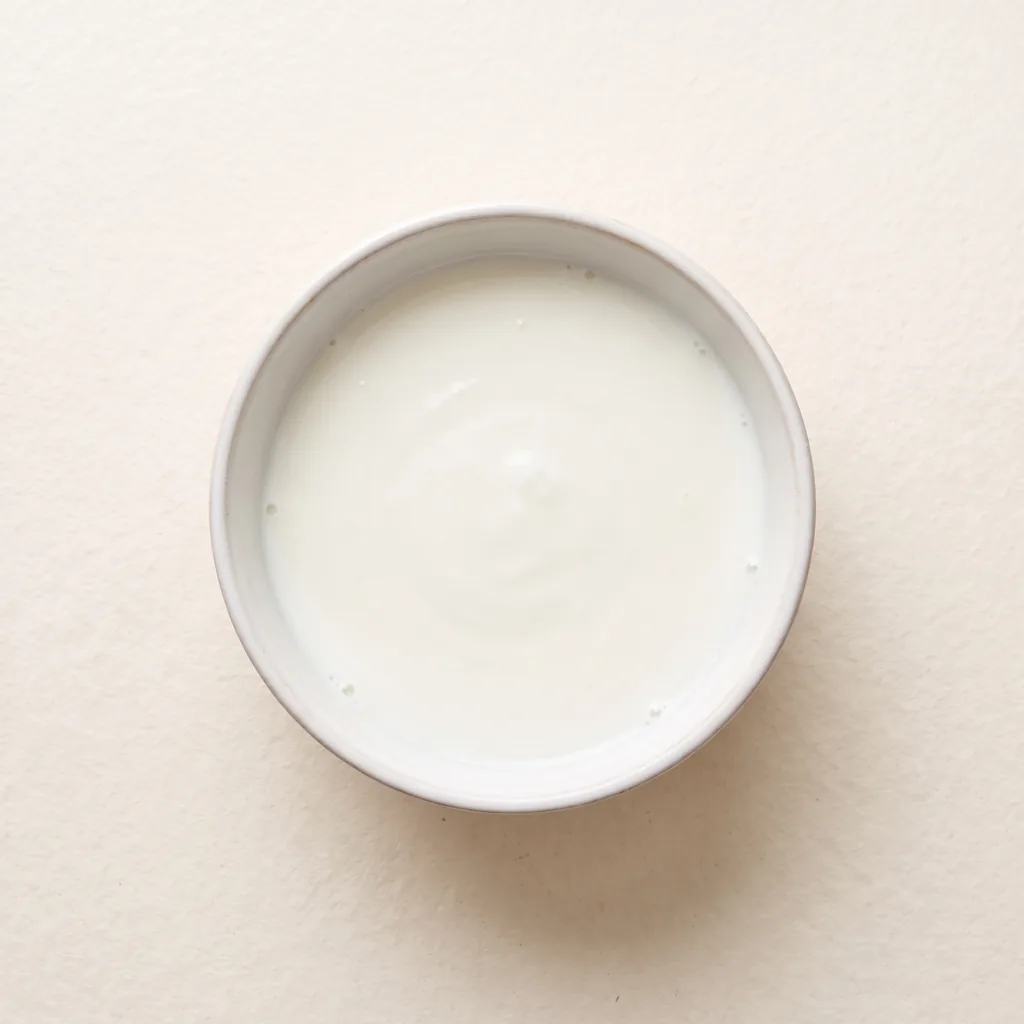
Kefir prepared for a babyAllergen, day 1/3

About kefir

Kefir is a fermented milk product that began in the Caucasus. Traditionally, milk is fermented with kefir grains, which are clusters of bacteria and yeast.

Unlike yogurt, both lactic acid bacteria and yeasts can play a part in making kefir. So kefir's range of microorganisms and fermentation products can differ from yogurt's.

The taste, thickness and microorganism content of kefir depend on the milk, the kefir culture and how it is made.

For babies, choose plain kefir made from pasteurized milk, with no added sugar, and full-fat if possible. Avoid kefir made from raw milk.

Nutrition

Milk kefir is a fermented dairy food that provides protein, fat and calcium. It may also contain other nutrients such as phosphorus, potassium, riboflavin (vitamin B2) and vitamin B12.

The energy, protein and fat in kefir vary with the type of milk and its fat content. Full-fat milk kefir can provide more fat and energy than fat-free types.

Do not count on kefir as a reliably high source of vitamin D. A meaningful amount of vitamin D usually depends on the milk being fortified.

During fermentation, microorganisms use up part of the milk sugar. So kefir can have less lactose than milk, but standard milk kefir is not lactose free.

Kefir can contain live microorganisms. Still, not every kefir can be said to contain probiotic microorganisms with a proven clinical benefit. Effects vary with the type of microorganism and the product.

Kefir can be part of a varied diet, but in the first 12 months it does not replace breast milk or suitable infant formula.

Also known as: gıpı, kefir, kefir peyniri, su kefiri, süt kefiri

  • Gluten-free
  • Vegetarian
  • Contains dairy

Kefir is offered 3 days in a row

So that any reaction can be linked to the right food, kefir is offered 3 days in a row and no other new food is tried on those days.

  1. 1/3

    First taste

    Start with a small amount in the morning or around midday. Your baby is watched closely for 5 to 10 minutes after the first bite.

  2. 2/3

    Same food, same calm

    Kefir is offered again the same way. No other new food is tried today.

  3. 3/3

    Introduction done

    If no reaction was seen, kefir is now part of your baby's meals. It keeps being offered regularly.

Emergency

If your baby has trouble breathing or swelling of the face or tongue, call 911 (or your local emergency number) right away.

About kefir allergy

FPIES warning

It is one of the known triggers of FPIES (a delayed-onset food allergy). In this condition, repeated severe vomiting, pallor and lethargy may occur, usually 1-4 hours after the food is eaten. Diarrhea may appear later. These symptoms require urgent medical evaluation.

Milk kefir contains milk proteins, so it counts as a **milk allergen**.

Kefir made from cow's milk can cause an allergic reaction in babies with cow's milk allergy.

Kefirs made from goat, sheep or buffalo milk are not automatically safe alternatives for cow's milk allergy. The proteins in these milks can cross-react.

Fermentation does not fully remove milk proteins. So milk kefir is not considered safe for babies with cow's milk allergy.

Milk allergy and lactose intolerance are different conditions. Milk allergy is an immune system reaction to milk proteins. Lactose intolerance is trouble digesting milk sugar.

Kefir can have less lactose than milk, but standard kefir usually contains lactose. Primary lactose intolerance is rare in infancy.

Cow's milk can also trigger a delayed food allergy called FPIES (food protein-induced enterocolitis syndrome).

In acute FPIES, repeated severe vomiting, paleness and clear tiredness can appear, usually 1 to 4 hours after eating the food. Diarrhea may come later. These symptoms need urgent medical assessment.

If you are offering a dairy food for the first time, start with a small amount and watch how your baby responds.

Hives, swollen lips, vomiting, coughing or wheezing can be signs of an allergic reaction. For serious symptoms such as trouble breathing or swelling of the tongue or throat, call emergency services right away.

Babies with a diagnosed milk allergy, or who have reacted to dairy foods before, should not try milk kefir without advice from a health professional.
How to prepare it by age

6 monthsMash

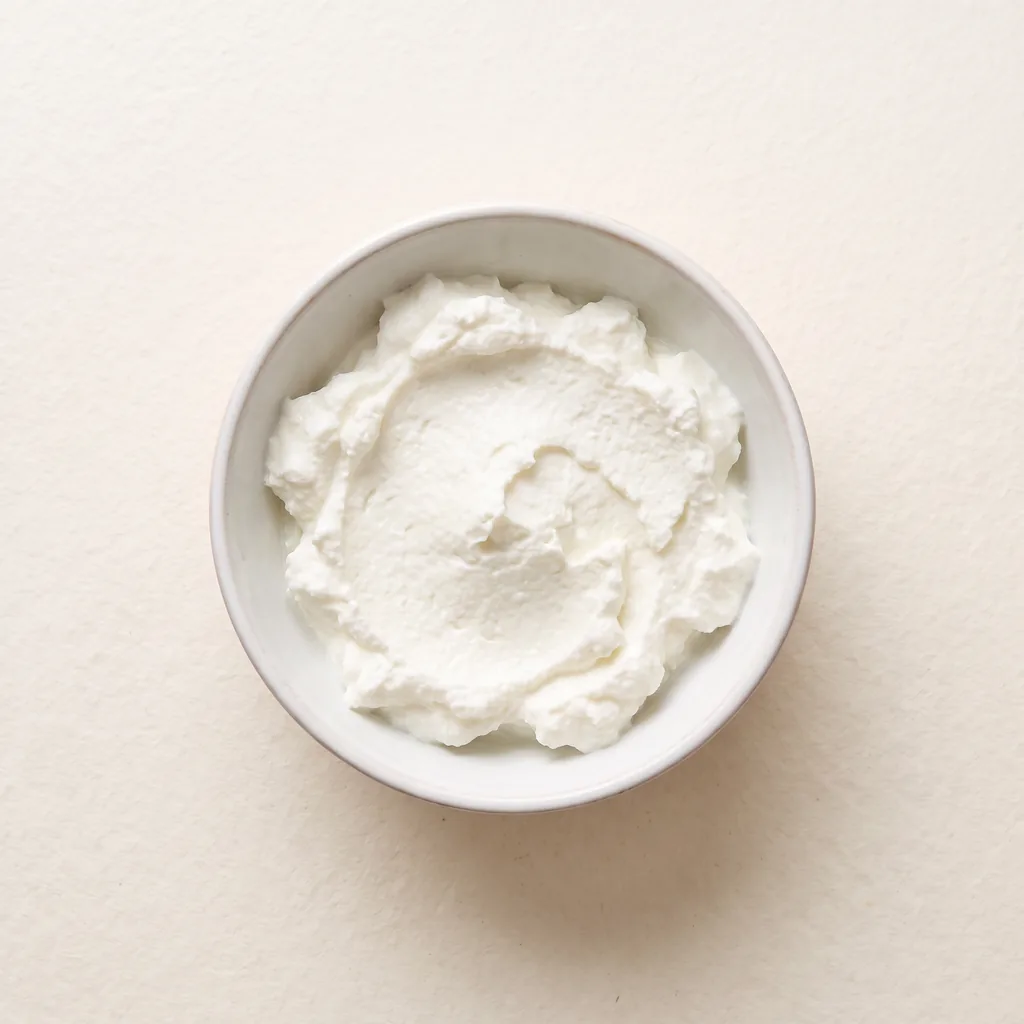
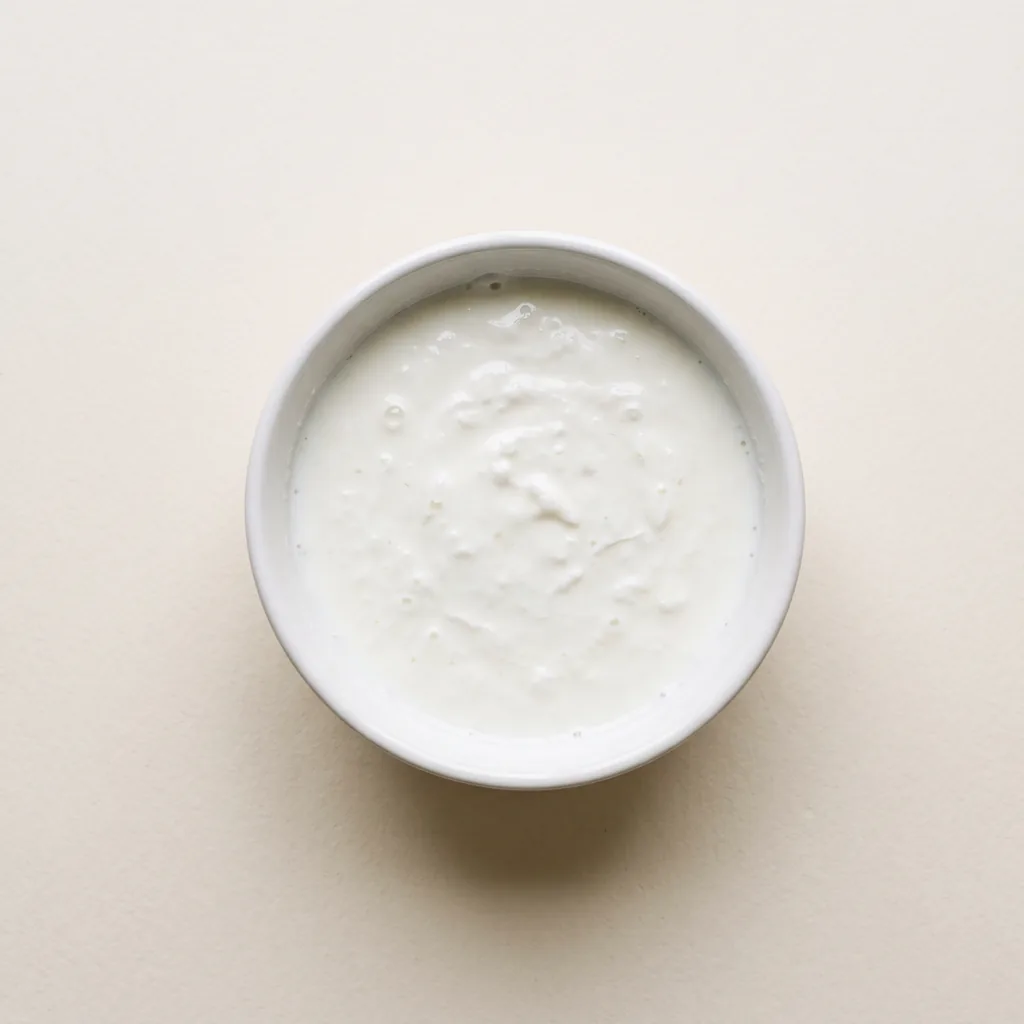
Kefir prepared for 6 months

Serve full-fat, pasteurized, plain kefir mixed into food, not as a drink. Stir it into oat porridge or mashed potato. To thicken it, you can add nut or seed butter, or make a dip with finely chopped herbs. Strained kefir has a yogurt-like texture and is easier to spoon. Kefir made from raw milk is not served.

12 monthsMash

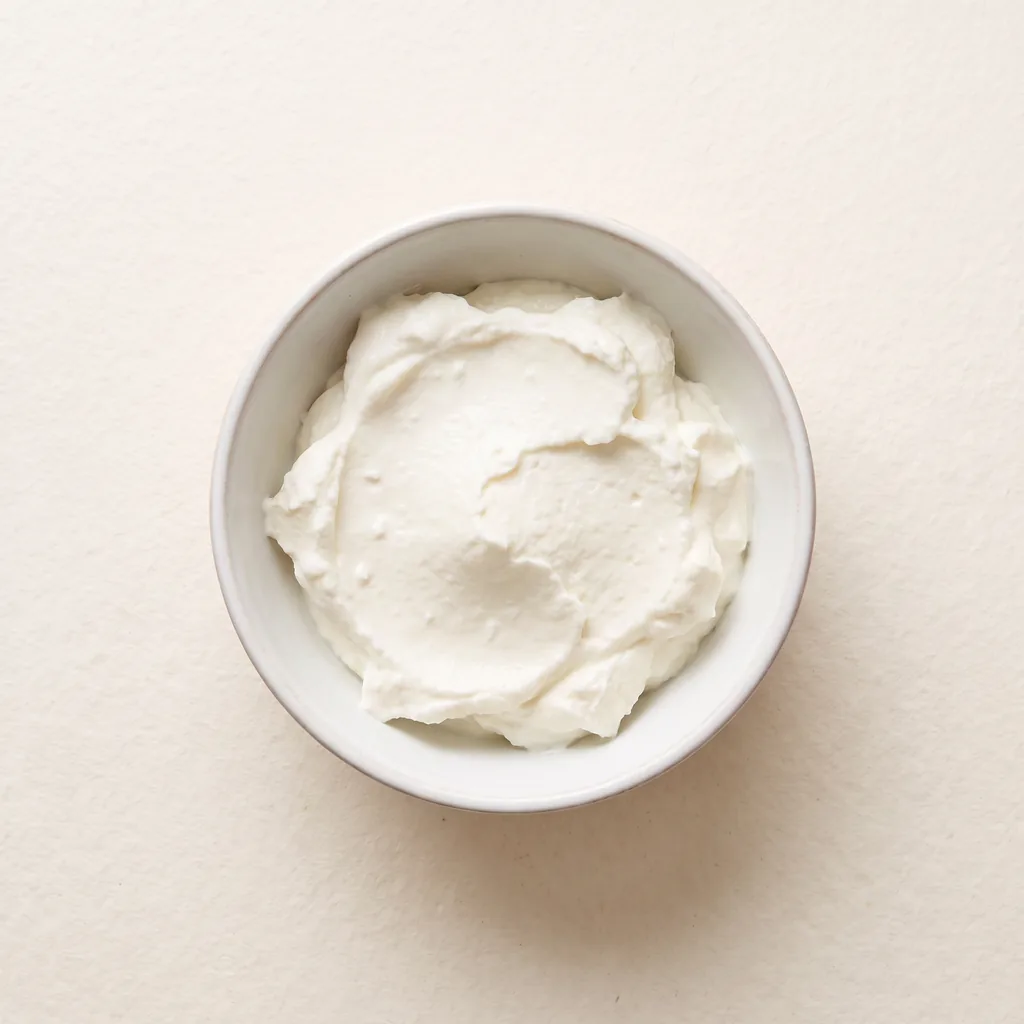
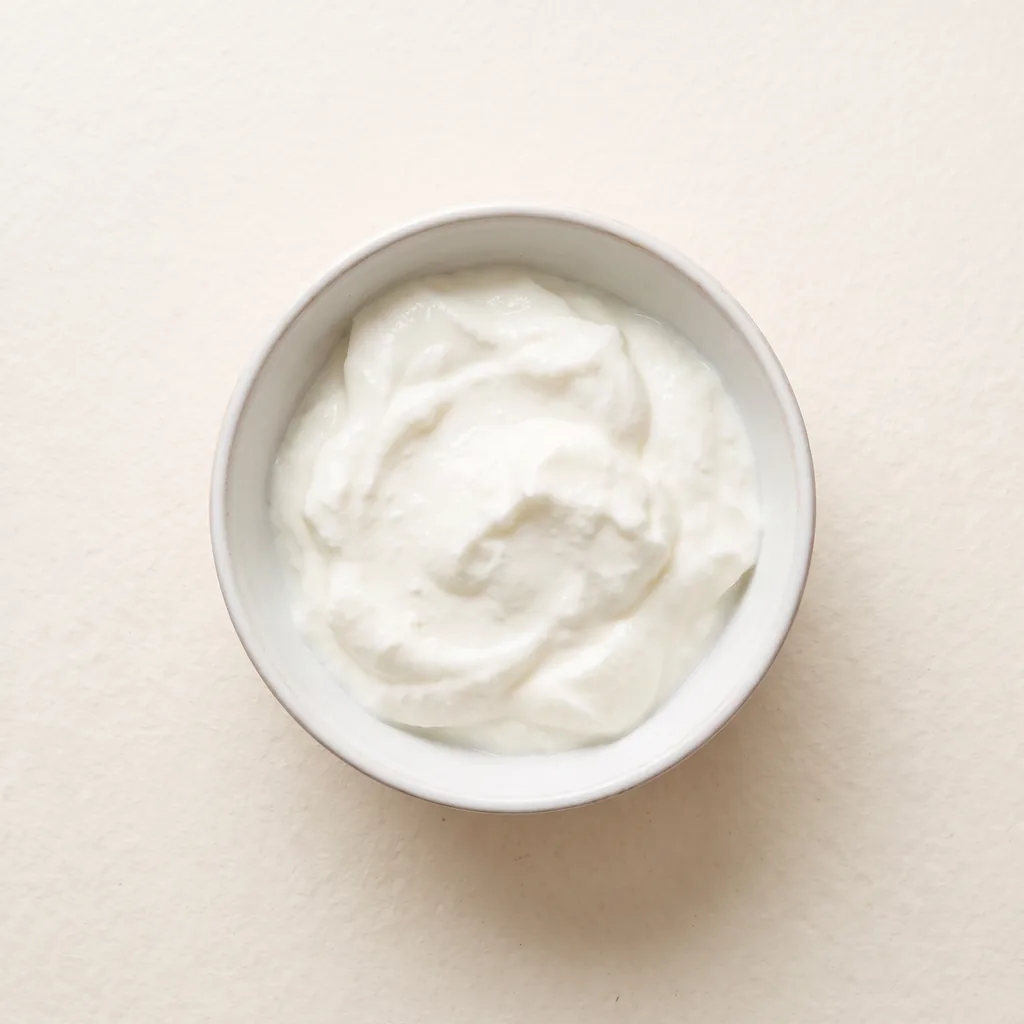
Kefir prepared for 12 months

From this age kefir can be part of a meal or a cup. Make a salted kefir drink with minced mint, or blend it with fruit and freeze it in molds. Two to two and a half servings of dairy a day are enough, and larger amounts may cause iron deficiency anemia. Stay away from kefirs with added sugar.

Choking risk

  1. Low
  2. Medium
  3. High

Kefir is a dairy food with a liquid or semi-liquid texture. On its own it has no hard or round pieces, so it is not a typical solid food choking hazard.

But as with any liquid, your baby may cough or some liquid may go down the wrong way while drinking kefir.

Between 6 and 12 months, you can use small amounts of kefir in dishes with a suitable texture.

After 12 months, when you serve it as a drink, choose a cup that lets your child take controlled sips.

Check the texture of any fruit, nuts or other foods you add to kefir separately. Whole nuts and hard pieces of fruit can be a choking risk for young children.

Your baby should sit upright and supported during meals, eat at their own pace and never be left alone.

Frequently asked questions

Is kefir a common allergen?

Milk kefir contains milk proteins, so it counts as a **milk allergen**.

How do you prepare kefir for babies?

For a 6-month-old: Serve full-fat, pasteurized, plain kefir mixed into food, not as a drink. Stir it into oat porridge or mashed potato. To thicken it, you can add nut or seed butter, or make a dip with finely chopped herbs. Strained kefir has a yogurt-like texture and is easier to spoon. Kefir made from raw milk is not served.

Is kefir a choking hazard for babies?

Kefir is a dairy food with a liquid or semi-liquid texture. On its own it has no hard or round pieces, so it is not a typical solid food choking hazard.

When can a baby have kefir?

Once your baby is ready for solids, usually around 6 months, small amounts can be used in meals. It is better to wait until 12 months to serve it as a drink.

Which kefir is best for babies?

Choose plain milk kefir made from pasteurized milk, with no added sugar, and full-fat if possible.

Is kefir a probiotic?

Kefir can contain live microorganisms. But not every kefir can be said to have probiotic properties with a proven clinical benefit.

Is kefir lactose free?

No. Fermentation can lower the lactose content, but standard milk kefir usually contains lactose.

Does kefir contain alcohol?

A small amount of alcohol can form during fermentation. The amount depends on how the kefir is made. For babies, choose products made under reliable production conditions.

Can plant-based kefir replace milk kefir?

Not always. Water kefir and kefirs made from plant drinks can differ from milk kefir in protein, fat, calcium and vitamins. In the first 12 months, do not use them instead of breast milk or formula.

Can too much dairy be a problem?

Yes. Especially after 12 months, too much milk and dairy can crowd out iron-rich foods. The right amount depends on your child's age and overall diet.

Prepared by the Lokmini team | Last updated November 19, 2026

Share:WhatsApp

Want to add this food to your baby's solid food calendar?

Join Lokmini to learn how this food is served at each age and to keep track of every food your baby tries.

Join Lokmini

Starting Solids

When and how to start solids, and what happens in the first week?

Read the guide

Similar foods

Let's get ready for the first bite together

Lokmini builds a day-by-day plan for your baby's age. Leave your email for new guides and our newsletter.

Start Your Journey