Skip to content

Dietitian's view

Kimchi has a high sodium content.

Lokmini is not a healthcare provider and does not offer health services. For your baby's specific needs, talk to your doctor or a dietitian.

  • Fish allergen
  • Shellfish allergen
  • Soy allergen
  • Sesame allergen
  • Vegetables
  • 6 mo+
  • Medium choking risk

Kimchi for babies: when to start

Kimchi can start when your baby is ready for solids, usually around 6 months. Its sodium content can be high, so keep it to a small taste now and then. Kimchi with honey is avoided until 12 months because of infant botulism.

  • Fiber
  • Probiotics
  • Folate
  • Vitamin B6
  • Vitamin C
  • Vitamin K
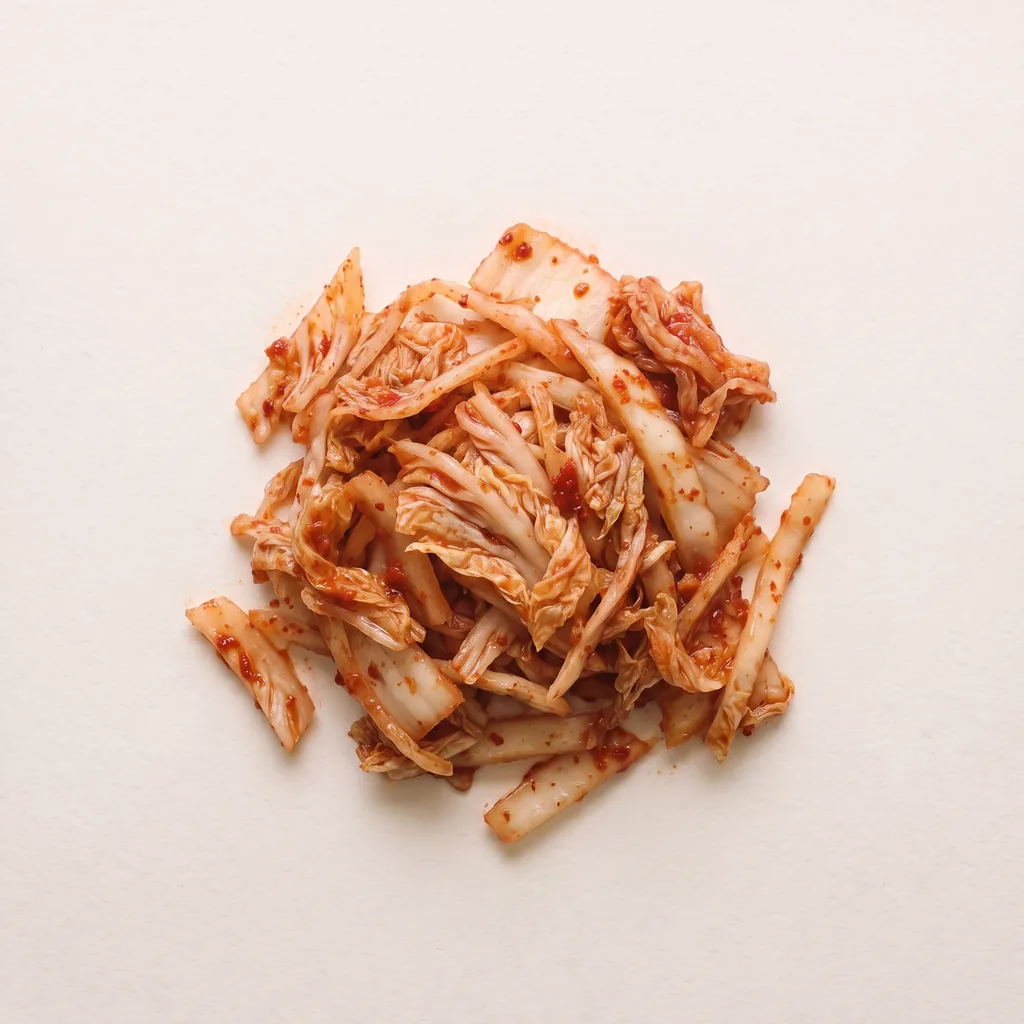
Kimchi prepared for a babyAllergen, day 1/3

About kimchi

Kimchi is the Korean word for vegetables that have been fermented. The well-known version is spicy, garlicky cabbage, but it is also made with cucumber, eggplant, tomato and greens. It provides fiber, probiotics, folate, and vitamins C, K, and B6.

May contain allergens

Many recipes contain anchovy, shrimp, sesame and soy. Read the label. Avoid kimchi with honey until 12 months.

Also known as: kimchi, kimçi, kore turşusu, kore lahana turşusu

  • Contains fish
  • Contains shellfish

Kimchi is offered 3 days in a row

So that any reaction can be linked to the right food, kimchi is offered 3 days in a row and no other new food is tried on those days.

  1. 1/3

    First taste

    Start with a small amount in the morning or around midday. Your baby is watched closely for 5 to 10 minutes after the first bite.

  2. 2/3

    Same food, same calm

    Kimchi is offered again the same way. No other new food is tried today.

  3. 3/3

    Introduction done

    If no reaction was seen, kimchi is now part of your baby's meals. It keeps being offered regularly.

Emergency

If your baby has trouble breathing or swelling of the face or tongue, call 911 (or your local emergency number) right away.

About kimchi allergy

Kimchi contains common allergens. Many recipes use anchovy (fish) and shrimp (shellfish). Sesame and soy are also frequent. Cabbage allergy is very rare. A baby with an allergy to mustard seed or mustard greens could react to kimchi.

Store-bought kimchi has many ingredients, so always read the label. Before serving kimchi, introduce the allergens in it to your baby one by one. Then, if a reaction happens, you can tell which food caused it. Keep the first servings small.

How to prepare it by age

6 monthsMash or strip
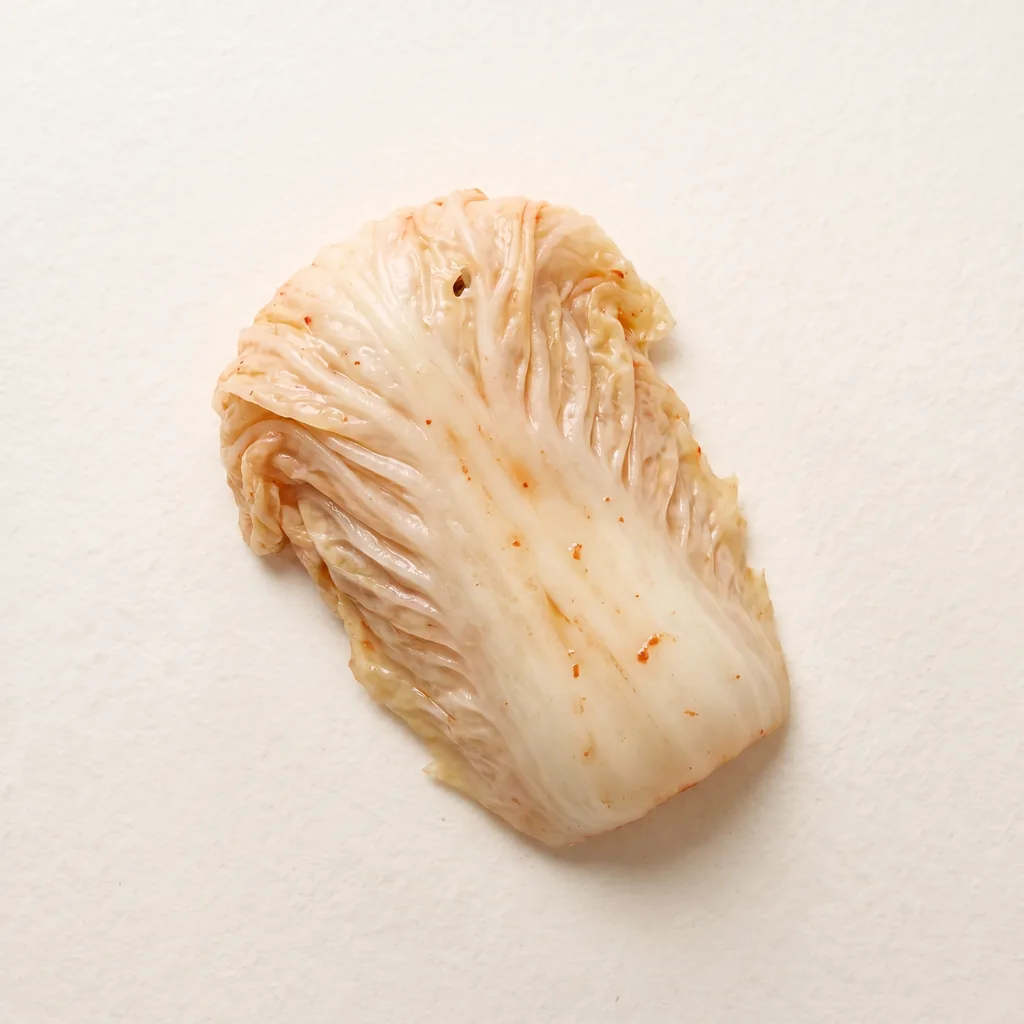
Kimchi prepared for 6 months

Cut: Finely chopped

Chop kimchi very fine. Stir it into rice, noodles or porridge. You can also fold it into pancake strips or large soft meatballs. To cut spice and salt, rinse it under running water before chopping. Read the label. Introduce the fish, shrimp, sesame and soy in it to your baby separately first.

Cut: Finger strip

You can hand over one big chunk of kimchi, roughly as wide as two grown-up fingers together. Your baby will eat very little, but gets to know the taste. Rinse it first to reduce the heat.
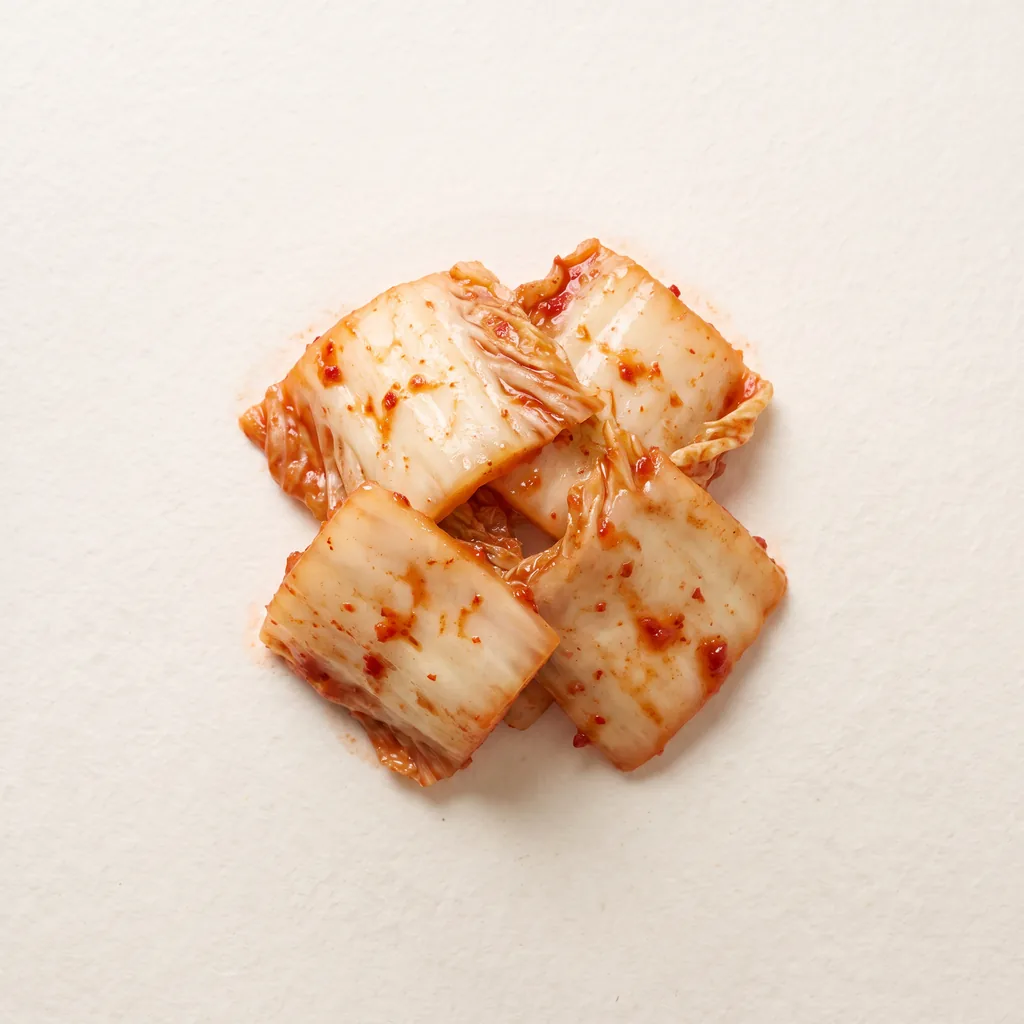
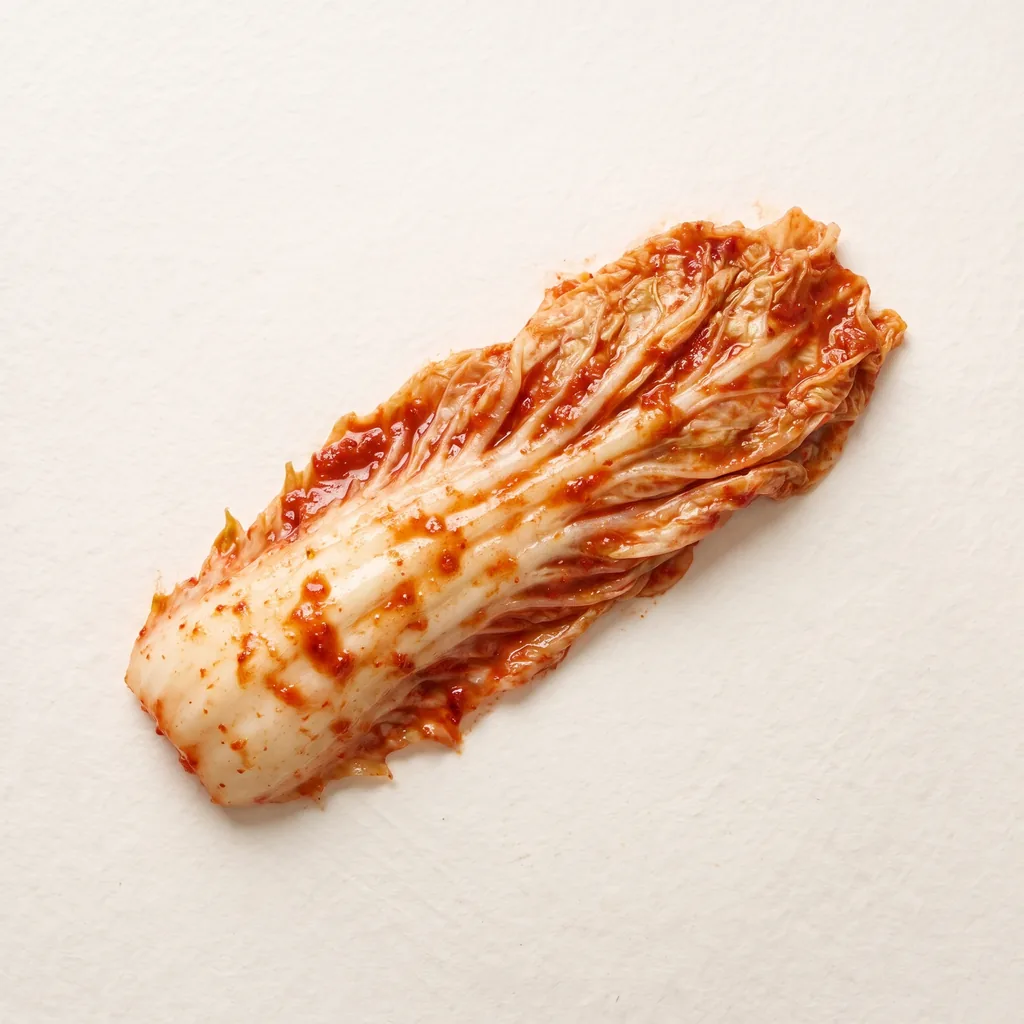
9 monthsCube

Kimchi prepared for 9 months

Cut: Bite sized piece

Chop kimchi into bite-sized pieces. Serve it alone or stir it into a family dish. Its texture depends on the vegetables and on how long it fermented. Check that firm pieces like cabbage and radish are soft enough to mash with the gums. If not, take them out of your baby's portion or mince them.

12 monthsStrip

Kimchi prepared for 12 months

You can serve kimchi however you like. Larger pieces are fine for practicing bites and tears. Serve it on its own or inside a mixed dish.

Choking risk

  1. Low
  2. Medium
  3. High

Kimchi can carry a choking risk depending on its ingredients and fermentation time. Some is soft and easy to chew. Some is slippery and hard to chew. Prepare it to suit your child's age. Stay close at meals, within arm's reach.

Hard and slippery pieces

Do not give a young baby large pieces of hard cabbage or radish. Chop them fine.

Frequently asked questions

How do you prepare kimchi for babies?

For a 6-month-old: Chop kimchi very fine. Stir it into rice, noodles or porridge. You can also fold it into pancake strips or large soft meatballs. To cut spice and salt, rinse it under running water before chopping. Read the label. Introduce the fish, shrimp, sesame and soy in it to your baby separately first.

Is kimchi a choking hazard for babies?

Kimchi can carry a choking risk depending on its ingredients and fermentation time. Some is soft and easy to chew. Some is slippery and hard to chew. Prepare it to suit your child's age. Stay close at meals, within arm's reach.

When can a baby eat kimchi?

Once your baby is ready for solids, usually around 6 months. Choose a product with no honey and check the label.

Isn't kimchi too spicy?

Rinse it under running water to lower the heat and salt. Chop it fine and mix it into porridge or rice.

Which allergens does kimchi contain?

Many recipes include anchovy, shrimp, sesame and soy. Read the label and try these foods separately first.

Is kimchi salty?

Its sodium can be high. Since babies eat only a little, an occasional taste is usually fine.

Can I give kimchi made with honey?

Avoid kimchi with honey until 12 months. There is a risk of infant botulism.

Prepared by the Lokmini team | Last updated November 17, 2026

Share:WhatsApp

Want to add this food to your baby's solid food calendar?

Join Lokmini to learn how this food is served at each age and to keep track of every food your baby tries.

Join Lokmini

Starting Solids

When and how to start solids, and what happens in the first week?

Read the guide

Similar foods

Let's get ready for the first bite together

Lokmini builds a day-by-day plan for your baby's age. Leave your email for new guides and our newsletter.

Start Your Journey