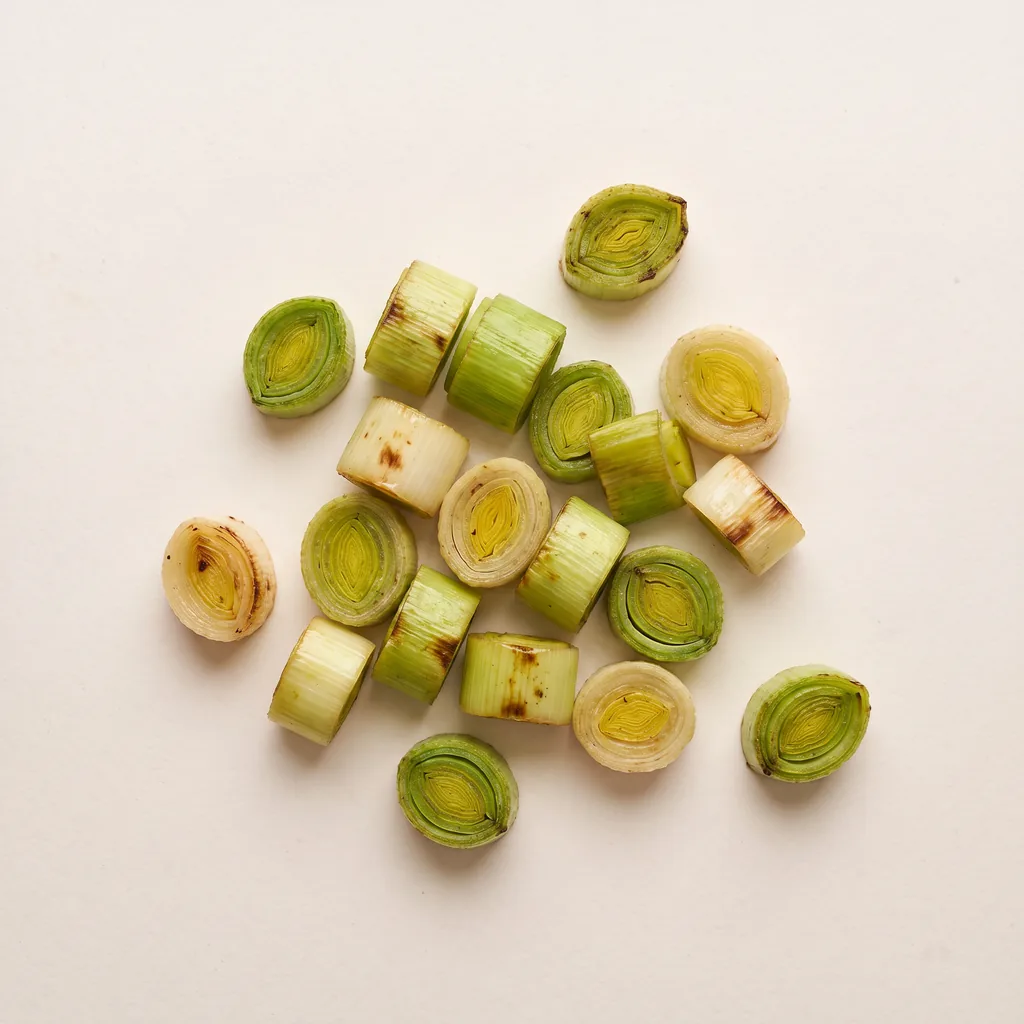
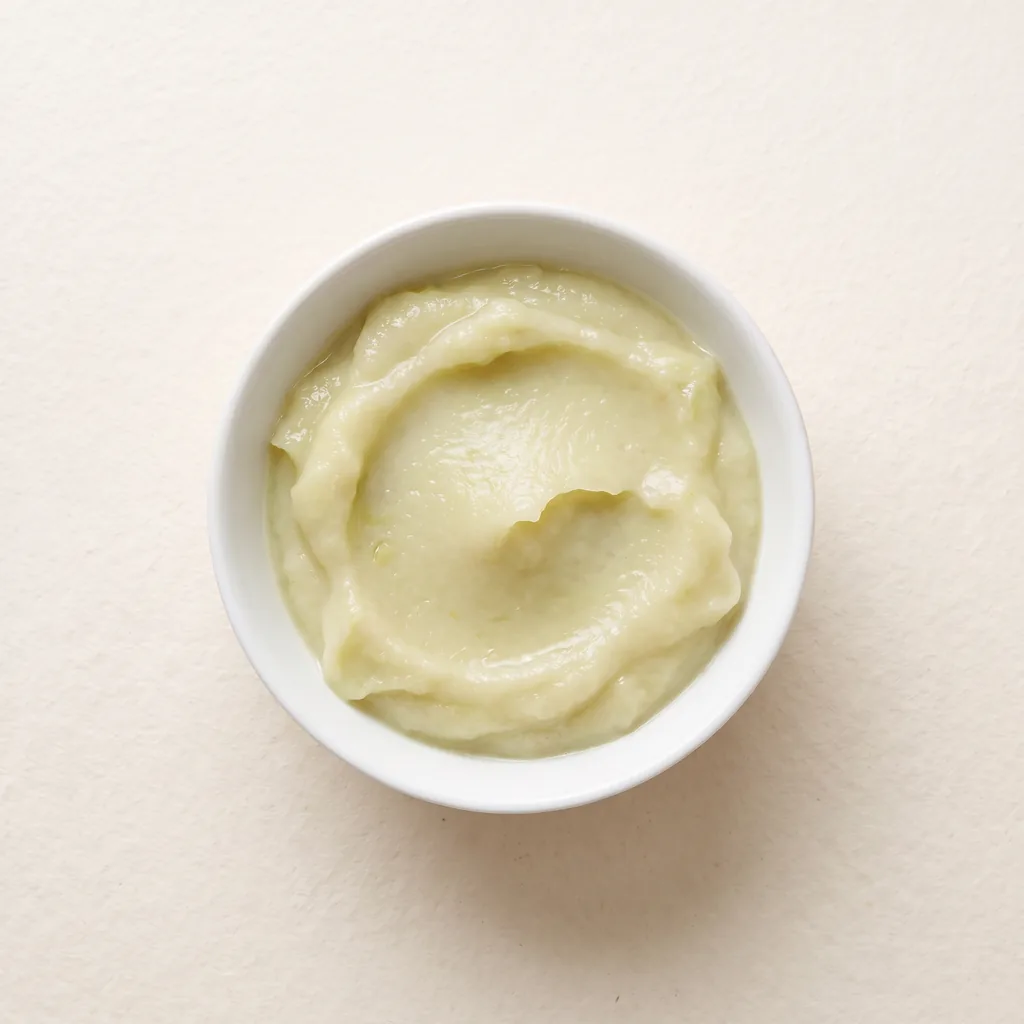
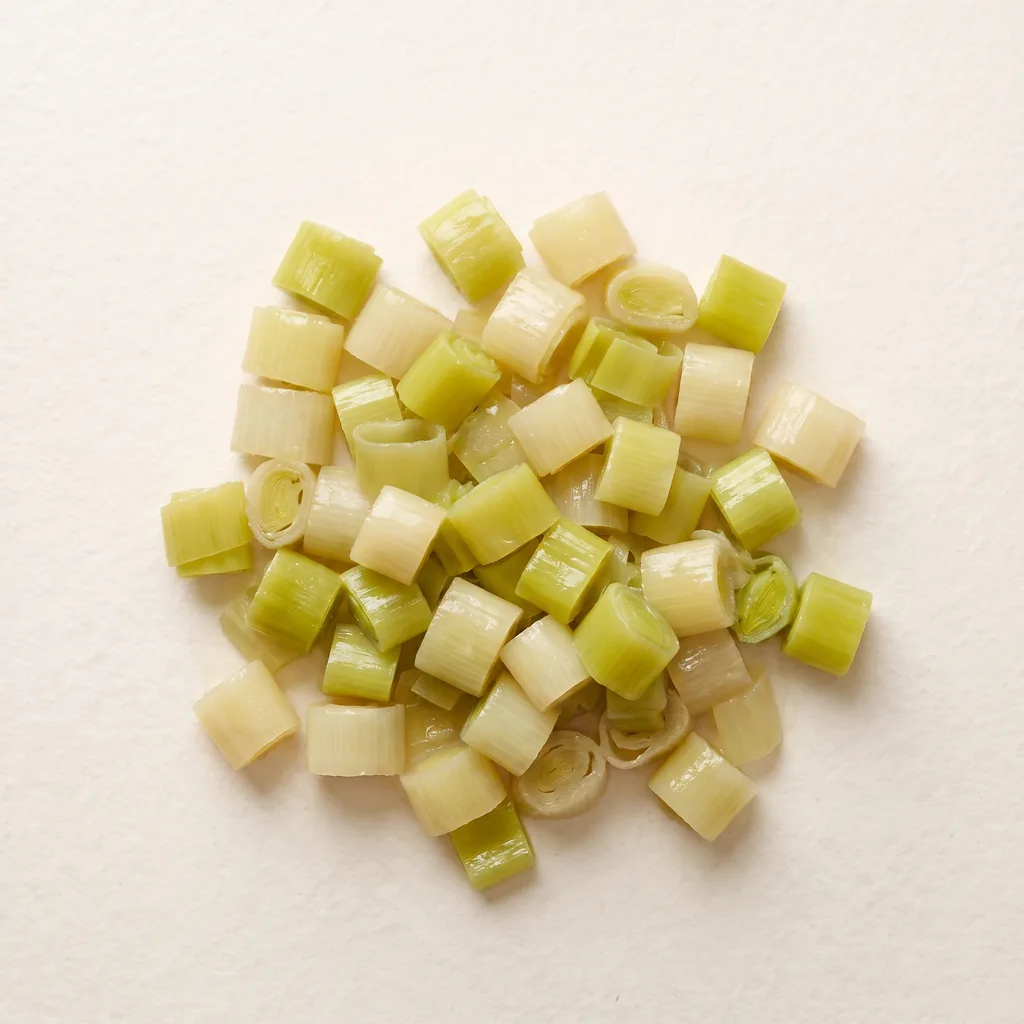
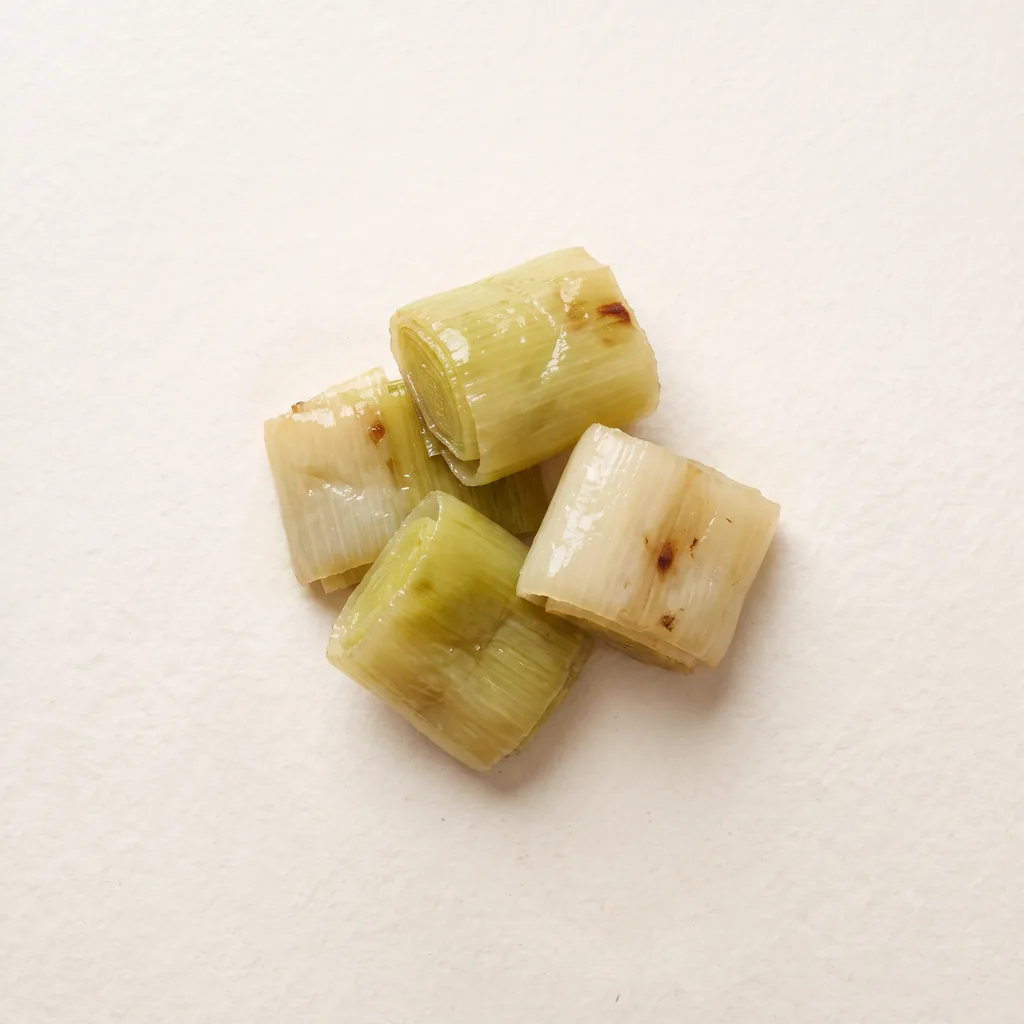
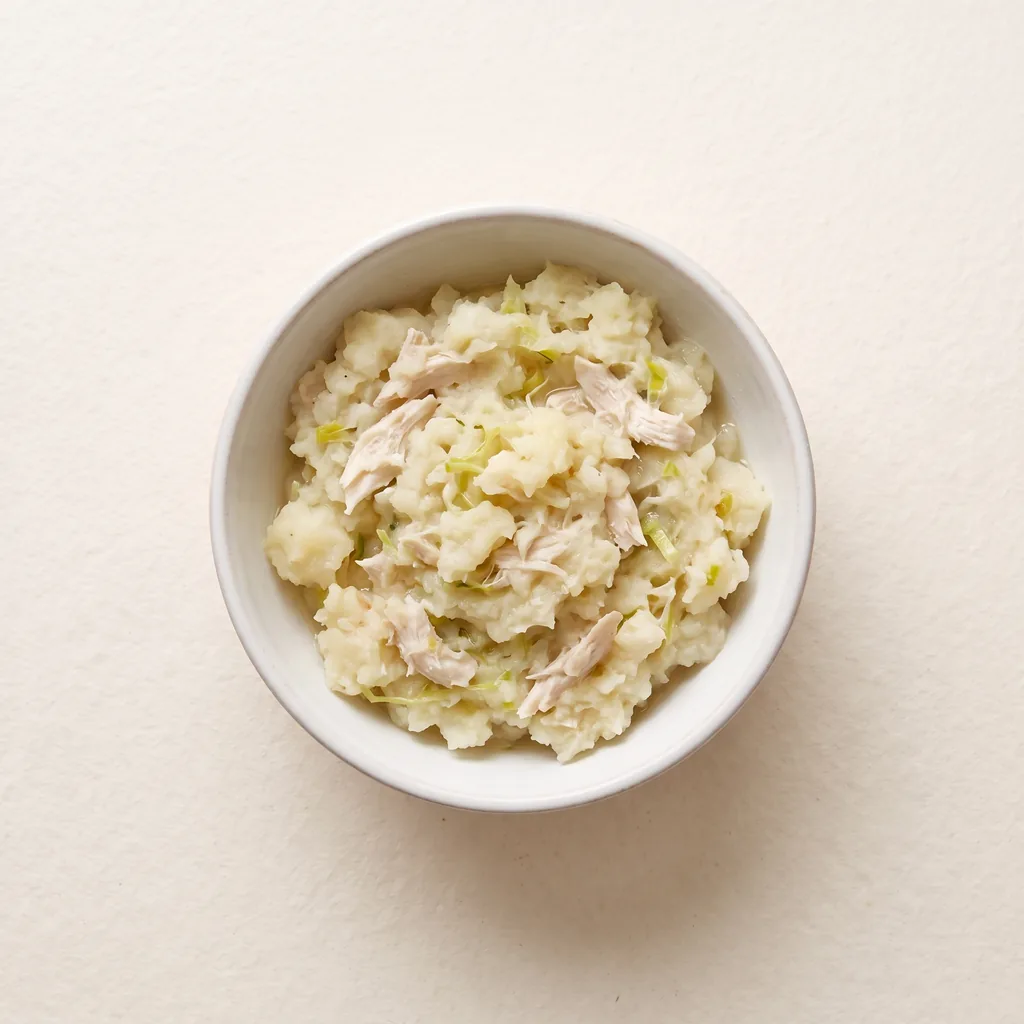
Leek is not a common food allergen. Allergic reactions to leek have rarely been reported.
Leek is in the same Allium genus as onion, garlic and chives. Cross-reactions can happen between these plants because some of their allergen proteins are similar. But this does not mean that everyone allergic to one of these foods will also be allergic to the others.
Some plant allergens are sensitive to heat. So some people who react to raw leek may tolerate cooked leek. But cooking does not inactivate all allergens and does not guarantee safe eating for people with an allergy.
In pollen food allergy syndrome, the mouth may itch or burn or the lips may swell slightly. Even so, evidence that leek causes clinically meaningful cross-reactions with grass or mugwort pollen is limited.
When you offer leek for the first time, start with a small amount. If you see no allergy signs, you can increase the amount at later meals.
If you see signs such as hives, repeated vomiting or lip swelling, stop giving leek and get a medical assessment. If you see serious signs such as trouble breathing or swelling of the tongue or throat, call emergency services right away.