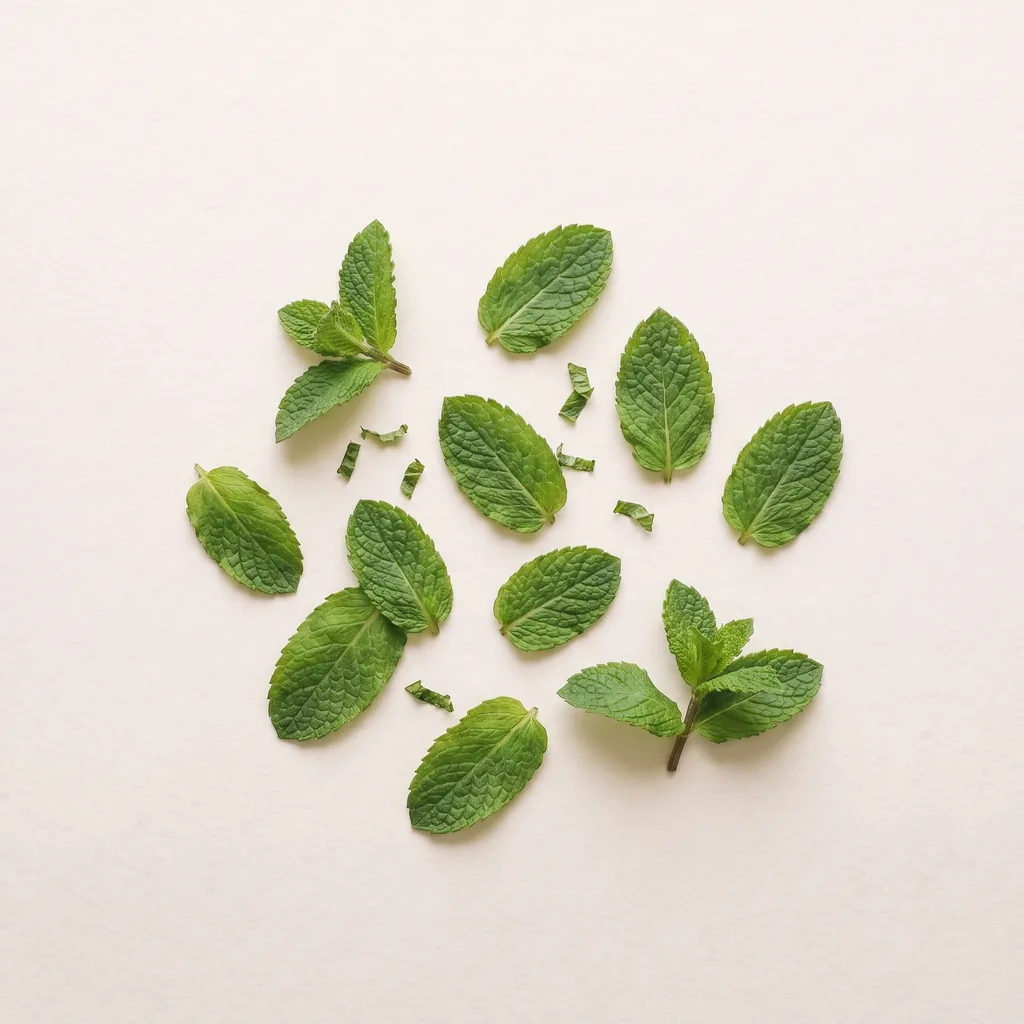
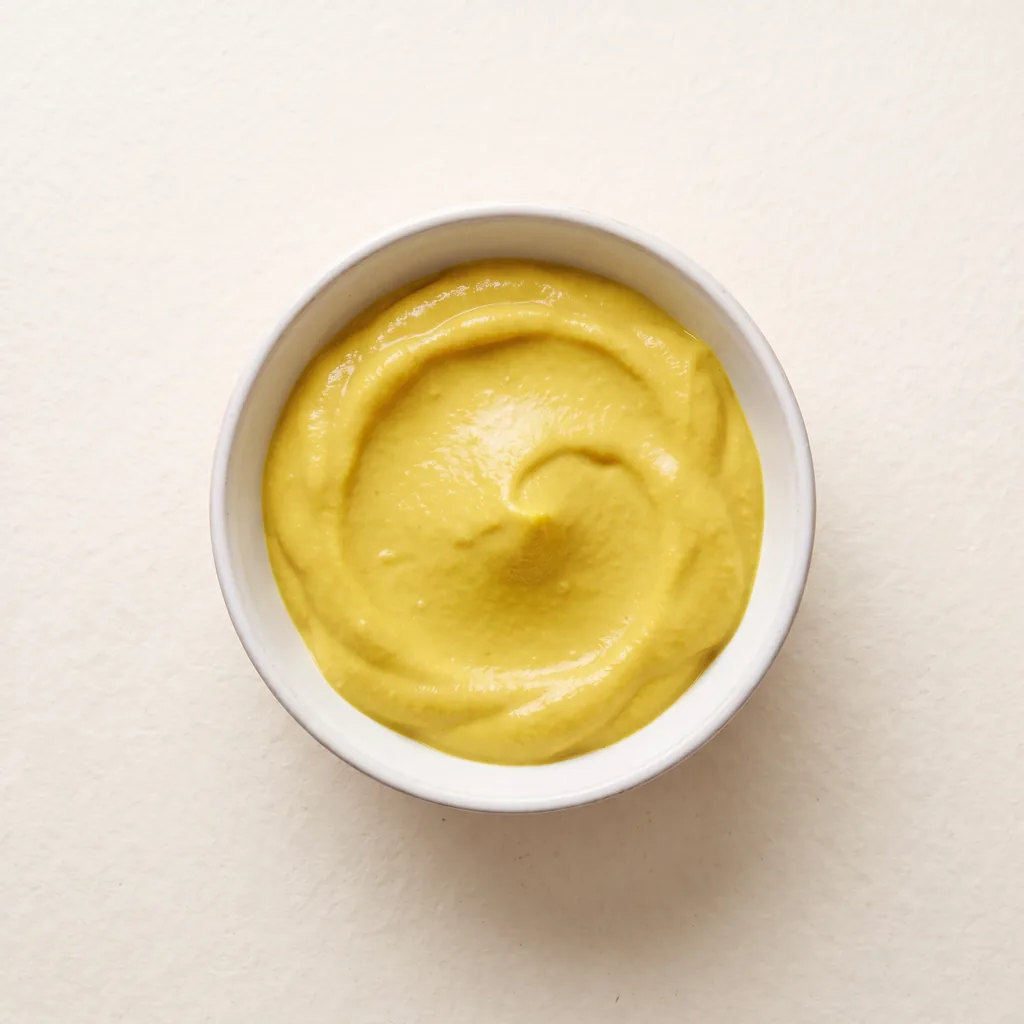
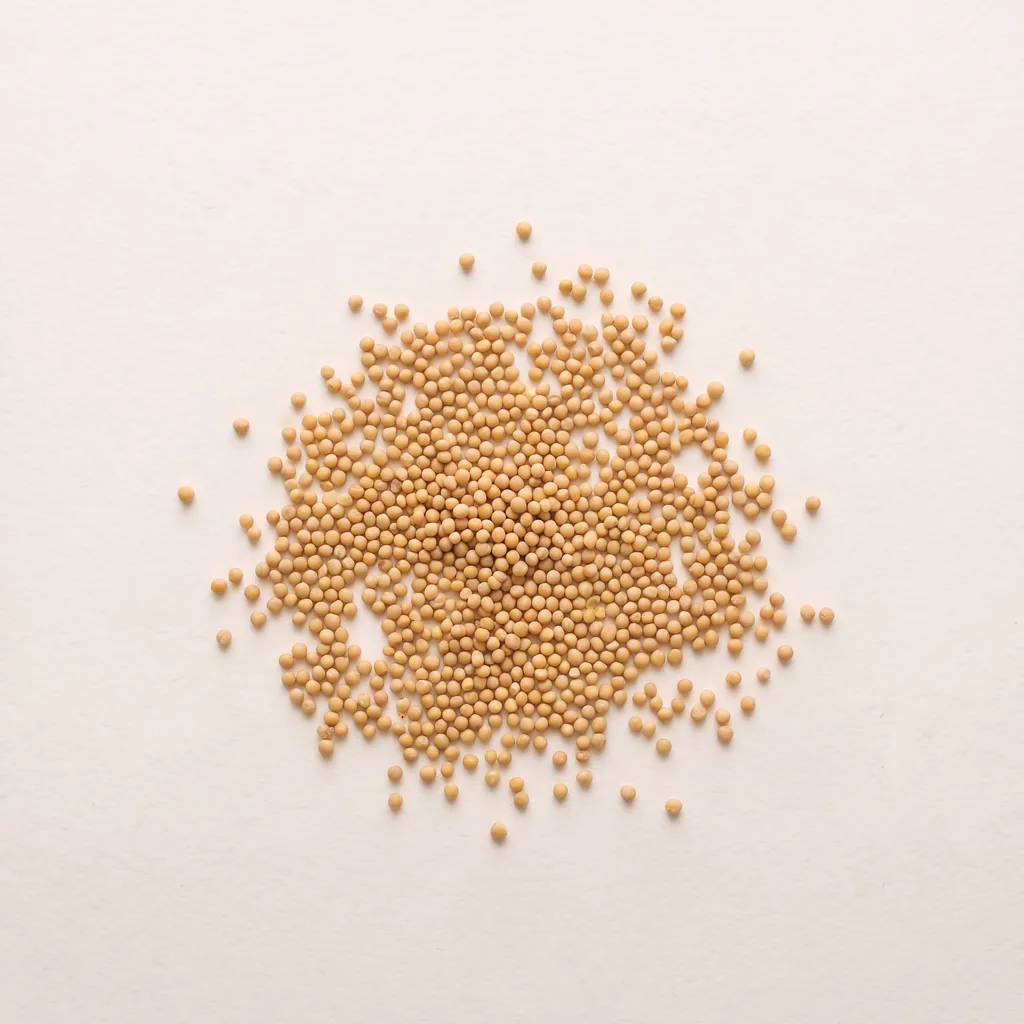
6 monthsMash
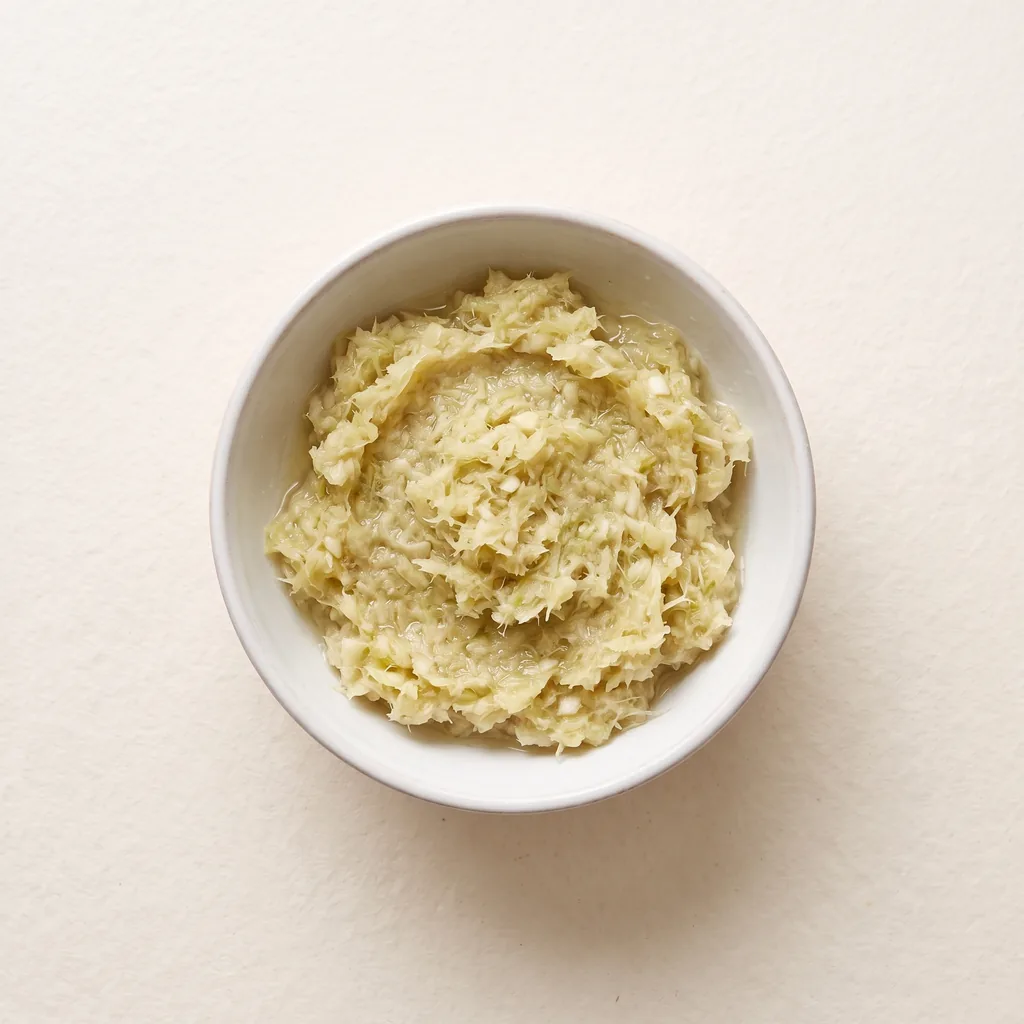
Chop or grate powdered, fresh or frozen lemongrass very fine, or pound it into a paste. Use it to flavor sauces and stews you share with your baby. If the dish has stalk pieces or round slices, take them out before serving.
Dietitian's view
Lemongrass is not a priority food.
Lokmini is not a healthcare provider and does not offer health services. For your baby's specific needs, talk to your doctor or a dietitian.
Lemongrass can start when your baby is ready for solids, usually around 6 months. It comes from the tropical parts of South and Southeast Asia, where it is used in both cooking and traditional remedies. Its thick stalks have a strong lemony smell and a bold taste. They brighten sauces, soups and stews. The leaves are not eaten, but together with the stalks they go into tea and into flavored stock.
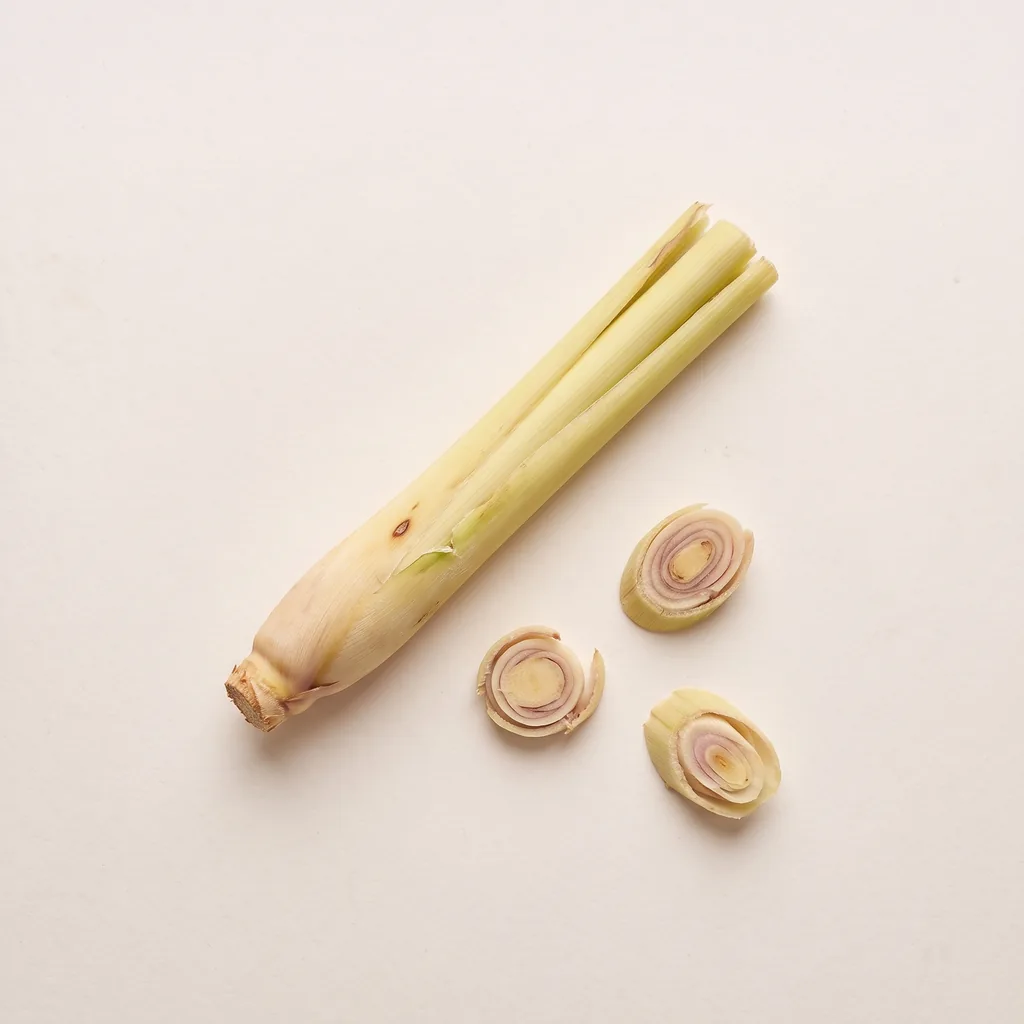
It is not eaten in amounts that matter nutritionally. Still, it holds a little vitamin C, zinc, potassium and iron, and it has antioxidant properties.
Also known as: lemongrass, limon çimi, limon otu, Cymbopogon, limon sarısı otu
6 monthsMash
Chop or grate powdered, fresh or frozen lemongrass very fine, or pound it into a paste. Use it to flavor sauces and stews you share with your baby. If the dish has stalk pieces or round slices, take them out before serving.
12 monthsMash
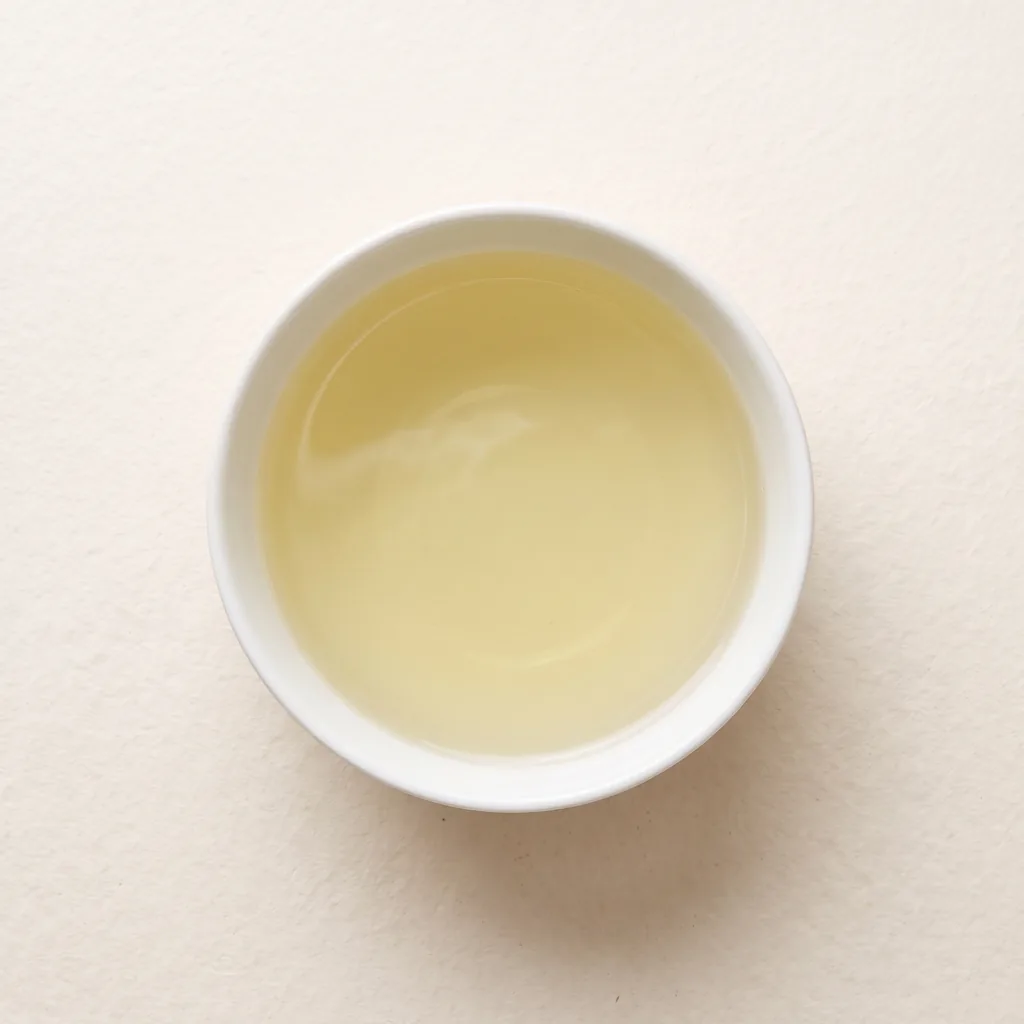
Cook with it as usual, but pull out any large stalk pieces before serving. From this age on, lemongrass tea is fine in an open cup once it has cooled down.
The answer depends on the form. Minced or ground lemongrass is a small risk. Big chunks are tough and chewy, which makes choking more likely. Take stalk pieces out of the dish before serving. Stay close at meals, within arm's reach.
Stalk pieces
Do not serve a dish to your baby before removing lemongrass stalk pieces and round slices.
Lemongrass is not a common allergen. Even so, allergic reactions to lemongrass have been reported. When you work with lemongrass, wash your hands and any skin it touches. The oils in it may irritate skin and trigger allergic or contact dermatitis for some. Keep the first few servings small.
Prepared by the Lokmini team | Last updated November 17, 2026
Join Lokmini to learn how this food is served at each age and to keep track of every food your baby tries.
Lokmini builds a day-by-day plan for your baby's age. Leave your email for new guides and our newsletter.
Start Your Journey