Skip to content

Dietitian's view

Lettuce is a suitable food in terms of nutritional value. Still, it can carry a choking risk.

Lokmini is not a healthcare provider and does not offer health services. For your baby's specific needs, talk to your doctor or a dietitian.

  • Vegetables
  • 6 mo+
  • Medium choking risk

Lettuce for babies: when to start

You can start lettuce once your baby is ready for solids, which is usually near 6 months. The youngest eaters find it hard to chew and swallow, though, so match the form to their age.

  • Vitamin A
  • Vitamin K
  • Potassium
  • Fiber
  • Water
Lettuce prepared for a baby

About lettuce

People first grew lettuce in the fertile region that joins Africa, Asia and Europe, and wild plants persist in parts of it. Modern types include butterhead, crisphead, long-leaf, loose-leaf and celtuce. Some cultures eat lettuce raw and others cook it lightly.

Nutrition varies by type, but most lettuce is mainly water, with vitamin A, vitamin K, potassium and fiber.

Also known as: marul, göbek marul, kıvırcık, yeşil salata

  • Gluten-free
  • Vegan

How to prepare it by age

6 monthsStrip or mash
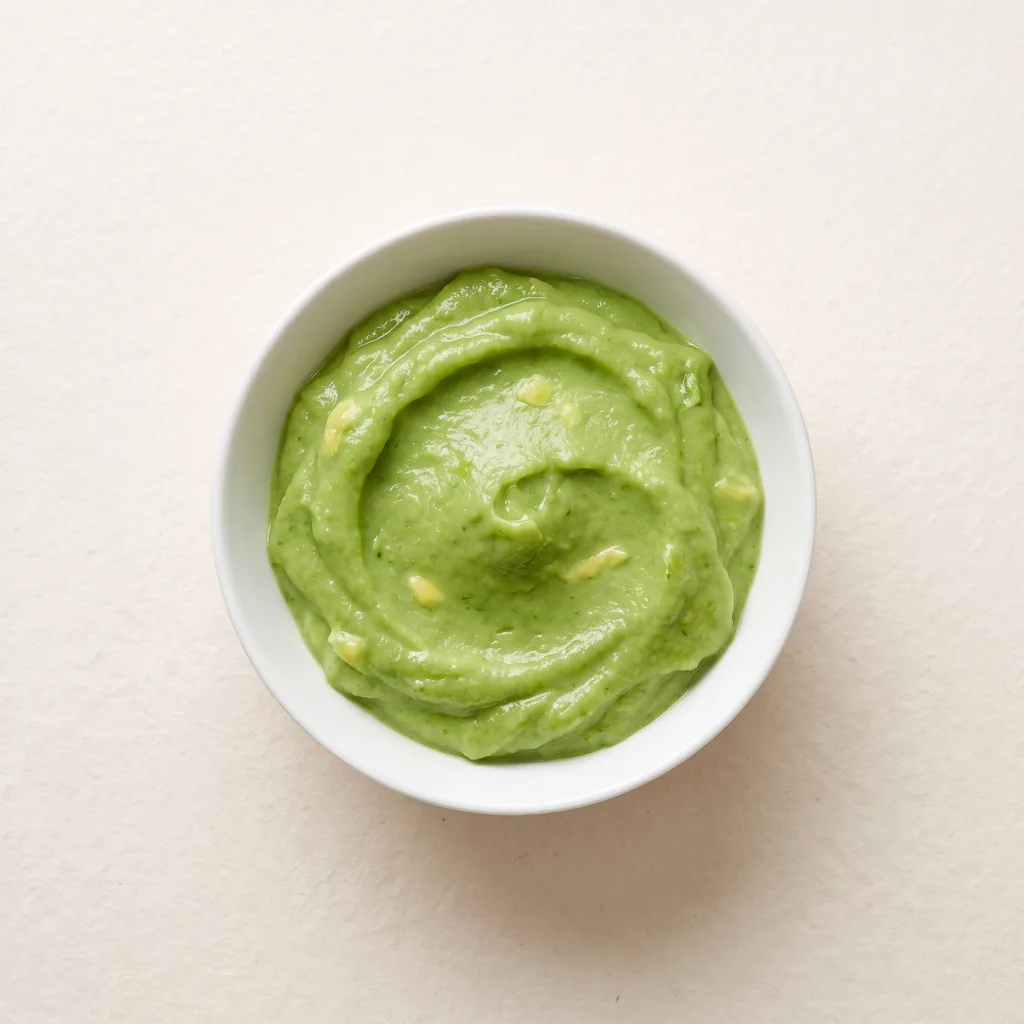
Lettuce prepared for 6 months

Cut: Finger strip

Offer the thick, firm ribs that grow from the core of the head and remove the flimsy leafy part. At this age babies do not swallow lettuce, they gnaw on it and soothe their gums, which builds oral-motor skills. You can also chop cooked lettuce very fine and stir it into scoopable foods.

Cut: Finely chopped

Lightly cook the lettuce and chop it very fine. Stir it into a spoonable food such as yogurt, mash or porridge. Offering greens early and often may reduce refusal of greens later.
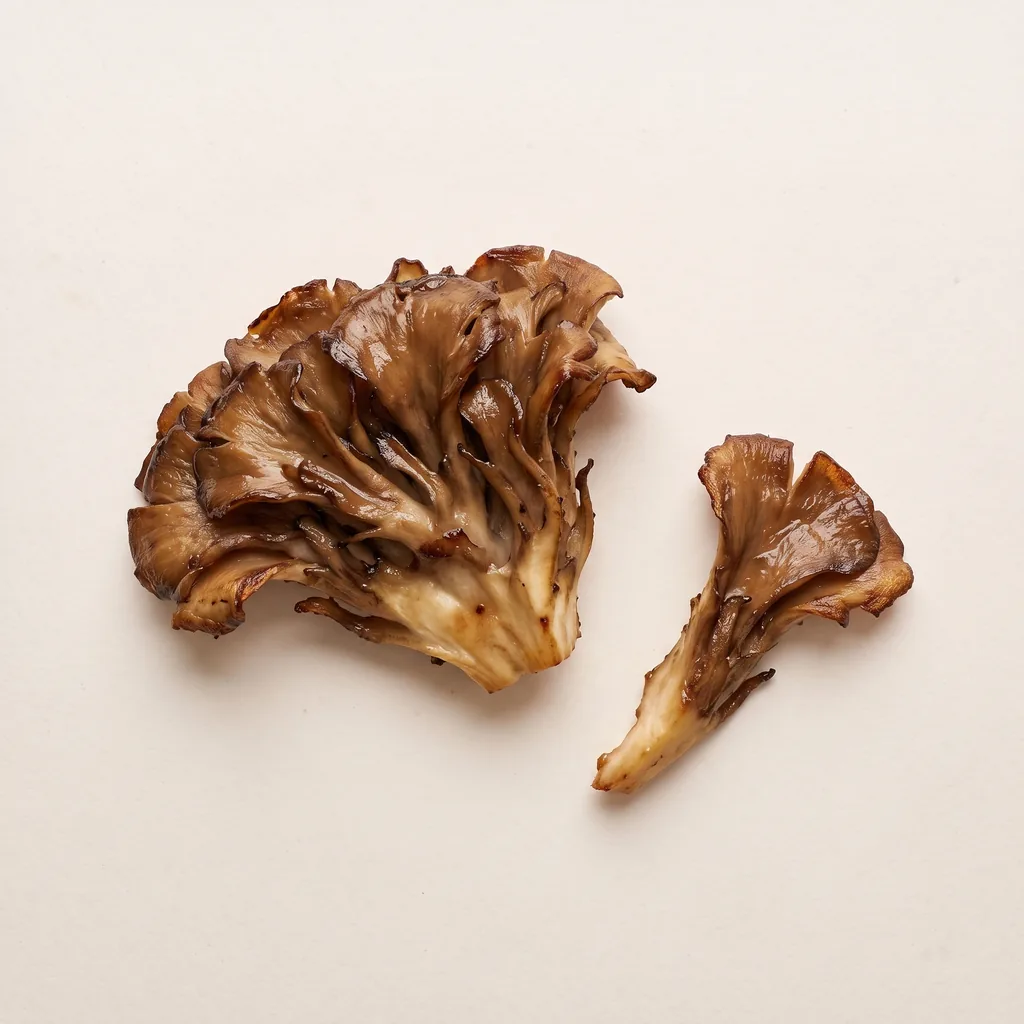
9 monthsCube

Cut: Finely chopped

Chop or shred the lettuce (rib or leaf) finely so your baby can pick it up with the fingertips. Greens can stick to the back of the roof of the mouth. Tossing them with a homemade dressing helps stuck bits slide along. Give a little water in an open cup too. Thick ribs remain a good tool to practice biting and tearing.

12 monthsCube

Cut: Finely chopped

Serve cooked or raw lettuce shredded or chopped as finger food or for spoon practice. Whole leaves give the same biting and tearing practice. Eat alongside your child to show how it is done, and show how to dip lettuce in dressing. If your child refuses, do not pressure, and keep it on the table.

Choking risk

  1. Low
  2. Medium
  3. High

Lettuce is not a common choking hazard. Even so, small bits of lettuce carry an aspiration risk. Aspiration means food or liquid slips into the airway without blocking it. Leaves that cling to your baby's tongue or palate can cause gagging and coughing. An open cup of water can help pieces go down. Stay close at meals, within arm's reach.

Clinging leaf

If a leaf sticks to the palate, stay calm and let your baby work the piece forward.

Allergen information

Lettuce allergy is rare, but it can be severe when it occurs. A lettuce allergy may carry over to lipid transfer proteins found in other plant foods, for example peach, cherry, carrot, grape, corn and some nuts. Still, most people with lettuce allergy do not react to all of these foods.

People with oral allergy syndrome, especially those sensitive to plane tree pollen, may react to lettuce too. The sign is usually brief itching, tingling or burning in the mouth. Cooking lettuce may lessen the reaction, or even remove it. Keep the first few servings small and plain.

Severe reaction

If you see lip swelling, hives or trouble breathing, get medical help right away.

Frequently asked questions

Is lettuce a common allergen?

Lettuce allergy is rare, but it can be severe when it occurs. A lettuce allergy may carry over to lipid transfer proteins found in other plant foods, for example peach, cherry, carrot, grape, corn and some nuts. Still, most people with lettuce allergy do not react to all of these foods.

How do you prepare lettuce for babies?

For a 6-month-old: Offer the thick, firm ribs that grow from the core of the head and remove the flimsy leafy part. At this age babies do not swallow lettuce, they gnaw on it and soothe their gums, which builds oral-motor skills. You can also chop cooked lettuce very fine and stir it into scoopable foods.

When can a baby eat lettuce?

Once ready for solids, usually around 6 months. At first offer thick ribs and chop the leaves finely.

Is lettuce a choking risk?

Not a common one, but small bits carry an aspiration risk and can cling and cause gagging. Offer water in an open cup.

How do I wash lettuce?

Rinse it thoroughly in the cold tap. You do not need soap or vinegar.

Can lettuce be cooked?

Yes. Cooking makes it easier to swallow and may lessen oral allergy syndrome reactions.

Prepared by the Lokmini team | Last updated November 17, 2026

Share:WhatsApp

Want to add this food to your baby's solid food calendar?

Join Lokmini to learn how this food is served at each age and to keep track of every food your baby tries.

Join Lokmini

Starting Solids

When and how to start solids, and what happens in the first week?

Read the guide

Similar foods

Let's get ready for the first bite together

Lokmini builds a day-by-day plan for your baby's age. Leave your email for new guides and our newsletter.

Start Your Journey