Skip to content

Dietitian's view

Lima bean is not common in Türkiye.

Lokmini is not a healthcare provider and does not offer health services. For your baby's specific needs, talk to your doctor or a dietitian.

  • Legumes allergen
  • Legumes
  • 6 mo+
  • Medium choking risk

Lima bean for babies: when to start

Lima beans can start when your baby is ready for solids, usually around 6 months. Cook them all the way through, since raw or underdone lima beans can make people sick.

  • Iron
  • Zinc
  • Plant protein
  • Fiber
  • Folate
  • Choline
Lima bean prepared for a babyAllergen, day 1/3

About lima bean

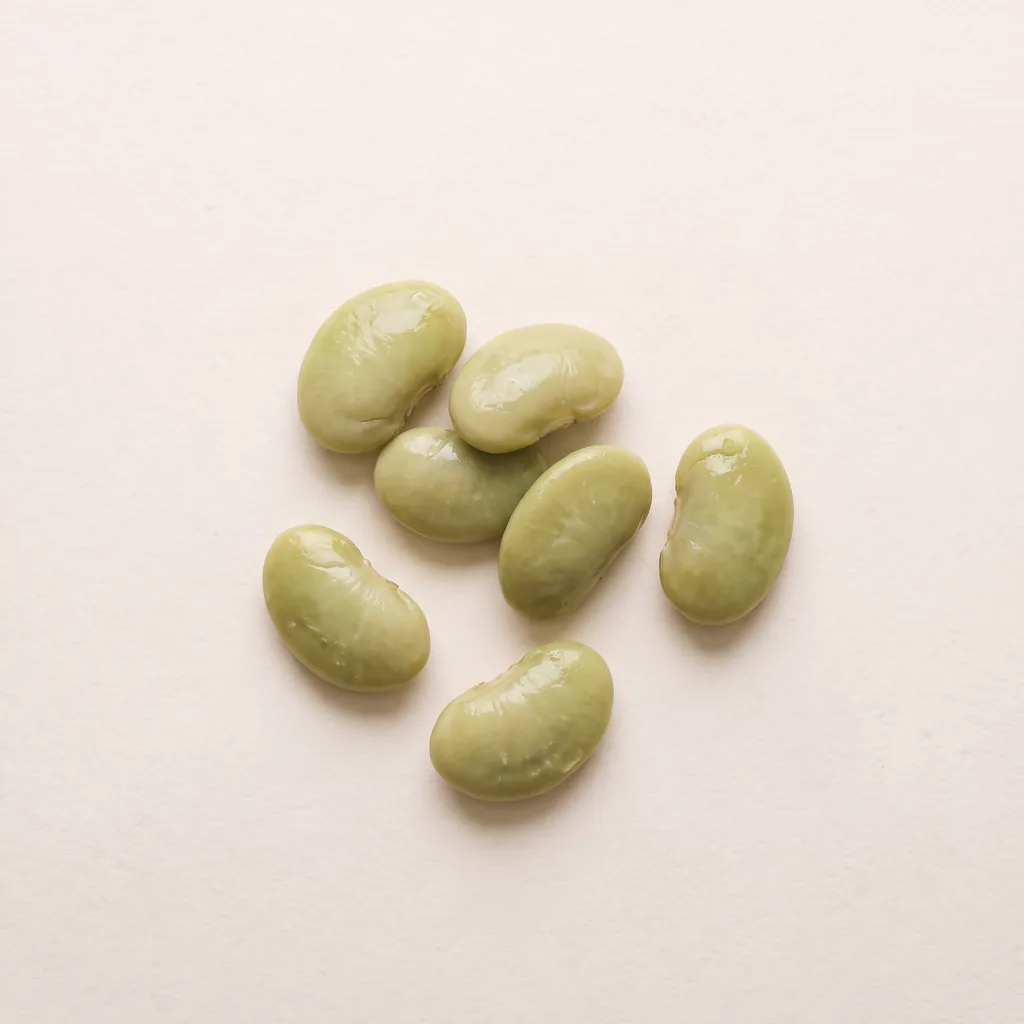
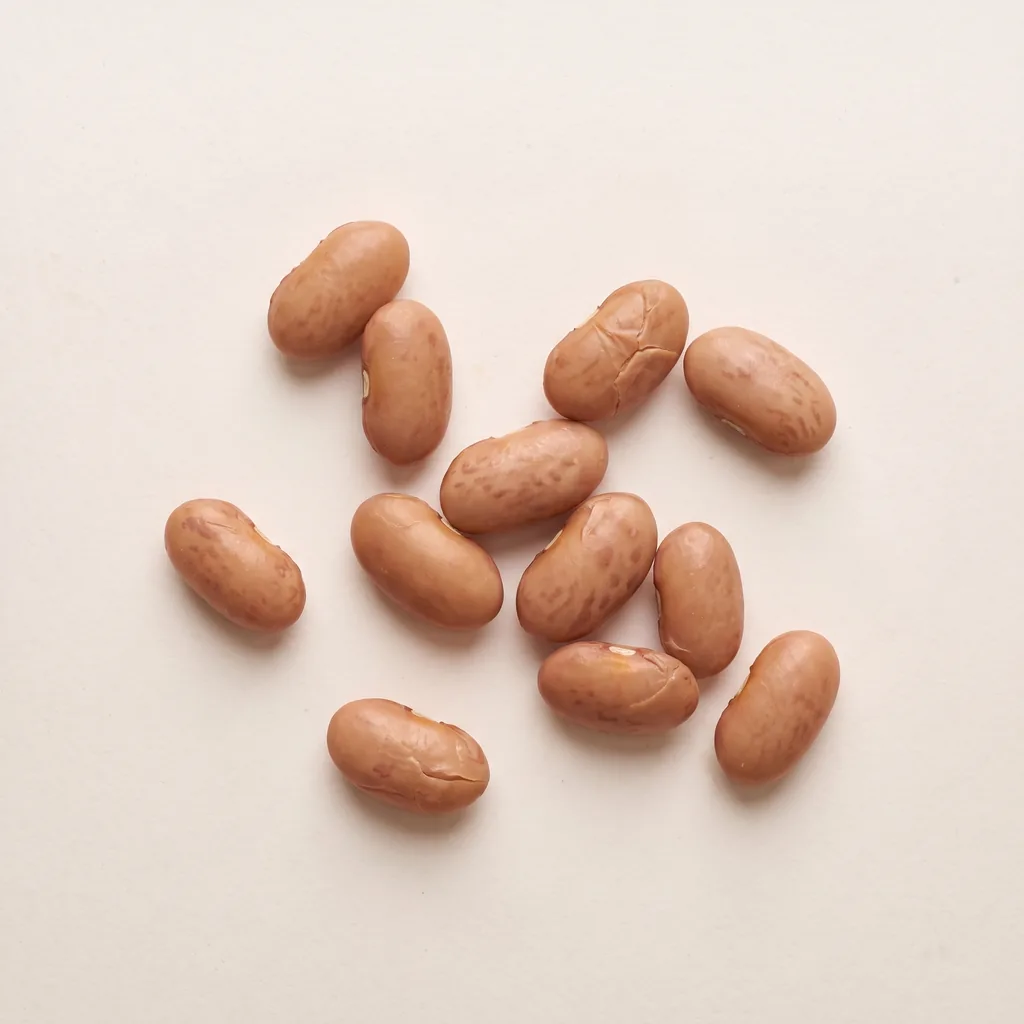
Lima beans are native to Central and South America. The name comes from Lima, the capital of Peru. The bean also goes by other names, such as Burma bean, Christmas bean, garrofon, pallar and sieva bean. The lima and the butter bean are one and the same legume. Color, shape and taste vary by type. All are creamy, starchy and nutty.

It is rich in plant protein and fiber. It contains folate, most B vitamins, and choline. It is also rich in iron and zinc, two nutrients that often run short in babies' diets.

Also known as: lima fasulyesi, lima bean, butter bean, tereyağı fasulyesi, pallar

  • Gluten-free
  • Vegan

Lima bean is offered 3 days in a row

So that any reaction can be linked to the right food, lima bean is offered 3 days in a row and no other new food is tried on those days.

  1. 1/3

    First taste

    Start with a small amount in the morning or around midday. Your baby is watched closely for 5 to 10 minutes after the first bite.

  2. 2/3

    Same food, same calm

    Lima bean is offered again the same way. No other new food is tried today.

  3. 3/3

    Introduction done

    If no reaction was seen, lima bean is now part of your baby's meals. It keeps being offered regularly.

Emergency

If your baby has trouble breathing or swelling of the face or tongue, call 911 (or your local emergency number) right away.

About lima bean allergy

Lima bean rarely triggers allergy, yet some reactions are on record. Anyone with a soy or other legume allergy may be more likely to react, although that seems uncommon. Those allergic to mesquite pollen may get oral allergy syndrome when eating lima beans. The sign is usually brief itching, tingling or burning in the mouth. Keep the first few servings small and raise them slowly if there is no reaction.

How to prepare it by age

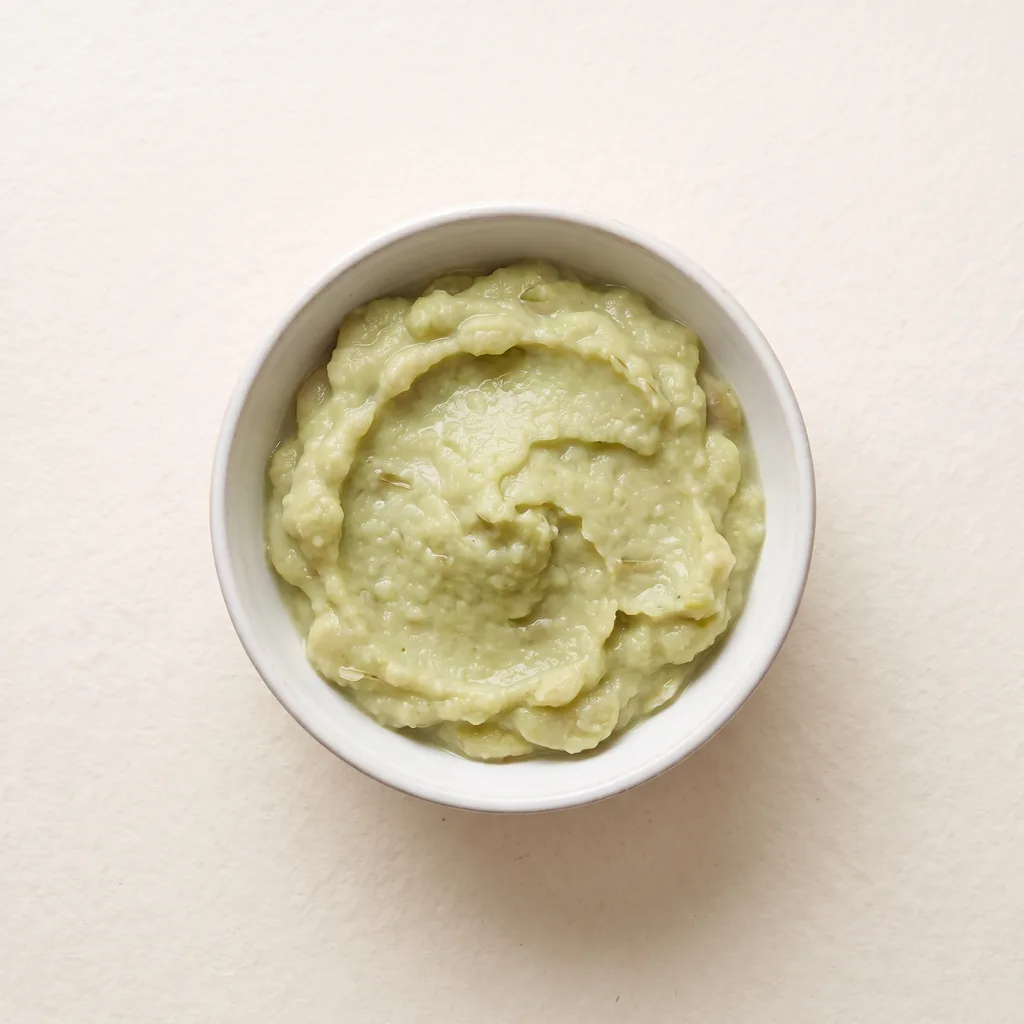
6 monthsMash

Lima bean prepared for 6 months

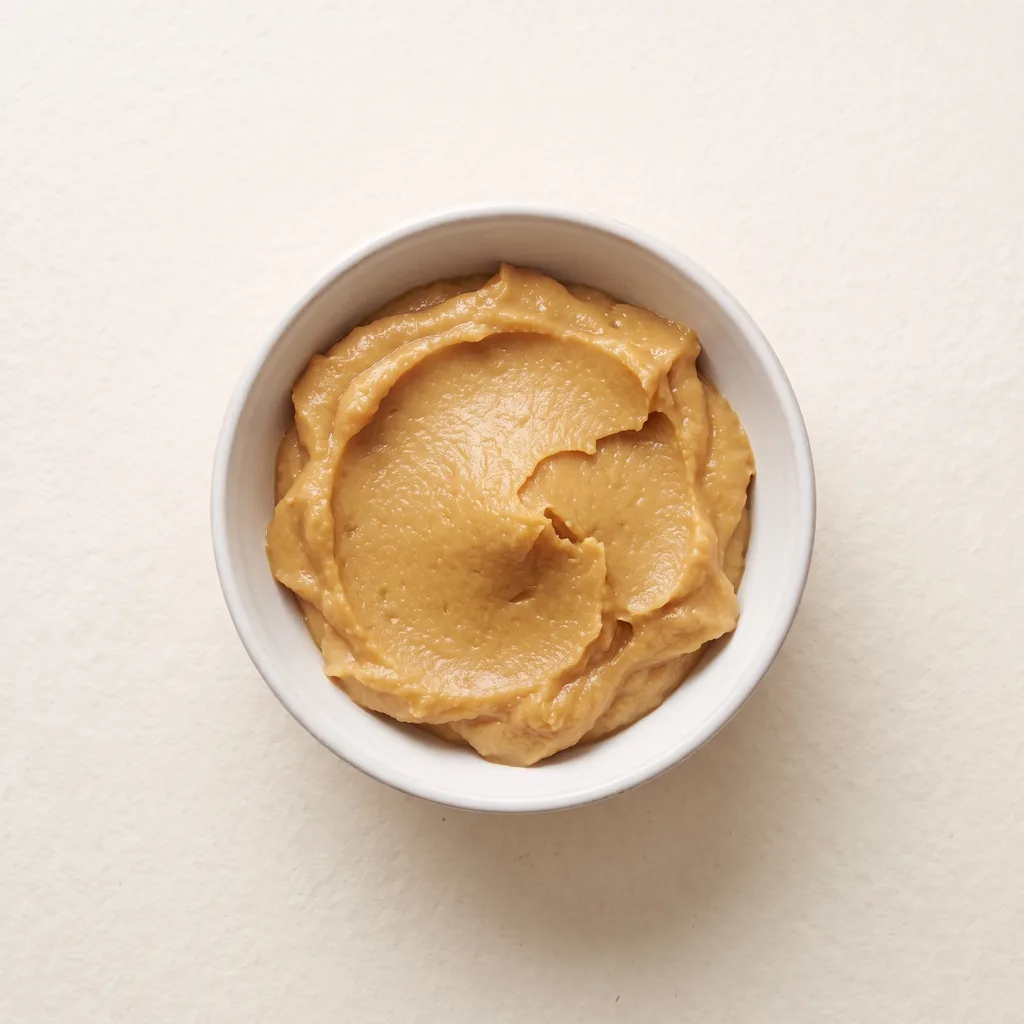
Cook lima beans thoroughly, then crush or blend them. You can make a textured mash that your baby scoops by hand, or a smooth paste. Serve it by spoon or spread it thin on a toast strip. For extra nutrition, thin the mash with milk, a spoonful of olive oil or yogurt. It also blends well into soft dishes like polenta, vegetable mash, rice porridge or braised greens. Begin with a small spoonful, because all that fiber can upset the belly.
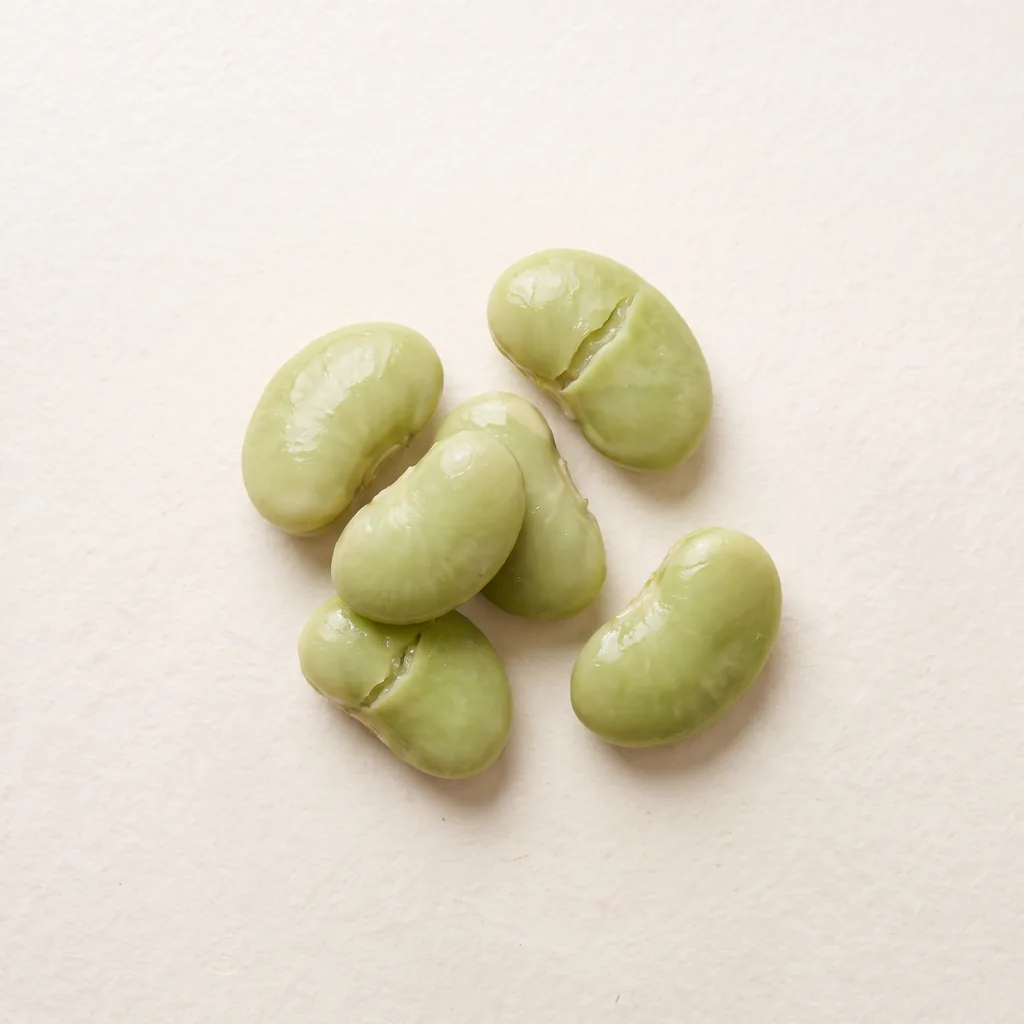
9 monthsCube

Cut: Flattened

For a baby with a developing pincer grasp, offer cooked beans that you gently press flat between your thumb and finger. If your baby is not ready, keep serving mash or purée. Your baby can scoop it by hand, dip cooked vegetable pieces in it, or practice with a spoon.

12 monthsCube

Lima bean prepared for 12 months

At this age a child can eat whole lima beans cooked until soft. To encourage fork use, spear a bean on an age-appropriate fork and rest the fork next to the food. If your child needs help, hold the fork out in the air. If whole beans make you nervous, keep mashing or flattening them.

Choking risk

  1. Low
  2. Medium
  3. High

Lima beans are small and round, and they can be firm when raw or undercooked. These traits raise the choking risk. Before 12 months, serve them mashed or gently flattened. Stay close at meals, within arm's reach.

Whole beans

Do not serve whole beans before 12 months.

Frequently asked questions

Is lima bean a common allergen?

Lima bean rarely triggers allergy, yet some reactions are on record. Anyone with a soy or other legume allergy may be more likely to react, although that seems uncommon. Those allergic to mesquite pollen may get oral allergy syndrome when eating lima beans. The sign is usually brief itching, tingling or burning in the mouth. Keep the first few servings small and raise them slowly if there is no reaction.

How do you prepare lima bean for babies?

For a 6-month-old: Cook lima beans thoroughly, then crush or blend them. You can make a textured mash that your baby scoops by hand, or a smooth paste. Serve it by spoon or spread it thin on a toast strip. For extra nutrition, thin the mash with milk, a spoonful of olive oil or yogurt. It also blends well into soft dishes like polenta, vegetable mash, rice porridge or braised greens. Begin with a small spoonful, because all that fiber can upset the belly.
Is lima bean a choking hazard for babies?

Lima beans are small and round, and they can be firm when raw or undercooked. These traits raise the choking risk. Before 12 months, serve them mashed or gently flattened. Stay close at meals, within arm's reach.

When can a baby eat lima beans?

Once ready for solids, usually around 6 months. They must be fully cooked.

Are raw lima beans harmful?

Yes. Raw or undercooked lima beans can cause illness. Cook until completely soft.

Is a lima bean a butter bean?

Yes, one legume. Color, shape and flavor differ by variety.

Prepared by the Lokmini team | Last updated November 17, 2026

Share:WhatsApp

Want to add this food to your baby's solid food calendar?

Join Lokmini to learn how this food is served at each age and to keep track of every food your baby tries.

Join Lokmini

Starting Solids

When and how to start solids, and what happens in the first week?

Read the guide

Similar foods

Let's get ready for the first bite together

Lokmini builds a day-by-day plan for your baby's age. Leave your email for new guides and our newsletter.

Start Your Journey