Skip to content

Dietitian's view

Do not give mint oil to your baby.

Uzm. Dyt. Berk AysanPrepared the latest update, November 14, 2026

Lokmini is not a healthcare provider and does not offer health services. For your baby's specific needs, talk to your doctor or a dietitian.

  • Herbs and spices
  • 6 mo+
  • Low choking risk

Mint for babies: when to start

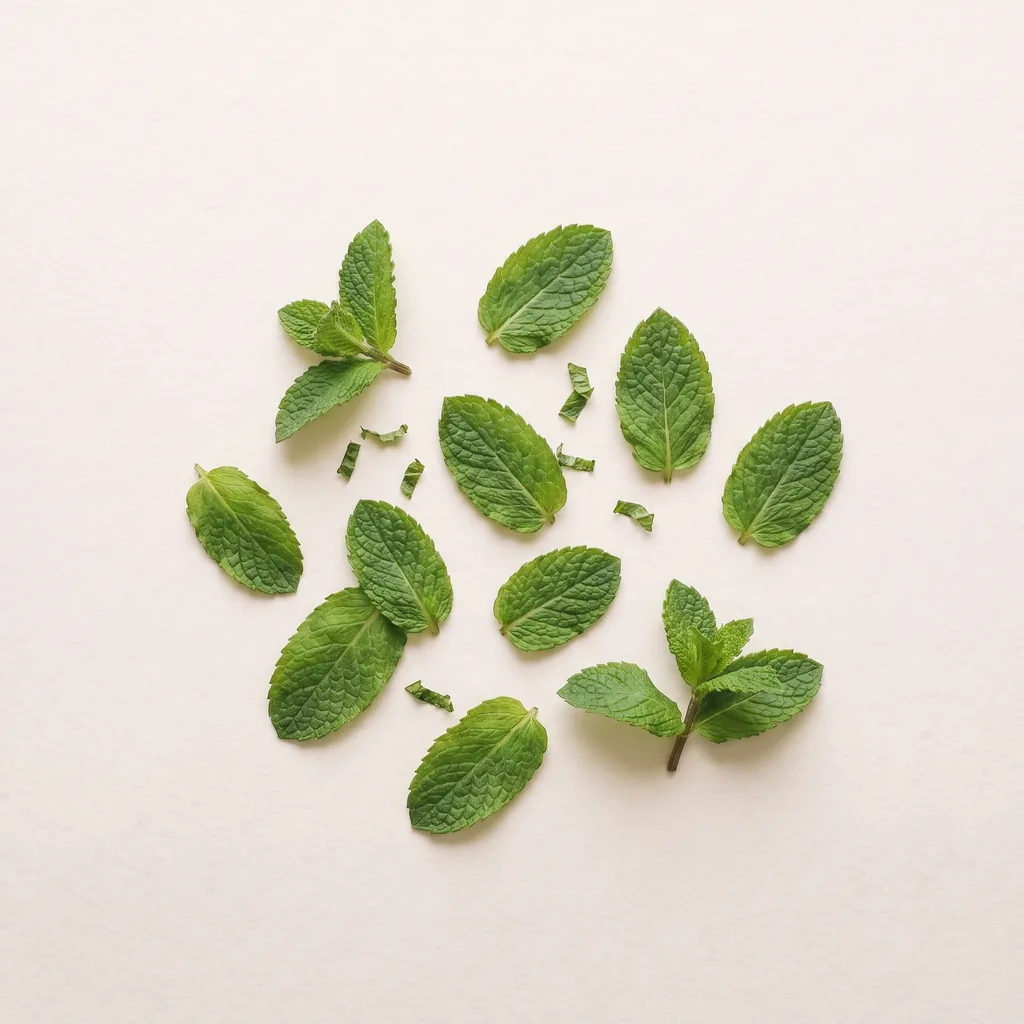
Mint is a plant in the mint family (Lamiaceae), known for its aromatic leaves. Spearmint (Mentha spicata) and peppermint (Mentha × piperita) are common types.

  • Fiber
  • Calcium
  • Iron
  • Folate
  • Vitamin A
  • Vitamin C
Mint prepared for a baby

About mint

When your baby is ready for solids, usually around 6 months, you can add small amounts of fresh or dried mint to their food.

Mint gives food a refreshing flavor. Its menthol content and the strength of its taste can vary by type.

Nutrition

Mint contains beta-carotene, folate, iron, calcium and various plant compounds.

It also carries polyphenols such as rosmarinic acid. Some types of mint are rich in menthol.

The antioxidant and anti-inflammatory properties of these compounds have been studied. However, there is not enough clinical evidence that eating mint gives babies a specific health benefit.

Because mint is used in very small amounts in food, it is not expected to add meaningfully to your baby's daily vitamin and mineral needs.

Its main role is to add flavor to food without adding salt or sugar.

Also known as: nane, taze nane, yeşil nane, bibermint, nane yaprağı

  • Gluten-free
  • Vegan

How to prepare it by age

6 monthsMash

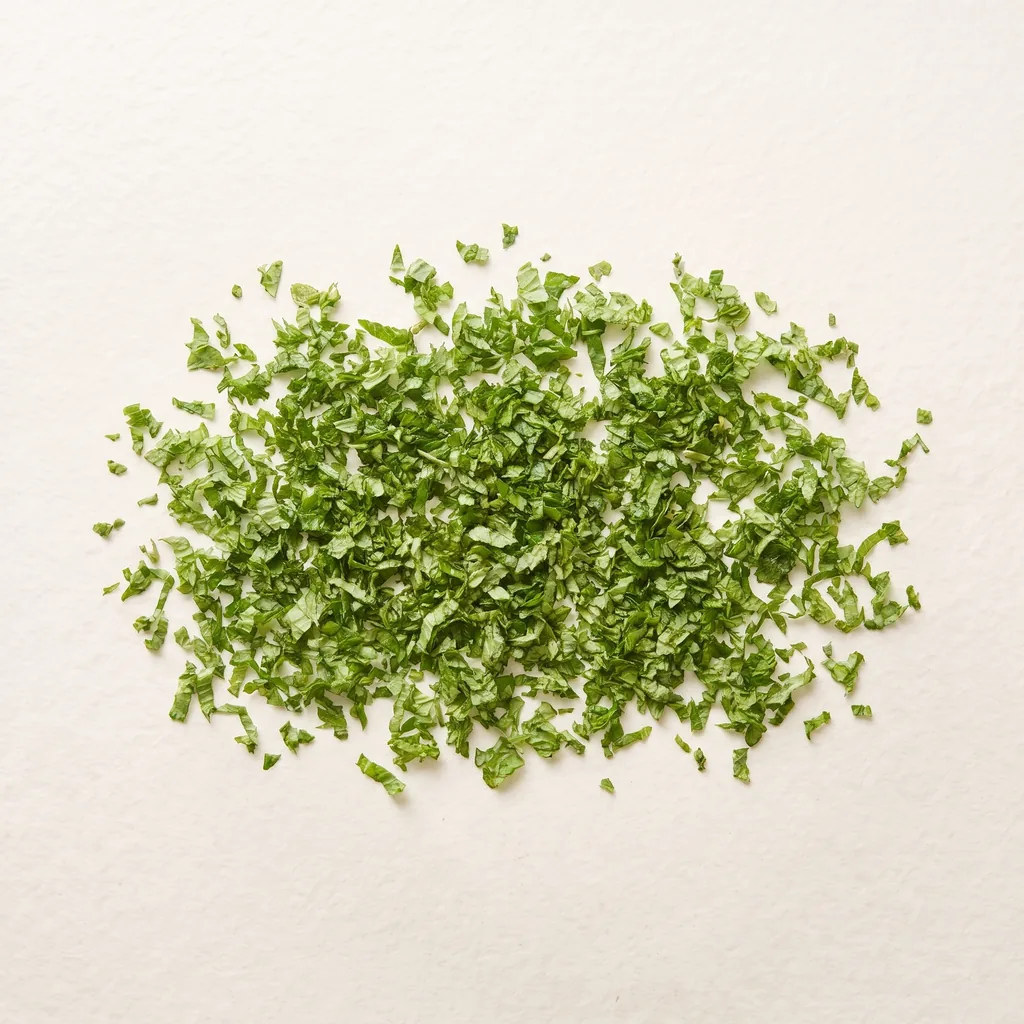
Mint prepared for 6 months

Cut: Finely chopped

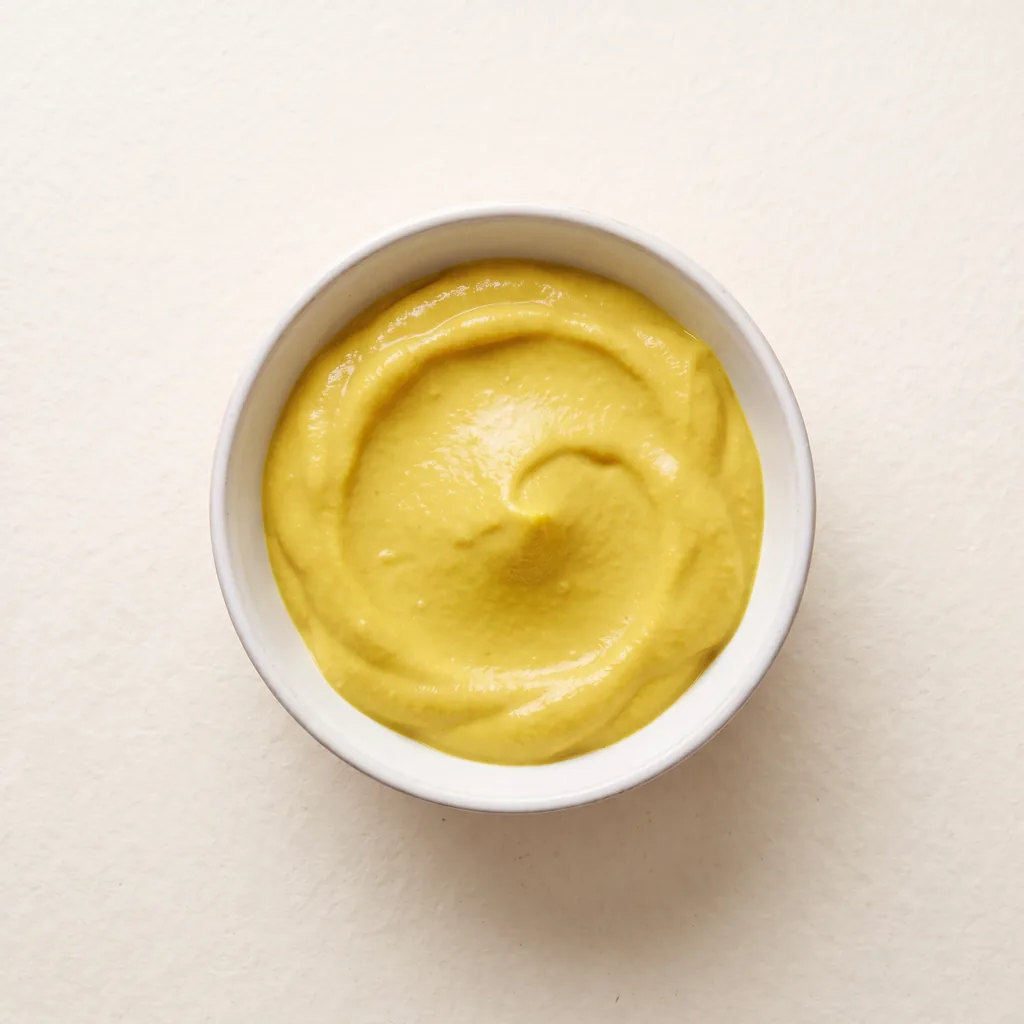
Chop fresh mint very fine and stir it into soft foods baby can scoop, such as yogurt or vegetable mash. You can also work it into finger foods such as big soft meatballs or fritters. Another option is to blend mint into a sauce and drizzle it over baby's food.
9 monthsCube

Chop mint into small bits or thin ribbons. Mix it into dishes, or offer it alone so the child can taste it. Leaf bits may stick inside the mouth. If gagging or coughing happens, offer a few sips of water. Expect lots of spitting while baby works out the leaf's tricky texture. After about 18 months, as molars come in, spitting drops and eating more mint follows.

12 monthsCube

Mint prepared for 12 months

Keep adding chopped mint to dishes, salad dressings and sauces. Try a whole raw mint leaf, or dishes with large leaf pieces, only after 24 months, once the child can bite and tear off larger pieces.

Choking risk

  1. Low
  2. Medium
  3. High

Finely chopped fresh mint, or dried mint mixed into moist foods, carries a low choking risk when served properly.

However, whole leaves can stick to the roof of the mouth, making them harder for your baby to manage.

Chop fresh leaves finely, remove the tough stems, and serve dried mint mixed into food.

Your baby should sit upright throughout the meal and always be supervised.

Allergen information

Mint is not among the common, priority food allergens. However, it can rarely cause allergic reactions.

Mint is in the same mint family (Lamiaceae) as plants such as basil, thyme, marjoram, sage and lavender.

Allergic cross-reactions between these plants are possible, but being allergic to one does not mean an allergy to the others will always develop.

First tries

You can add a small amount of mint to a food your baby has already tolerated.

Watch for possible reactions. If no problems develop, you can keep using it in food.

If there is a known herb or spice allergy, talk to a health professional.

If widespread hives, swelling of the lips or tongue, wheezing or trouble breathing develop after eating, stop giving mint. For signs of a serious reaction, call emergency services right away.

Mint leaves and mint oil are not the same

Fresh or dried mint leaves used in food are eaten in small amounts for flavor. Mint essential oil, however, can contain compounds such as menthol in much higher amounts. So you can use mint leaves in your baby's food, but you should not give mint essential oil or concentrated menthol products.

Frequently asked questions

Is mint a common allergen?

Mint is not among the common, priority food allergens. However, it can rarely cause allergic reactions.

How do you prepare mint for babies?

For a 6-month-old: Chop fresh mint very fine and stir it into soft foods baby can scoop, such as yogurt or vegetable mash. You can also work it into finger foods such as big soft meatballs or fritters. Another option is to blend mint into a sauce and drizzle it over baby's food.
Is mint a choking hazard for babies?

Finely chopped fresh mint, or dried mint mixed into moist foods, carries a low choking risk when served properly.

When can babies eat mint?

Babies can have mint once they are ready for solids, usually around 6 months, with small amounts added to food. You can finely chop the fresh leaves or stir dried mint into food.

Can I give my baby mint tea?

Herbal teas are not routinely recommended for babies under 12 months. Mint tea is not needed in a baby's diet.

My baby spits out mint, is that normal?

Yes. Babies may push food out of their mouths while they get used to new flavors and the texture of leafy foods. You can chop mint more finely, mix it into different dishes and offer it again.

Can I use dried mint instead of fresh mint?

Yes. Dried mint usually has a stronger flavor, so you can use smaller amounts.
Share:WhatsApp

Want to add this food to your baby's solid food calendar?

Join Lokmini to learn how this food is served at each age and to keep track of every food your baby tries.

Join Lokmini

Starting Solids

When and how to start solids, and what happens in the first week?

Read the guide

Similar foods

Let's get ready for the first bite together

Lokmini builds a day-by-day plan for your baby's age. Leave your email for new guides and our newsletter.

Start Your Journey