Dietitian's view
You can give red lentils from the 6th month and green lentils from the 8th month.
Lokmini is not a healthcare provider and does not offer health services. For your baby's specific needs, talk to your doctor or a dietitian.
- Legumes allergen
- Legumes
- 6 mo+
- Low choking risk
Lentil for babies: when to start
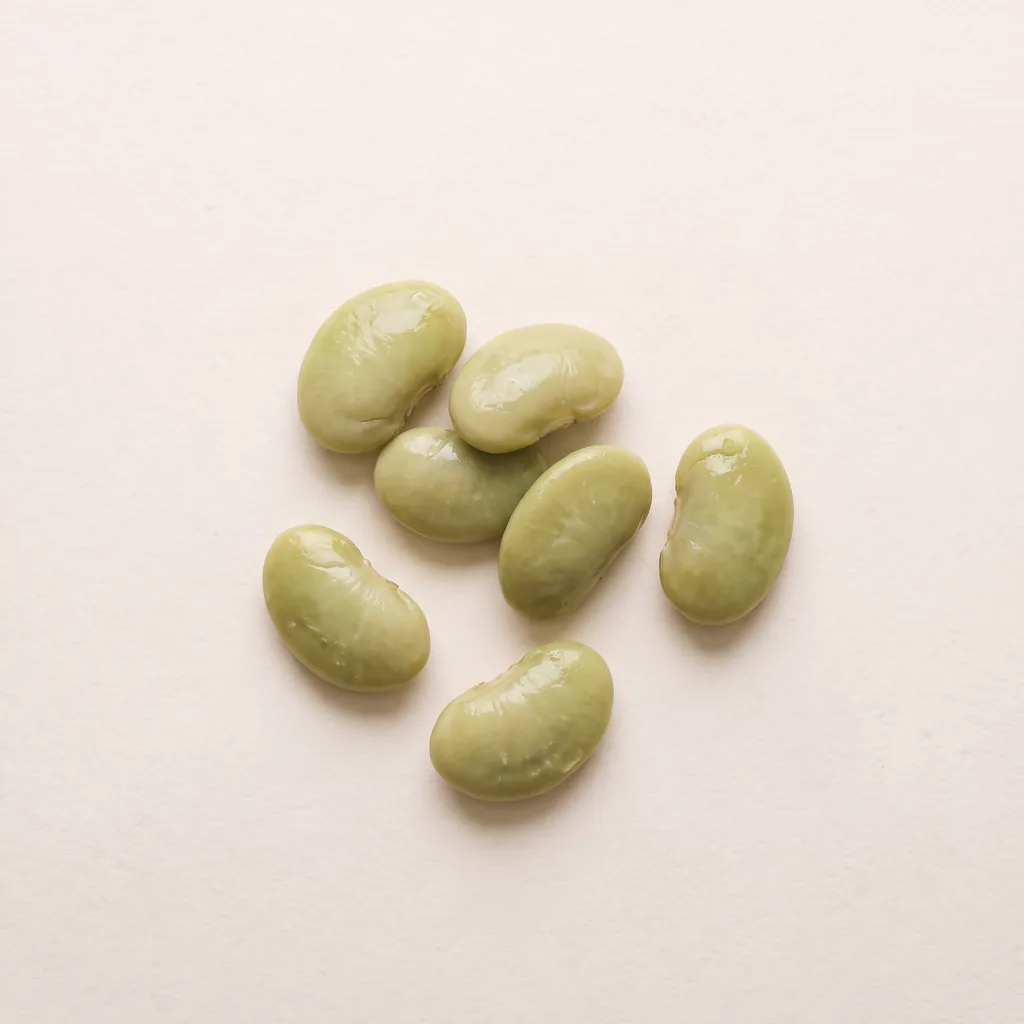
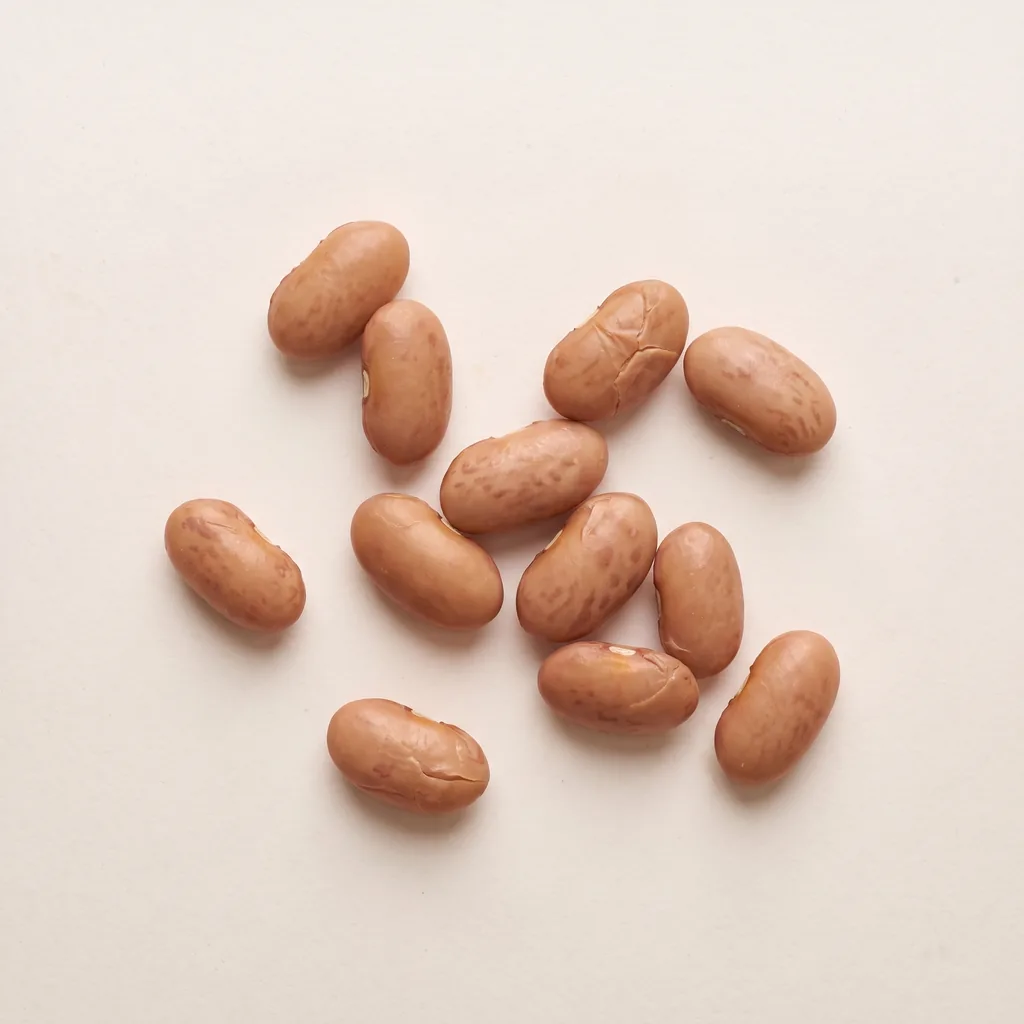
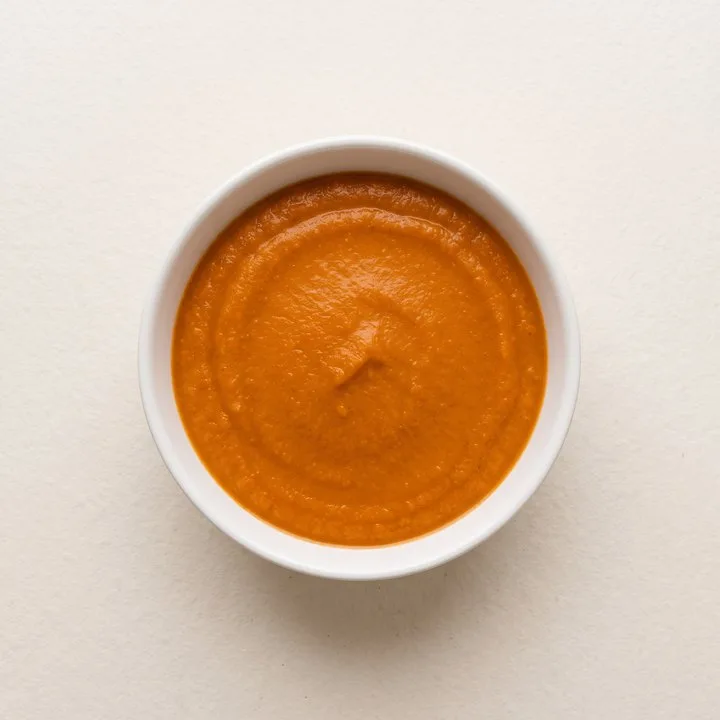
Lentils can start when your baby is ready for solids, usually around 6 months. There are many kinds, and each has its own color, taste and texture. This small legume is native to the Mediterranean area. Today it is among the most used legumes. In Africa and South Asia it is a daily staple, called dal, and appears at every meal.
- Iron
- Plant protein
- Folate
- Zinc
- Fiber
- B vitamins
 Allergen, day 1/3
About lentil
It is rich in B vitamins, folate, protein and fiber. It also adds small amounts of nearly all the vitamins and minerals a growing child needs. It is rich in iron and zinc, two nutrients that often run short in babies' diets.
Also known as: dal, kırmızı mercimek, mercimek, yeşil mercimek
- Gluten-free
- Vegan
Lentil is offered 3 days in a row
So that any reaction can be linked to the right food, lentil is offered 3 days in a row and no other new food is tried on those days.
- 1/3
First taste
Start with a small amount in the morning or around midday. Your baby is watched closely for 5 to 10 minutes after the first bite.
- 2/3
Same food, same calm
Lentil is offered again the same way. No other new food is tried today.
- 3/3
Introduction done
If no reaction was seen, lentil is now part of your baby's meals. It keeps being offered regularly.
Emergency
If your baby has trouble breathing or swelling of the face or tongue, call 911 (or your local emergency number) right away.
About lentil allergy
Lentils belong to the legume family and can cause food allergy in some people. Allergic reactions can range from mild signs to serious whole-body reactions.
Allergic cross-reactions can occur between lentils and chickpeas, peas and other legumes. However, being allergic to one legume does not mean an allergy to the others will always develop.
Pollen-related cross-reactions can cause itching or tingling in the mouth in some people. However, do not assume that the signs will always be mild or will go away completely with cooking.
First tries
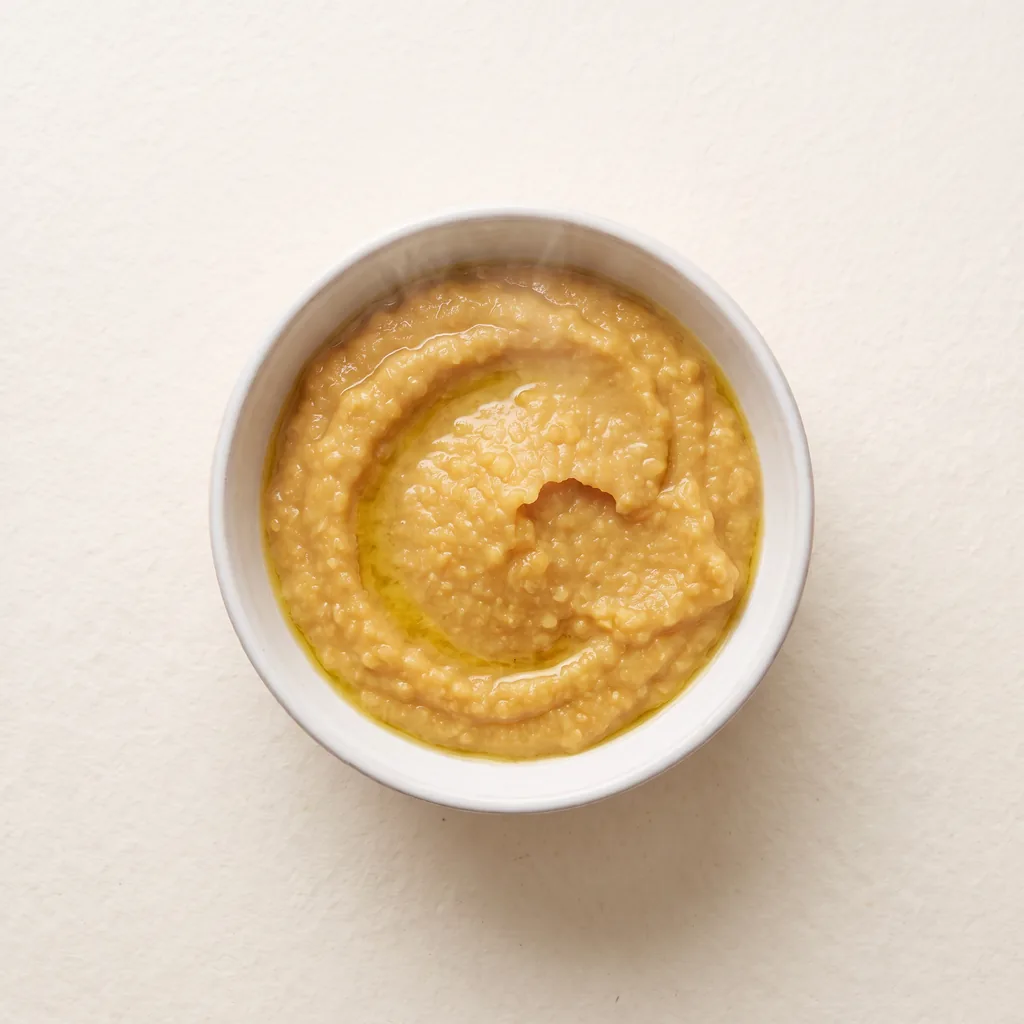
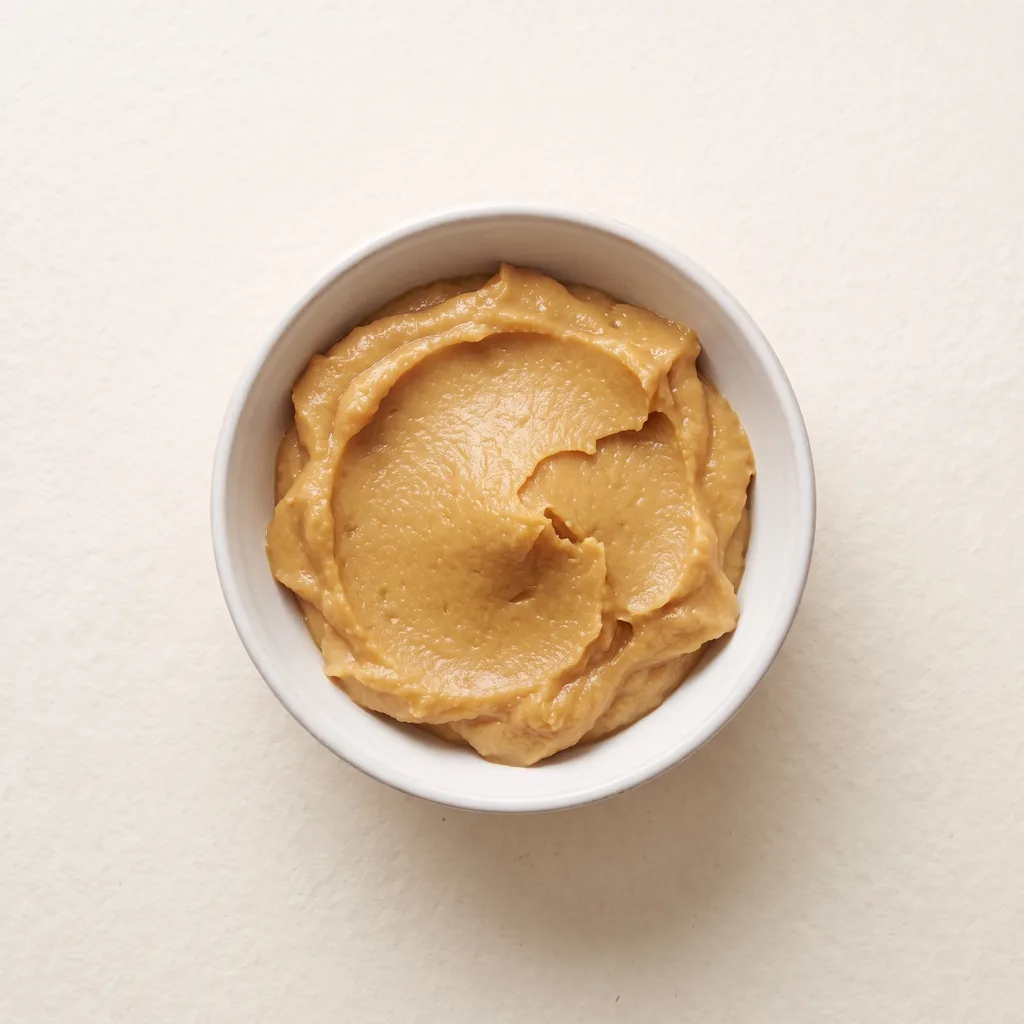
Start with a small amount of fully cooked, mashed lentils.
Watch for possible allergic signs. If there are no problems, you can gradually increase the amount.
If your baby has reacted to lentils before or has a known serious legume allergy, a doctor's assessment is recommended.
If widespread hives, swelling of the lips or tongue, repeated vomiting, wheezing or trouble breathing develop after eating, stop giving lentils. For signs of a serious reaction, call emergency services right away.
How to prepare it by age
Age-by-age prep is in the Lokmini app
See how to cut, texture and serve lentil at 6, 9 and 12 months in the app.
Join LokminiChoking risk
- Low
- Medium
- High
Lentils usually carry a low choking risk when fully cooked and served in a suitable texture.
Undercooked, hard lentils can be hard for your baby to chew. Dry or hard lentil patties are not suitable either.
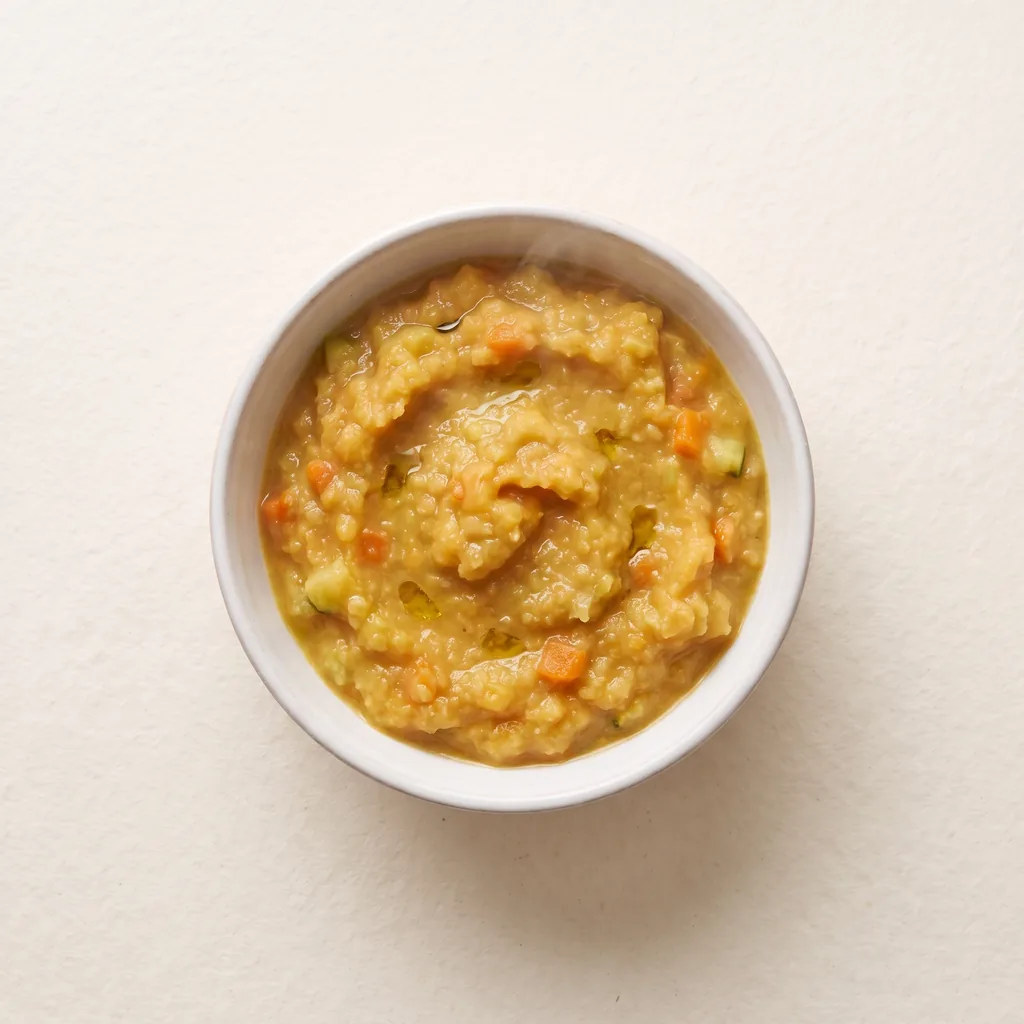
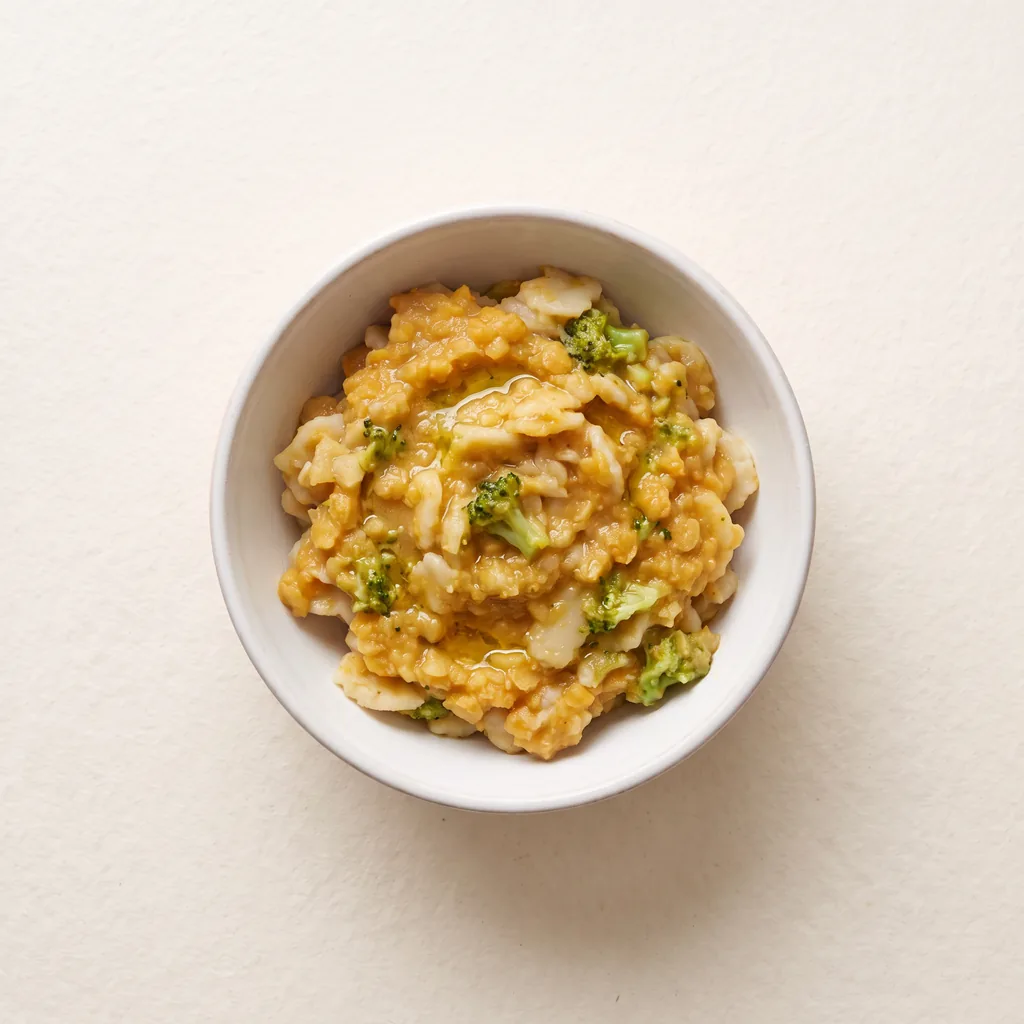
At first, serve lentils puréed or well mashed. As your baby's skills develop, you can move on to a soft, moist, slightly lumpy texture.
There is no need to shape lentils into sticky, dense balls. Choose a moist texture that falls apart easily.
Your baby should sit upright throughout the meal and always be supervised.
Frequently asked questions
What age can babies eat lentil?
Is lentil a common allergen?
Do lentils need soaking?
Are lentils a choking risk?
How can I help iron absorb better?
Sources
- World Health Organization (WHO), Guideline for complementary feeding of infants and young children 6-23 months of age (2023)
- National Health Service (NHS), Preparing food safely for babies
- CDC, Infant and Toddler Nutrition, Choking Hazards
- Turkish National Society of Allergy and Clinical Immunology, Besin Alerjisi, öncelikli 10 besin
- Annals of Allergy, Asthma and Immunology, Clinical features of legume allergy in children from a Mediterranean area (2008)
- Journal of Allergy and Clinical Immunology In Practice, Prevalence of Food Sensitization and Food Allergy in Children Across Europe (2020)
- Journal of Allergy and Clinical Immunology In Practice, Managing Cross-Reactivity in Those with Peanut Allergy (2019)
- Food Research International, Changes in levels of phytic acid, lectins and oxalates during soaking and cooking of Canadian pulses (2018)
Prepared by the Lokmini team | Last updated November 19, 2026
Want to add this food to your baby's solid food calendar?
Join Lokmini to learn how this food is served at each age and to keep track of every food your baby tries.