Skip to content
  • Fruits
  • 6 mo+
  • Low choking risk

Lemon for babies: when to start

Lemon can start when your baby is ready for solids, usually around 6 months. Lemon is very acidic. On skin it can cause a harmless, short-lived redness, and it can start or worsen diaper rash.

  • Vitamin C
  • Vitamin B6
  • Folate
  • Potassium
  • Fiber
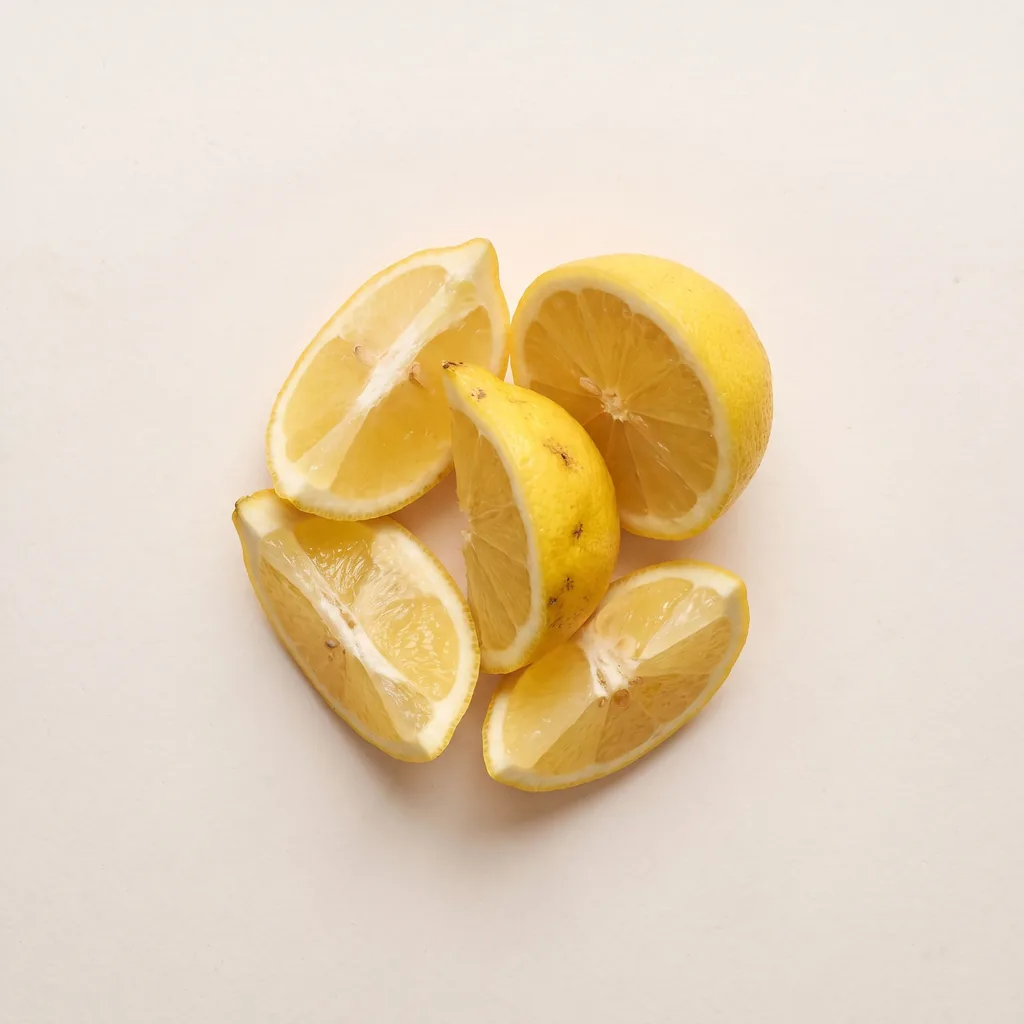
Lemon prepared for a baby

About lemon

Lemon belongs to the citrus family. Its exact origin is unknown. It is thought to be a natural cross of wild citrus that grew around the Mediterranean. There are now hundreds of kinds, from sweet Meyer lemon to very sour Ponderosa.

It is usually eaten in small amounts but still gives fiber and water. It contains folate, potassium, and vitamins B6 and C. The peel holds flavonoids.

Also known as: limon, lemon, limon suyu, limon kabuğu

  • Gluten-free
  • Vegan

How to prepare it by age

6 monthsMash or slice
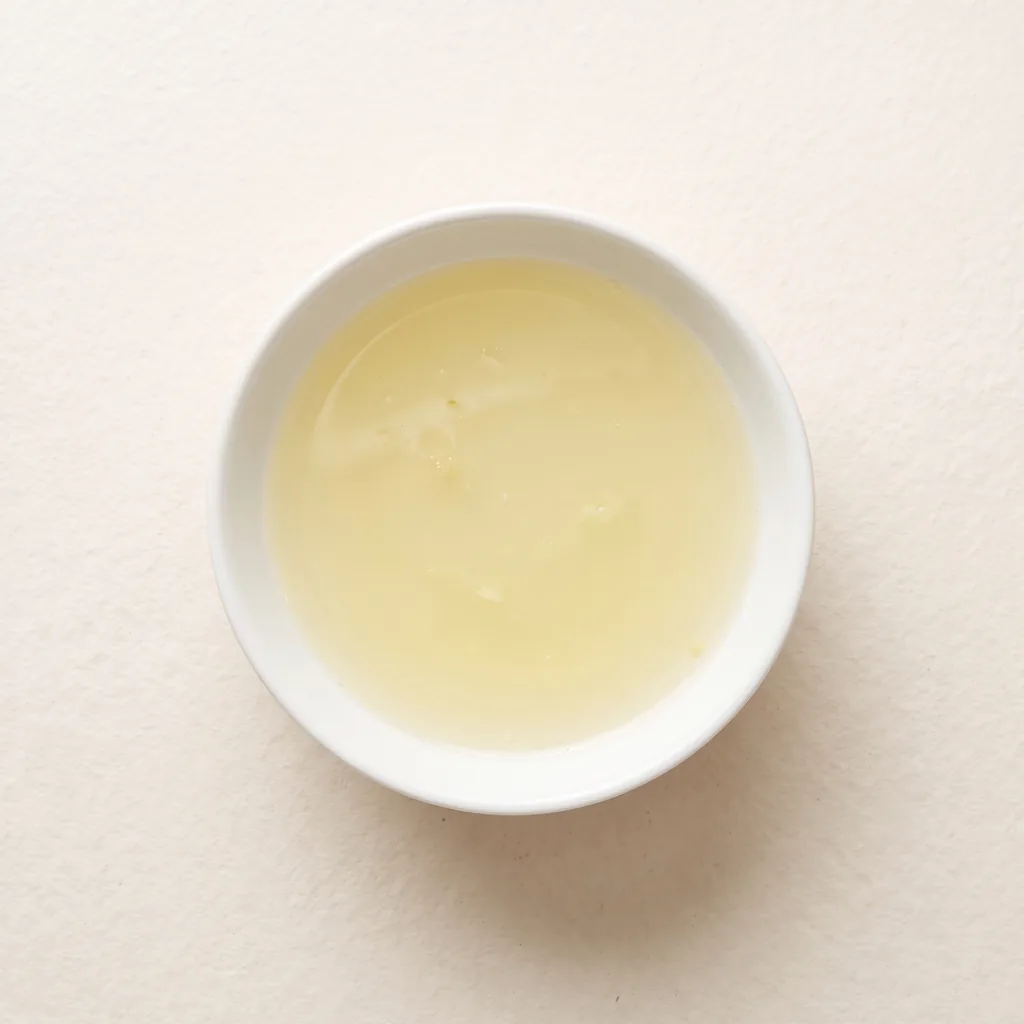
Lemon prepared for 6 months

Season fruit, vegetable and grain dishes you share with your baby using lemon juice or grated zest. Adding it to meals with beans, lentils and leafy greens raises vitamin C alongside plant iron. The acid can briefly redden the skin near the mouth, so start with a little.

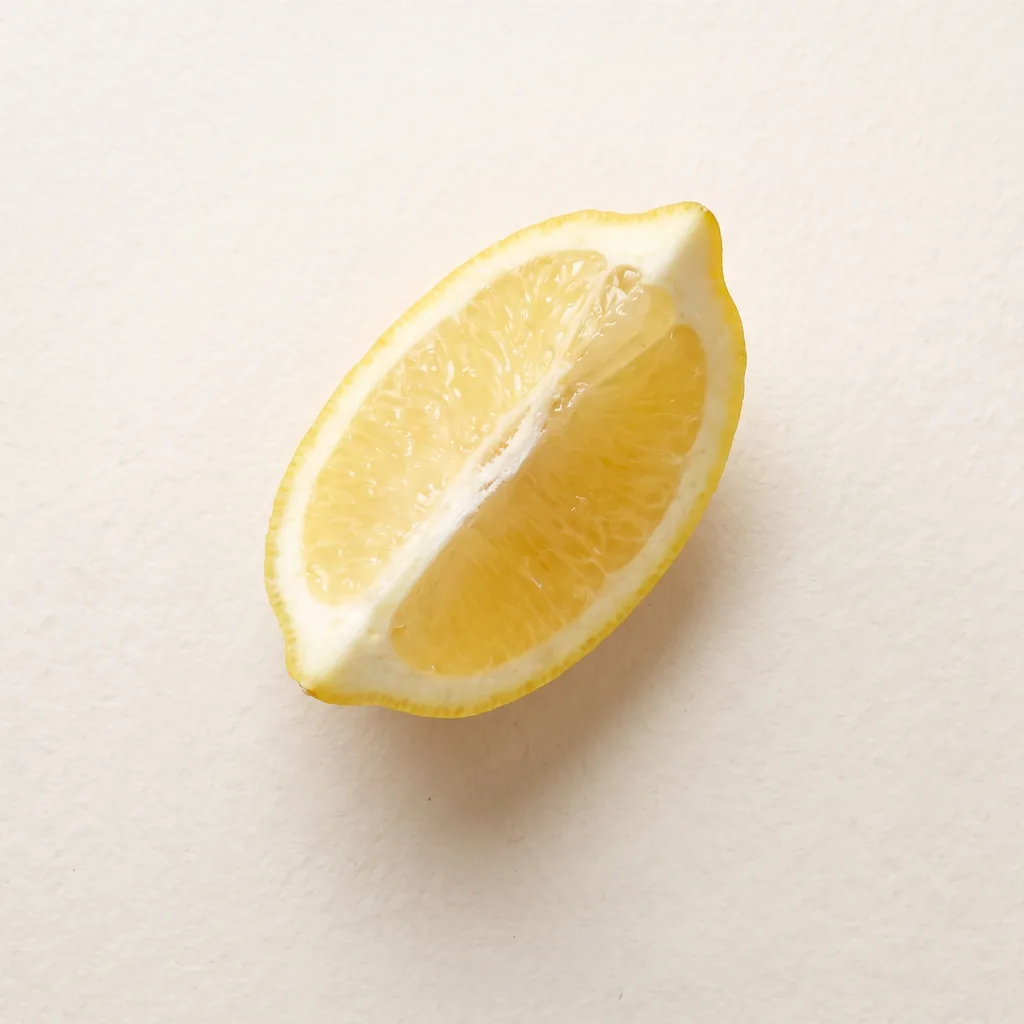
Cut: Halved

If the lemon is bigger than your baby's mouth, remove the seeds and hand over a lemon half. Your baby may enjoy tasting it. It is a good moment to start teaching the word sour.
12 monthsSlice

Lemon prepared for 12 months

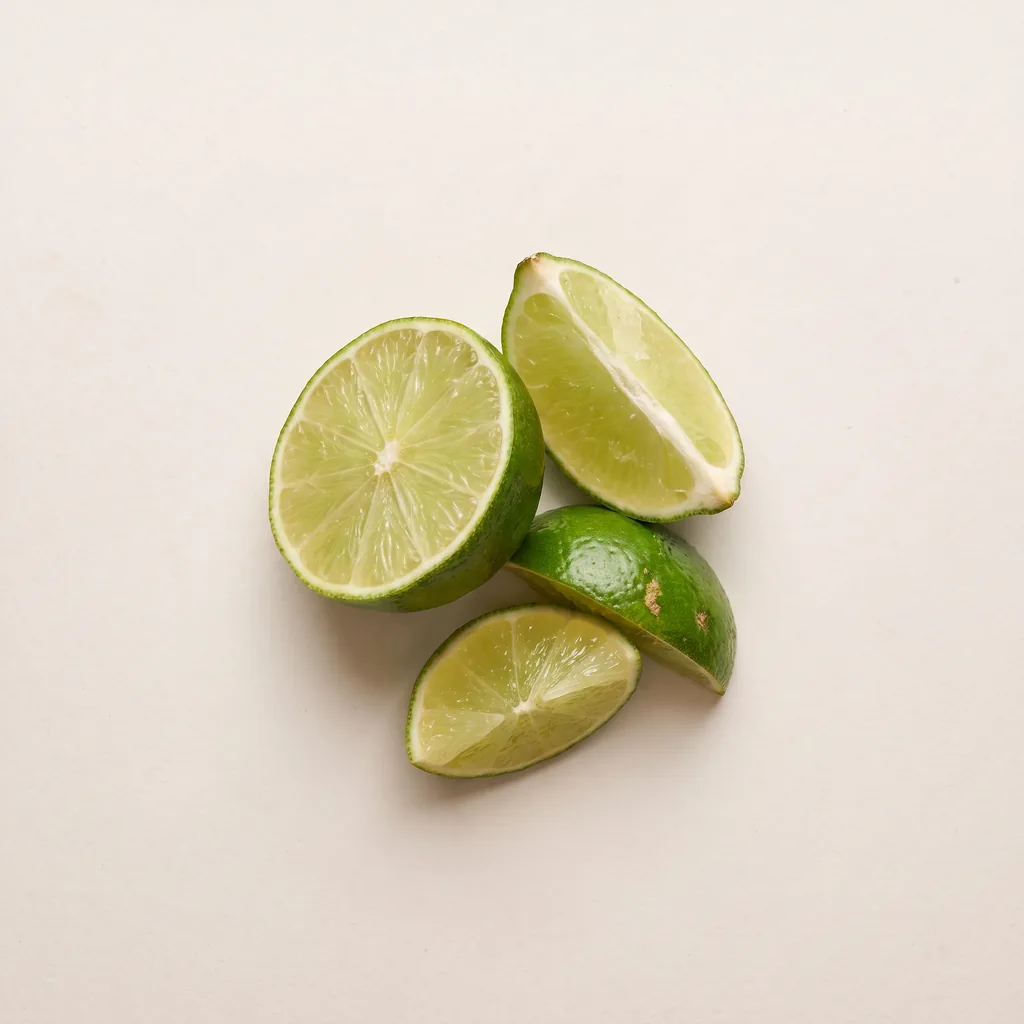
Cut: Thick wedge

Hand over a large lemon wedge with the seeds removed and show how to squeeze and sprinkle the juice. Add juice and zest to meals as you like. If you share dishes with preserved lemon, chop it small enough to eat in one bite and take out leftover seeds.

Choking risk

  1. Low
  2. Medium
  3. High

Lemon carries a low choking risk when prepared properly. However, the seeds and pieces of tough peel can be a risk. Remove all the seeds before serving. You can add a little lemon juice to dishes, or offer the soft flesh of the fruit in a way that suits your baby's developmental skills. Your baby should sit upright throughout the meal and always be supervised.

Allergen information

Lemon is not a common food allergen, but it can rarely cause allergic reactions. People sensitive to certain pollens may have a cross-reaction. In pollen food allergy syndrome, itching, tingling or mild swelling in the mouth can occur. Signs are usually mild, but serious reactions are also possible.

Contact irritation

Lemon is very acidic and can cause short-lived redness around the mouth. This does not always mean a food allergy. Eating a lot of it can also make diaper rash worse in some babies. If needed, you can apply a thin layer of pure petroleum jelly around the mouth before meals.

Sun exposure

If lemon juice stays on the skin and the skin is exposed to sunlight, it can cause a skin reaction called phytophotodermatitis, with redness and sometimes blisters. Wash any skin that has touched lemon and keep it out of direct sunlight.

When you first offer lemon, start with a small amount and watch how your baby responds. If hives, swollen lips or repeated vomiting appear, stop giving lemon and see a health professional. If your baby has trouble breathing, call emergency services right away.

A common mix-up

A red patch around the mouth is most often an acid effect. If you see lip swelling, hives or vomiting, contact a doctor.

Frequently asked questions

Is lemon a common allergen?

Lemon is not a common food allergen, but it can rarely cause allergic reactions. People sensitive to certain pollens may have a cross-reaction. In pollen food allergy syndrome, itching, tingling or mild swelling in the mouth can occur. Signs are usually mild, but serious reactions are also possible.

How do you prepare lemon for babies?

For a 6-month-old: Season fruit, vegetable and grain dishes you share with your baby using lemon juice or grated zest. Adding it to meals with beans, lentils and leafy greens raises vitamin C alongside plant iron. The acid can briefly redden the skin near the mouth, so start with a little.

Is lemon a choking hazard for babies?

Lemon carries a low choking risk when prepared properly. However, the seeds and pieces of tough peel can be a risk. Remove all the seeds before serving. You can add a little lemon juice to dishes, or offer the soft flesh of the fruit in a way that suits your baby's developmental skills. Your baby should sit upright throughout the meal and always be supervised.

When can a baby have lemon?

Your baby can have lemon once they are about 6 months old and ready for solids. At first, you can add a few drops of lemon juice to dishes for flavor.

Why does lemon redden the skin around the mouth?

Lemon is very acidic and can cause short-lived irritation around the mouth. Mild redness only where the lemon touched the skin does not always mean an allergy. If the redness does not go away or comes with other signs, talk to a health professional.

Does lemon juice help iron absorption?

Yes. Vitamin C supports absorption of plant iron. Squeeze it over beans, lentils and greens.

When can I give lemonade?

Lemonade with added sugar is not recommended in the first two years. Unsweetened lemonade is also not suitable to drink regularly because it is acidic. Choose water as the drink.

Prepared by the Lokmini team | Last updated November 19, 2026

Share:WhatsApp

Want to add this food to your baby's solid food calendar?

Join Lokmini to learn how this food is served at each age and to keep track of every food your baby tries.

Join Lokmini

Starting Solids

When and how to start solids, and what happens in the first week?

Read the guide

Similar foods

Let's get ready for the first bite together

Lokmini builds a day-by-day plan for your baby's age. Leave your email for new guides and our newsletter.

Start Your Journey