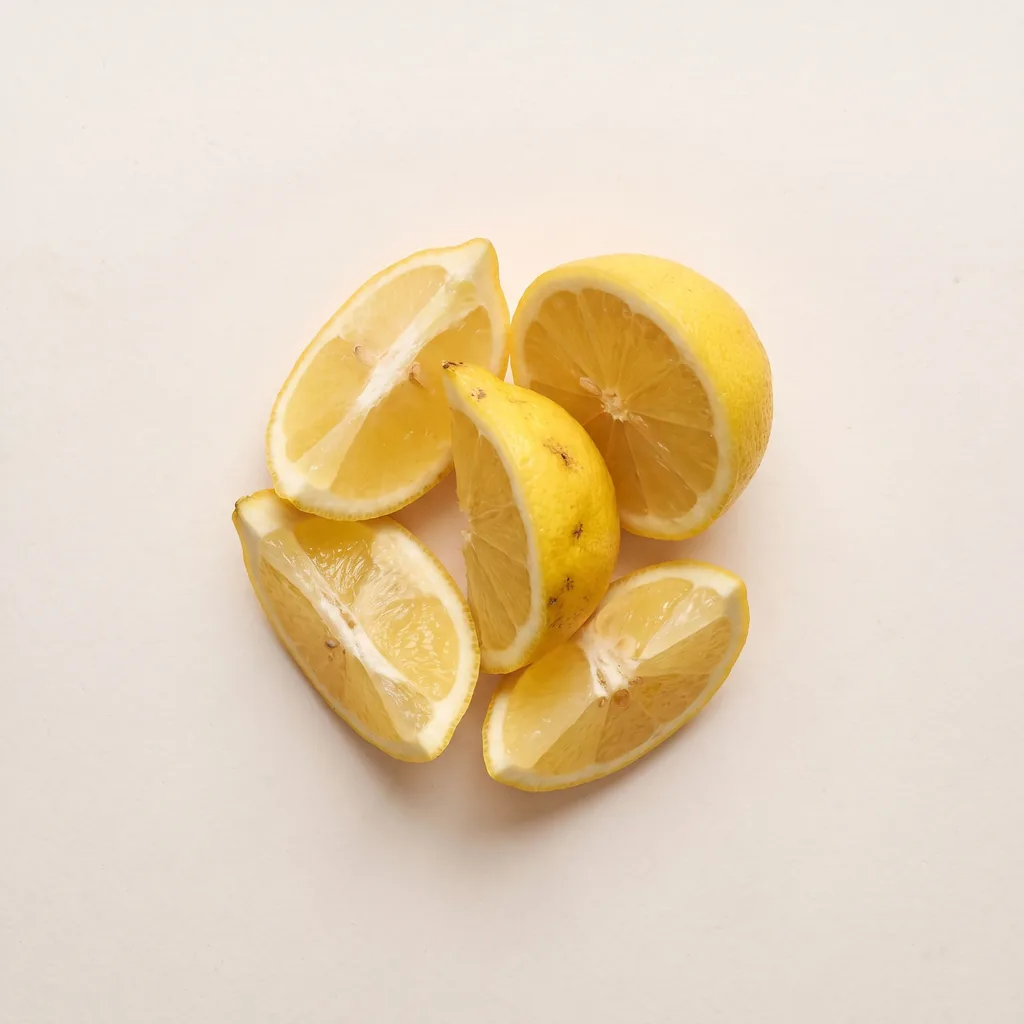
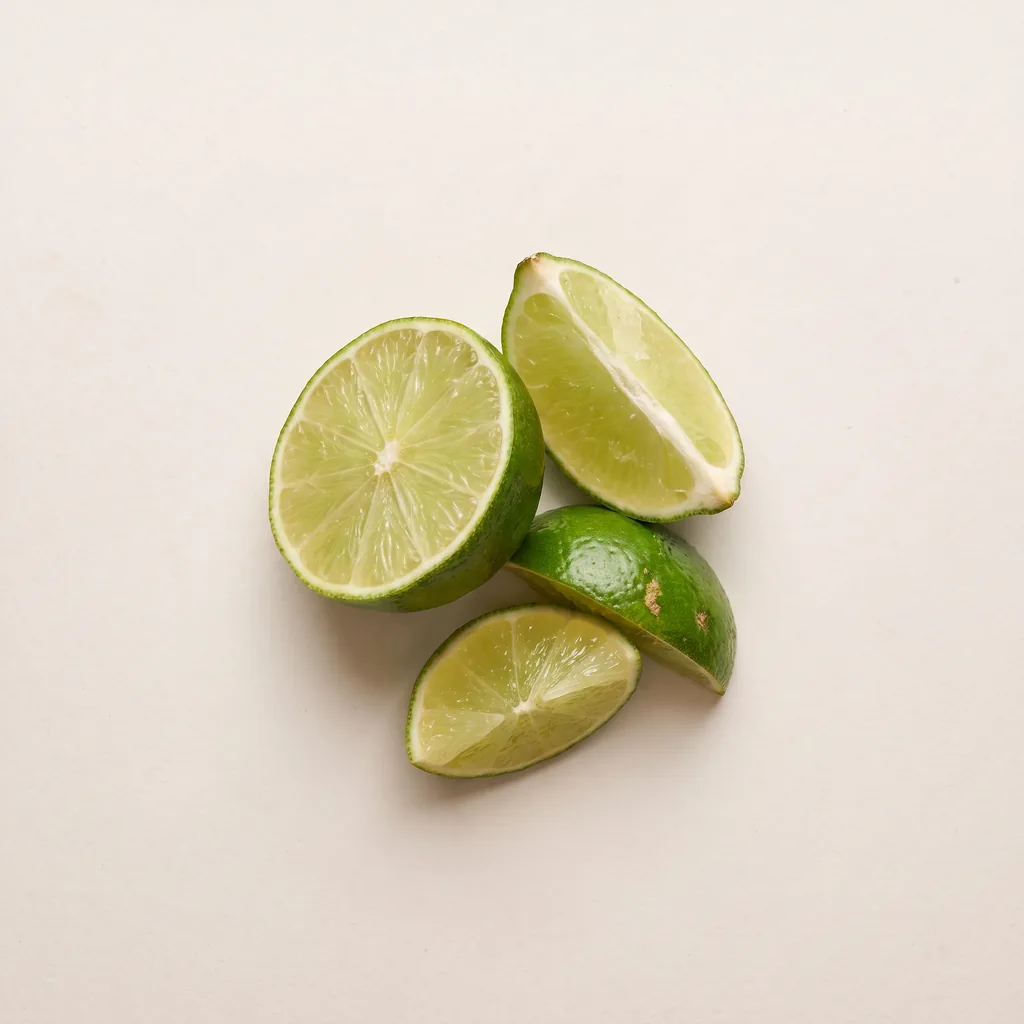
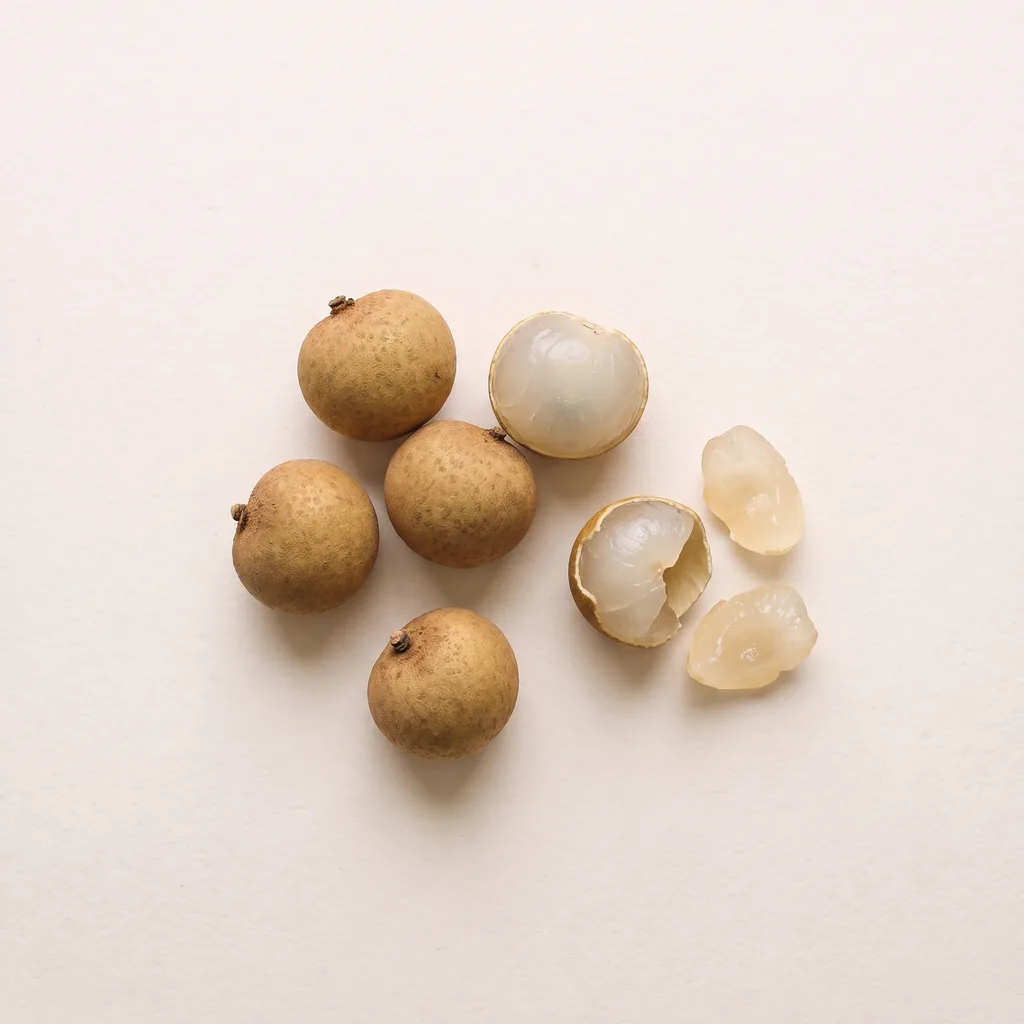
6 monthsMash
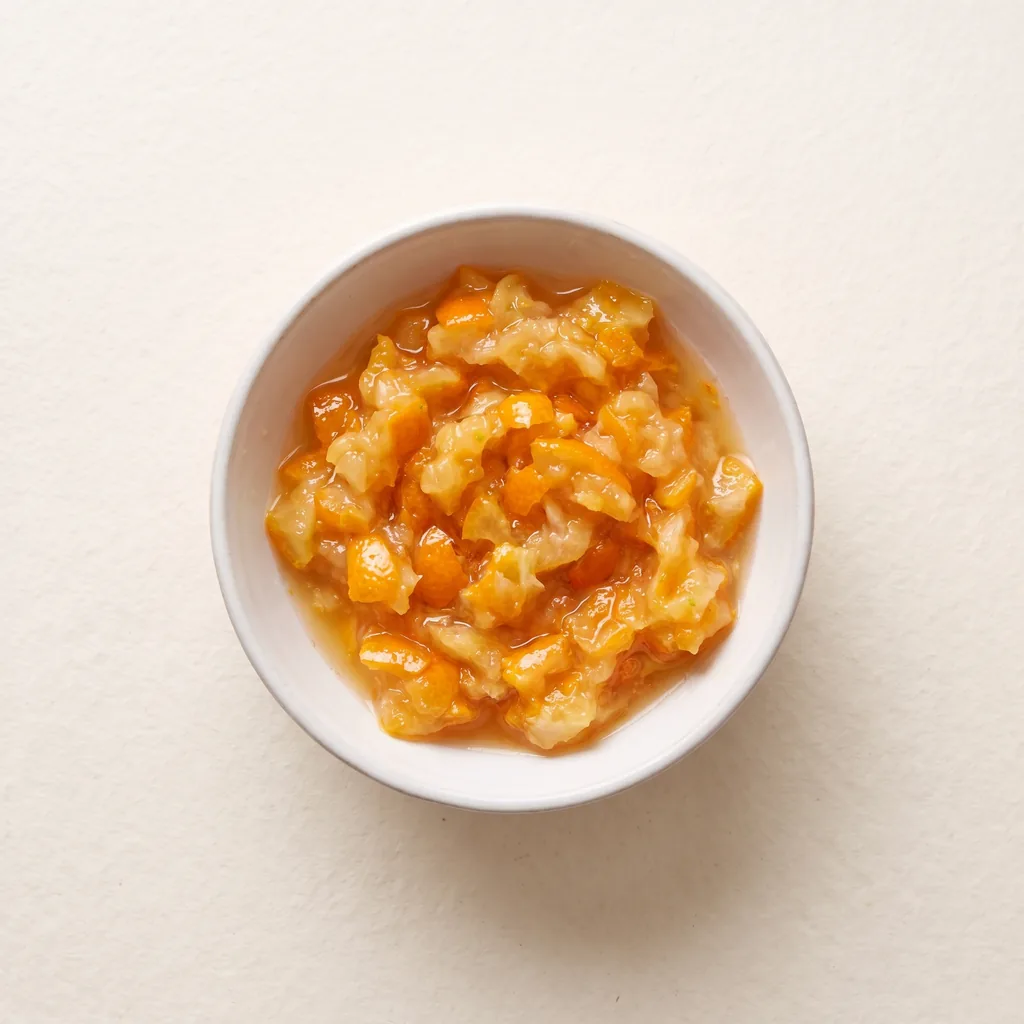
Cut: Finely chopped
Pick out the seeds and chop kumquat very fine, or cook it into a sauce. Stir it into a scoopable food such as yogurt. You may also press the juice of a single kumquat onto a dish, making sure no seeds fall in.
Kumquat can start when your baby is ready for solids, usually around 6 months. This citrus fruit began in East Asia and is related to oranges, lemons and limes. Most of it is still grown in Asia today. The English name comes from a Cantonese or Japanese word. The plant tolerates cold well, so it has been used to breed hybrids like calamansi.
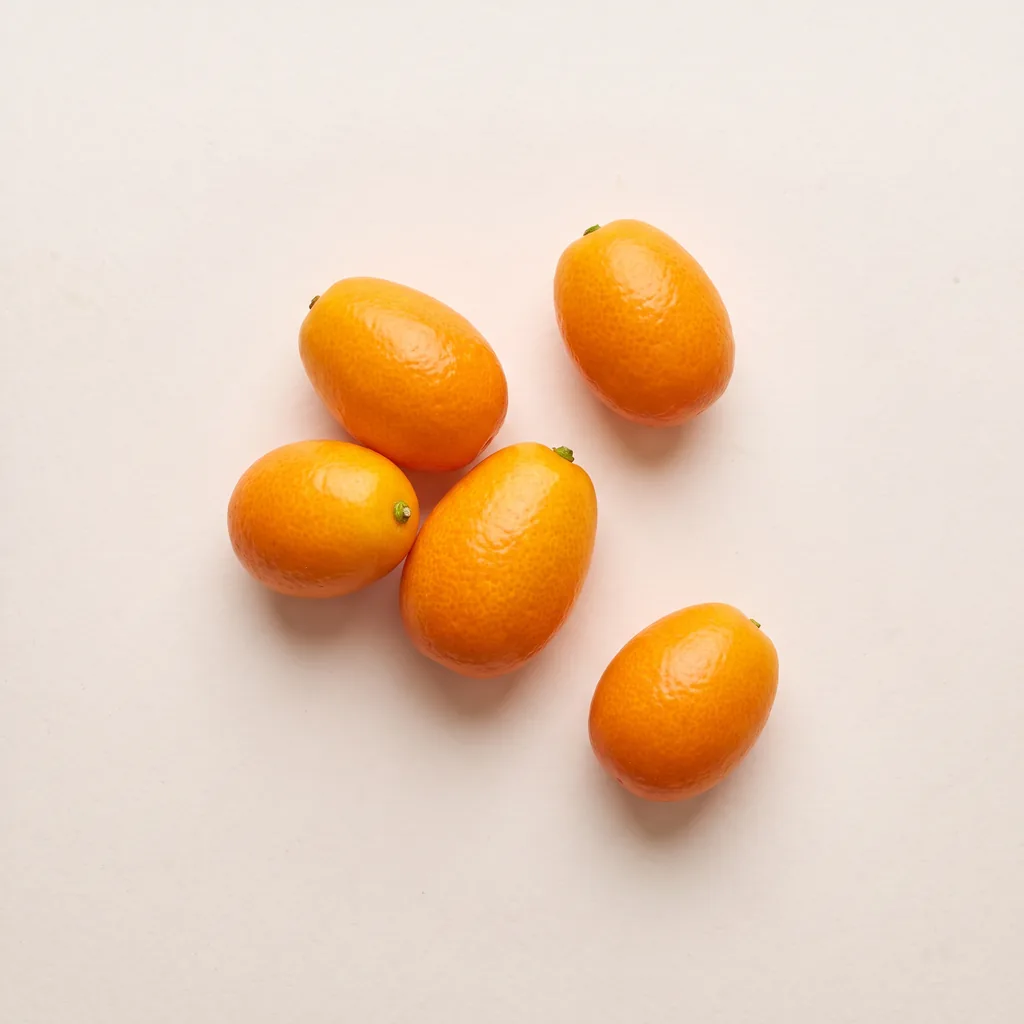
It is rich in vitamin C, which contributes to the normal function of the immune system and increases iron absorption. Fiber, vitamin B6, folate, potassium and calcium come with it. The peel is especially rich in plant compounds.
Also known as: kumkuat, kumquat, altın portakal, mini portakal
6 monthsMash
Cut: Finely chopped
Pick out the seeds and chop kumquat very fine, or cook it into a sauce. Stir it into a scoopable food such as yogurt. You may also press the juice of a single kumquat onto a dish, making sure no seeds fall in.
9 monthsSlice
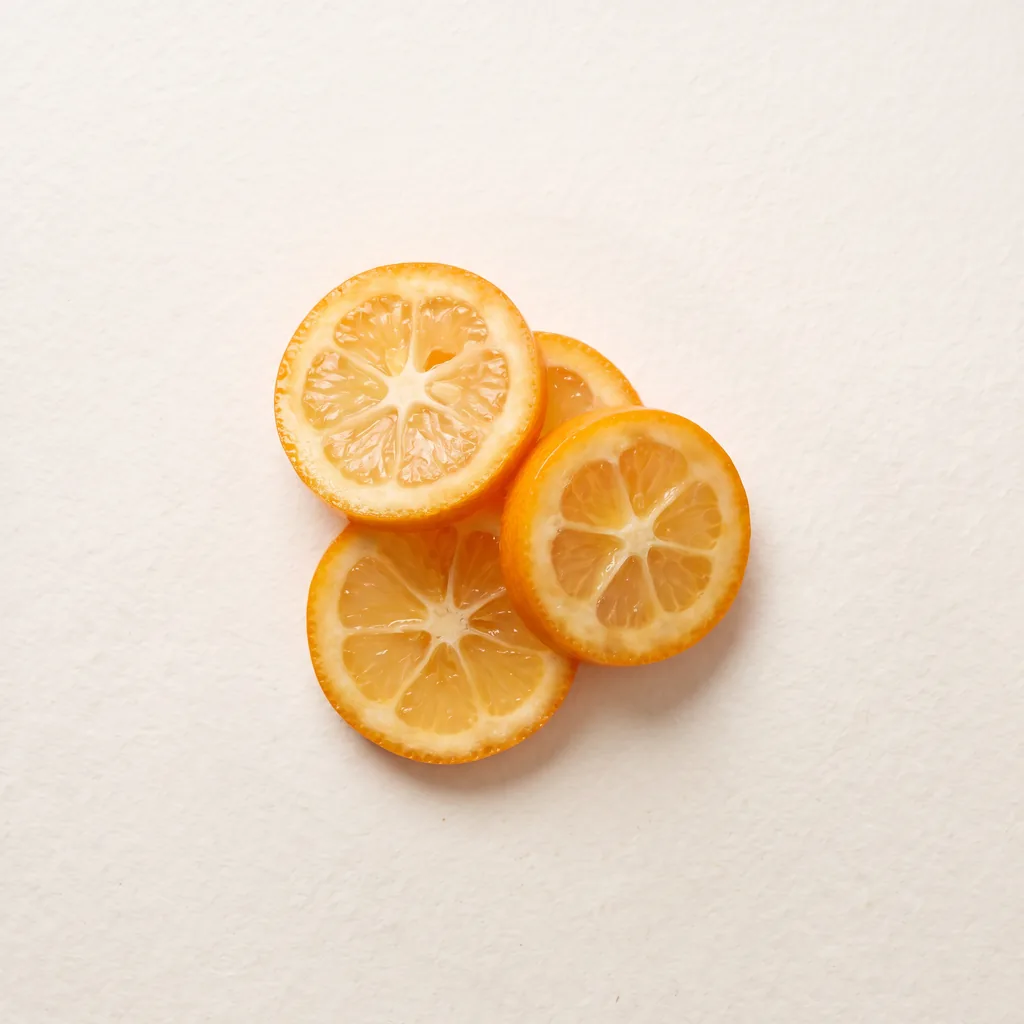
Cut: Thin slice
Remove the seeds and cut kumquat into thin rings. Your baby can pick them up and try to self-feed. Cooked pieces also make a sauce to spoon over other dishes.
12 monthsSlice
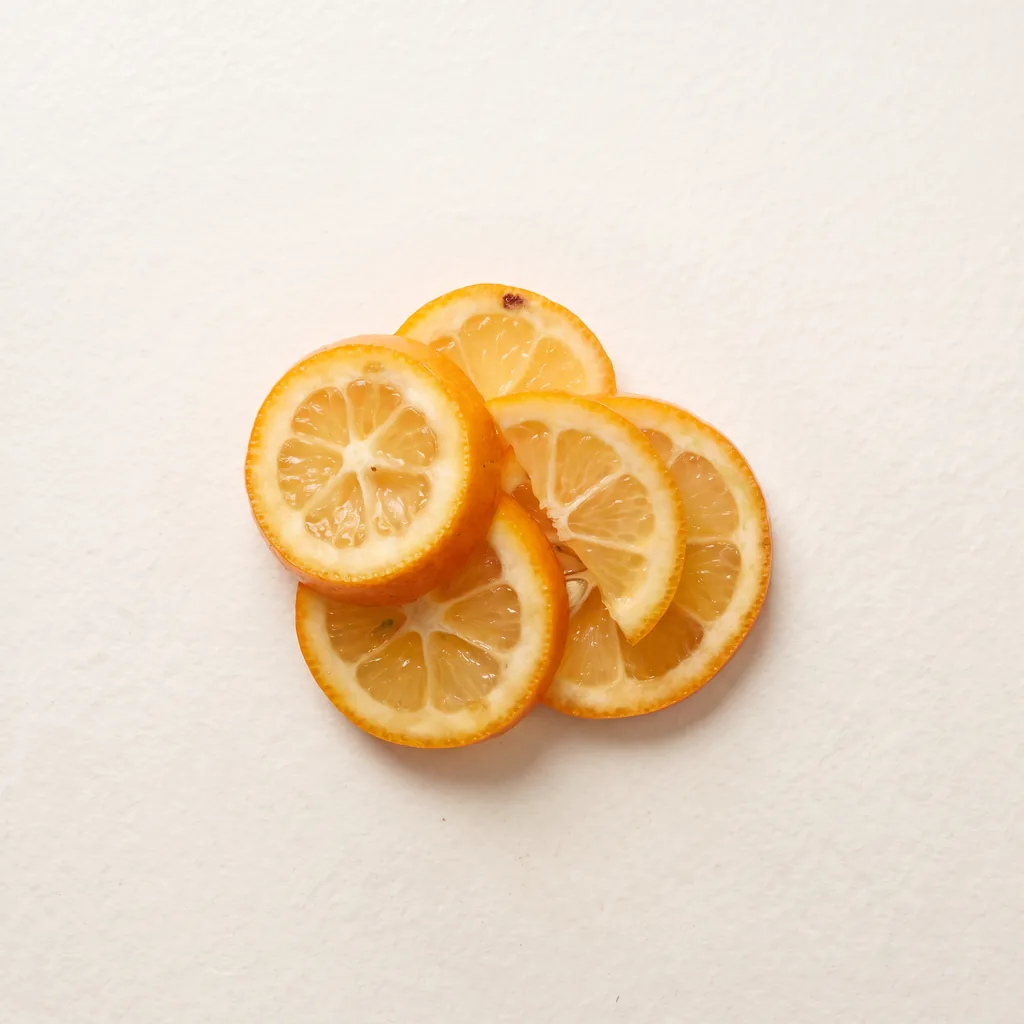
Cut: Thin slice
Keep serving seedless thin rings. Move to quarters or halves only long after your child reliably bites and tears with the teeth. Whole kumquat is not suitable before 24 months.
Kumquat is firm, round and hard to chew. These traits raise the choking risk. Most health bodies advise holding off on comparable foods, grapes for example, until age four. Prepare it in a way that suits your child's age, and stay close at meals, within arm's reach.
Whole fruit
Do not give a whole kumquat to a young baby.
Kumquat is not counted as a common allergen. Even so, sensitivity to citrus is reported often. People with oral allergy syndrome, especially those allergic to grass and some tree pollens, may be sensitive to citrus. The sign is usually brief itching, tingling or burning in the mouth.
Kumquat is very acidic. Its juice can cause a harmless red patch around the mouth. In excess it can irritate digestion and worsen diaper rash. The limonene in the peel can cause contact dermatitis in sensitive people.
If the juice stays on the skin and the skin meets sun, an itchy, sometimes blistering rash called phytophotodermatitis can appear. After handling citrus, rinse the skin, and keep sunscreen on. Keep the first servings small.
Prepared by the Lokmini team | Last updated November 17, 2026
Join Lokmini to learn how this food is served at each age and to keep track of every food your baby tries.
Lokmini builds a day-by-day plan for your baby's age. Leave your email for new guides and our newsletter.
Start Your Journey