Skip to content

Dietitian's view

Give grapes cut and mashed.

Lokmini is not a healthcare provider and does not offer health services. For your baby's specific needs, talk to your doctor or a dietitian.

  • Fruits
  • 6 mo+
  • High choking risk

Grape for babies: when to start

Grapes can be offered once your baby is about 6 months old and ready for solids, as long as they are prepared to lower the choking risk.

  • Vitamin C
  • Vitamin K
  • Vitamin B6
  • Potassium
  • Fiber
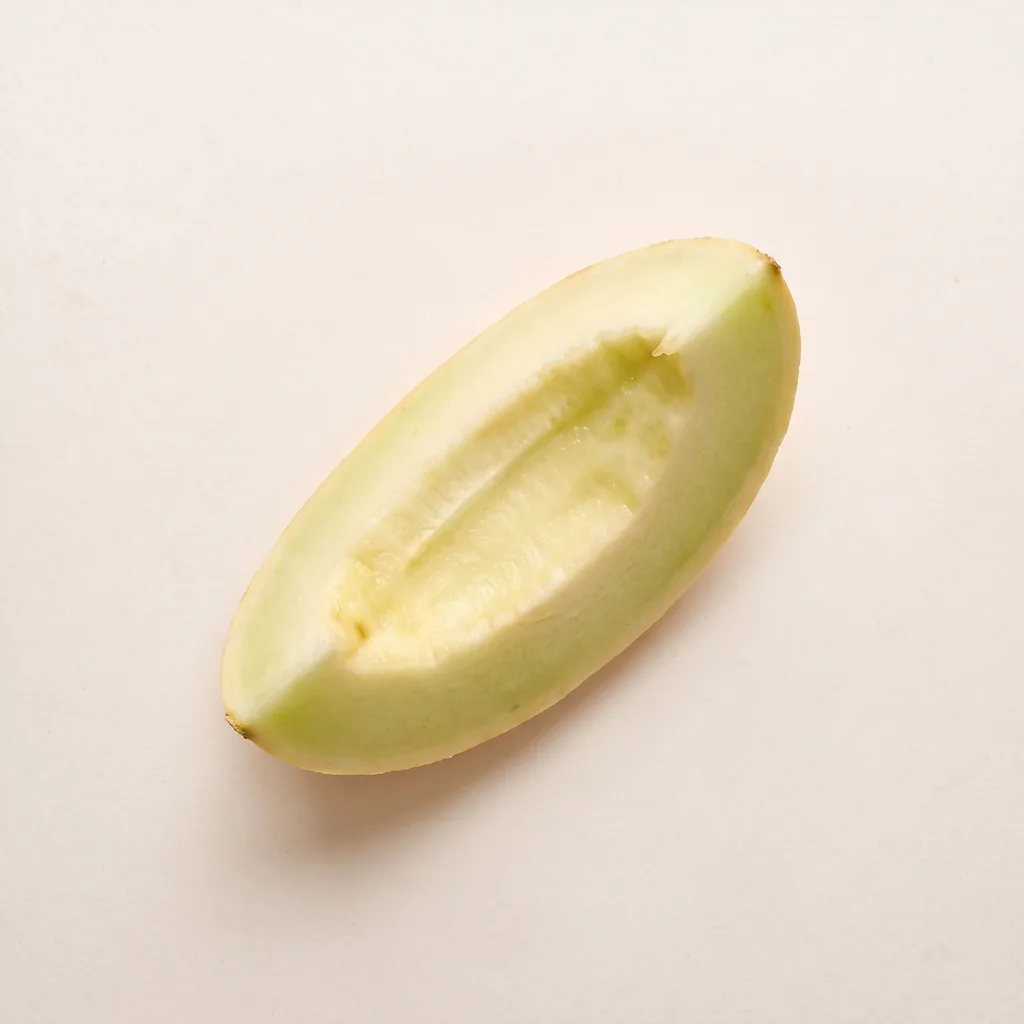
Grape illustration

About grape

Today the bulk of the crop becomes wine, while the remainder is sold as fresh table grapes, dried as raisins and sultanas, or made into oil, vinegar, jam, jelly, molasses and syrup.

Grapes supply carbohydrates, fiber, and water, as well as potassium and the vitamins C, K, and B6.

Also known as: sofralık üzüm, taze üzüm, çekirdeksiz üzüm, üzüm

  • Gluten-free
  • Vegan

How to prepare it by age

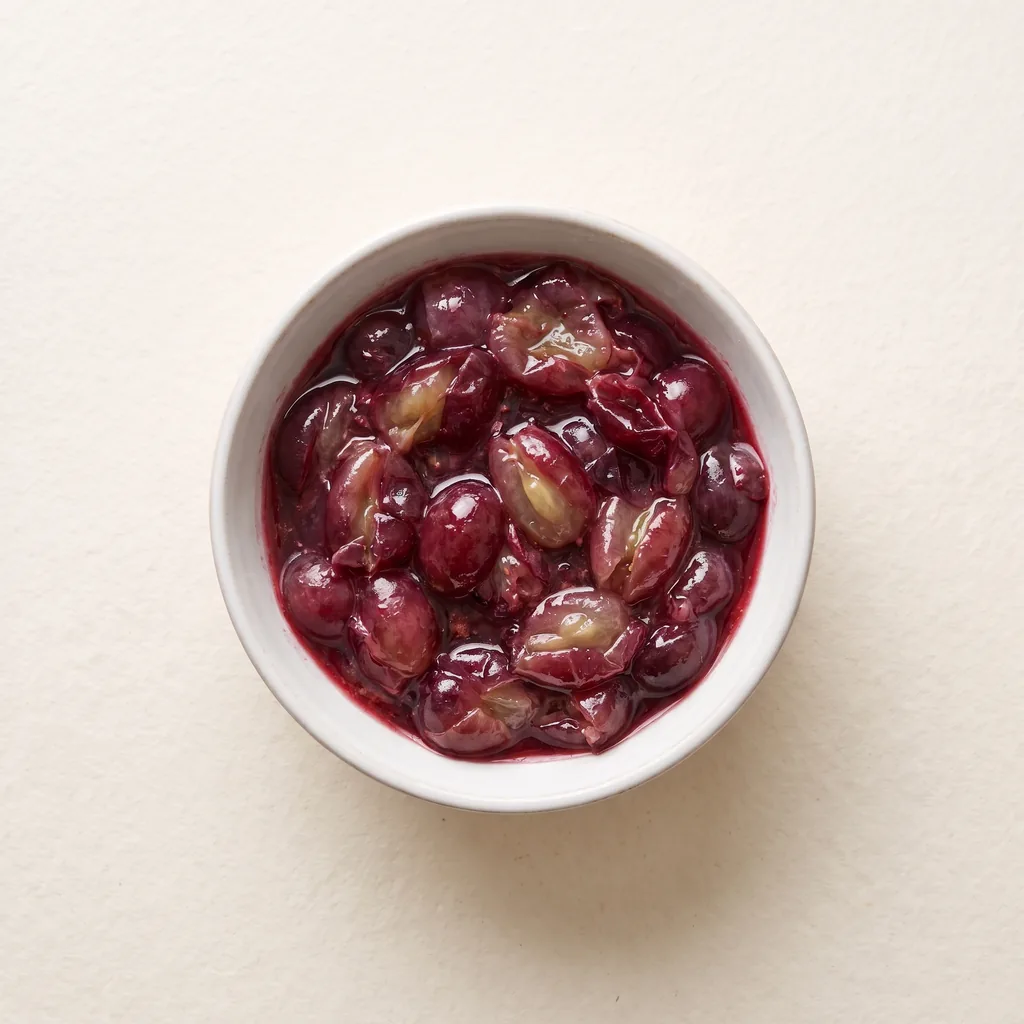
6 monthsMash

Grape prepared for 6 months

Cook grapes until they burst and soften, or blend them into a sauce. Serve alone or stir into yogurt or warm porridge. Skins and seeds are not a choking hazard, but you can remove them if you like. Whole grapes are not given at this age.
9 monthsSlice

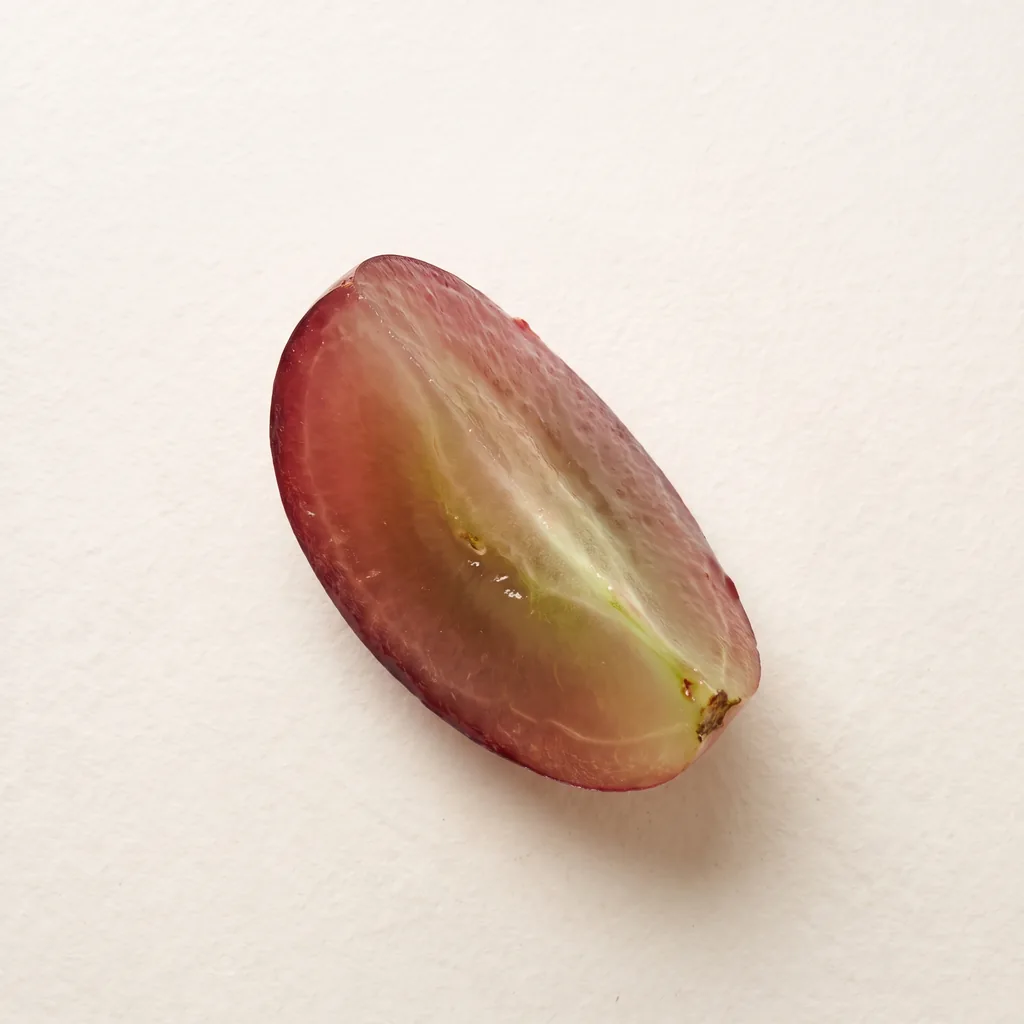
Grape prepared for 9 months

Cut: Quartered

Cut grapes lengthwise from stem to tip into quarters. When shopping, pick large, oblong grapes over small round ones. If your baby struggles to pick up the quarters, keep going with cooked grapes for a few more weeks.

12 monthsSlice

Cut: Quartered

Keep cutting grapes lengthwise into quarters. Leave the skin on and take out large seeds. Whole or halved grapes are round and slippery and carry a high risk, so health bodies advise not giving them whole until age four.

Choking risk

  1. Low
  2. Medium
  3. High

Grapes are round and slippery, with firm flesh. These traits greatly raise the choking risk.

Prepare them for the child's age: cook and mash, or cut lengthwise into quarters. Skins and seeds are not a high choking risk, but you can remove them if you like. Stay within arm's reach during meals.

Allergen information

Grape allergy is rare, though not unheard of. As with any new food, start with a small amount for the first meals and raise it over later meals if nothing happens.

Frequently asked questions

Is grape a common allergen?

Grape allergy is rare, though not unheard of. As with any new food, start with a small amount for the first meals and raise it over later meals if nothing happens.

How do you prepare grape for babies?

For a 6-month-old: Cook grapes until they burst and soften, or blend them into a sauce. Serve alone or stir into yogurt or warm porridge. Skins and seeds are not a choking hazard, but you can remove them if you like. Whole grapes are not given at this age.
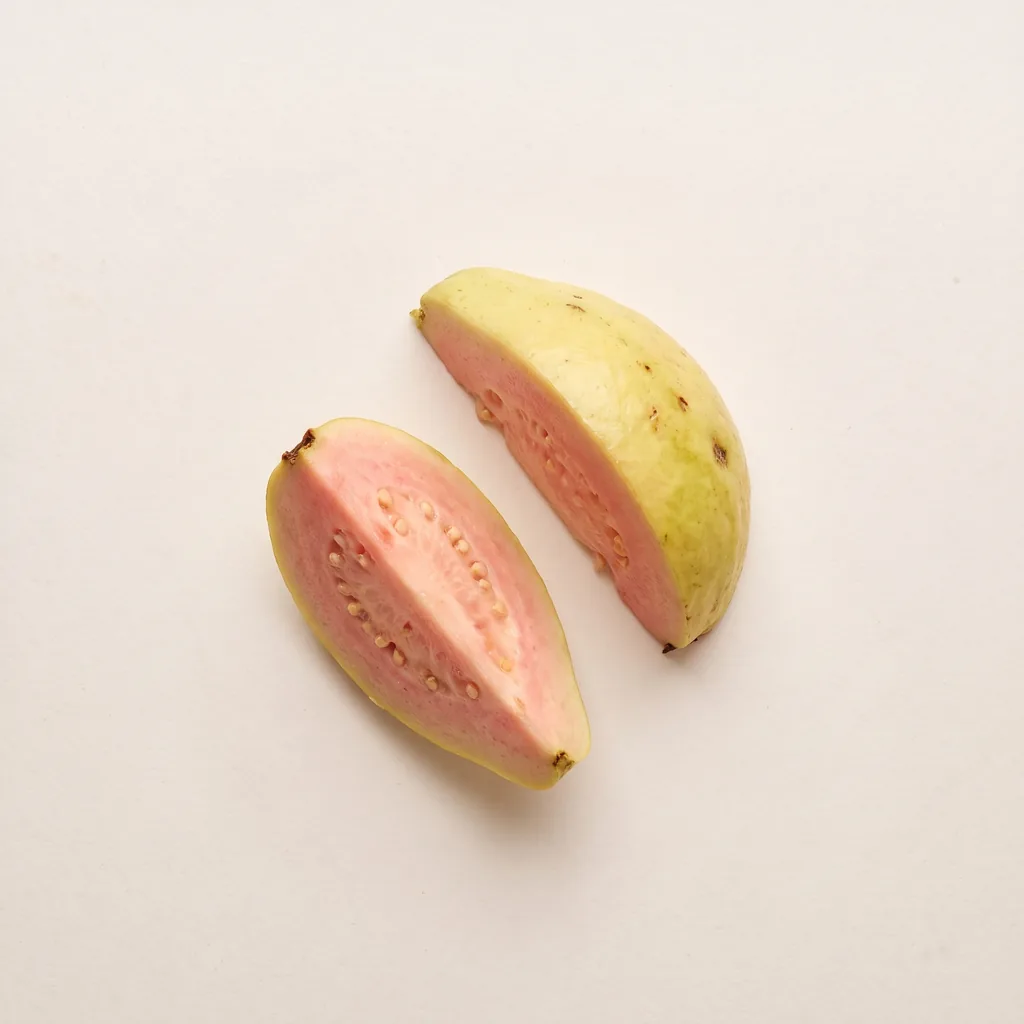
Is grape a choking hazard for babies?

Grapes are round and slippery, with firm flesh. These traits greatly raise the choking risk.

What age can babies eat grapes?

Grapes can be offered around 6 months, once your baby is ready for solids, as long as they are prepared in a way that lowers the choking risk.

Should grape skins and seeds be removed?

Not required. Skins and seeds are not a high choking risk. After 12 months just remove large seeds.

When can whole grapes be given?

Most health bodies advise waiting until age 4. When skills mature, try at the table under supervision, after showing how to chew.

Can a baby drink grape juice?

Small amounts of pasteurized juice after 12 months. Waiting until the second birthday is better for regular juice.

Prepared by the Lokmini team | Last updated November 17, 2026

Share:WhatsApp

Want to add this food to your baby's solid food calendar?

Join Lokmini to learn how this food is served at each age and to keep track of every food your baby tries.

Join Lokmini

Starting Solids

When and how to start solids, and what happens in the first week?

Read the guide

Similar foods

Let's get ready for the first bite together

Lokmini builds a day-by-day plan for your baby's age. Leave your email for new guides and our newsletter.

Start Your Journey