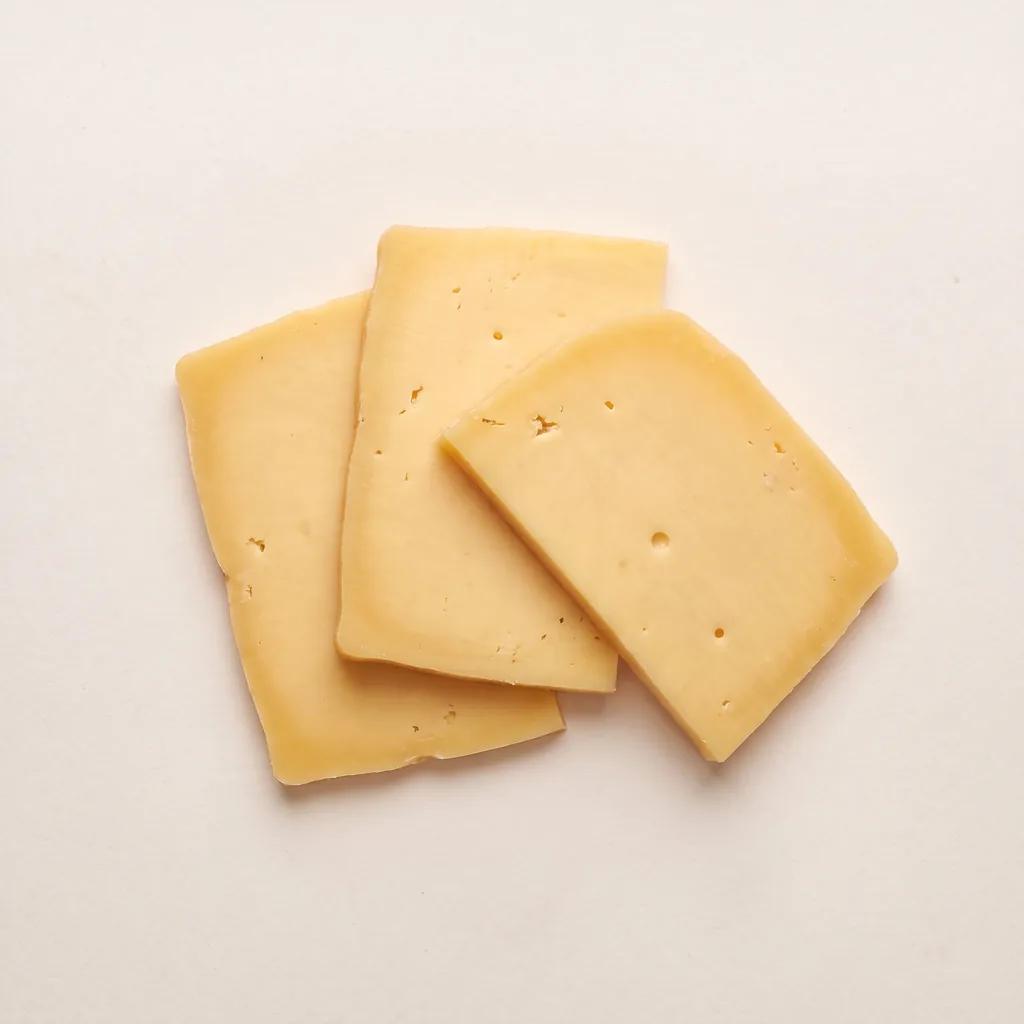
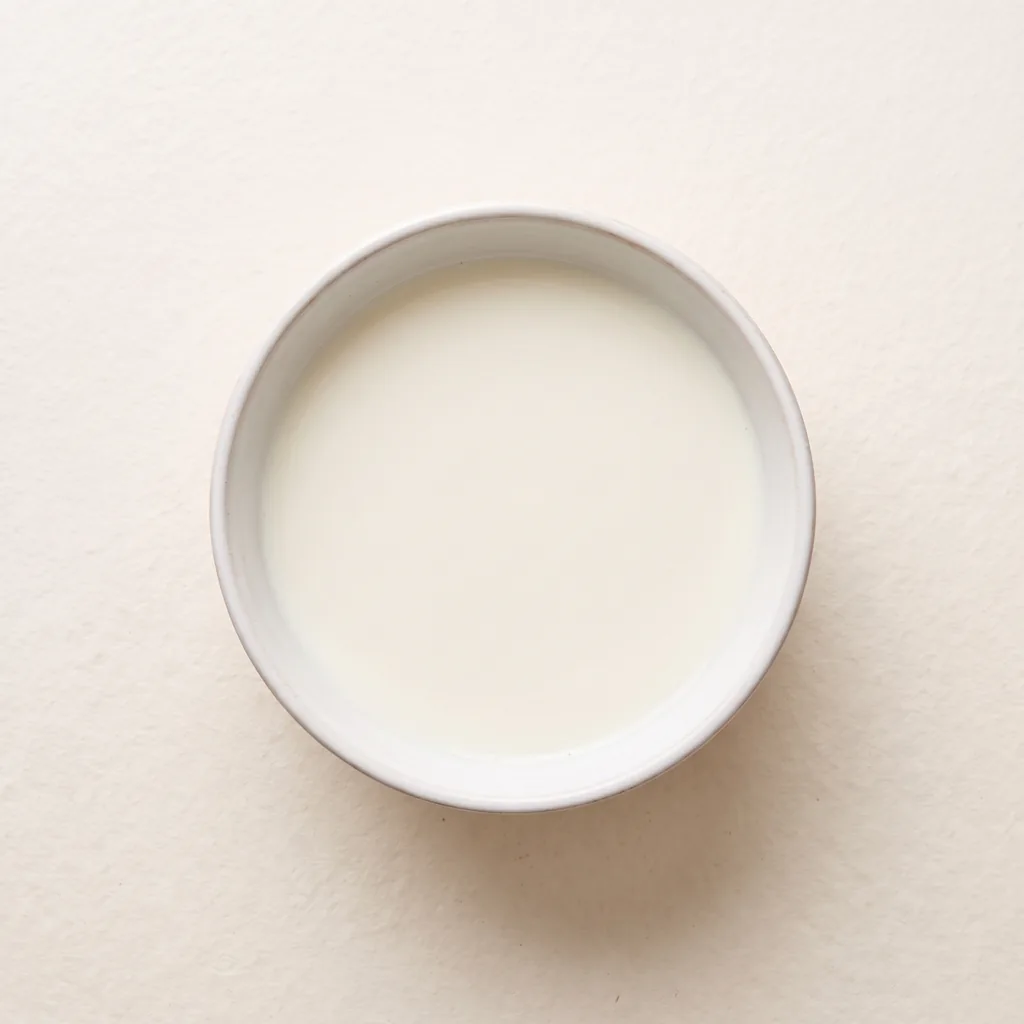
6 monthsMash
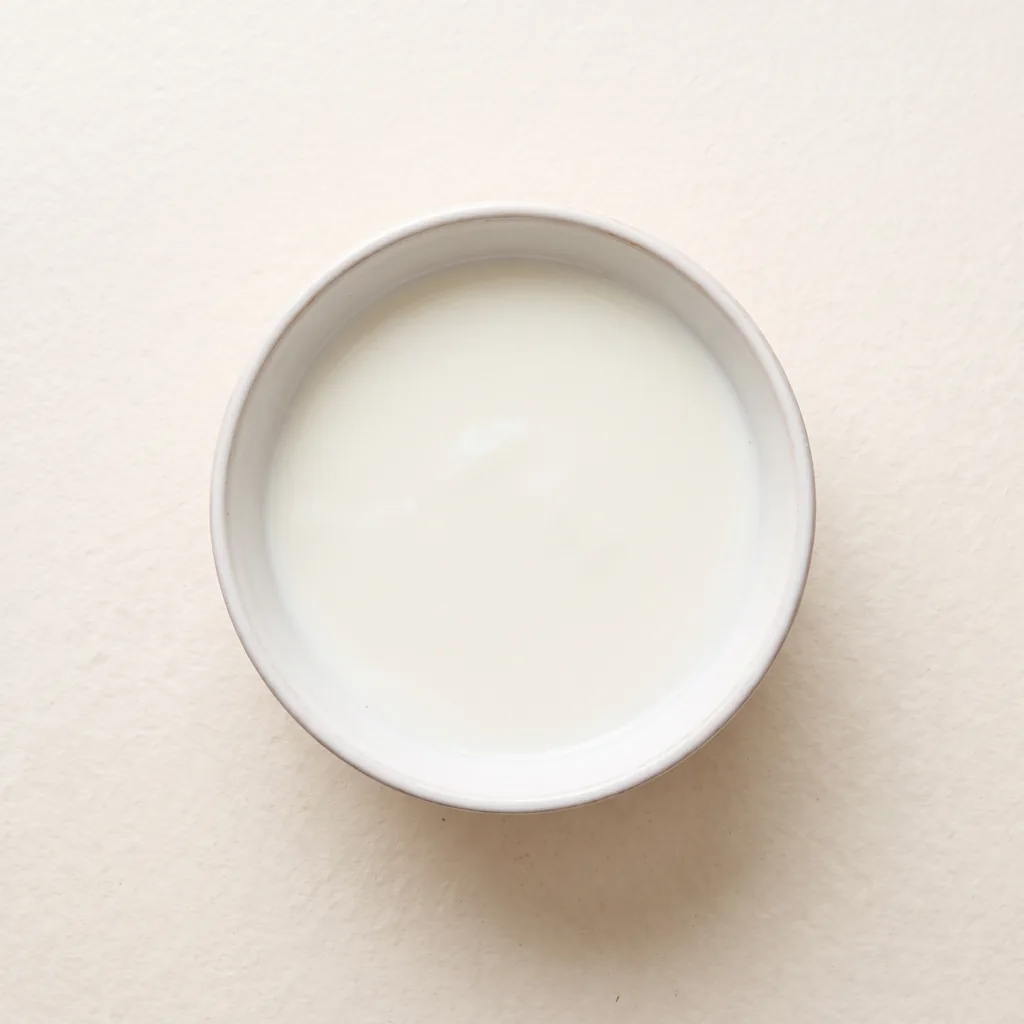
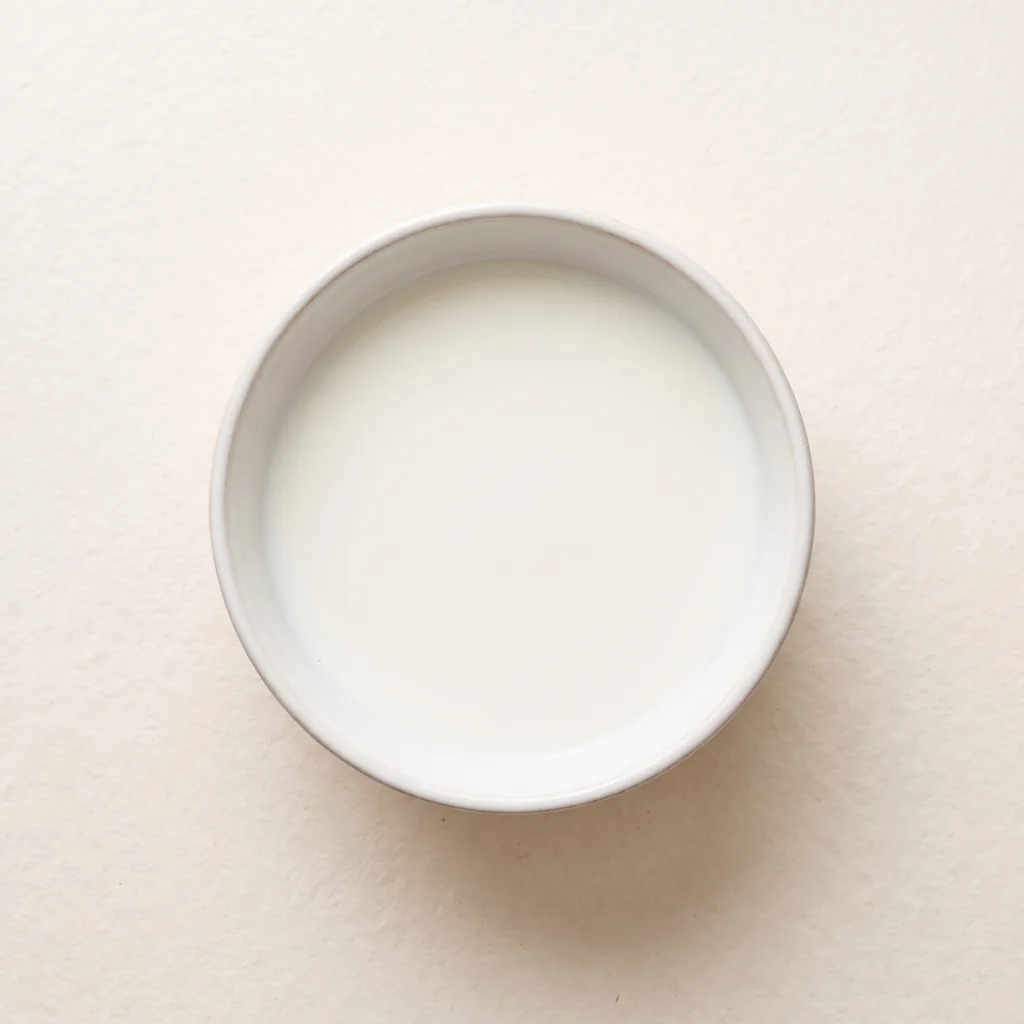
Use pasteurized goat milk in small amounts inside food, not as a drink. Stir it into cooked porridge, mashed potato or rice. It can also go into purées and sauces. Do not give goat milk in a cup at this age.
Dietitian's view
Goat milk is not recommended before 12 months.
Lokmini is not a healthcare provider and does not offer health services. For your baby's specific needs, talk to your doctor or a dietitian.
Goat milk can go into your baby's meals as an ingredient once your baby is about 6 months old and ready for solids. Like cow's milk, it is not given as a drink until the first birthday. It lacks the complete nutrition babies need and can crowd out breast milk or formula. Choose pasteurized.
 Allergen, day 1/3
Goats thrive in rugged mountain country. Some breeds are raised for meat and others for milk. In goat-herding areas of Africa, Asia and Europe, goat milk is a common food.
Also known as: keçi sütü, keçi sütü bebek
So that any reaction can be linked to the right food, goat milk is offered 3 days in a row and no other new food is tried on those days.
Start with a small amount in the morning or around midday. Your baby is watched closely for 5 to 10 minutes after the first bite.
Goat milk is offered again the same way. No other new food is tried today.
If no reaction was seen, goat milk is now part of your baby's meals. It keeps being offered regularly.
Emergency
If your baby has trouble breathing or swelling of the face or tongue, call 911 (or your local emergency number) right away.
FPIES warning
It is one of the known triggers of FPIES (a delayed-onset food allergy). In this condition, repeated severe vomiting, pallor and lethargy may occur, usually 1-4 hours after the food is eaten. Diarrhea may appear later. These symptoms require urgent medical evaluation.
Goat milk and dairy from other ruminants such as sheep and buffalo cross-react with cow's milk. That is why goat milk counts as a common allergen. A child allergic to cow's milk may react to goat milk too.
The good news is that milk allergy tends to fade. Most children with it outgrow it by age 6. Many babies with mild signs, such as painless blood in the stool, can retry milk around the first birthday with a doctor's guidance. Even some children who cannot drink milk tolerate it once thoroughly baked in cakes or muffins.
Milk is also a frequent cause of FPIES, a delayed allergy. The acute form brings repeated vomiting and diarrhea a few hours after eating. Left untreated it can lead to serious dehydration. If milk is eaten regularly, the chronic form can cause reflux, weight loss and poor growth. Symptoms ease once milk is stopped. FPIES that starts early usually fades by ages 3 to 5.
Babies and young children rarely have lactose intolerance, but it grows more common with age. It can be mistaken for allergy. Goat milk has less lactose than cow's milk, so some people tolerate it more easily.
If you suspect a dairy allergy, see an allergist before offering goat milk. The allergist may order tests or supervise the first taste at the clinic. With low risk, you can start at home. Begin with a small amount and raise it over later meals if nothing happens. Once a common allergen has gone well, keep it in the diet, ideally twice a week.
6 monthsMash
Use pasteurized goat milk in small amounts inside food, not as a drink. Stir it into cooked porridge, mashed potato or rice. It can also go into purées and sauces. Do not give goat milk in a cup at this age.
12 monthsMash
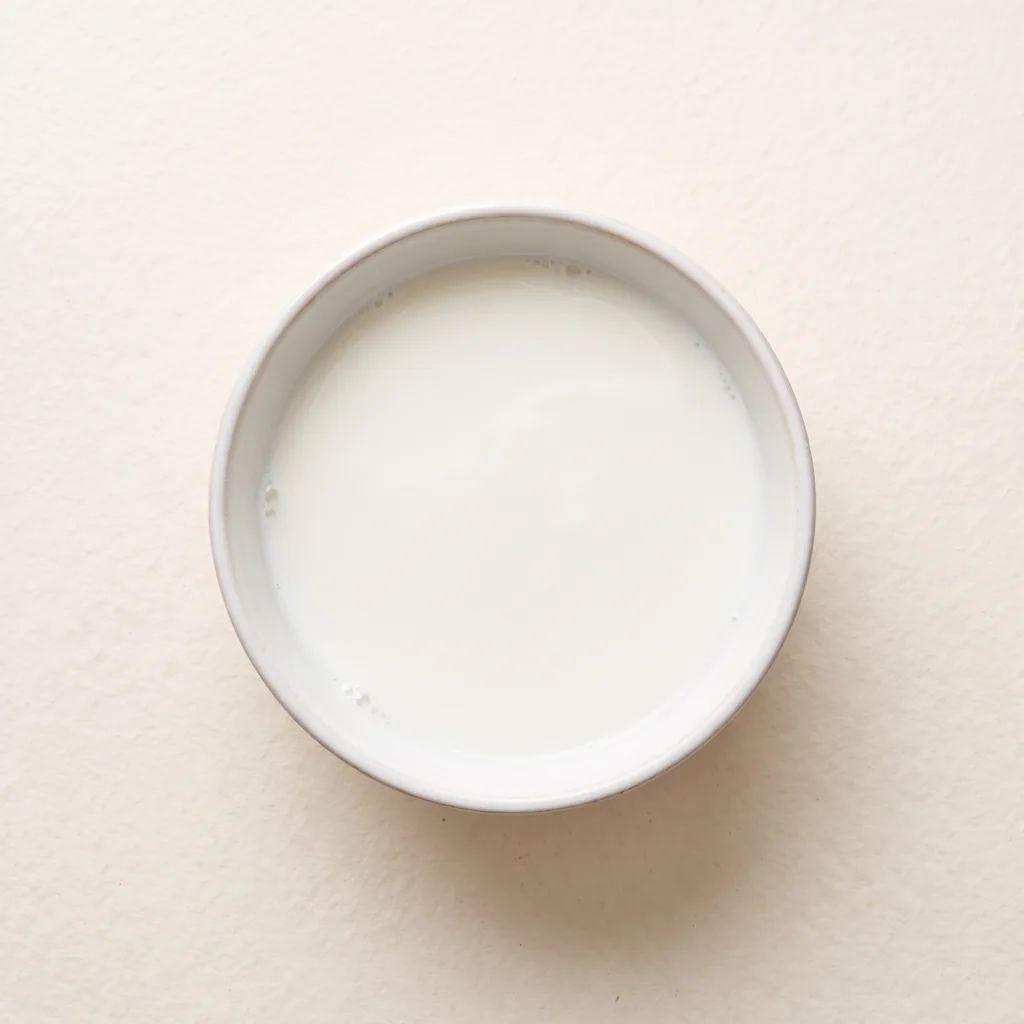
After the first birthday you can offer goat milk as a drink. Begin with a little at mealtimes, poured into an open cup. Pick a fortified one if you can. Go on cooking with it and using it in recipes.
Goat milk is a liquid and carries a low choking risk. In theory any food can cause choking. Serve it in an age-appropriate way and stay beside your baby during the meal.
Prepared by the Lokmini team | Last updated November 18, 2026
Join Lokmini to learn how this food is served at each age and to keep track of every food your baby tries.
Lokmini builds a day-by-day plan for your baby's age. Leave your email for new guides and our newsletter.
Start Your Journey