Dietitian's view
Gouda cheese can be risky because of its salt content.
Lokmini is not a healthcare provider and does not offer health services. For your baby's specific needs, talk to your doctor or a dietitian.
- Cow's milk allergen
- Dairy
- Not recommended for babies
- Medium choking risk
Can babies have Gouda cheese?
Gouda cheese is not recommended for babies. Its salt content may make it risky.
- Protein
- Calcium
- Fat
- Sodium
 Allergen, day 1/3
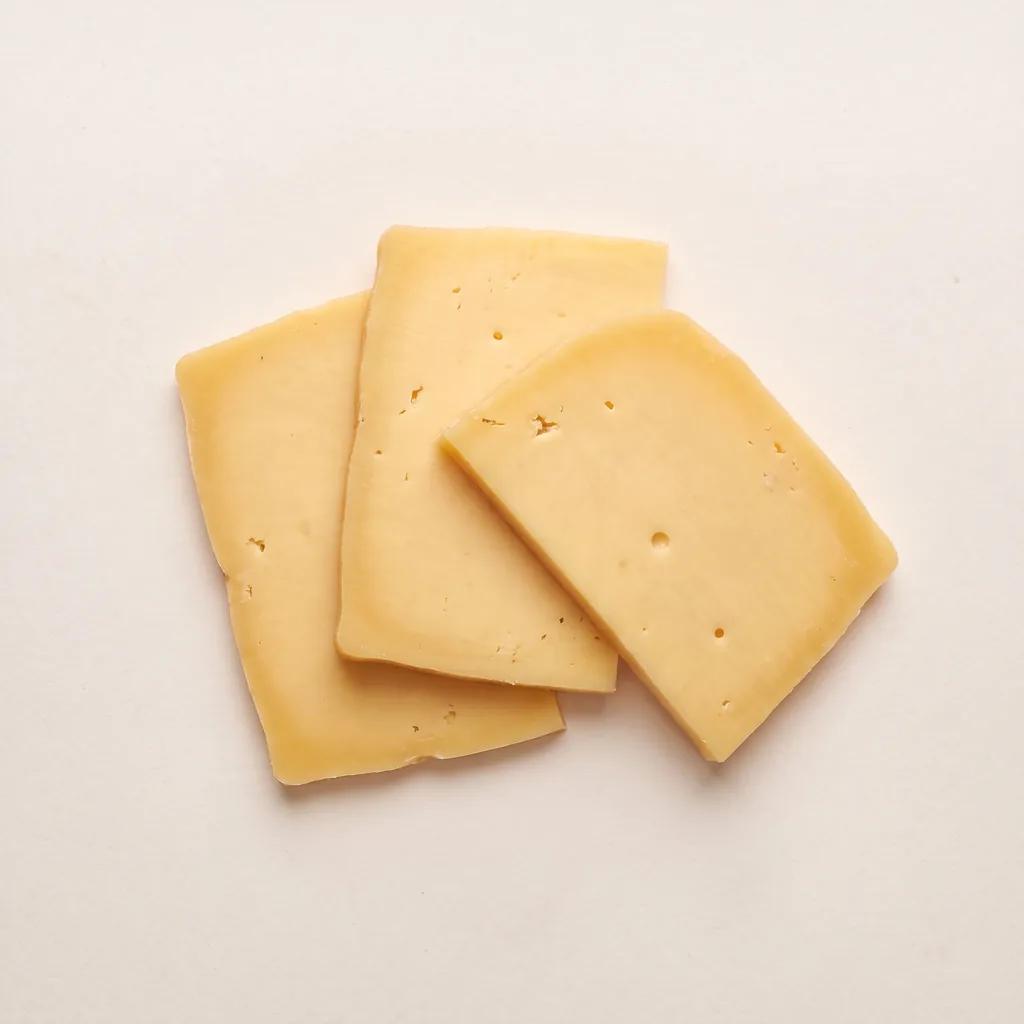
About Gouda cheese
Gouda is a cheese named after a town in the Netherlands. Wheels can weigh up to 7 kilograms. In the traditional method it is pressed in wooden molds, which builds a thick rind. Countless varieties exist today, and many are flavored with spices. Only Noord-Hollandse Gouda has protected origin status under European law.
Also known as: gouda, gouda peyniri, hollanda peyniri
- Gluten-free
- Vegetarian
- Contains dairy
Choking risk
- Low
- Medium
- High
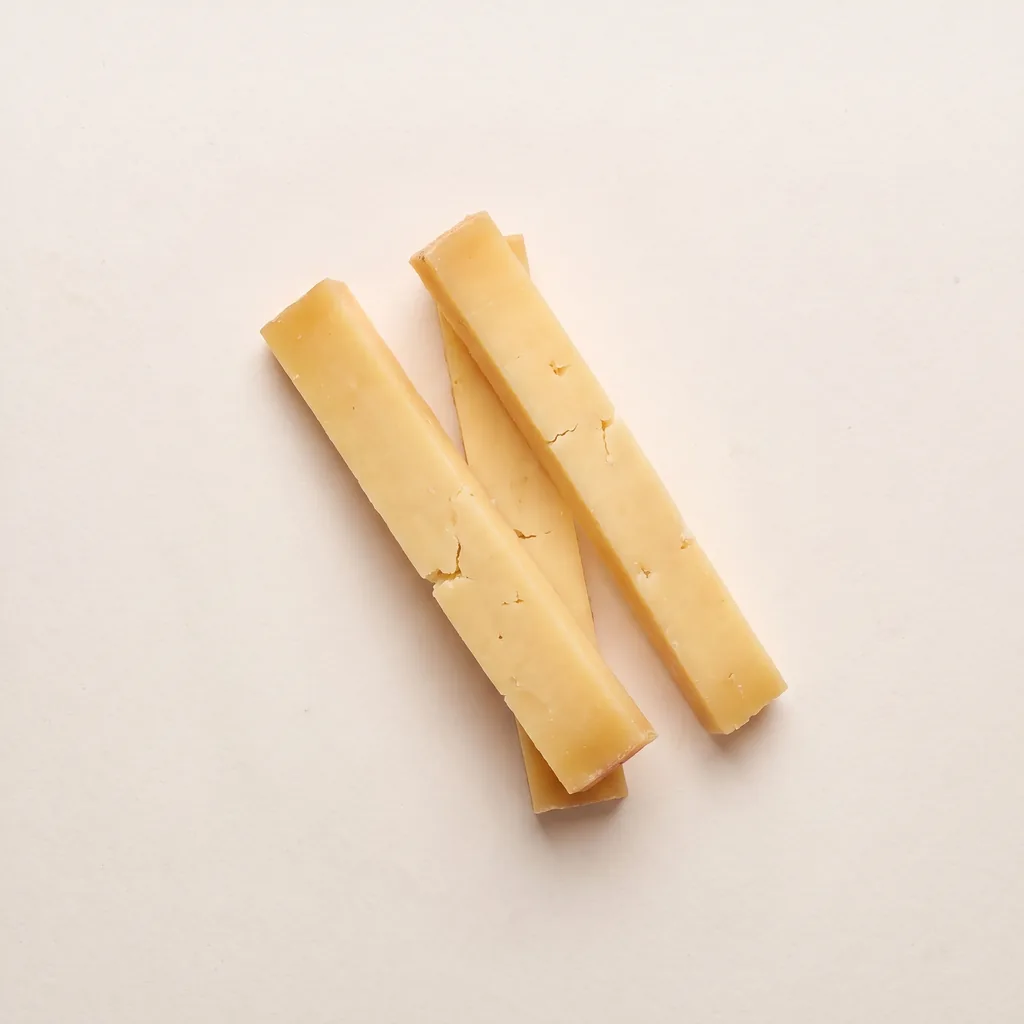
Gouda is often firm and may turn into a sticky lump in the mouth, which raises the choking risk.
About Gouda cheese allergy
FPIES warning
It is one of the known triggers of FPIES (a delayed-onset food allergy). In this condition, repeated severe vomiting, pallor and lethargy may occur, usually 1-4 hours after the food is eaten. Diarrhea may appear later. These symptoms require urgent medical evaluation.
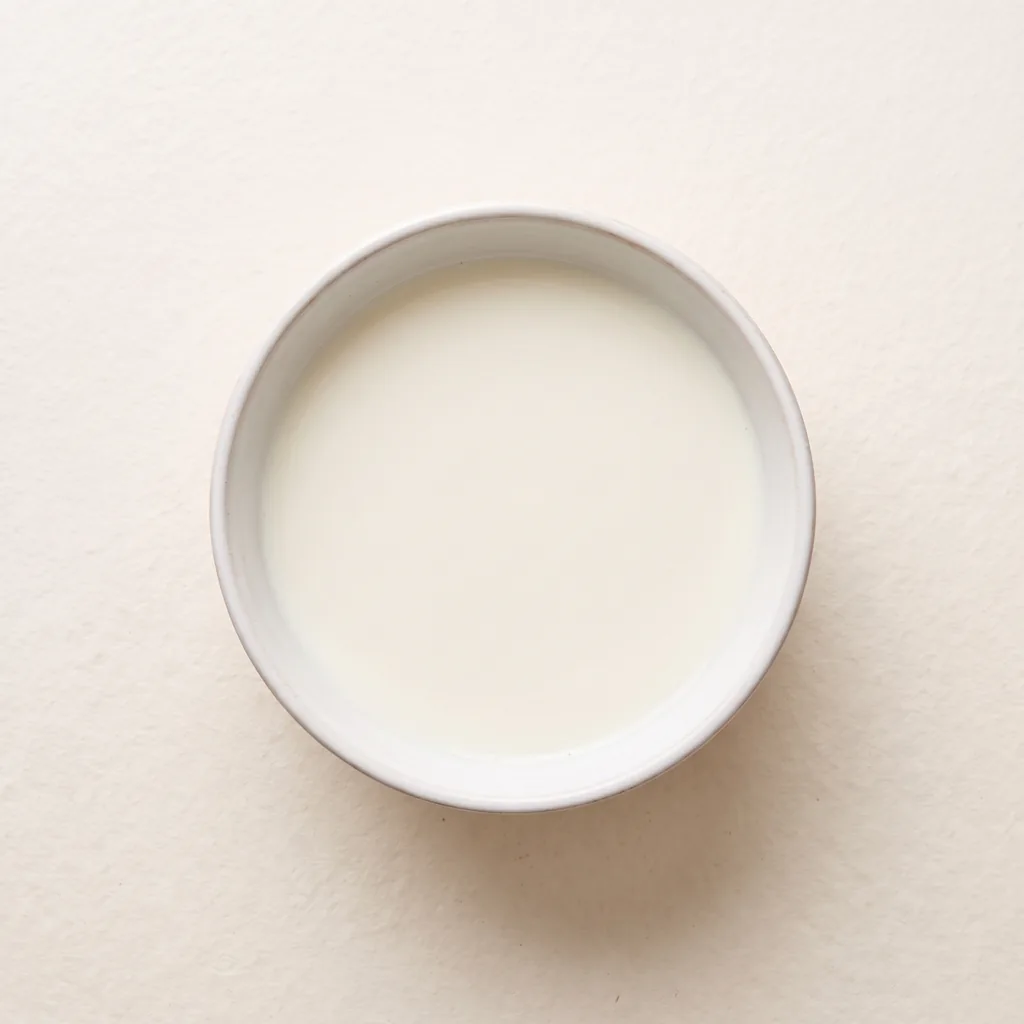
Gouda cheese usually starts as cow's milk, though sheep or goat milk is sometimes used. Milk is a common allergen in young children. In the US about one in five childhood food allergies is milk allergy. Milk allergy usually refers to cow's milk, but dairy from ruminants such as sheep, goats and buffalo can cause similar reactions.
The good news is that milk allergy usually fades. Most children with cow's milk allergy outgrow it by age 6. Many babies with mild signs, such as painless blood in the stool, can retry milk around the first birthday with a doctor's guidance. Histamine in aged cheeses can cause a rash in sensitive children.
Dairy is also a frequent trigger of FPIES, a delayed allergy. Repeated vomiting and diarrhea start a few hours after eating. Left untreated it can lead to serious dehydration. FPIES that starts early usually fades by ages 3 to 5. The exact rate is unknown and it is thought to be uncommon.
Lactose intolerance is uncommon in babies and young children. Aged cheeses are low in lactose, so many people with lactose intolerance handle them better. If your child is lactose intolerant, keep giving other calcium-rich foods regularly.
Frequently asked questions
What age can babies eat Gouda cheese?
Is Gouda cheese a common allergen?
Is Gouda cheese a choking hazard for babies?
When can a baby have gouda?
Does gouda have too much salt for babies?
Can gouda be cut into cubes?
Can a baby with milk allergy eat gouda?
Sources
- World Health Organization (WHO), Guideline for complementary feeding of infants and young children 6-23 months of age (2023)
- American Academy of Pediatrics (AAP), Pediatrics 133(1):175-179, Consumption of Raw or Unpasteurized Milk and Milk Products by Pregnant Women and Children (2014)
- Annals of Allergy, Asthma & Immunology, The epidemiology of milk allergy in US children (2013)
- Small Ruminant Research, El-Agamy EI. Small Ruminant Research 68:64-72 (2007)
- Nutrients, Histamine Intolerance in Children: A Narrative Review (2021)
- Biomolecules, Histamine Intolerance: The Current State of the Art (2020)
- Allergy and Asthma Proceedings, Nowak-Węgrzyn A. Food protein-induced enterocolitis syndrome. Allergy and Asthma Proceedings 36(3):172-184 (2015)
- CDC, Infant and Toddler Nutrition, Choking Hazards
Prepared by the Lokmini team | Last updated November 17, 2026