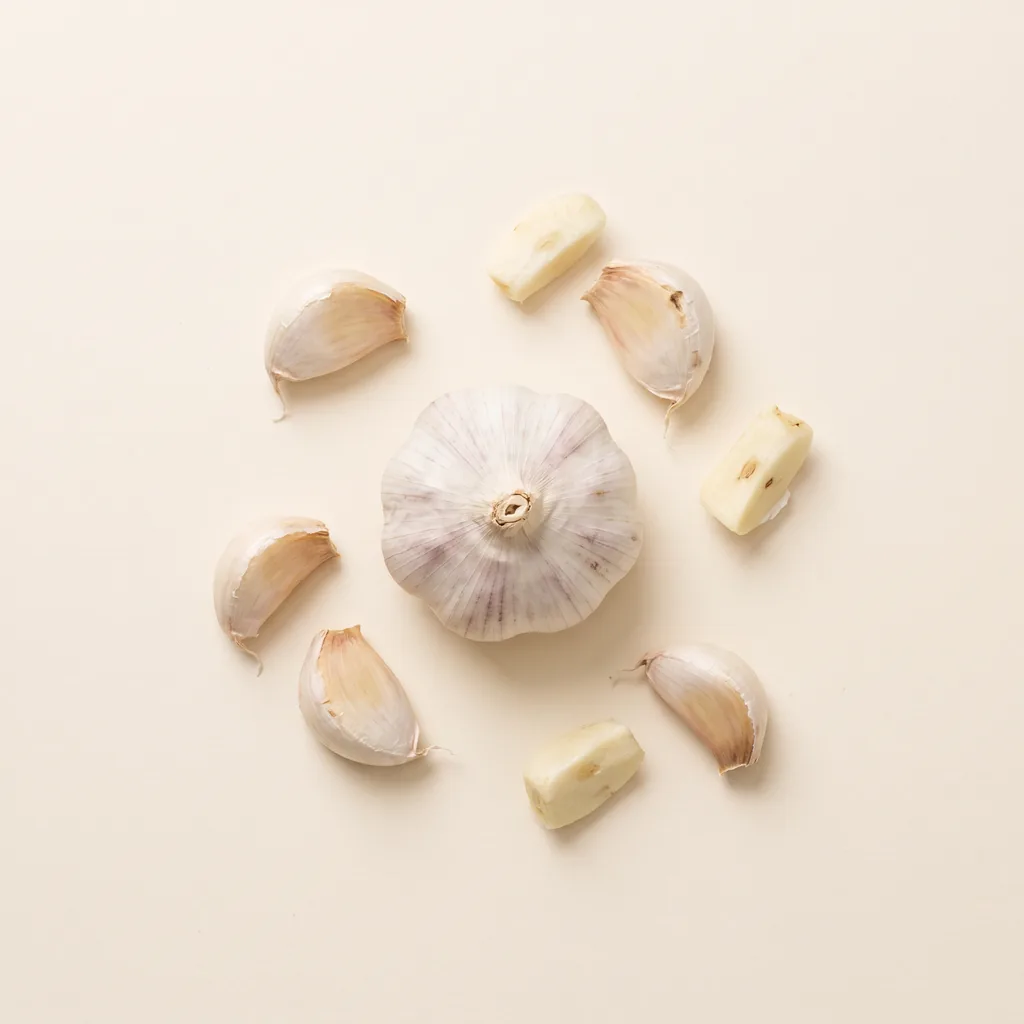
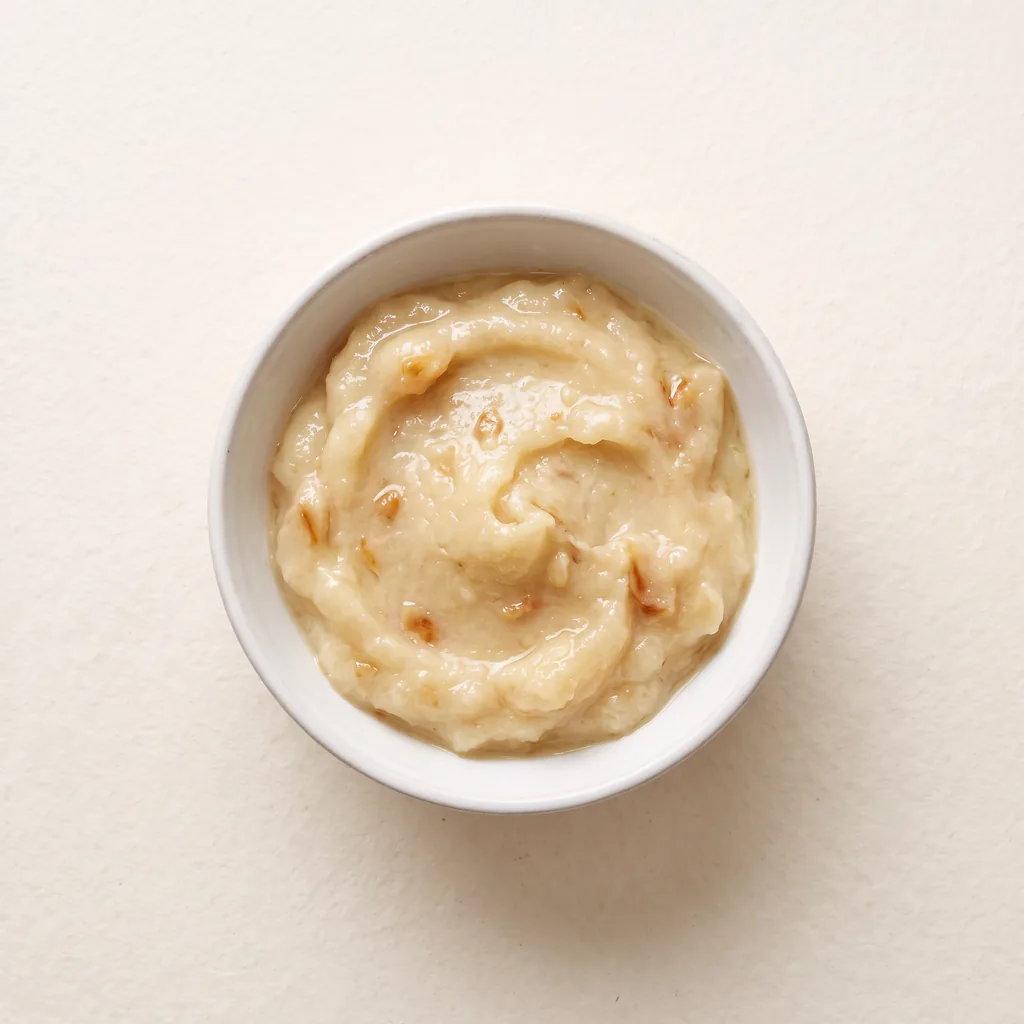
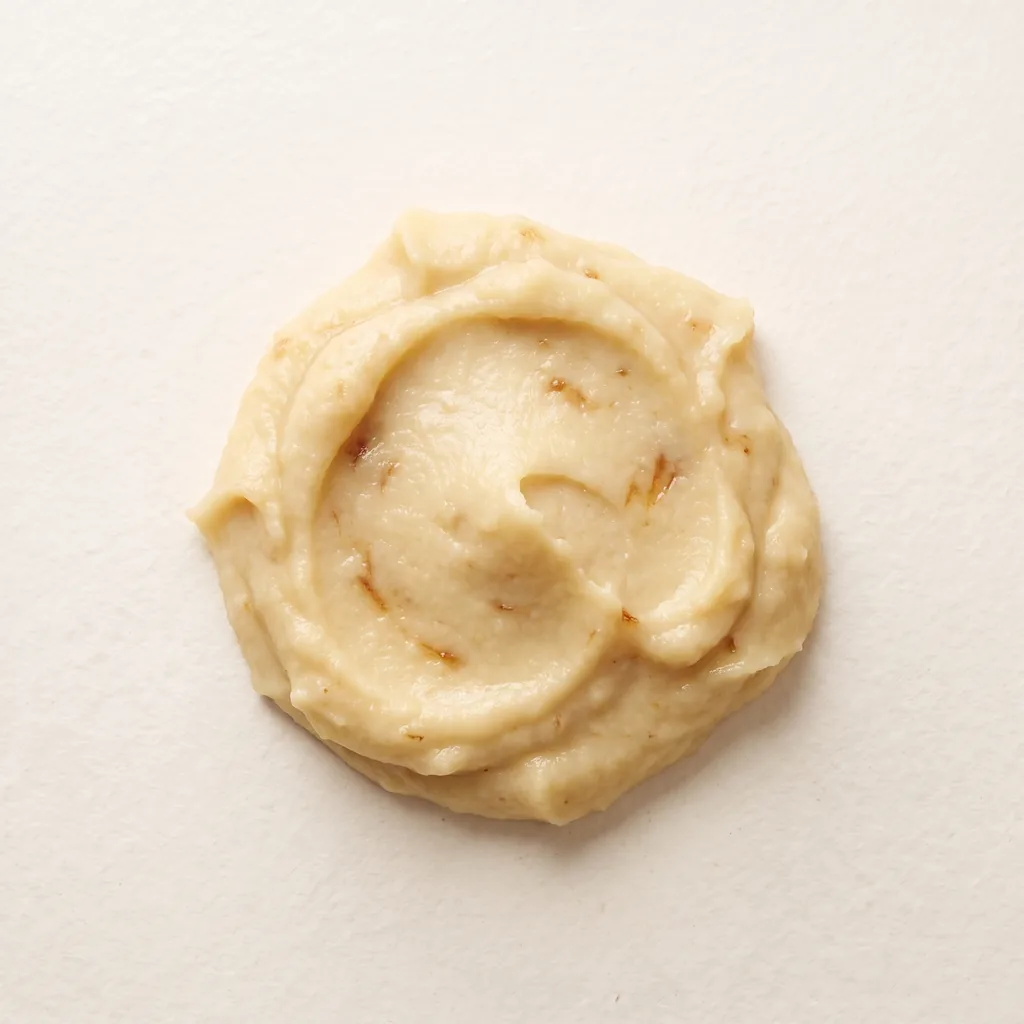
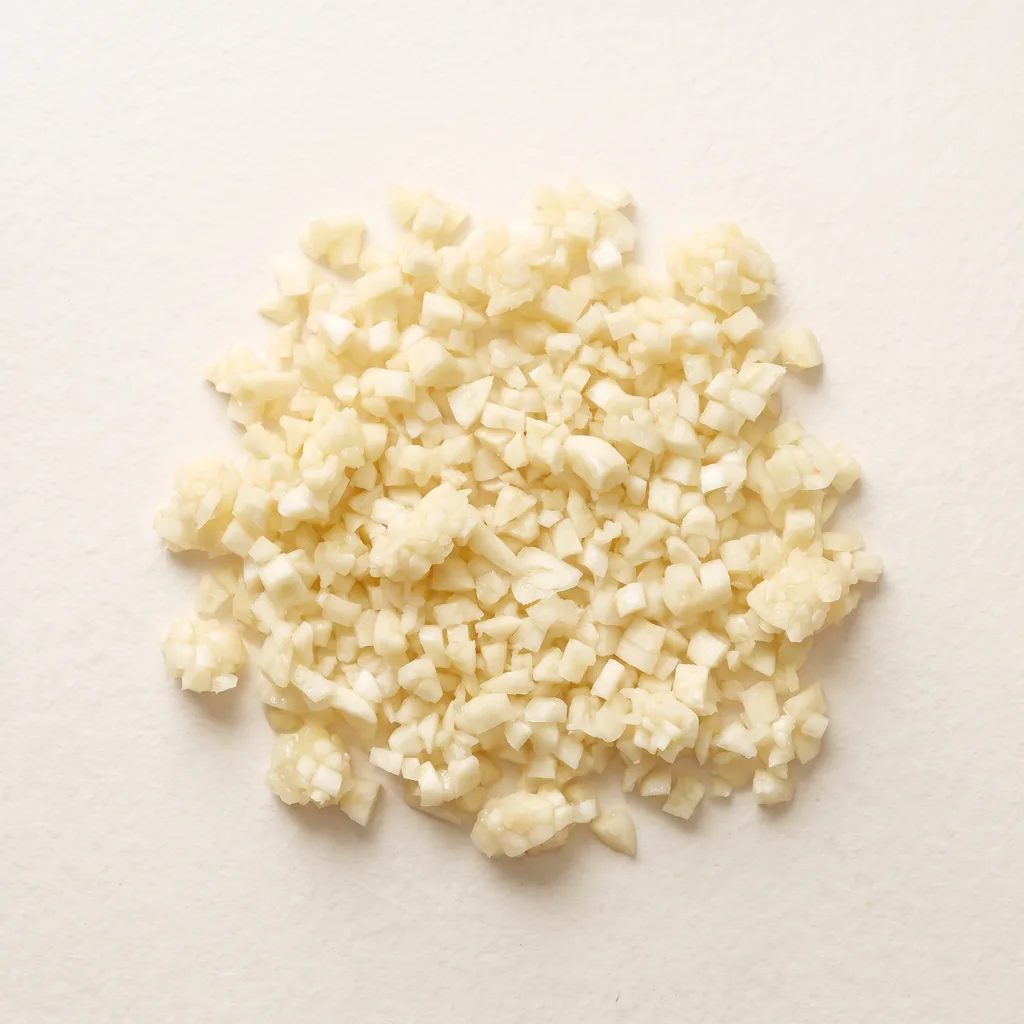
Garlic is not a common food allergen. Allergic reactions to garlic are rare, but serious reactions have been reported in some cases.
Garlic belongs to the same Allium genus as onion, leek, and chives. Because the allergen proteins in these plants are similar, cross-reactions can occur. But an allergy to one does not mean everyone will be allergic to the others.
Some garlic allergens are sensitive to heat. So some people who react to raw garlic can tolerate cooked garlic. But cooking does not inactivate all allergens and does not guarantee safe eating.
In pollen food allergy syndrome, itching, tingling, or burning in the mouth can occur. However, evidence for clinically meaningful cross-reactions between garlic and grass or mugwort pollen is limited.
Skin contact with raw garlic, especially frequent and long contact, can cause irritation or contact dermatitis. Not all of these reactions mean a food allergy.
When you offer garlic to your baby for the first time, start with a small amount. If there are no allergy signs, you can raise the amount at later meals.
If signs such as hives, repeated vomiting, or swelling of the lips appear, stop giving garlic and get a medical assessment. For serious signs such as trouble breathing or swelling of the tongue or throat, call emergency services right away.