Dietitian's view
Give fig softened and mashed.

Uzm. Dyt. Berk AysanPrepared the latest update, November 14, 2026
Lokmini is not a healthcare provider and does not offer health services. For your baby's specific needs, talk to your doctor or a dietitian.
- Fruits
- 6 mo+
- Low choking risk
Fig for babies: when to start
Fresh fig (Ficus carica) can be offered when your baby is about 6 months old and ready for solids. Ripe, soft figs that mash easily are a good place to start.
- Fiber
- Calcium
- Potassium
- Magnesium
- Vitamin B6
- Vitamin C
About fig
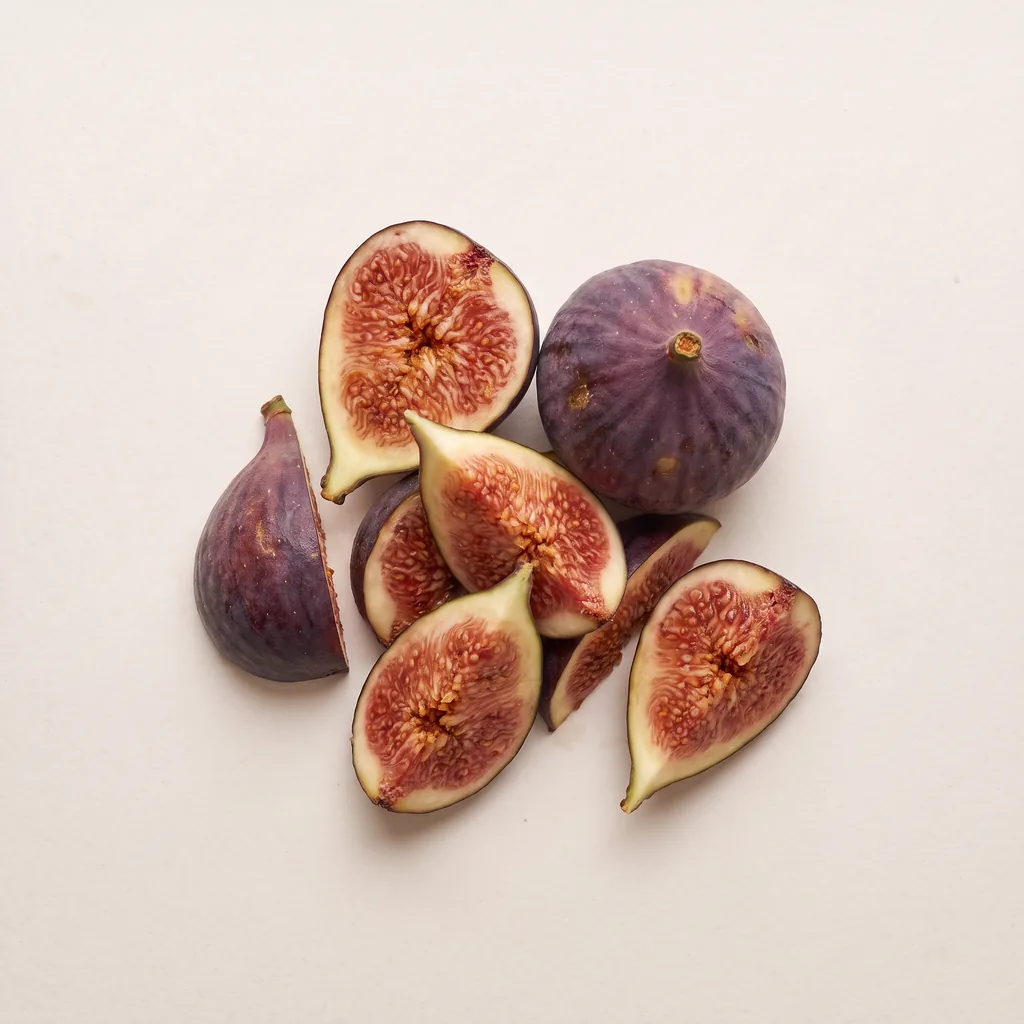
Fig has long been grown in Southwest Asia and around the Mediterranean, and it comes in varieties with different colors and flavors. The skin can be green, purple or dark purple, and the inside pink, red or amber. Its soft texture and natural sweetness can bring new flavors to your baby's meals.
Nutrition
Fresh fig is a fruit that contains water, carbohydrates and fiber. It provides minerals such as potassium, calcium, magnesium and copper, plus small amounts of vitamins B6 and K. It also contains plant compounds, such as phenolic compounds, that may have antioxidant properties.
Dried figs have less water, so their fiber, sugar and energy are more concentrated than in the same weight of fresh figs.
Storage
Fresh figs ripen fast and spoil easily. To keep them from bruising, store them in the fridge, in a single layer if you can, in a suitable container that is not sealed. It is better to store figs unwashed and wash them gently under running water right before eating. Do not give your baby moldy or spoiled figs.
Also known as: incir, incir meyvesi, kuru incir, taze incir
- Gluten-free
- Vegan
How to prepare it by age
Age-by-age prep is in the Lokmini app
See how to cut, texture and serve fig at 6, 9 and 12 months in the app.
Join LokminiChoking risk
- Low
- Medium
- High
The firmness of unripe figs and the dense, sticky texture of dried figs can raise the choking risk for babies. Offer your baby only very ripe, soft fresh figs that mash easily between your fingers. Remove the tough stem and slice or mash the fig to suit your baby's age. Do not give dried figs whole. Your baby should sit upright throughout the meal and be supervised by you the whole time.
Allergen information
Fig is not a common food allergen, but it can rarely cause serious allergic reactions. Cross-reactions can occur, especially in people with latex allergy or pollen food allergy syndrome. These reactions can show up as itching, tingling or mild swelling in the mouth, but more serious symptoms can rarely develop too. When you give your baby fig for the first time, start with a small amount and watch how they respond. If no signs appear, you can increase the amount gradually over later meals. If hives, lip swelling or repeated vomiting develop, stop giving it and talk to your doctor. If there is trouble breathing, call emergency services right away.
Frequently asked questions
What age can babies eat fig?
Is fig a common allergen?
Is fig a choking hazard for babies?
Can babies have dried figs?
Can the fig skin be eaten?
How do I know a fig is ripe?
How do I store fresh figs?
Sources
- World Health Organization (WHO), Guideline for complementary feeding of infants and young children 6-23 months of age (2023)
- National Health Service (NHS), Preparing food safely for babies
- CDC, Infant and Toddler Nutrition, Choking Hazards
- Advances in Nutrition, Intrinsic and Extrinsic Factors Impacting Absorption, Metabolism, and Health Effects of Dietary Carotenoids (2018)
- Asia Pacific Journal of Clinical Nutrition, Randomized, double-blind, placebo-controlled trial of Ficus carica paste for the management of functional constipation (2016)
- International Archives of Allergy and Immunology, Oral Allergy Syndrome to Fig (2003)
Want to add this food to your baby's solid food calendar?
Join Lokmini to learn how this food is served at each age and to keep track of every food your baby tries.