Skip to content

Uzm. Dyt. Berk AysanPrepared the latest update, November 14, 2026

Lokmini is not a healthcare provider and does not offer health services. For your baby's specific needs, talk to your doctor or a dietitian.

  • Wheat and gluten allergen
  • Grains
  • 6 mo+
  • Medium choking risk

Freekeh for babies: when to start

Freekeh can be offered once your baby is ready for solids, usually around 6 months. Because it is made from wheat, it contains gluten and should be treated as a wheat allergen.

  • Fiber
  • Iron
  • Zinc
  • Calcium
  • Folate
  • Lutein
Freekeh prepared for a babyAllergen, day 1/3

About freekeh

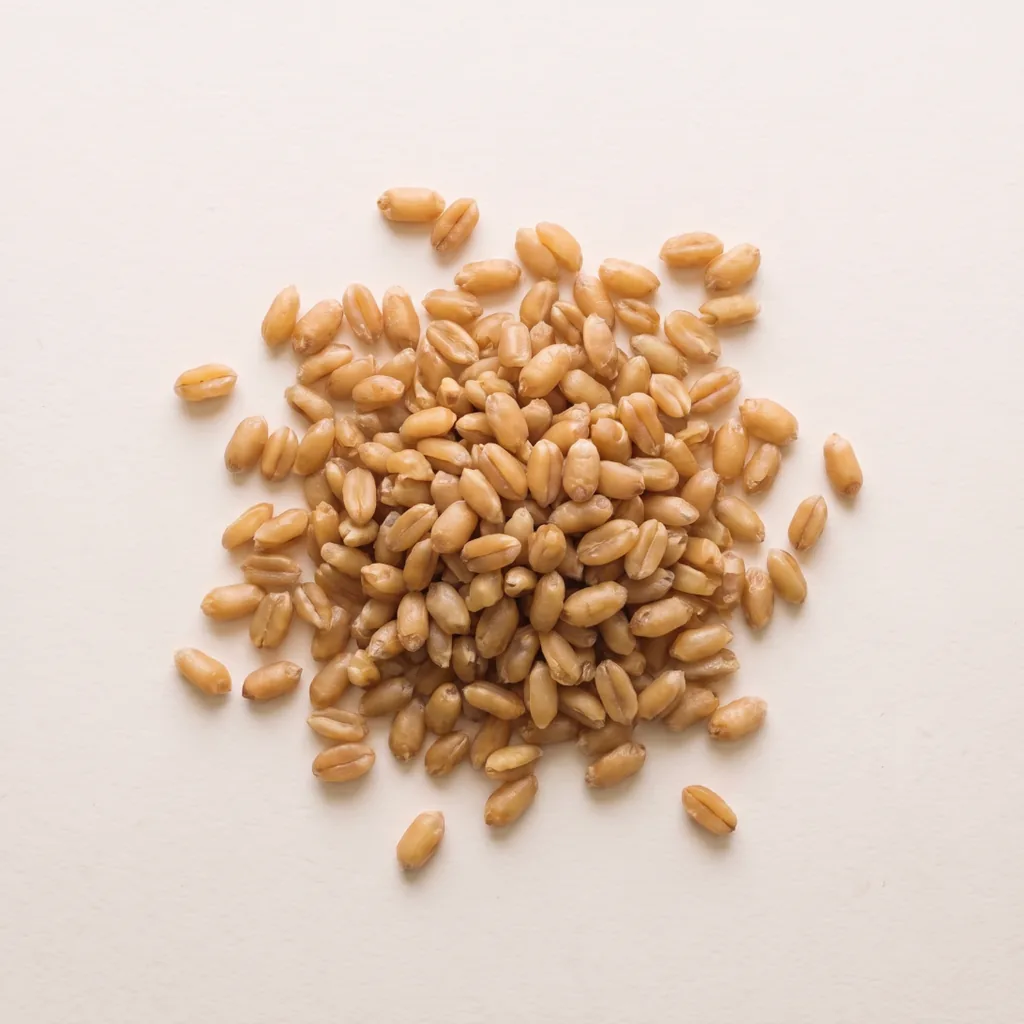
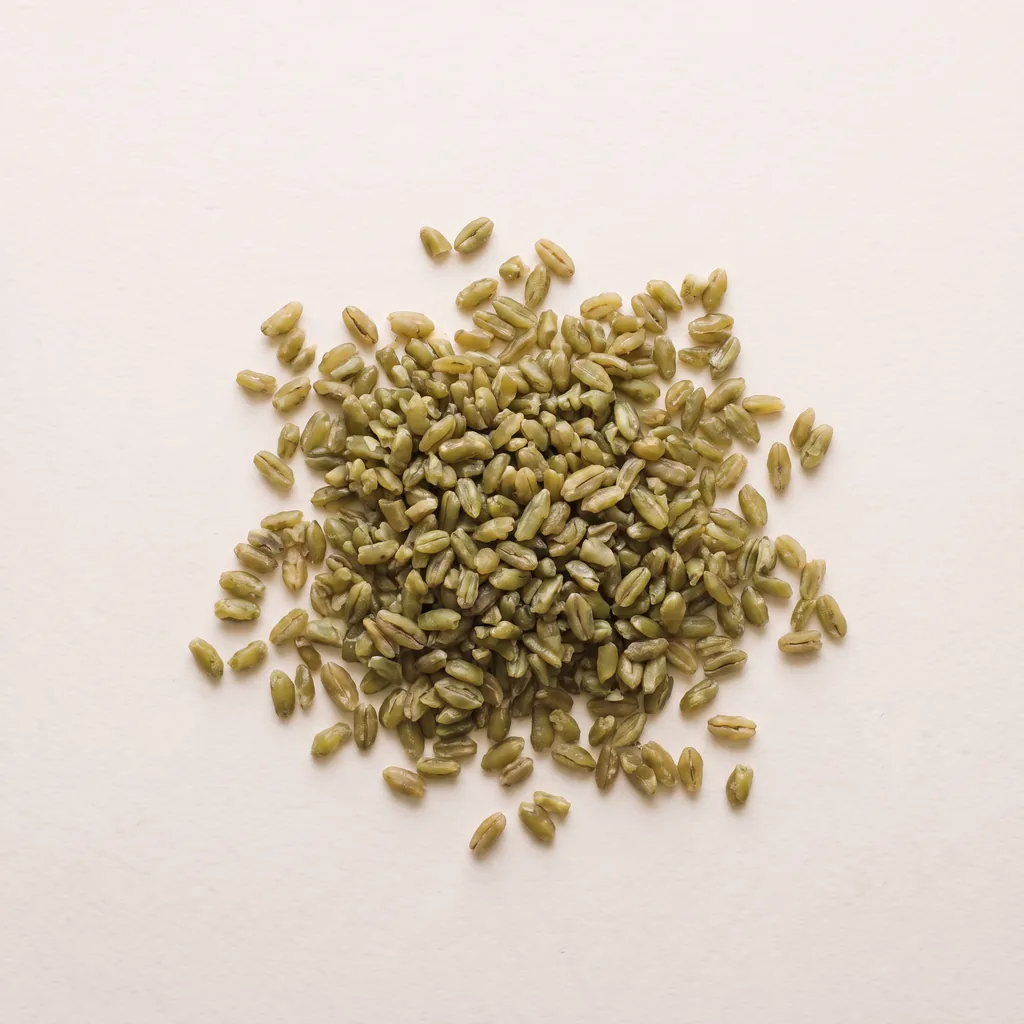
Freekeh is a traditional grain product made by harvesting wheat while it is still green and unripe, then drying and roasting it. This gives it its own light smoky taste.

It is widely eaten in Middle Eastern and Anatolian cuisines. In Turkey it is used especially to make freekeh pilaf (firik pilavi).

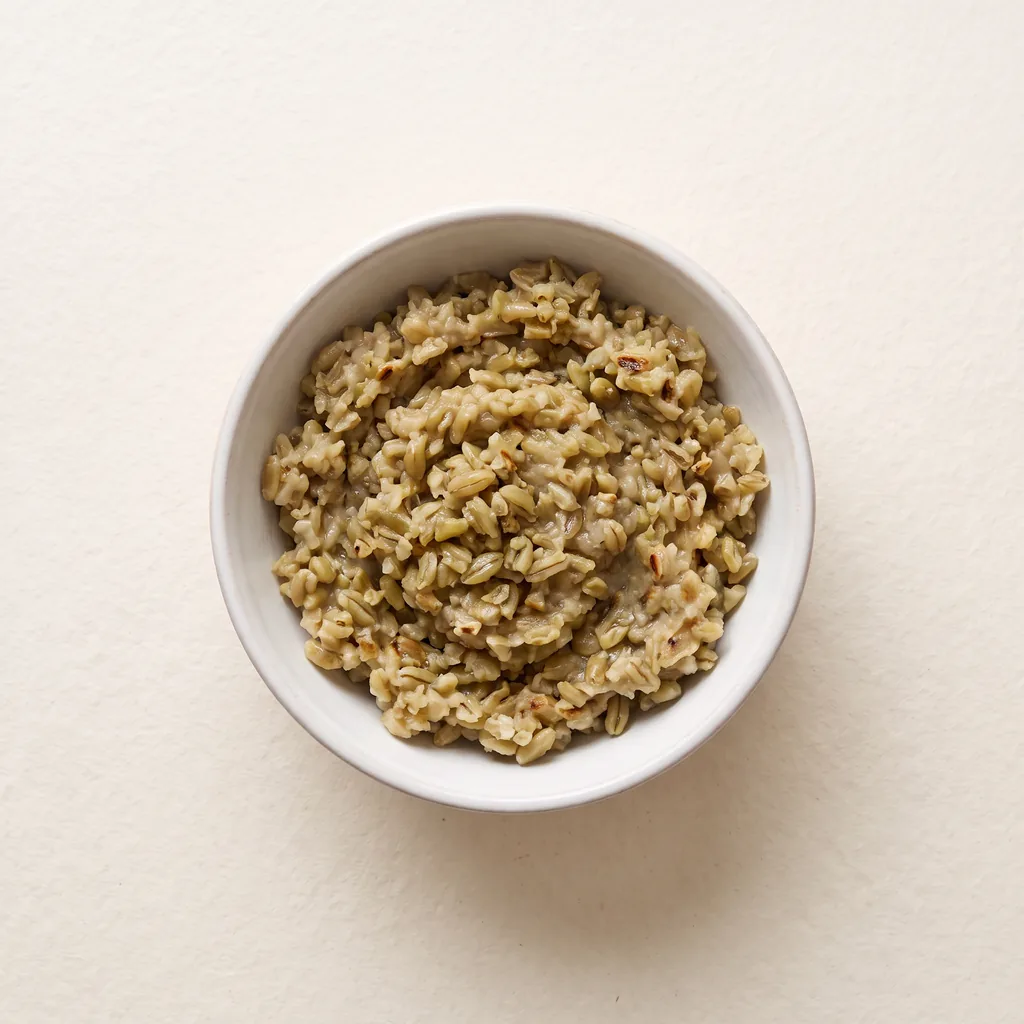
For babies, it should be cooked until fully soft and prepared to suit their eating skills.

Nutrition

Freekeh mainly provides carbohydrate and adds to your baby's energy intake. It also contains plant protein, fiber, and various vitamins and minerals.

Types of freekeh that keep the outer layers of the wheat can provide magnesium, phosphorus, zinc, and some iron. The amount of fiber varies with the wheat used and how much it is processed.

Freekeh may also contain natural plant pigments such as lutein and zeaxanthin. But it has not been shown that these compounds give babies any special health benefit through eating freekeh.

Freekeh alone should not be considered enough to meet your baby's iron and zinc needs. It can be served as part of a varied diet with meat, eggs, legumes, and vegetables.

What is the difference between freekeh and bulgur?

Freekeh and bulgur both come from wheat, but they are made in different ways. Freekeh is made by harvesting wheat while it is still green, then drying and roasting it. That is why it has its own light smoky taste. Bulgur is usually made by precooking wheat, then drying and cracking it. Both contain gluten. When served to babies, both need to be fully softened and prepared in a suitable texture.

Also known as: freekeh, firik, frikeh, farik, firik bulguru, yeşil buğday

  • Vegan

Freekeh is offered 3 days in a row

So that any reaction can be linked to the right food, freekeh is offered 3 days in a row and no other new food is tried on those days.

  1. 1/3

    First taste

    Start with a small amount in the morning or around midday. Your baby is watched closely for 5 to 10 minutes after the first bite.

  2. 2/3

    Same food, same calm

    Freekeh is offered again the same way. No other new food is tried today.

  3. 3/3

    Introduction done

    If no reaction was seen, freekeh is now part of your baby's meals. It keeps being offered regularly.

Emergency

If your baby has trouble breathing or swelling of the face or tongue, call 911 (or your local emergency number) right away.

About freekeh allergy

Because freekeh is made from wheat, it contains **wheat allergen** and gluten.

Wheat can be introduced in a suitable way from about 6 months, once your baby is ready for solids. At the first serving, start with a small amount and watch how your baby responds.

Wheat allergy and celiac disease are not the same condition. A wheat allergy is an allergic reaction to wheat proteins. In celiac disease, eating gluten causes immune-related damage to the small intestine.

Freekeh should not be given to babies with a diagnosed wheat allergy or celiac disease.

Allergic reactions can include hives, swelling of the lips, vomiting, coughing, or wheezing. For serious signs such as trouble breathing or swelling of the tongue or throat, call emergency services right away.

If a wheat allergy is suspected, see your pediatrician before trying it again.

How to prepare it by age

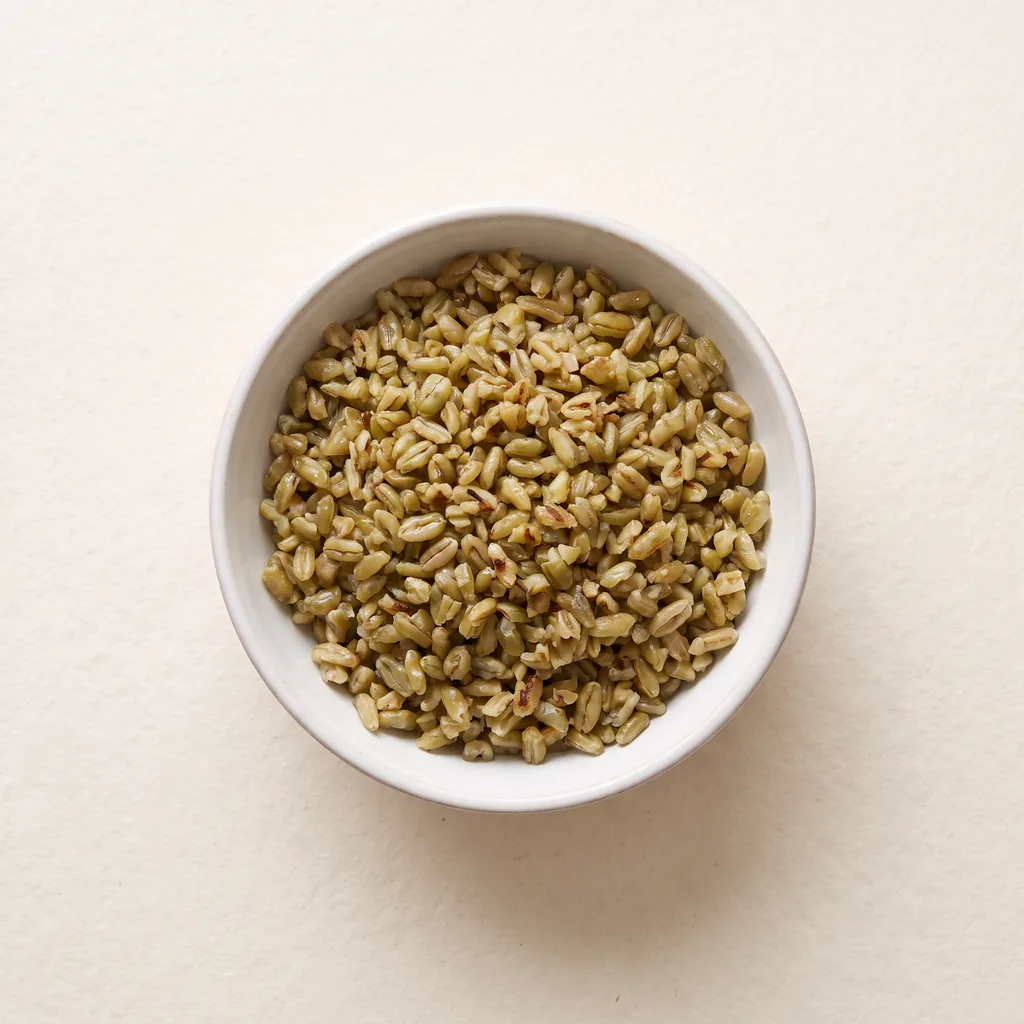
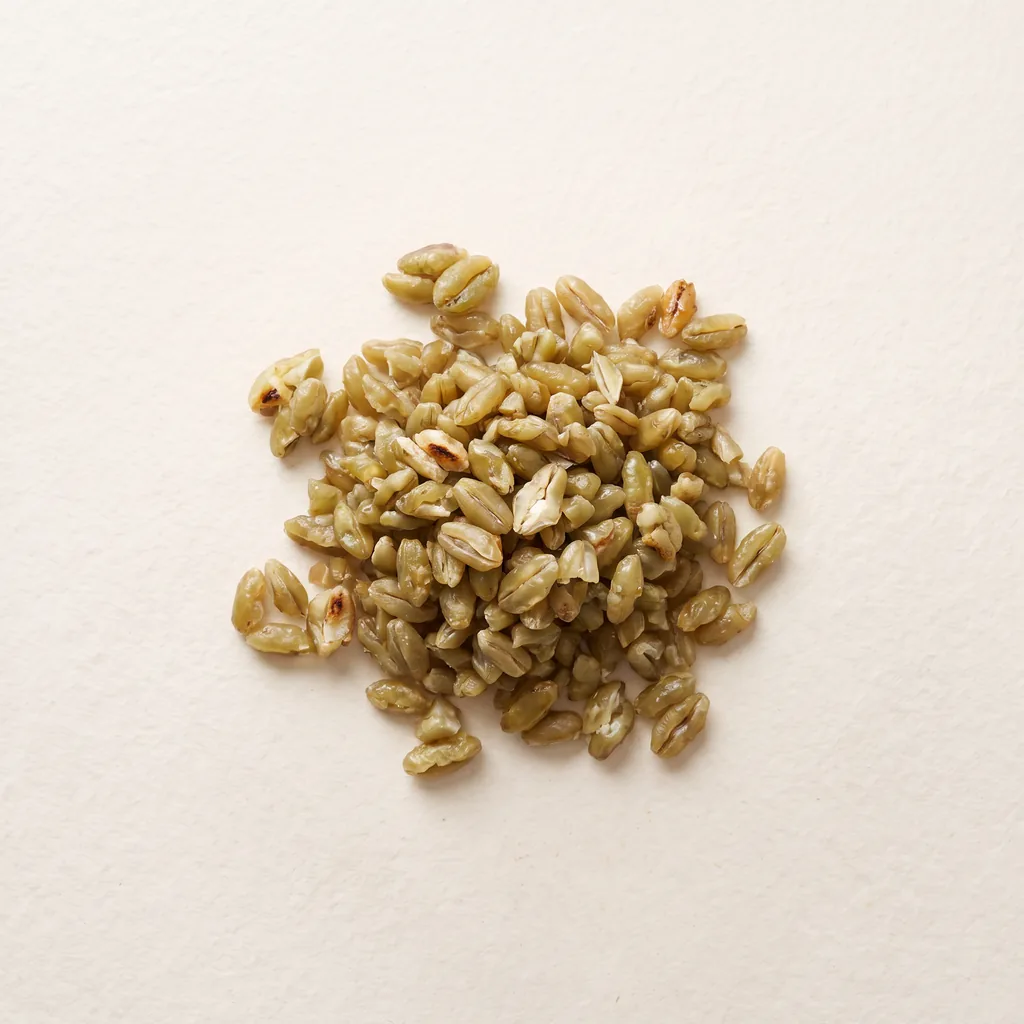
6 monthsMash

Freekeh prepared for 6 months

Cut: Fork mashed

Cook the freekeh until very soft. Crush the grains with a fork and place them on a soft, spreadable food. Mashed legumes, squash or yogurt all work. Your baby can scoop it up by hand. A suction bowl makes scooping easier. You can also fold it into meatball mix and shape soft balls that are easy to hold.
9 monthsMash

Freekeh prepared for 9 months

Keep serving lightly mashed freekeh on top of soft foods. You can fold it into easy-to-hold foods such as meatballs and fritters. Keep portions small, because it is high in fiber.

12 monthsCube

Freekeh prepared for 12 months

Serve cooked freekeh in pilaf, soup, salad or meatballs. It can stand in for rice or pasta. Cooking it in meat or mushroom broth adds flavor. For fork practice, set it on top of a soft food.

Choking risk

  1. Low
  2. Medium
  3. High

Well-cooked, soft, mashed freekeh has a low choking risk when served properly.

Hard or undercooked freekeh grains that stay whole can make chewing and swallowing harder for your baby.

When starting solids, mash the grains with a fork or make them into a porridge. If needed, mix them with moist foods such as vegetable puree.

Do not give your baby dry, hard, or crunchy freekeh grains.

Your baby should sit upright and supported during meals, eat at their own pace, and never be left alone.

Frequently asked questions

What age can babies eat freekeh?

Freekeh can be offered once your baby is ready for solids, usually around 6 months. Because it is made from wheat, it contains gluten and should be treated as a wheat allergen.

Is freekeh a common allergen?

Because freekeh is made from wheat, it contains **wheat allergen** and gluten.

How do you prepare freekeh for babies?

For a 6-month-old: Cook the freekeh until very soft. Crush the grains with a fork and place them on a soft, spreadable food. Mashed legumes, squash or yogurt all work. Your baby can scoop it up by hand. A suction bowl makes scooping easier. You can also fold it into meatball mix and shape soft balls that are easy to hold.
Is freekeh a choking hazard for babies?

Well-cooked, soft, mashed freekeh has a low choking risk when served properly.

Is freekeh gluten free?

No. Freekeh is wheat and contains gluten. It is not given to children with celiac disease.

Does freekeh cause gas in babies?

Because of its fiber, some babies may get gas or tummy discomfort, especially with large portions. But this does not happen in every baby.

Can freekeh cause constipation?

Freekeh cannot be said to directly cause constipation. It contains fiber. But constipation can have many different causes.

Can babies eat freekeh pilaf?

Yes. If the grains are fully softened, mashed when needed, and prepared without added salt, it can be served in a way that suits your baby's eating skills.

Can freekeh meet my baby's iron needs?

Freekeh contains some iron, but it is not enough on its own. Vary your baby's diet with meat and other iron sources.
Share:WhatsApp

Want to add this food to your baby's solid food calendar?

Join Lokmini to learn how this food is served at each age and to keep track of every food your baby tries.

Join Lokmini

Starting Solids

When and how to start solids, and what happens in the first week?

Read the guide

Similar foods

Let's get ready for the first bite together

Lokmini builds a day-by-day plan for your baby's age. Leave your email for new guides and our newsletter.

Start Your Journey