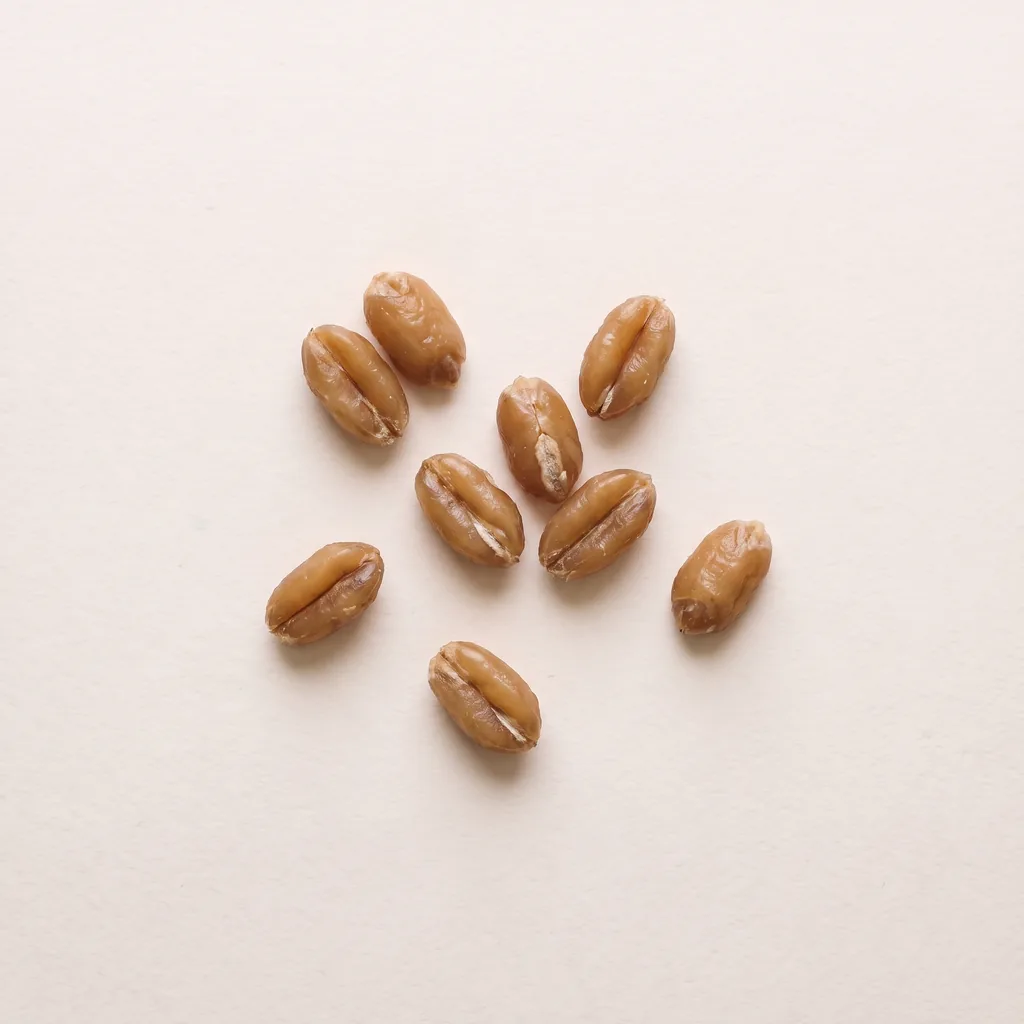
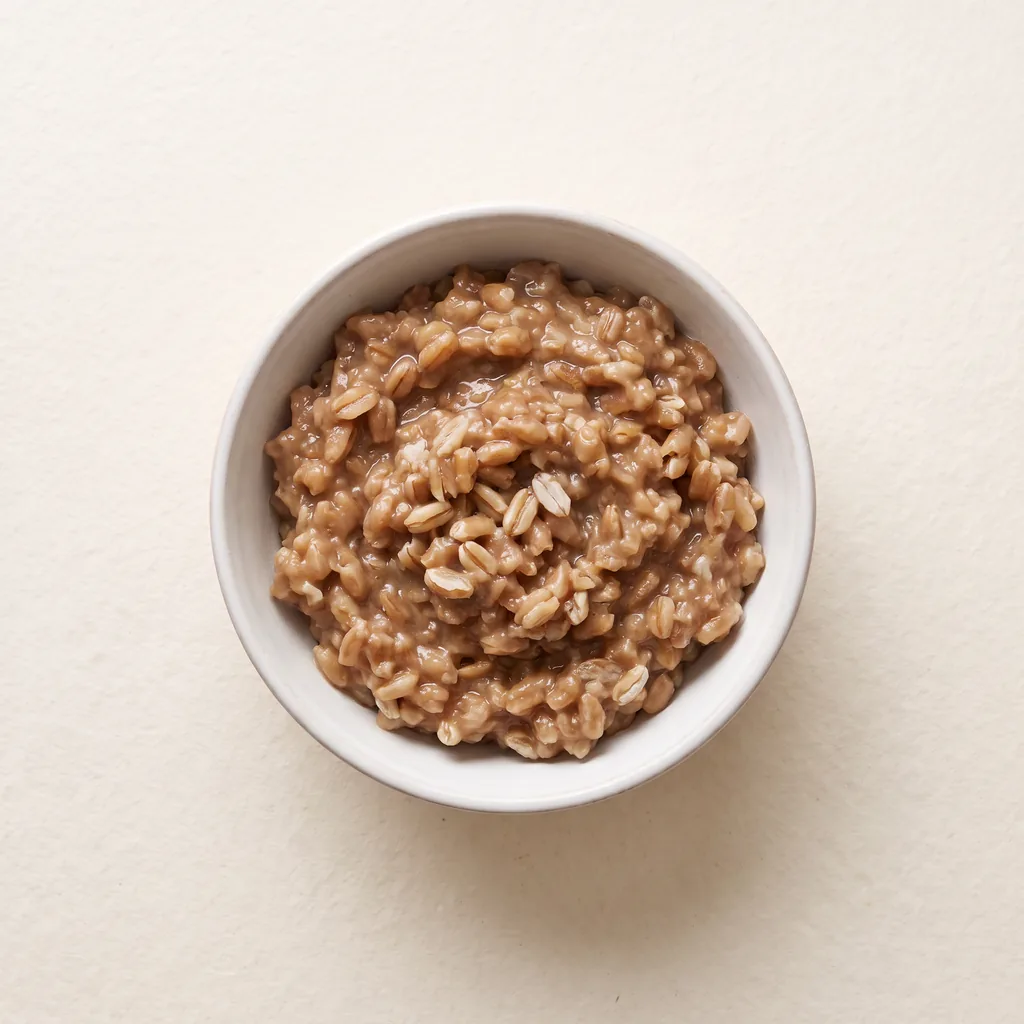
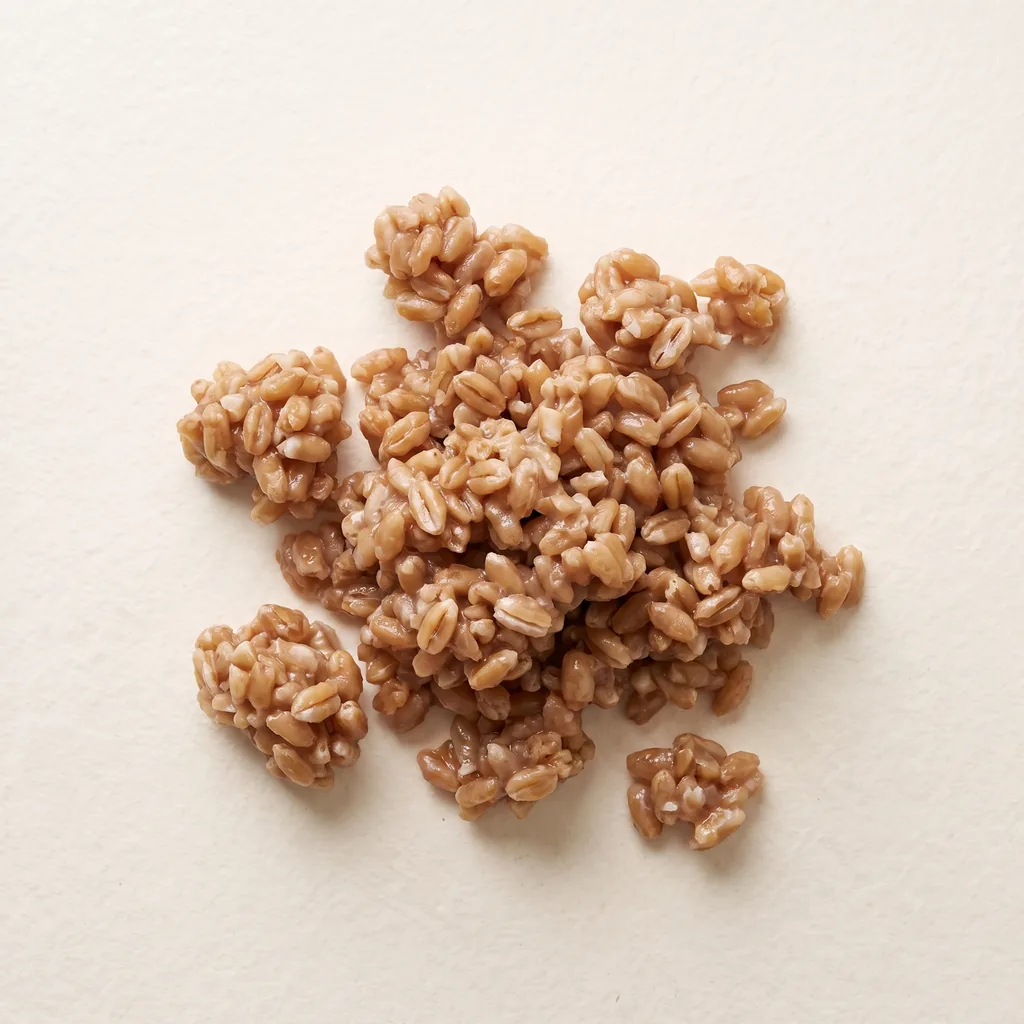
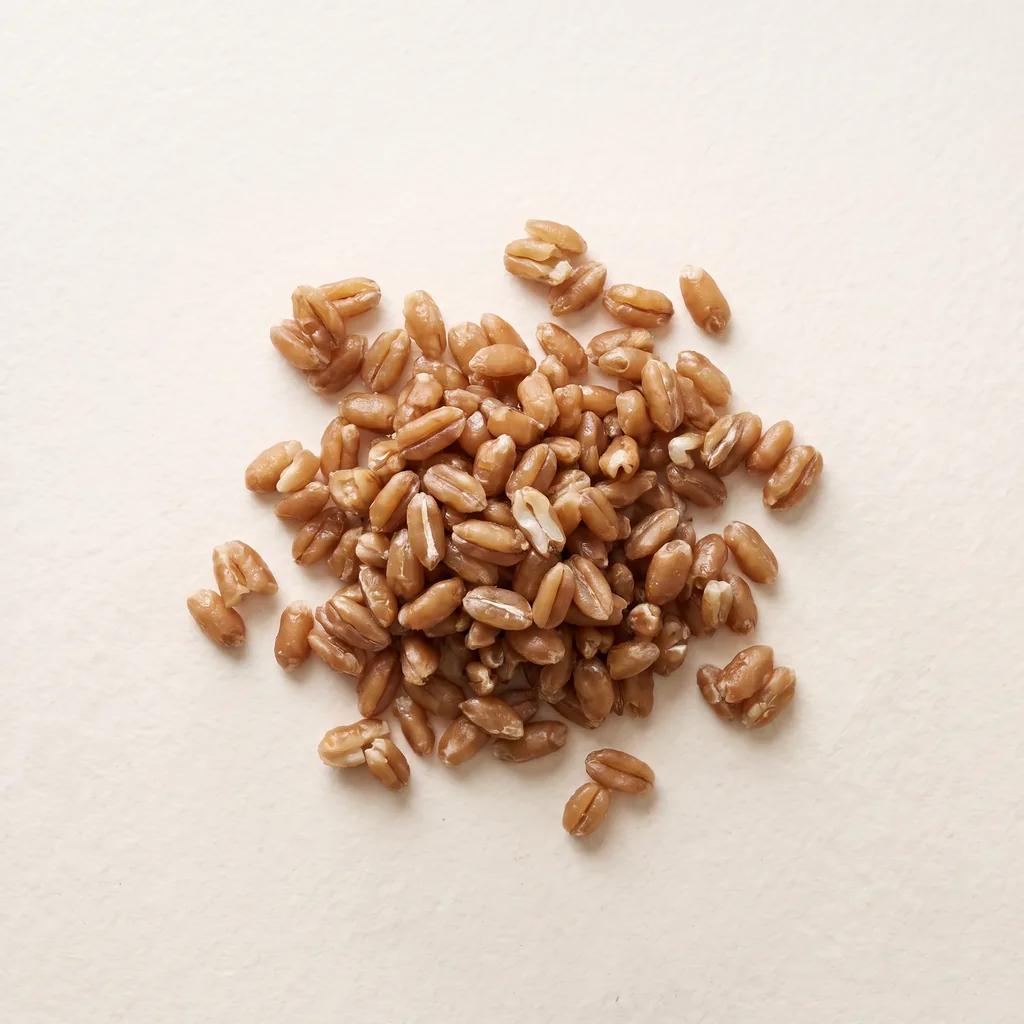
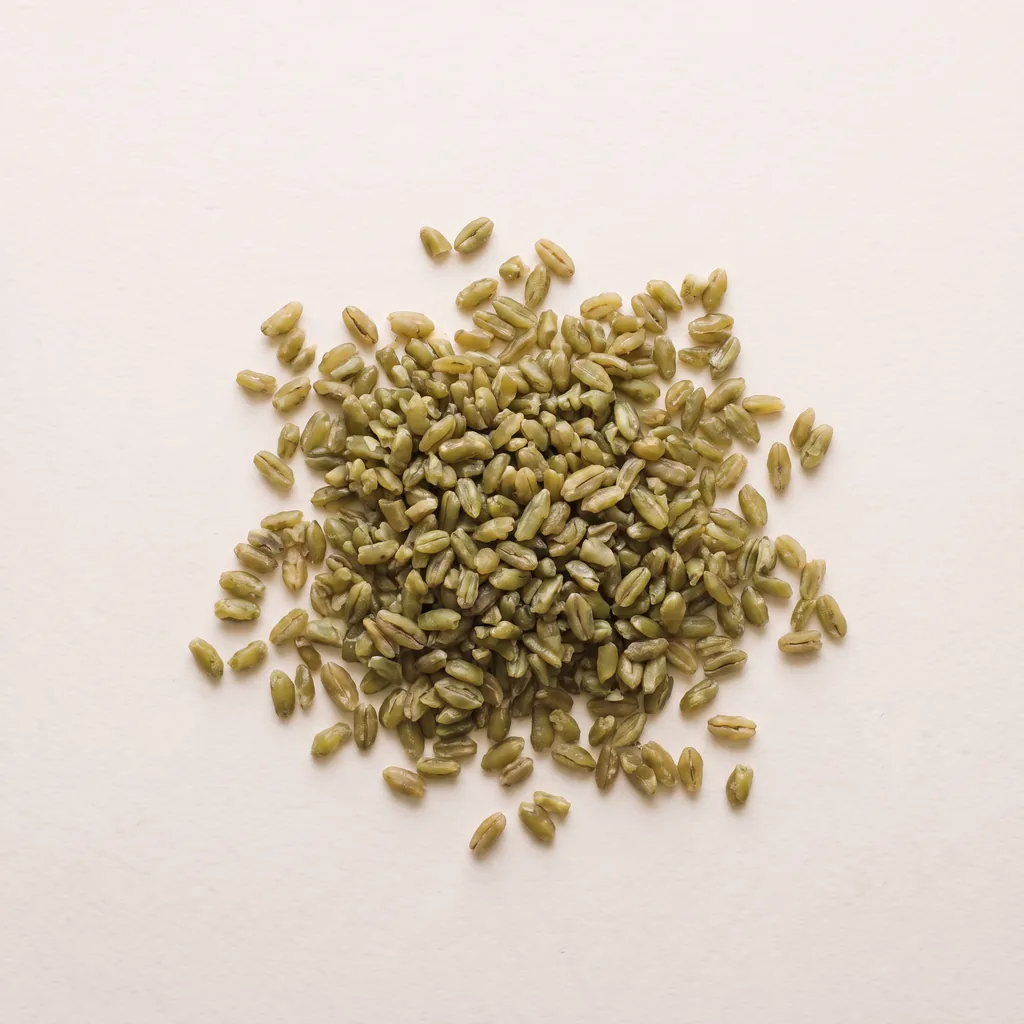
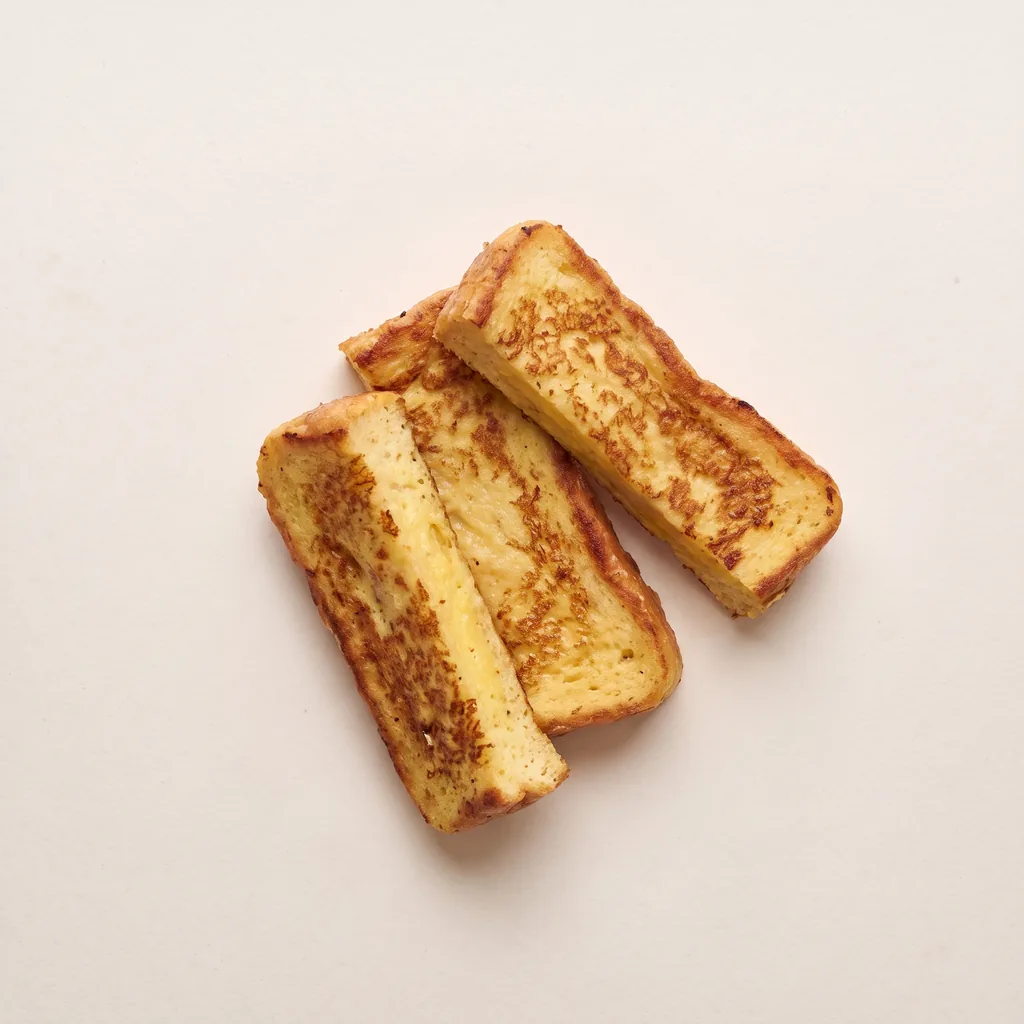
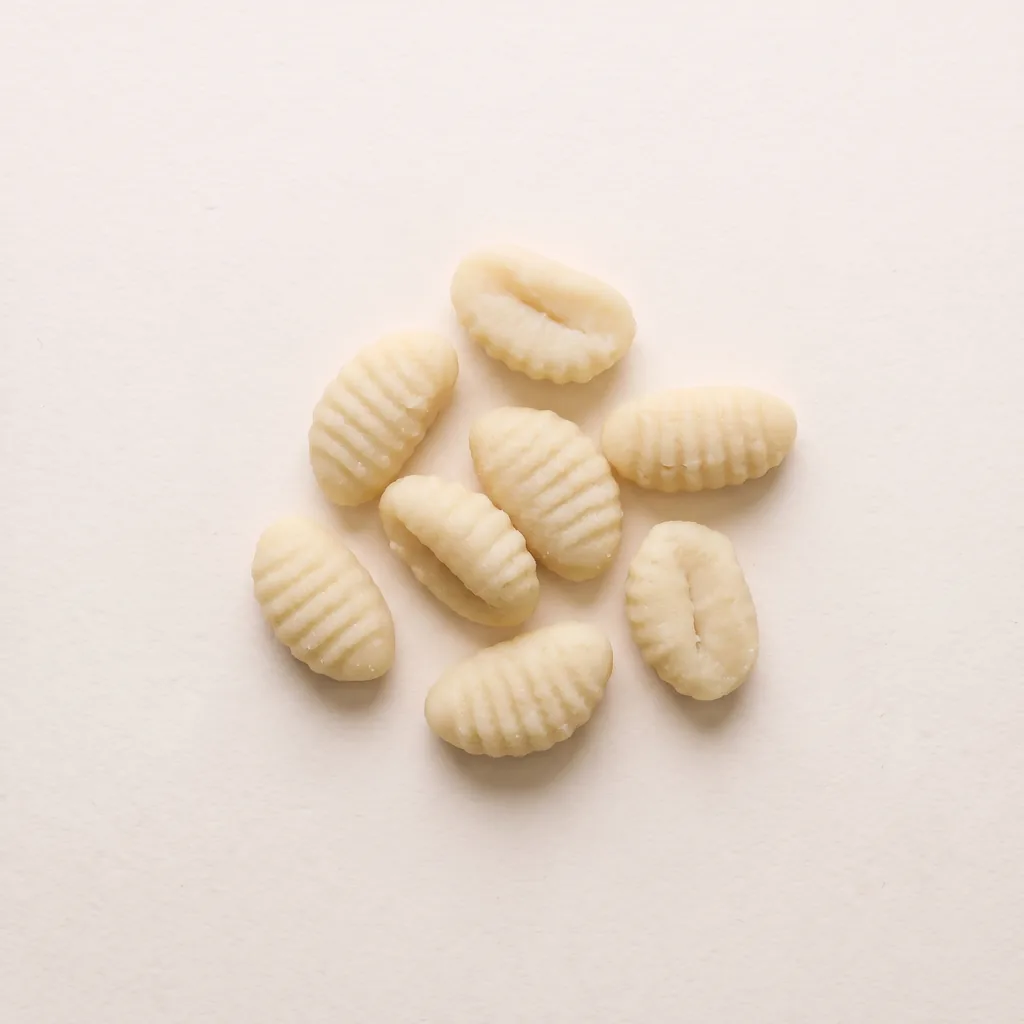
Farro is a kind of wheat. Among children, wheat ranks high on the list of food allergens. The good news: two thirds of children outgrow it by age 12.
A wheat allergy and celiac disease are different conditions. A wheat allergy may pass with time. Celiac disease needs a strict gluten-free diet for life. A so-called gluten allergy often really means celiac disease.
People with pollen food allergy syndrome, especially those allergic to grass pollen, may be sensitive to wheat. It usually brings a short itch, tingle, or burn in the mouth. It is not expected to be dangerous.
A rare condition is wheat-dependent exercise-induced anaphylaxis. A severe allergic reaction can follow when exercise comes soon after a wheat meal. These patients should skip wheat for four hours before strenuous exercise.
Some FPIES cases have involved wheat or other gluten grains. FPIES brings repeated vomiting and diarrhea a few hours after eating. Untreated, it can cause fluid loss. Most cases pass fully in early childhood.
If you suspect a wheat allergy, ask your pediatrician before serving it at home. Give a small amount in the first servings and watch closely. If there is no reaction, raise the amount slowly.