6 monthsStrip
Peel a ripe fruit. Cut it into quarters or large wedges. If the slippery pieces are hard to hold, coat them with ground nuts, grated coconut, or hemp seeds for grip.
Dietitian's view
Dragon fruit is not harmful, but it is not a common fruit in Türkiye either.
Lokmini is not a healthcare provider and does not offer health services. For your baby's specific needs, talk to your doctor or a dietitian.
Dragon fruit can be offered from about 6 months, once baby shows signs of readiness for solids.
The fruit grows on a cactus that began in the Americas and is now farmed in warm regions worldwide. It is also called pitaya or strawberry pear. It has thick, bright skin and a soft, seedy inside. The taste runs from mild to very sweet.
Dragon fruit gives carbohydrate for quick energy and fiber. Its vitamin C helps the body absorb iron. Vitamin K plays a part in blood clotting. It also holds antioxidants.
Also known as: pitaya, ejderha meyvesi, çilek armudu, dragon fruit, pitahaya
6 monthsStrip
Peel a ripe fruit. Cut it into quarters or large wedges. If the slippery pieces are hard to hold, coat them with ground nuts, grated coconut, or hemp seeds for grip.
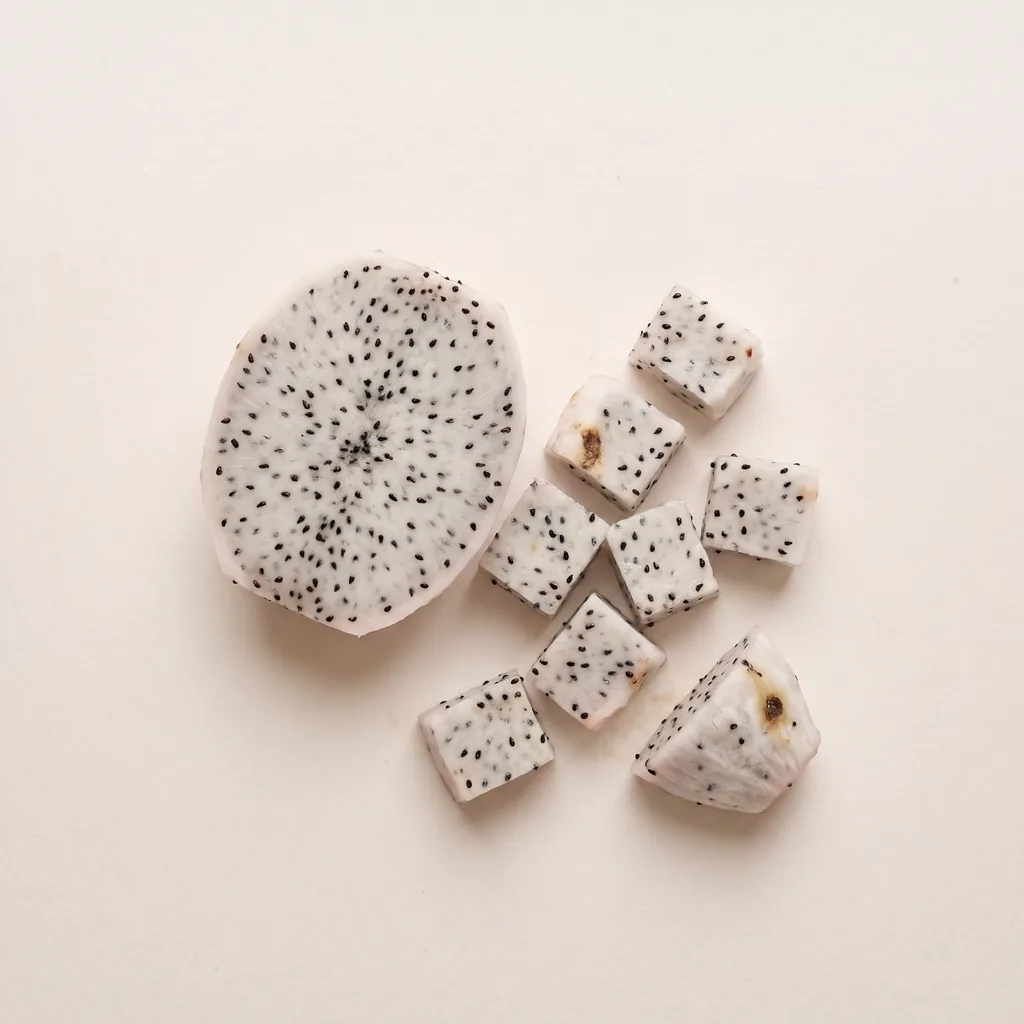
9 monthsCube
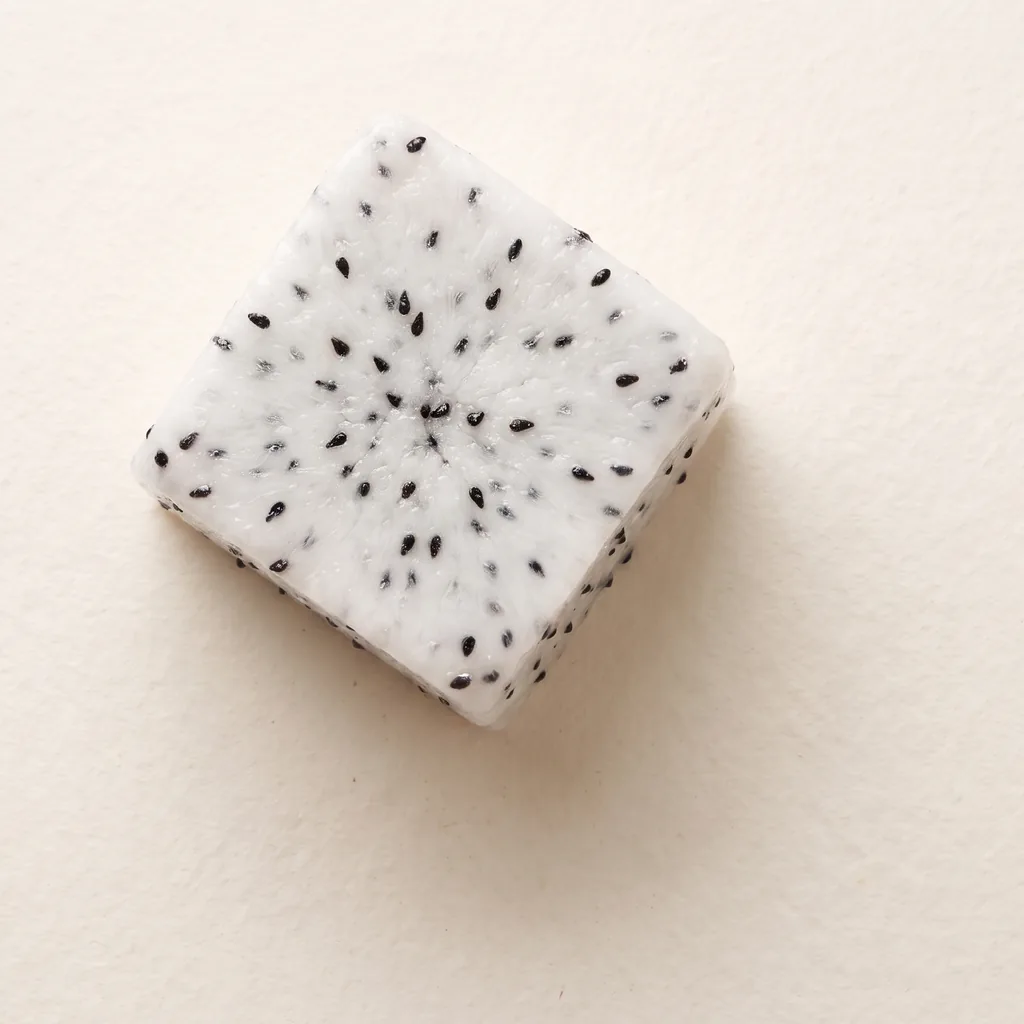
Cut: Bite sized piece
Cut a peeled ripe fruit into bite-sized pieces so baby can pick them up with a pincer grasp. You can keep offering large wedges for biting too.
12 monthsStrip or slice
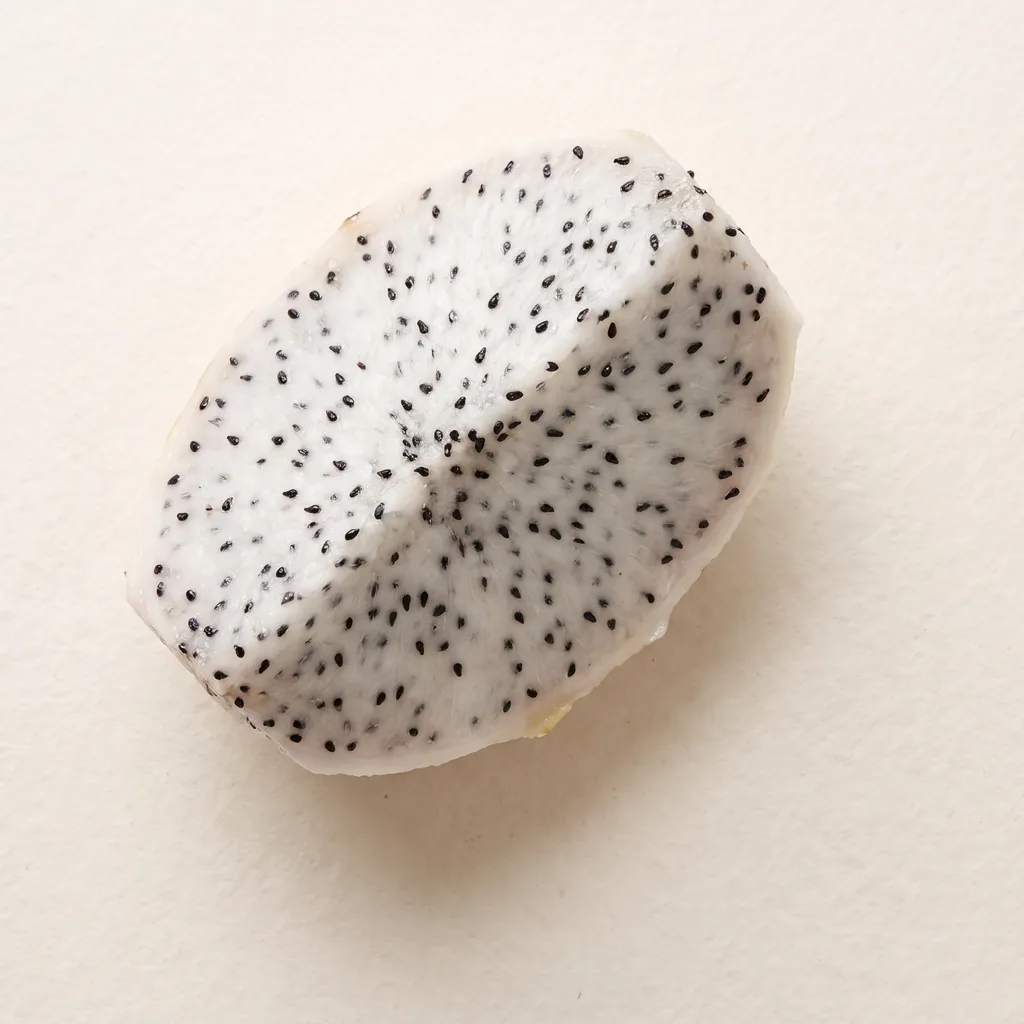
Offer peeled large wedges or small pieces as finger food, or to practice with a spoon or fork.
Cut: Halved
Halve a very ripe fruit and serve it in its skin. Let your child try scooping out the flesh with a spoon.
Ripe dragon fruit carries a low choking risk when prepared to suit your child's age. Peel the skin. Use large wedges because the surface is slippery.
Stay near baby during meals.
Dragon fruit is not a common allergen. Allergy is rare but has been reported. Those with oral allergy syndrome or a latex allergy are more likely to react. That means a brief itch, tingle, or burn in the mouth, which is seldom dangerous.
Offer a small amount at the first meals. If there is no reaction, raise the amount slowly at later meals.
Prepared by the Lokmini team | Last updated November 17, 2026
Join Lokmini to learn how this food is served at each age and to keep track of every food your baby tries.
Lokmini builds a day-by-day plan for your baby's age. Leave your email for new guides and our newsletter.
Start Your Journey