Skip to content

Dietitian's view

You can prepare crepe with a suitable recipe and give it.

Uzm. Dyt. Berk AysanPrepared the latest update, November 14, 2026

Lokmini is not a healthcare provider and does not offer health services. For your baby's specific needs, talk to your doctor or a dietitian.

  • Wheat and gluten allergen
  • Cow's milk allergen
  • Egg allergen
  • Grains
  • 6 mo+
  • Low choking risk

Crepe for babies: when to start

Crepes can be offered once your baby is ready for solids, usually around 6 months. They should be fully cooked, soft and prepared to suit your baby's eating skills.

  • Carbohydrate
  • Protein
  • Calcium
  • Iron
Crepe prepared for a babyAllergen, day 1/3

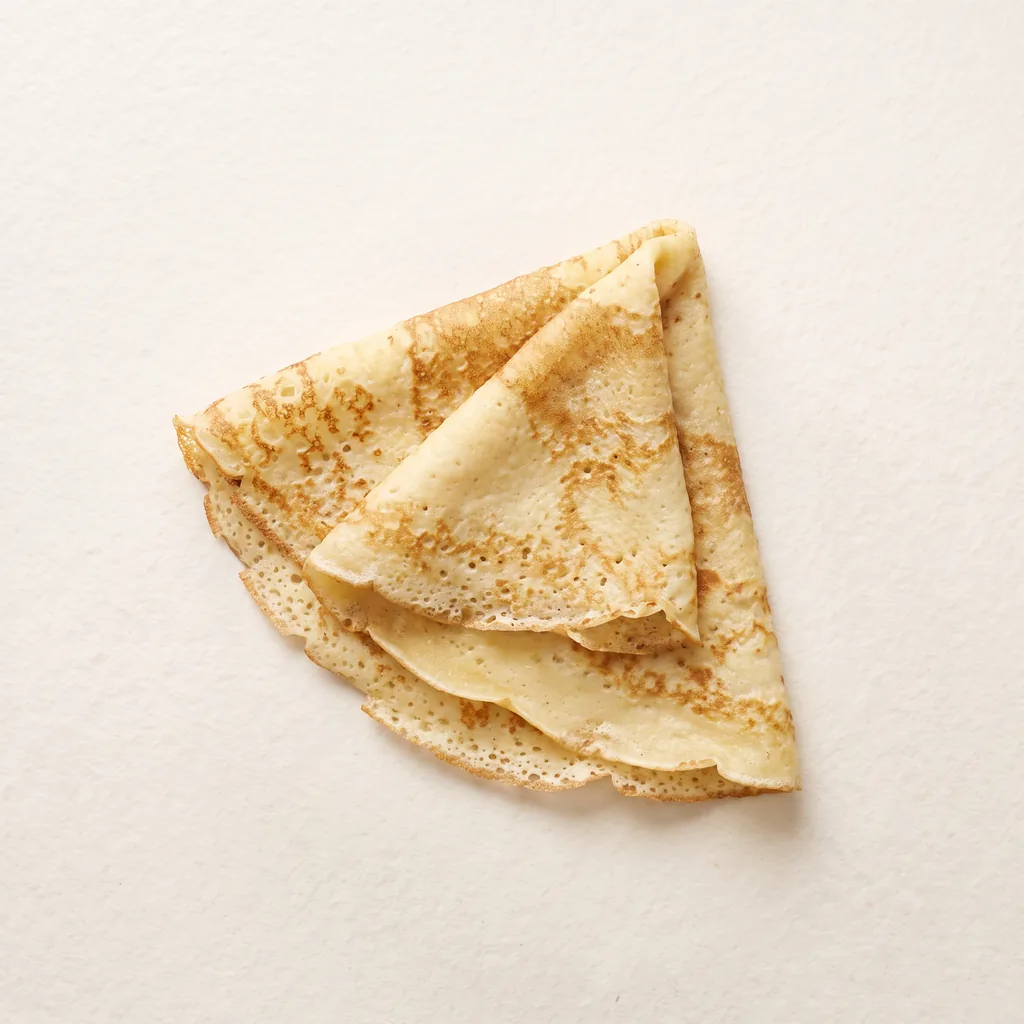
About crepe

A crepe is made by cooking a thin batter of flour and liquid in a pan. Traditional recipes usually use wheat flour, egg and milk.

There are sweet and savory types in cuisines around the world. For babies, choose recipes with no added sugar, salt or honey.

Nutrition

Crepes mainly provide carbohydrate, which adds to your baby's energy intake. The amounts of protein, fat, vitamins and minerals depend on the ingredients used.

Wheat flour can provide carbohydrate, egg can provide protein and choline, and milk can provide protein and calcium. Using whole grain flour can raise the amount of fiber and some minerals.

Vegetables or fruit added to the batter can add variety. But crepes alone should not be counted on to meet your baby's iron and other nutrient needs.

Also known as: bebek krebi, ince pankek, krep, krep hamuru, kreps

  • Vegetarian
  • Contains dairy
  • Contains egg

Crepe is offered 3 days in a row

So that any reaction can be linked to the right food, crepe is offered 3 days in a row and no other new food is tried on those days.

  1. 1/3

    First taste

    Start with a small amount in the morning or around midday. Your baby is watched closely for 5 to 10 minutes after the first bite.

  2. 2/3

    Same food, same calm

    Crepe is offered again the same way. No other new food is tried today.

  3. 3/3

    Introduction done

    If no reaction was seen, crepe is now part of your baby's meals. It keeps being offered regularly.

Emergency

If your baby has trouble breathing or swelling of the face or tongue, call 911 (or your local emergency number) right away.

About crepe allergy

Allergen status

Traditional crepe recipes usually contain three major allergens: wheat, egg and cow's milk.

Wheat contains gluten. But gluten is not counted as a separate allergen apart from wheat. Crepes made with other flours or plant drinks can have different allergen content.

Wheat, egg and dairy can be introduced in suitable forms from about 6 months, once your baby is ready for solids.

Rather than serving a crepe with more than one new allergen at the first try, introducing the ingredients separately makes it easier to find the cause of a possible reaction.

At the first serving, start with a small amount and watch how your baby responds. Allergens your baby tolerates should stay in the diet regularly.

Allergic reactions can include hives, swollen lips, vomiting, coughing or wheezing. For serious symptoms such as trouble breathing or swelling of the tongue or throat, call emergency services right away.

Babies with a diagnosed food allergy or severe eczema may need an individual medical assessment before allergens are introduced.

Why can crepes contain more than one allergen?

A traditional crepe brings three different foods together: wheat flour, egg and milk.

Each of these foods can cause an allergic reaction. So if a baby eating crepes for the first time has a reaction, it can be hard to tell which ingredient caused it.

Introducing the ingredients separately beforehand makes it easier both to understand which foods your baby tolerates and to choose a suitable recipe.

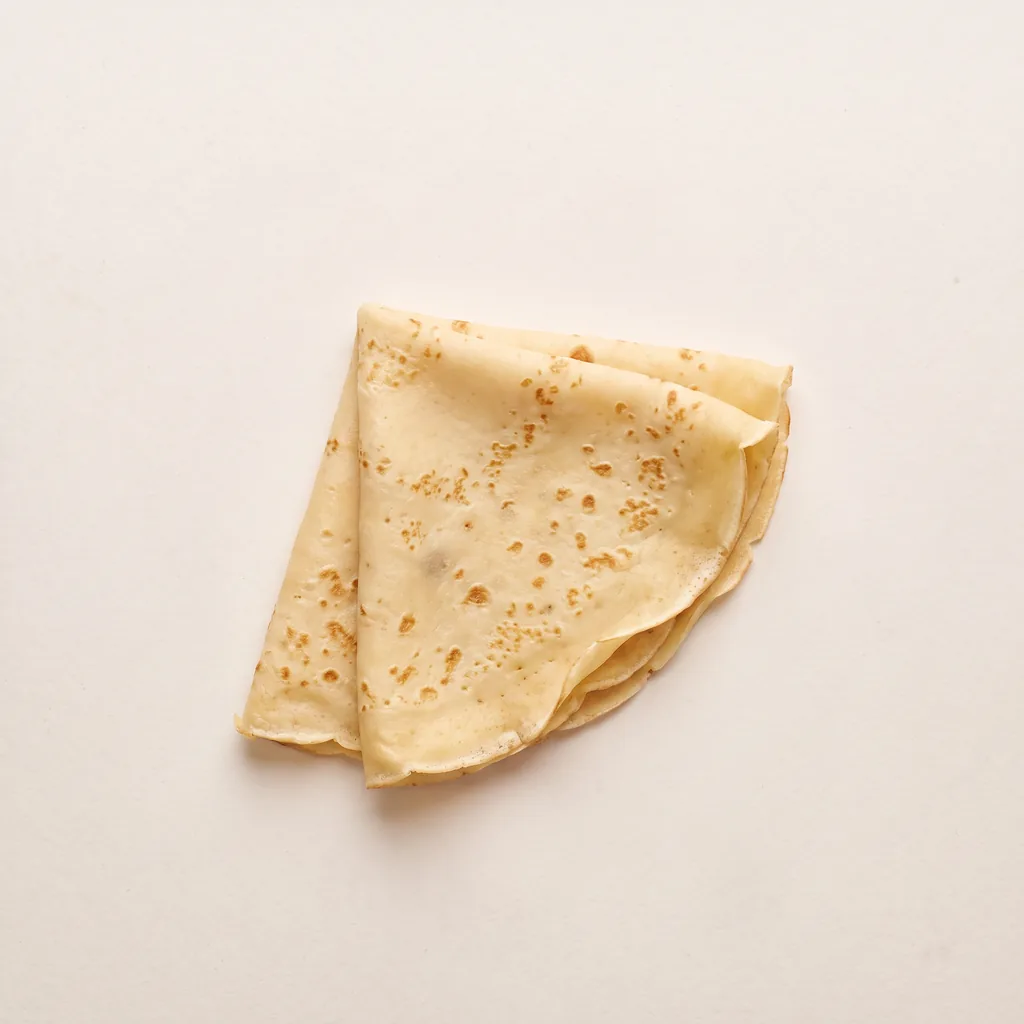
How to prepare it by age

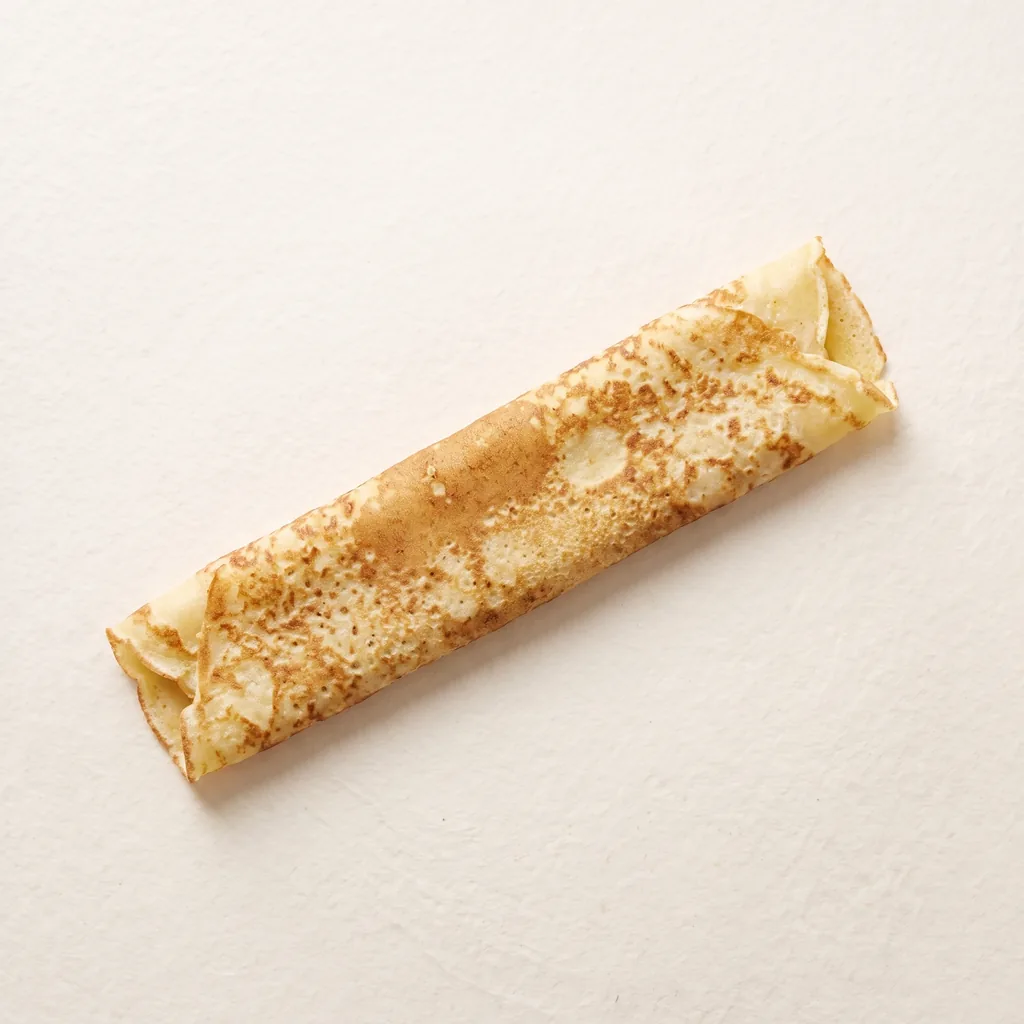
6 monthsStrip

Crepe prepared for 6 months

Cut: Finger strip

Cut the crepe into strips about the thickness of two adult fingers. Freshly cooked crepes with a slightly crisp edge stick less in the mouth. If it has gone dry, spread butter, applesauce or yogurt on it to reduce gagging. If baby struggles to pick it up, hold the strip in the air and let them take it. Crepes made with honey are not given before 12 months.

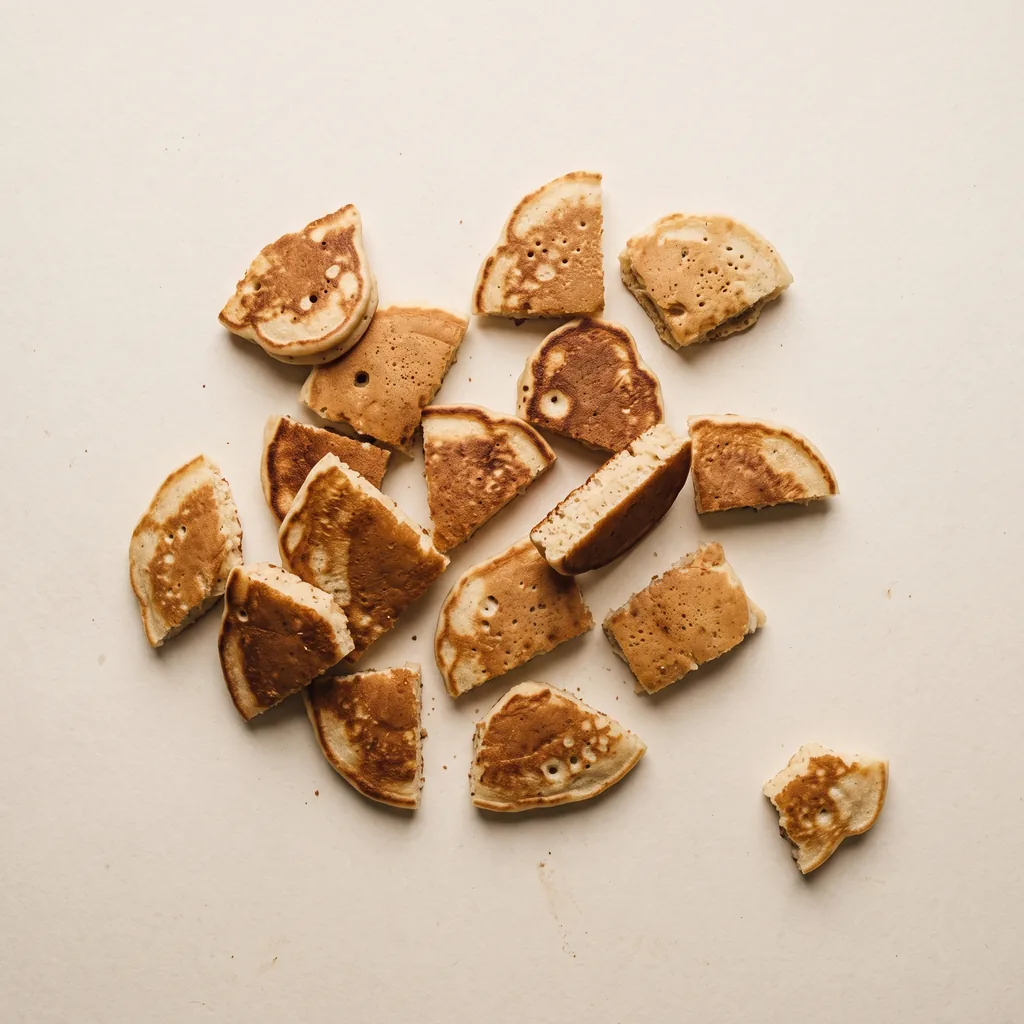
9 monthsCube

Crepe prepared for 9 months

Offer the crepe in bite-sized pieces, or keep offering strips for biting practice. If baby stuffs their mouth, place only one piece at a time. If you add vegetables to the batter, grate them or cook them until very soft.

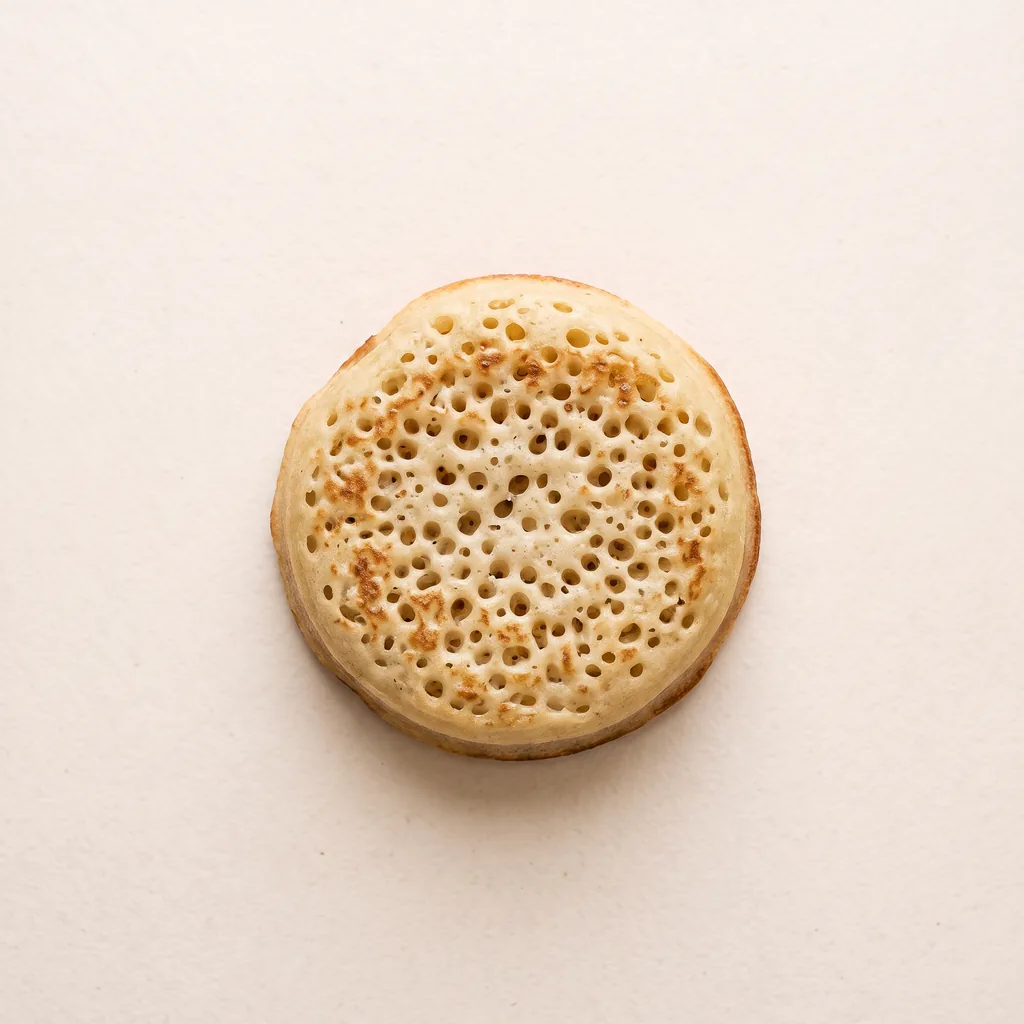
12 monthsSlice

Crepe prepared for 12 months

You can continue with strips and bite-sized pieces, and also offer a whole crepe for biting practice. It is fine to serve with an age-appropriate fork, but using a fork properly takes until age two or three. Give a cup of water alongside a dry crepe.

Choking risk

  1. Low
  2. Medium
  3. High

A well-cooked crepe that is soft and breaks apart easily has a low choking risk when served properly.

Dry or hardened crepe pieces, or pieces that turn into a thick, sticky dough in the mouth, can make chewing and swallowing harder for your baby.

Serve crepes as soft strips or as small pieces that suit your baby's skills. If needed, moisten them with yogurt or fruit purée.

Do not put bite after bite into your baby's mouth. Let your baby eat at their own pace.

Your baby should sit upright and supported during meals and never be left alone.

Frequently asked questions

What age can babies eat crepe?

Crepes can be offered once your baby is ready for solids, usually around 6 months. They should be fully cooked, soft and prepared to suit your baby's eating skills.

How do you prepare crepe for babies?

For a 6-month-old: Cut the crepe into strips about the thickness of two adult fingers. Freshly cooked crepes with a slightly crisp edge stick less in the mouth. If it has gone dry, spread butter, applesauce or yogurt on it to reduce gagging. If baby struggles to pick it up, hold the strip in the air and let them take it. Crepes made with honey are not given before 12 months.

Is crepe a choking hazard for babies?

A well-cooked crepe that is soft and breaks apart easily has a low choking risk when served properly.

Can I add honey to crepes?

No. Because of the risk of infant botulism, honey should not be given in any form before 12 months. Cooking it does not change this warning.

What can I put inside a crepe?

You can use foods your baby has already eaten safely, such as plain yogurt, mashed banana, unsweetened fruit purée, avocado or unsalted curd cheese (lor).

Until what age should I serve crepes as strips?

There is no fixed month limit. At first, soft strips your baby can grip work well. Once your baby can pick up small pieces, you can cut it into bite-sized pieces.

Is it safe to give three allergens at once?

If your baby has not had wheat, egg and milk yet, it is best to offer each one separately first. That makes it easier to find the cause of a possible allergic reaction.

Can crepes be made without egg or milk?

Yes. You can make different recipes. But leaving out the egg or milk changes the crepe's nutrition and allergen content. Check any alternative ingredients you use as well.

Can I make crepes with whole wheat flour for my baby?

Yes. Whole wheat flour can provide more fiber and some minerals. The crepe should be fully cooked and made soft.
Share:WhatsApp

Want to add this food to your baby's solid food calendar?

Join Lokmini to learn how this food is served at each age and to keep track of every food your baby tries.

Join Lokmini

Starting Solids

When and how to start solids, and what happens in the first week?

Read the guide

Similar foods

Let's get ready for the first bite together

Lokmini builds a day-by-day plan for your baby's age. Leave your email for new guides and our newsletter.

Start Your Journey