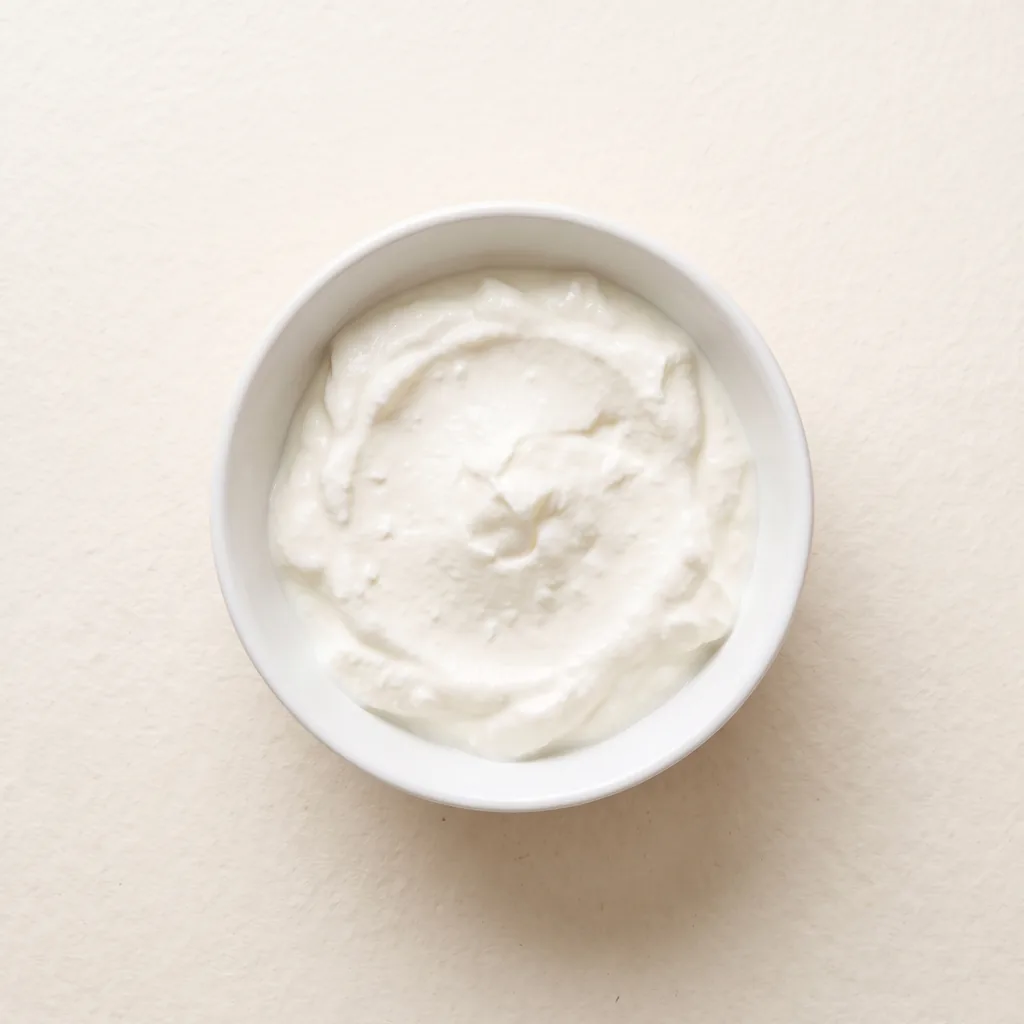
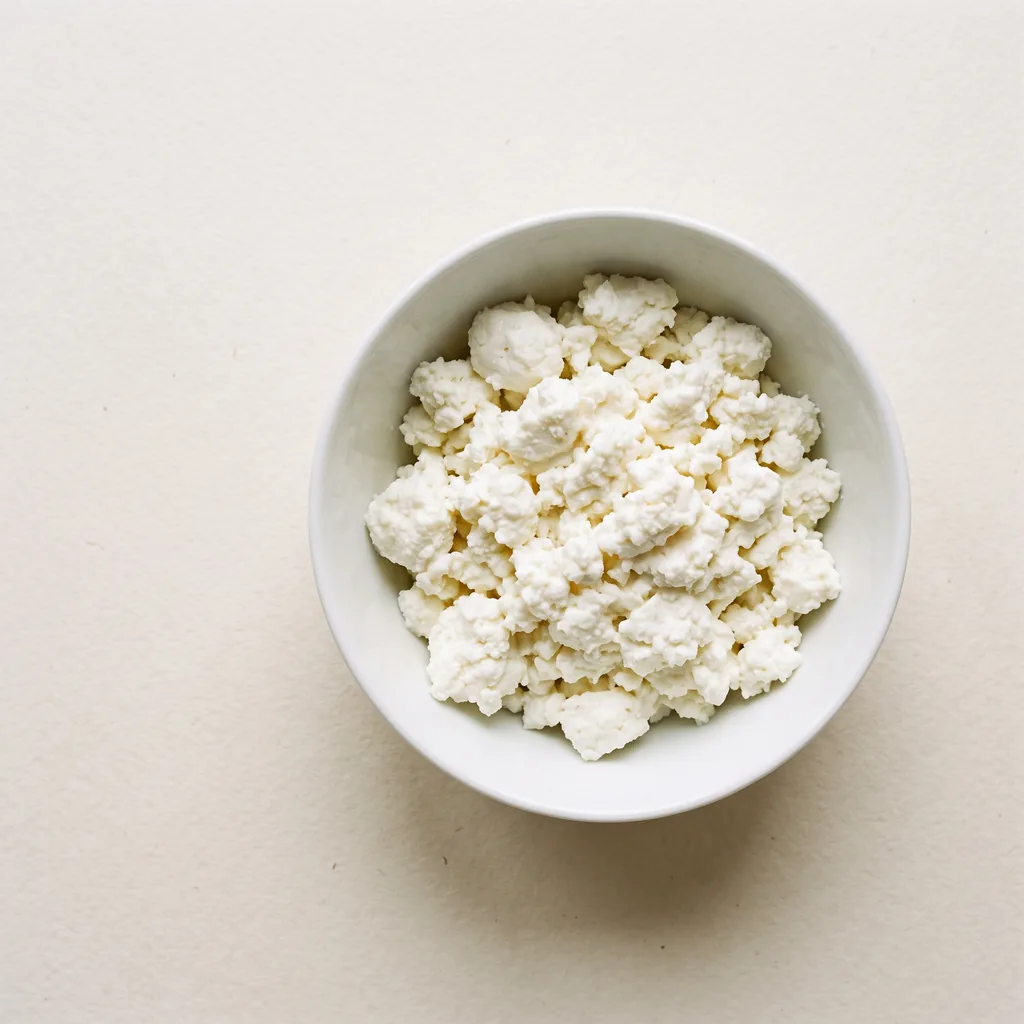
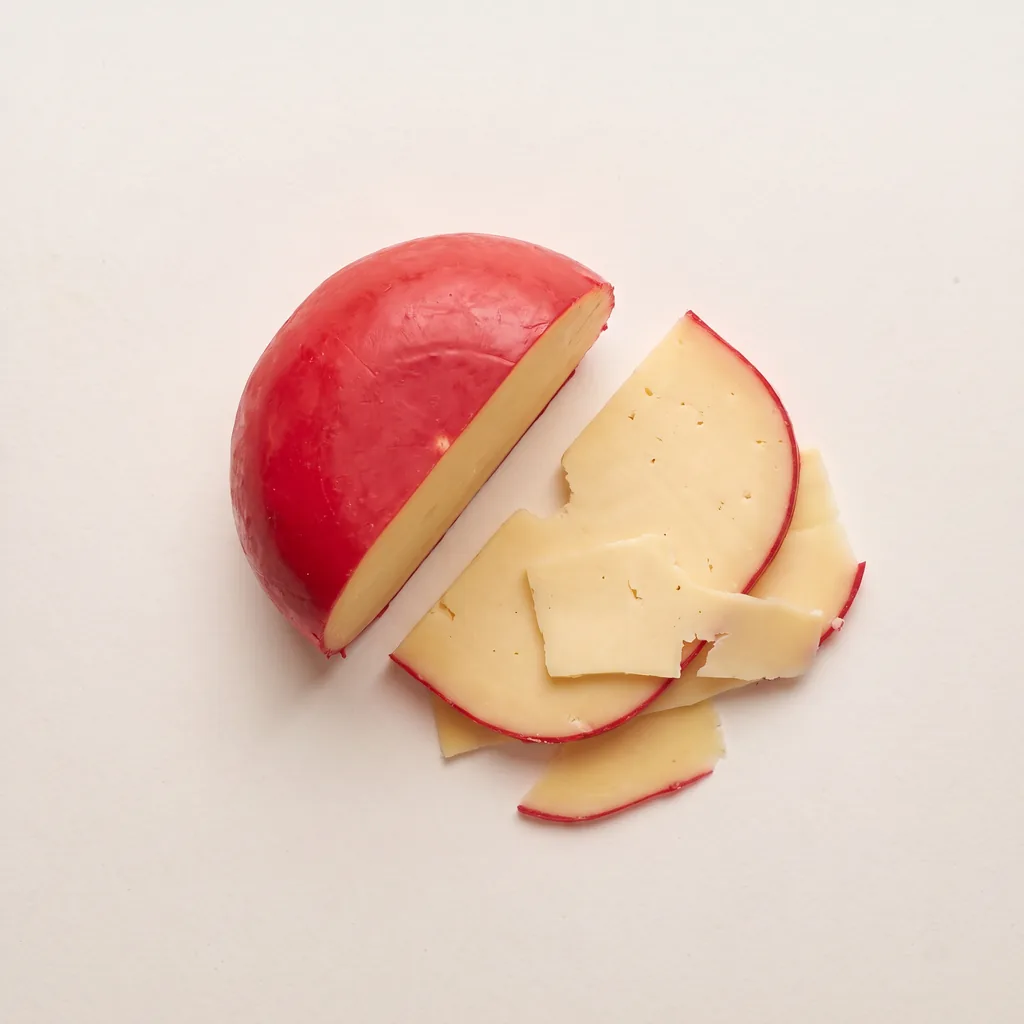
6 monthsStrip
Put a thin coat of cream cheese on a food that is easy to grab and chew. A bagel or bialy works too. Your baby will not eat much, but gnawing helps oral skills. Do not combine it with honey. Honey is not given before 12 months.
Dietitian's view
Cream cheese can be given as long as it is pasteurized and unsalted.
Uzm. Dyt. Berk AysanPrepared the latest update, November 14, 2026
Lokmini is not a healthcare provider and does not offer health services. For your baby's specific needs, talk to your doctor or a dietitian.
Cream cheese can be offered in a suitable way when your baby is ready for solids, usually around 6 months. Because it contains milk, it is one of the common food allergens.
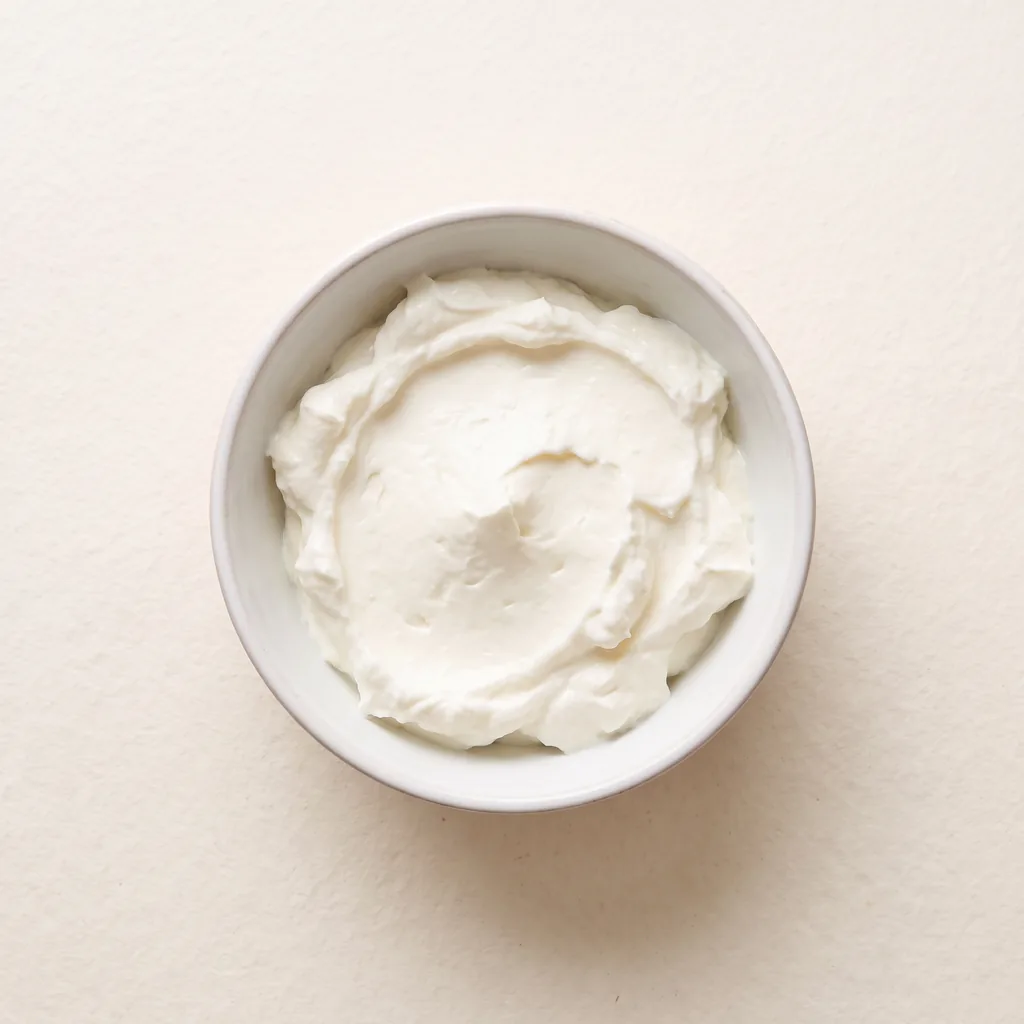 Allergen, day 1/3
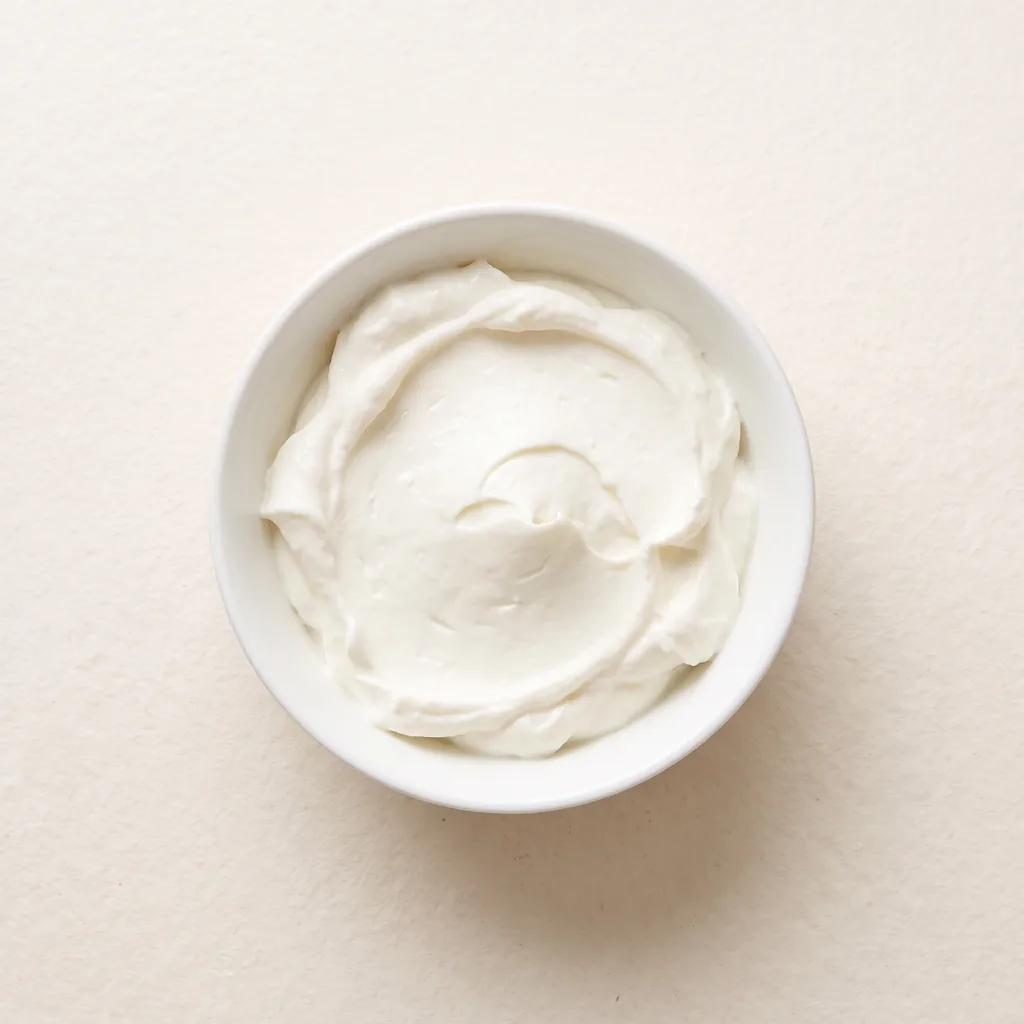
Cream cheese is a fresh, soft, spreadable cheese made with milk and cream. It has a mild tang and a smooth texture.
Besides traditional cream cheese, there are commercial products with different fat levels and various additives.
For babies, choose plain cream cheese made from pasteurized milk with no added salt or low salt. Plain products are a better fit than garlic, very salty or sauce-flavored types.
Cream cheese is a dairy food that mainly provides fat and energy. It can also contain some protein, calcium, phosphorus and vitamin A.
Much of the fat in cream cheese can be saturated fat. It is important for babies to get enough fat, but this does not mean foods with saturated fat should be eaten without limit.
Cream cheese can have less protein and calcium than many hard cheeses. So do not count it as a high-protein or high-calcium food just because it is dairy.
Vitamin A content depends on the amount of milk and cream used. Beta carotene content depends on the product's makeup, and cream cheese should not be seen as a reliable source of beta carotene.
The energy, fat and sodium in cream cheese can differ by brand and production method. Check the product label for your baby.
How is cream cheese different from neufchâtel?
Cream cheese and neufchâtel are two fresh cheeses sold with a similar texture, especially in North America. Under US product standards, cream cheese has at least 33 percent milk fat, while American-style neufchâtel has about 20 to 33 percent fat. So American-style neufchâtel can be a lower-fat alternative to cream cheese. But traditional neufchâtel made in France is a different cheese. Some kinds are ripened, soft and have a bloomy rind. When you choose a cheese for your baby, look at whether it is pasteurized, how much salt it has and its texture, not its name.
Also known as: labne, krema peyniri, cream cheese, philadelphia, neufchâtel
So that any reaction can be linked to the right food, cream cheese is offered 3 days in a row and no other new food is tried on those days.
Start with a small amount in the morning or around midday. Your baby is watched closely for 5 to 10 minutes after the first bite.
Cream cheese is offered again the same way. No other new food is tried today.
If no reaction was seen, cream cheese is now part of your baby's meals. It keeps being offered regularly.
Emergency
If your baby has trouble breathing or swelling of the face or tongue, call 911 (or your local emergency number) right away.
FPIES warning
It is one of the known triggers of FPIES (a delayed-onset food allergy). In this condition, repeated severe vomiting, pallor and lethargy may occur, usually 1-4 hours after the food is eaten. Diarrhea may appear later. These symptoms require urgent medical evaluation.
Cream cheese contains milk proteins, so it counts as a **milk allergen**.
Cream cheese made from cow's milk can cause an allergic reaction in babies with cow's milk allergy.
Similar products made from goat, sheep or buffalo milk are not automatically safe alternatives for cow's milk allergy either. The proteins in these milks can cross-react.
Milk allergy and lactose intolerance are different conditions. Milk allergy is an immune system reaction to milk proteins. Lactose intolerance is trouble digesting milk sugar.
Cream cheese can contain lactose. The amount varies by product, and regular cream cheese should not be considered lactose-free.
Cow's milk can also trigger a delayed food allergy called FPIES (food protein-induced enterocolitis syndrome).
In acute FPIES, repeated severe vomiting, paleness and marked tiredness usually appear 1 to 4 hours after eating the food. Diarrhea may develop later. These signs need urgent medical care.
If you are offering a dairy food for the first time, start with a small amount and watch how your baby responds.
Hives, lip swelling, vomiting, coughing or wheezing can be signs of an allergic reaction. For serious signs such as trouble breathing or swelling of the tongue or throat, call emergency services right away.
If your baby has diagnosed milk allergy or has reacted to dairy before, do not try cream cheese without advice from your doctor or a dietitian.
6 monthsStrip
Put a thin coat of cream cheese on a food that is easy to grab and chew. A bagel or bialy works too. Your baby will not eat much, but gnawing helps oral skills. Do not combine it with honey. Honey is not given before 12 months.
9 monthsMash
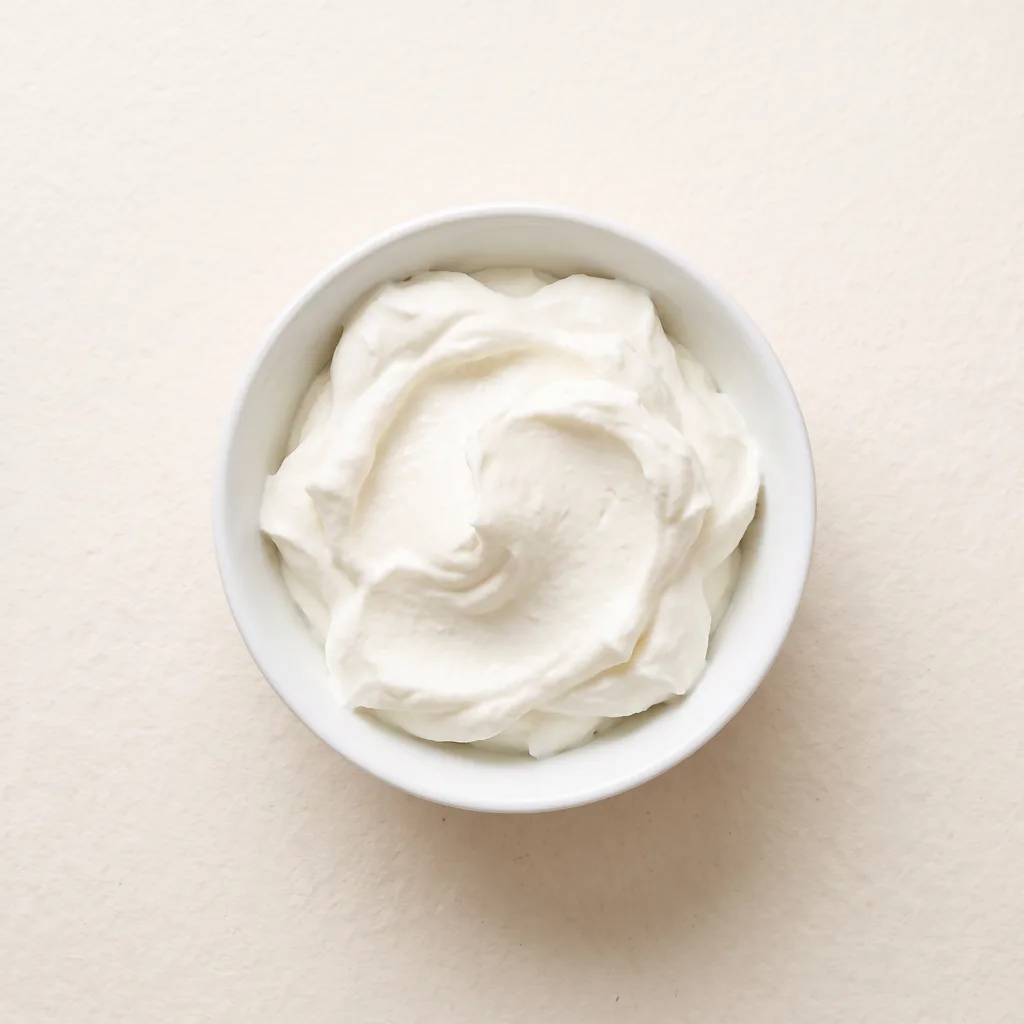
Put out pieces of fruit or vegetable so your baby can grab them and dip them in whipped cream cheese. You can also work it into a frittata, or blend it with mashed vegetables or grains.
12 monthsSlice
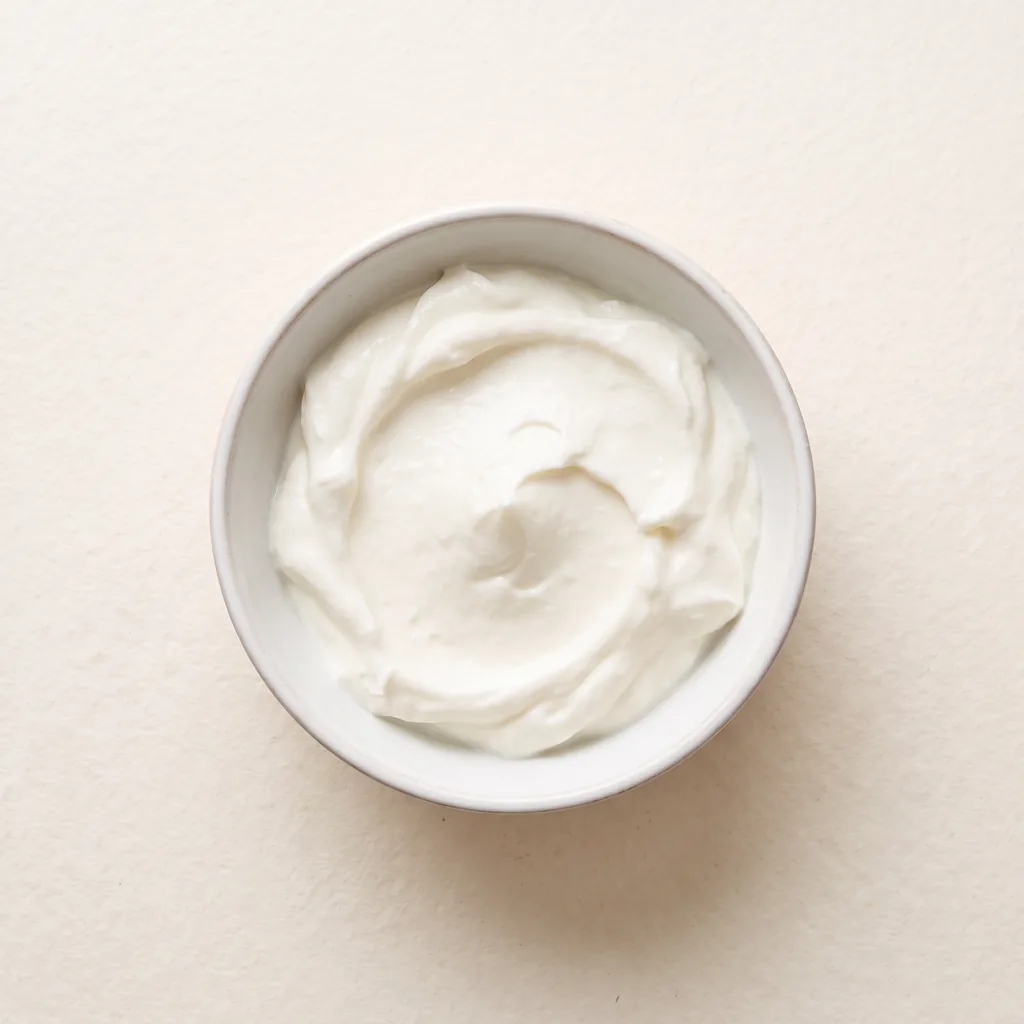
You can try any kind of cream cheese. Spread it onto other foods suited to your baby's age, fold it into baking batter or family dishes, or put it out as a dip.
Cream cheese is a soft, spreadable food. It carries a low choking risk when served properly.
But thick layers or large, dense, sticky lumps of cheese can be harder for your baby to manage in the mouth.
You can spread cream cheese in a thin layer on bread or mix it into moist foods.
It is also important that the bread under the cream cheese suits your baby's eating skills.
Your baby should sit upright and supported during meals, eat at their own pace and never be left unattended.
Join Lokmini to learn how this food is served at each age and to keep track of every food your baby tries.
Lokmini builds a day-by-day plan for your baby's age. Leave your email for new guides and our newsletter.
Start Your Journey