6 monthsMash
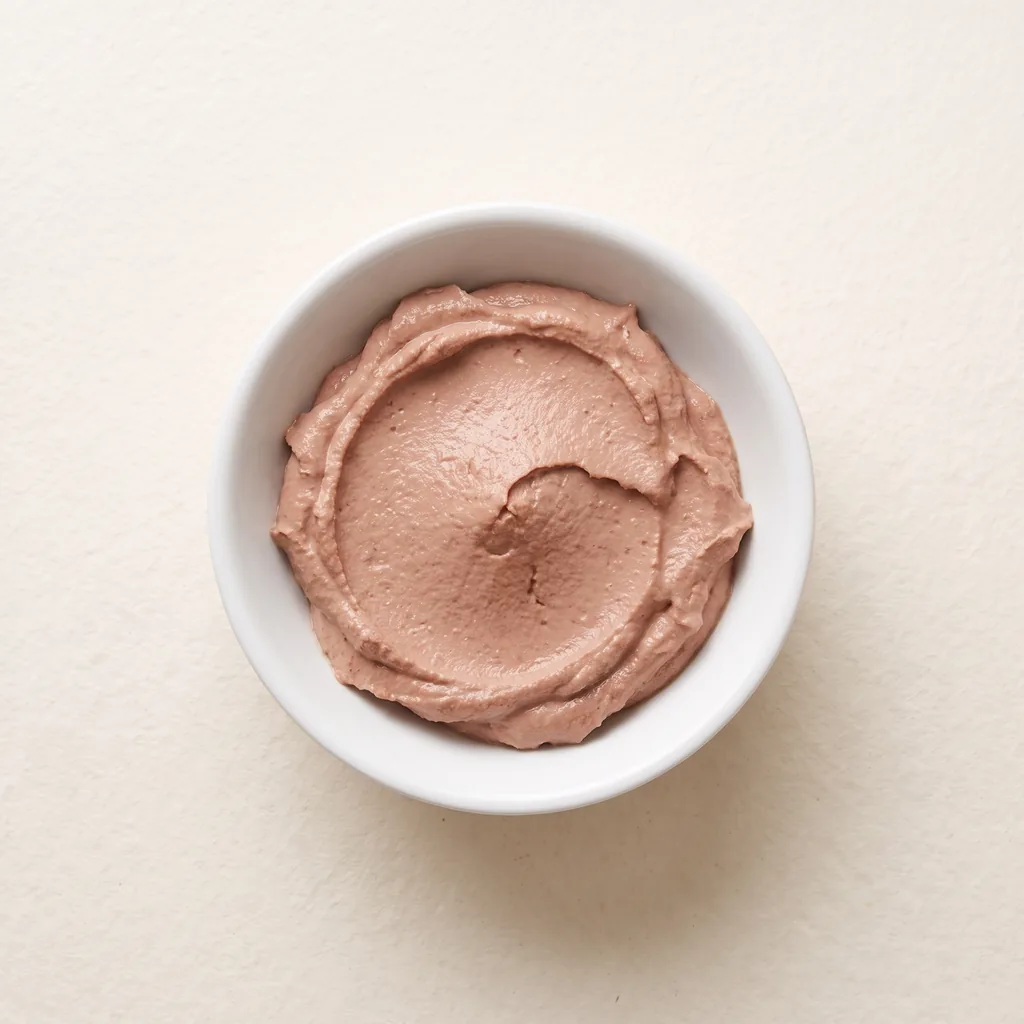
Cut: Smooth puree
Cook the liver well. Puree it or make a smooth pâté. Offer it alone on a pre-loaded spoon. You could spread it on a teething rusk or on strips of toast. One to two tablespoons at a time is plenty. Serve it once a week.
Dietitian's view
Chicken liver has a very high vitamin A content. You can give it with care.
Lokmini is not a healthcare provider and does not offer health services. For your baby's specific needs, talk to your doctor or a dietitian.
Well-cooked chicken liver can be offered when your baby is ready for solids, around 6 months. Liver is high in vitamin A. Vitamin A is a needed nutrient but too much can be toxic. So limit the portion and how often you serve it.
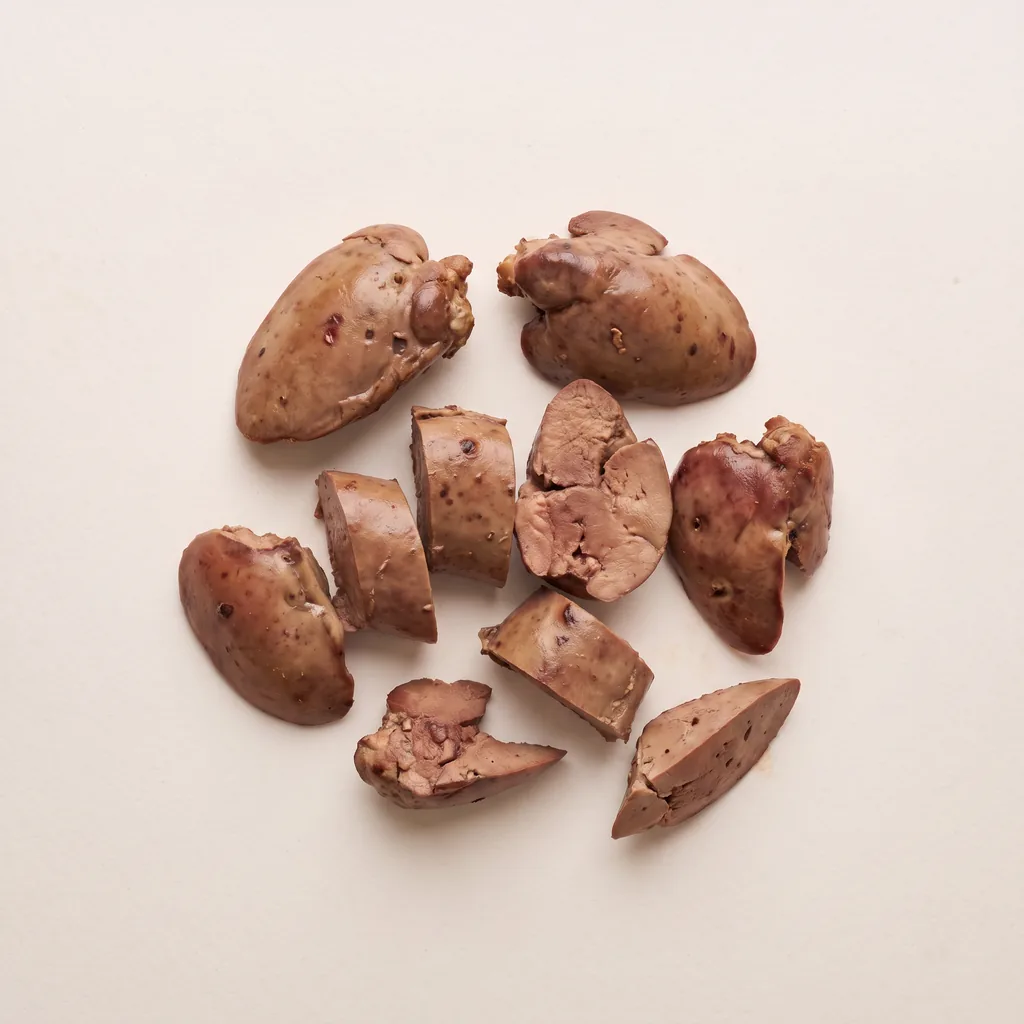
Chicken may be among the most eaten proteins in the world, yet liver often gets passed over. Few foods are as nutritious. Liver is the body's nutrient store. Digestion sends toxins to be filtered out, and vitamins and minerals are processed here. It uses some for body functions and stores others as energy. Its strong mineral flavor divides people into those who love liver and those who hate it. That taste pairs well with sweet fruit and vegetables and with tasty fats like schmaltz.
Chicken liver gives fat and protein. It also holds choline, iron, folate, selenium, zinc, vitamins A and B12 and other B vitamins.
Also known as: tavuk ciğeri, piliç ciğeri, ciğer, ciğer ezmesi, tavuk ciğeri ezmesi
6 monthsMash
Cut: Smooth puree
Cook the liver well. Puree it or make a smooth pâté. Offer it alone on a pre-loaded spoon. You could spread it on a teething rusk or on strips of toast. One to two tablespoons at a time is plenty. Serve it once a week.
9 monthsStrip
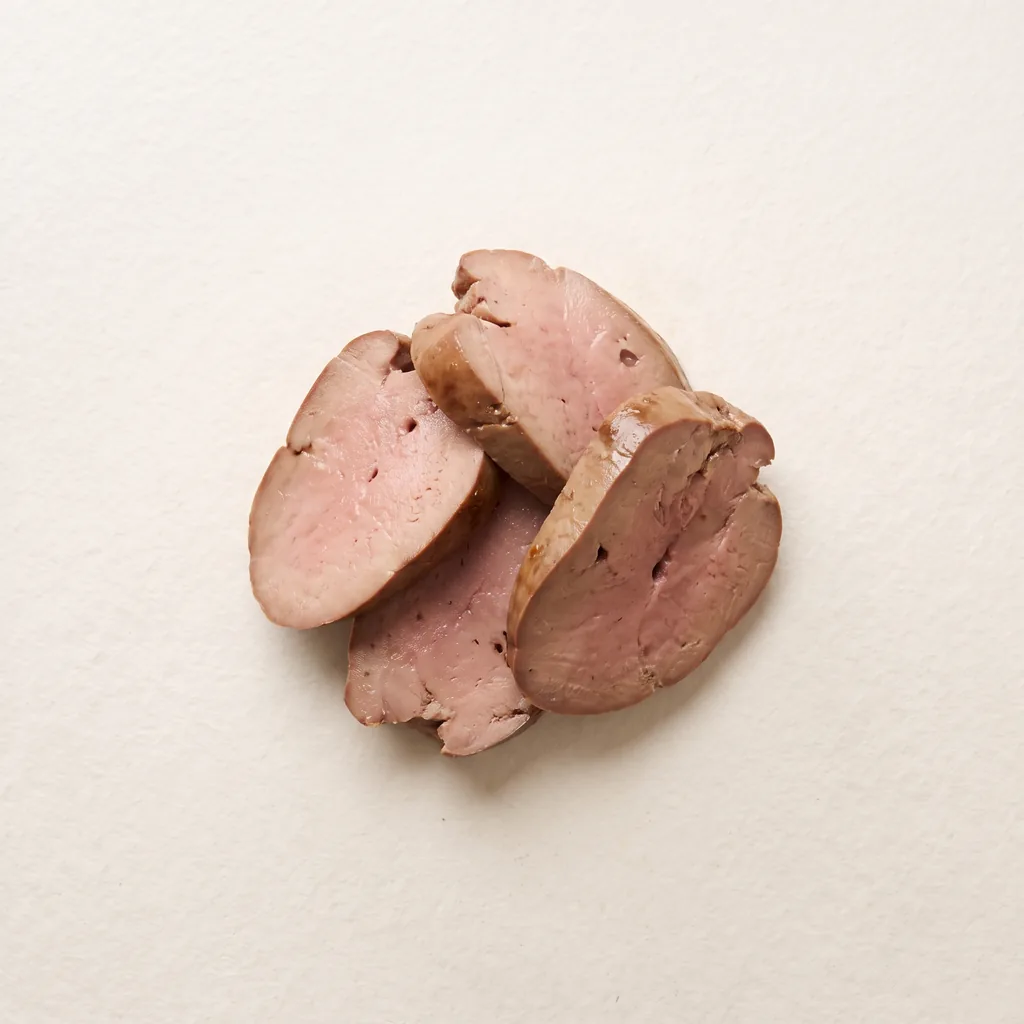
Cut cooked liver into slim slices or small bite-size bits. A baby with a pincer grasp can pick them up. You can still spread pâté on bread. You may season the pâté with your family's favorite spices. Keep the amount at 1 to 2 tablespoons a week.
12 monthsSlice
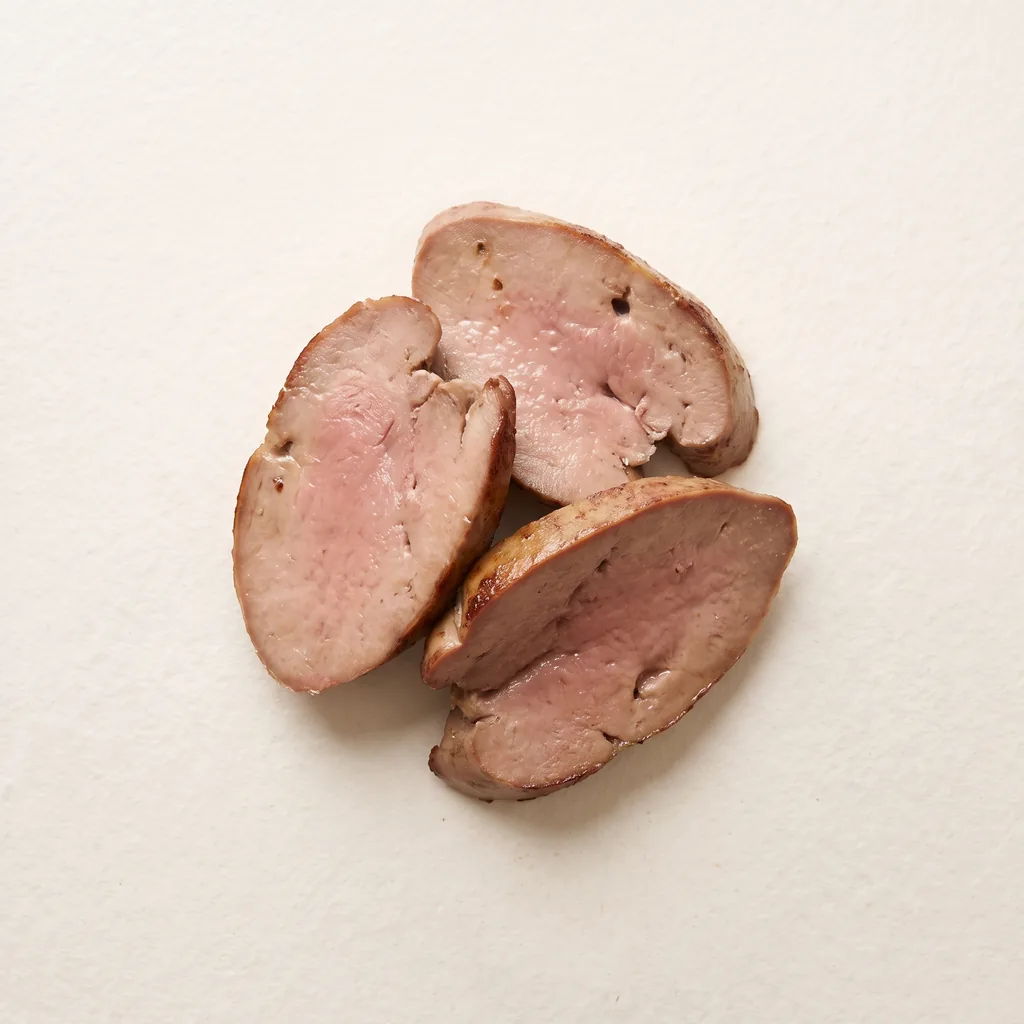
Hand over slim liver slices or small bite-size bits as finger food. Toast or thin rice cakes can carry a spread of pâté. Keep the amount to a couple of tablespoons a week. Do not overcook the liver.
Chicken liver is firm and tough to chew, and that raises the choking risk. Do not cut liver into chunks or cubes. Do not overcook it, since dry liver is harder to chew and move back to swallow. Make pâté, puree or thin slices. Stay within arm's reach at meals.
FPIES warning
It is one of the known triggers of FPIES (a delayed-onset food allergy). In this condition, repeated severe vomiting, pallor and lethargy may occur, usually 1-4 hours after the food is eaten. Diarrhea may appear later. These symptoms require urgent medical evaluation.
Chicken is not a common allergen. Still, poultry allergy has been reported. Chicken can also trigger a delayed allergy called FPIES. Vomiting or diarrhea starts 2 to 4 hours after eating.
People with fish allergy are rarely more likely to react to chicken. Some people with feather and egg allergy test positive to chicken meat. The allergy-causing protein is heat sensitive, and well-cooked meat usually causes no symptoms. Routine testing for chicken meat is not advised in egg allergy.
Give a small amount for the first servings. If there is no reaction, raise it slowly.
Prepared by the Lokmini team | Last updated November 17, 2026
Join Lokmini to learn how this food is served at each age and to keep track of every food your baby tries.
Lokmini builds a day-by-day plan for your baby's age. Leave your email for new guides and our newsletter.
Start Your Journey