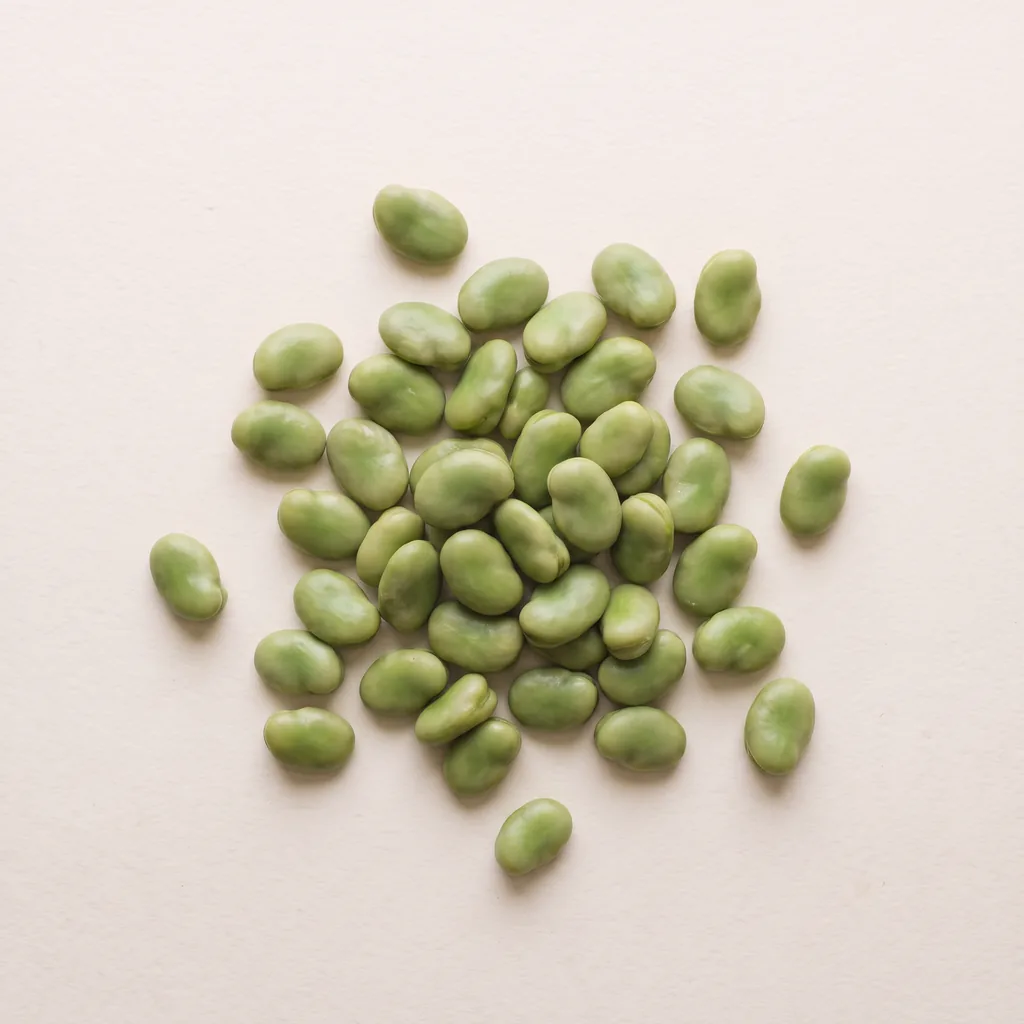
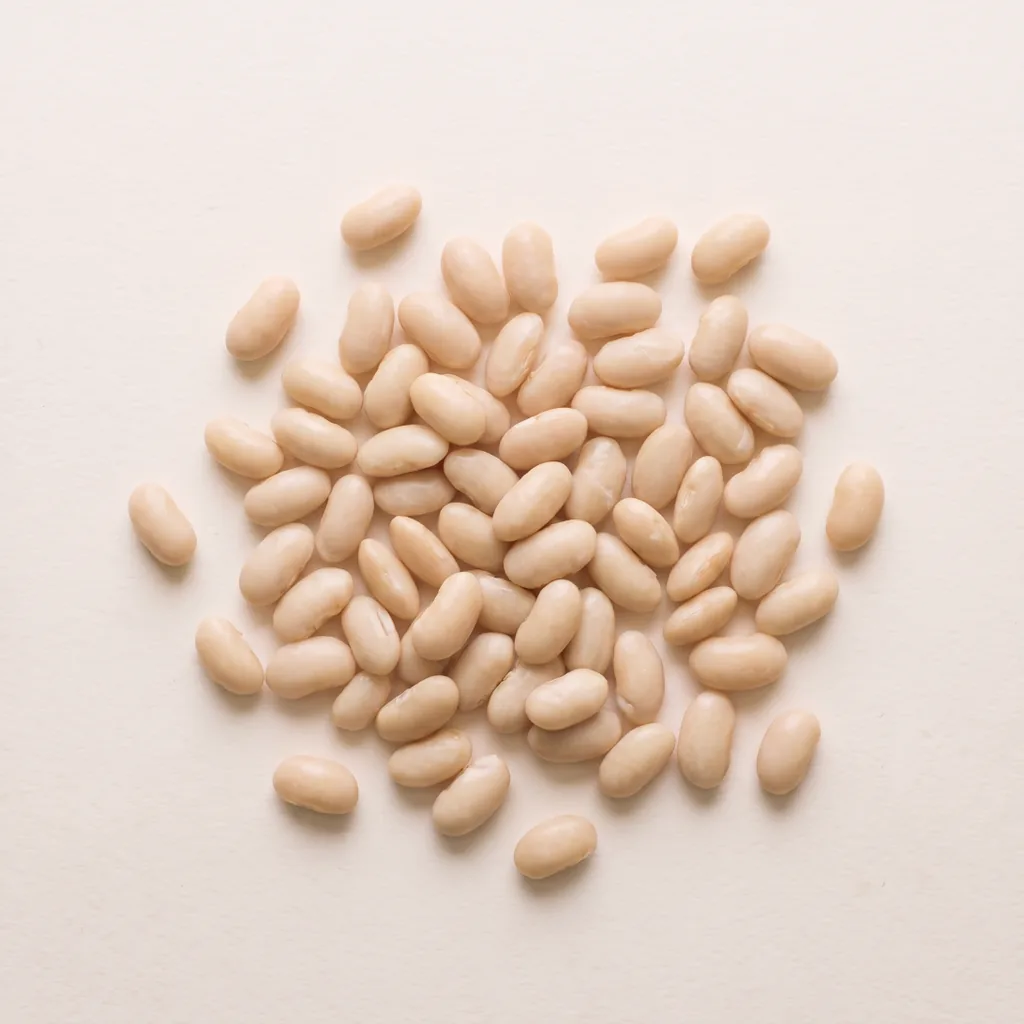
6 monthsMash
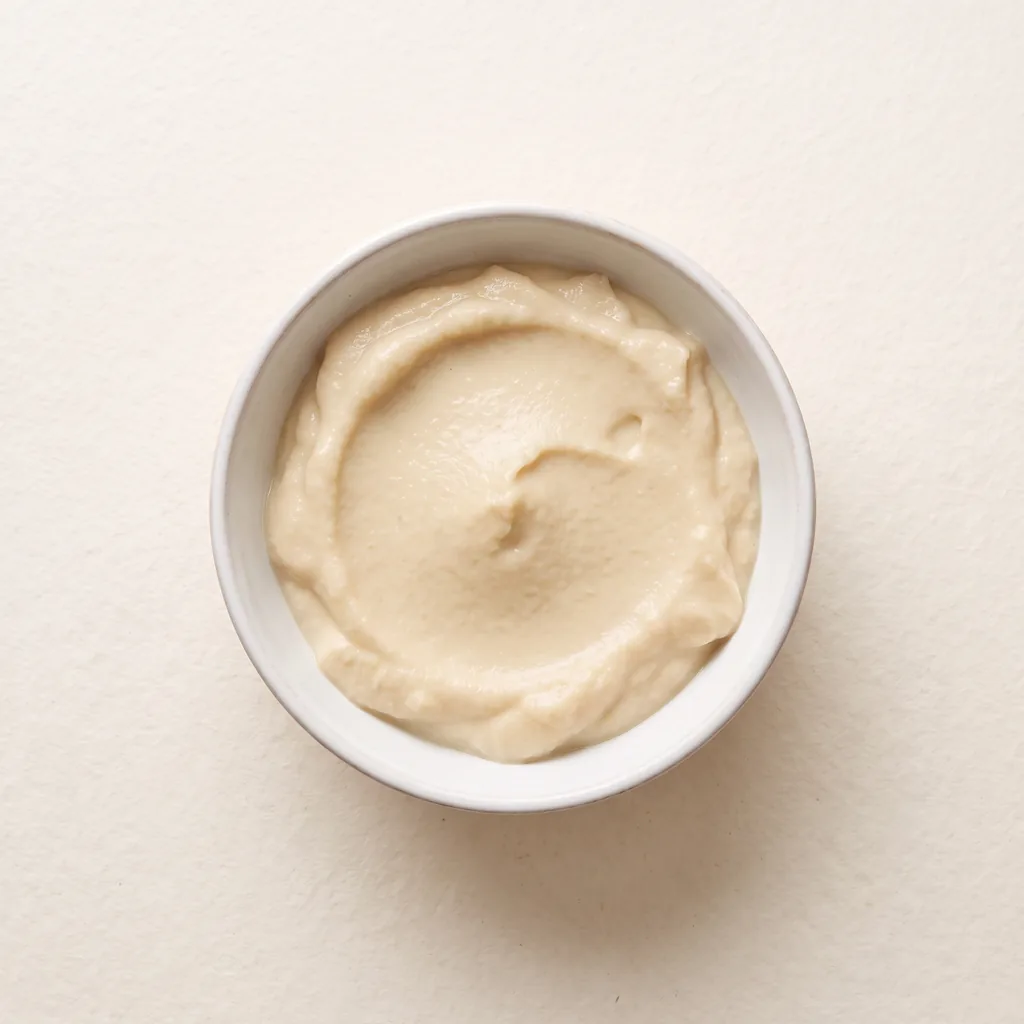
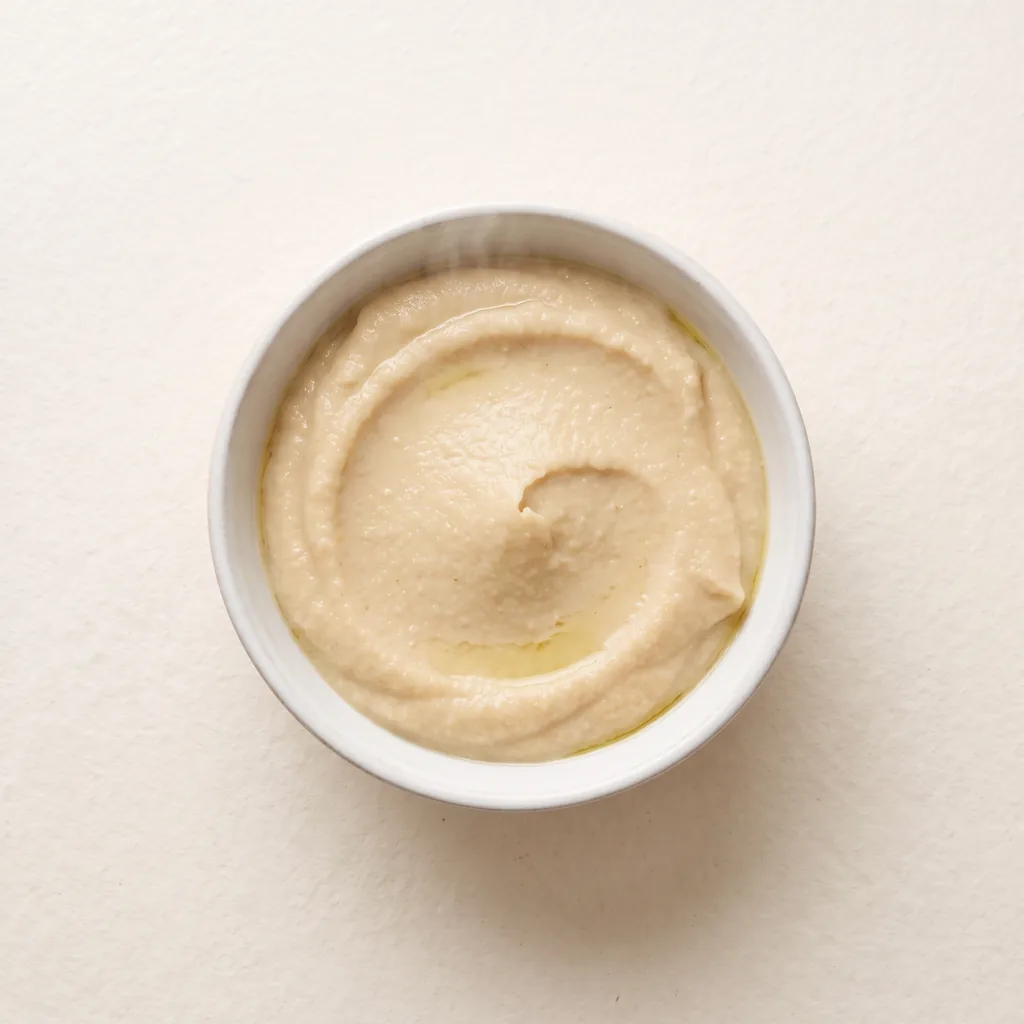
Rub the cooked chickpeas between your palms and always remove the thin skins, because they can stick in the throat and cause choking. Mash the skinned chickpeas until smooth, or blend them and thin the mash with breast milk or water.
Chickpeas can be offered when your baby is ready for solids, around 6 months. Whole chickpeas carry a choking risk, so prepare them for your baby's age.
 Allergen, day 1/3
Chickpeas are native to the Mediterranean region. Today they are a staple in many cuisines. This legume has countless names. Garbanzo, ceci, chana and nokhod are just some of them. They differ in color, shape, and size. The Kabuli and Desi types are the most common worldwide.
Chickpeas supply a lot of protein, carbohydrate, and fiber. They bring folate, iron, choline, zinc, and vitamin B6 as well.
Also known as: garbanzo, humus, leblebi, nohut, nohut unu
So that any reaction can be linked to the right food, chickpea is offered 3 days in a row and no other new food is tried on those days.
Start with a small amount in the morning or around midday. Your baby is watched closely for 5 to 10 minutes after the first bite.
Chickpea is offered again the same way. No other new food is tried today.
If no reaction was seen, chickpea is now part of your baby's meals. It keeps being offered regularly.
Emergency
If your baby has trouble breathing or swelling of the face or tongue, call 911 (or your local emergency number) right away.
In the US chickpea is not listed among the common allergens, whereas in India and Spain allergy to it is frequent. Reactions can sometimes be severe, and some cases were triggered by exercise. Some people allergic to chickpea get asthma symptoms from the steam of cooking chickpeas.
Hummus often contains sesame (tahini). People with symptoms after hummus often blame the chickpeas, when sesame is the more frequent allergen.
An allergy to one legume does not make you allergic to every legume, yet the odds of having several do rise. Chickpea and lentil allergy can appear together.
Legumes such as chickpeas can bother people with a birch or plane tree pollen allergy, or with oral allergy syndrome. That usually means a brief itchy, tingly or stinging feeling in the mouth, and a dangerous reaction is unlikely.
Give a small amount for the first servings and watch. If there is no reaction, raise it slowly.
6 monthsMash
Rub the cooked chickpeas between your palms and always remove the thin skins, because they can stick in the throat and cause choking. Mash the skinned chickpeas until smooth, or blend them and thin the mash with breast milk or water.
9 monthsCube
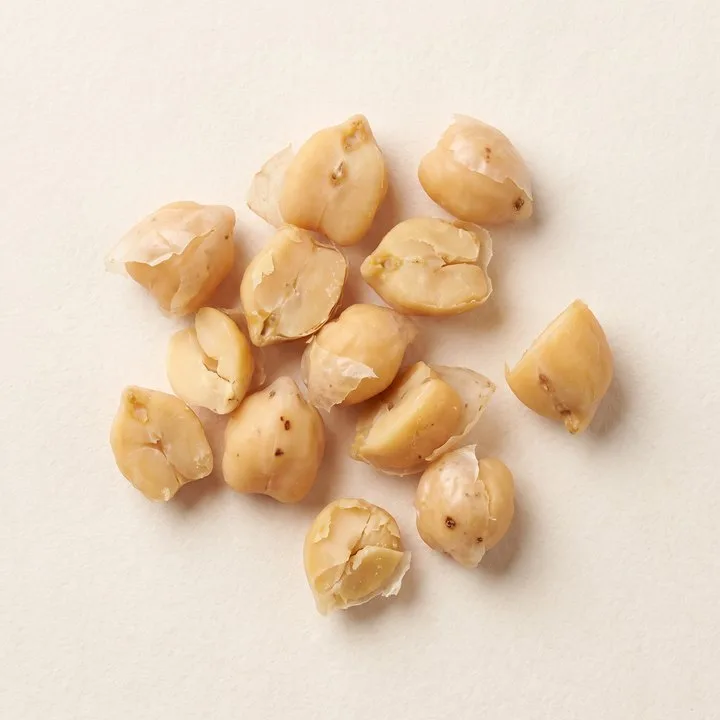
Cut: Flattened
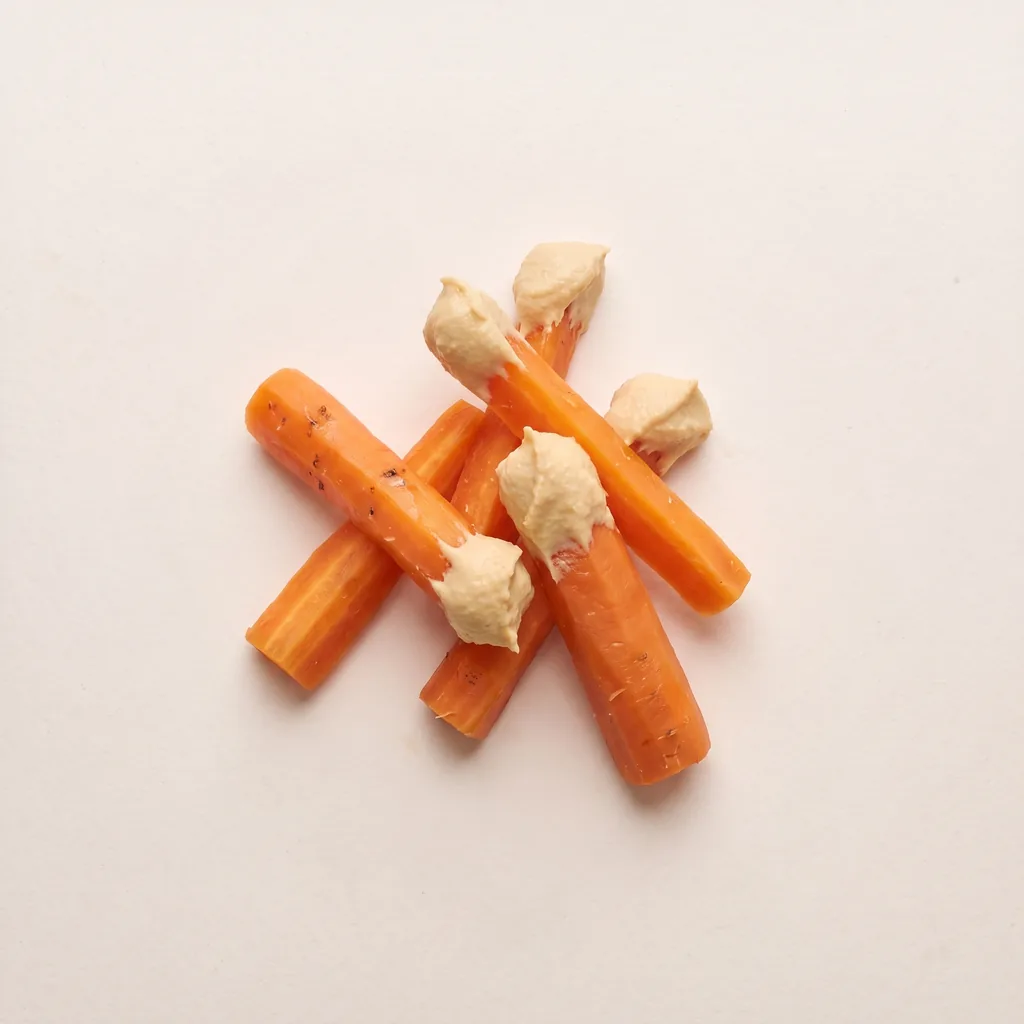
Cook the chickpeas until completely soft. Flatten each one with your thumb or a fork. A baby with a developing pincer grasp can pick these up alone. Tear chickpea flour pancakes into bite-sized pieces. You can keep offering hummus or mashed chickpeas.
12 monthsCube
Cut: Flattened
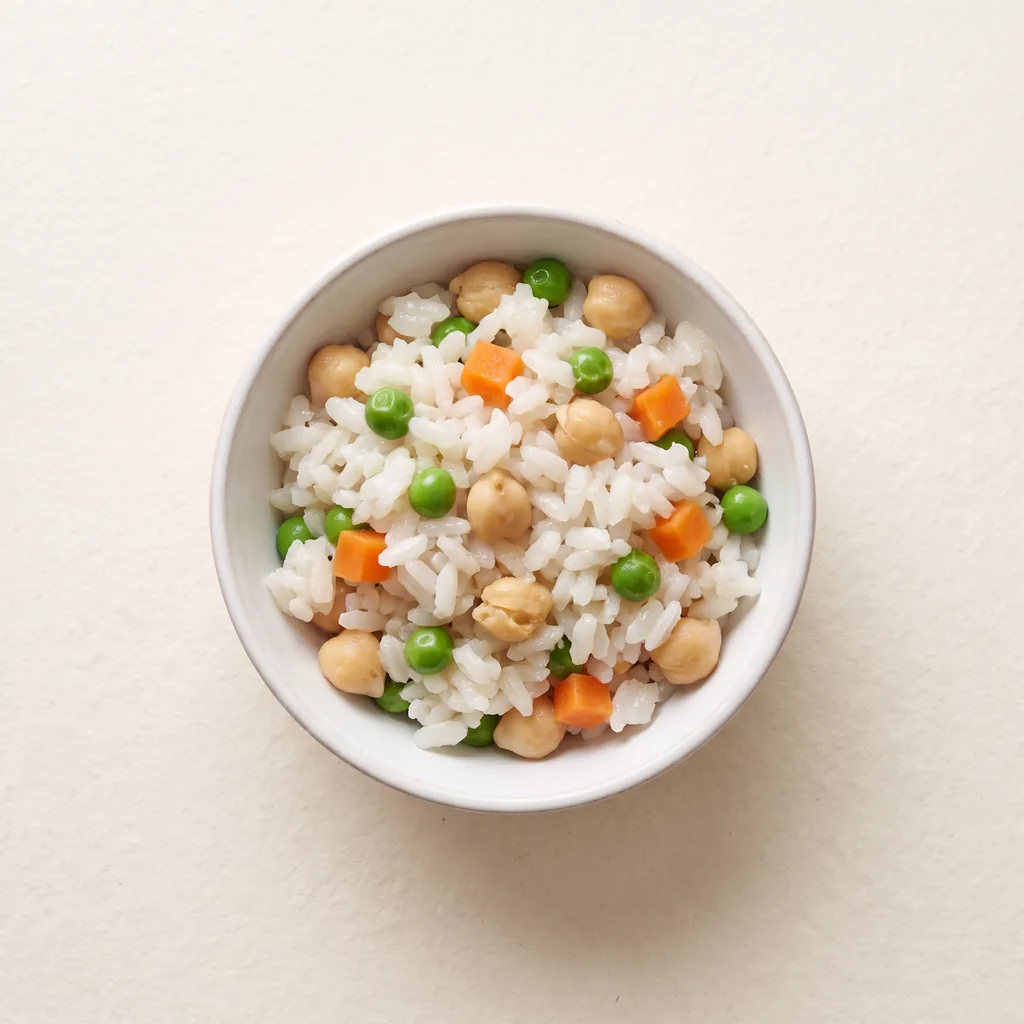
Keep serving flattened chickpeas and flatten them a bit less as your child's skills grow. If your child chews well and does not stuff the mouth, you can try a whole chickpea cooked until soft, on a spoon. Start by giving a single chickpea, show how to crush it with your teeth, and stay near.
Whole chickpeas can be a choking risk for babies because they are small, round and slippery. The risk is even higher with hard or undercooked chickpeas.
Cook chickpeas until they are completely soft. At first, serve them pureed or well mashed.
As your baby grows, you can flatten them with a fork. Turning one year old does not mean whole chickpeas are safe.
You do not always have to remove the thin skin. But you can take it off if the skins stay tough or spoil the texture of the puree.
Your baby should sit upright throughout the meal and be under your constant supervision.
Prepared by the Lokmini team | Last updated November 19, 2026
Join Lokmini to learn how this food is served at each age and to keep track of every food your baby tries.
Lokmini builds a day-by-day plan for your baby's age. Leave your email for new guides and our newsletter.
Start Your Journey