Skip to content
  • Fruits
  • 6 mo+
  • Medium choking risk

Coconut for babies: when to start

Coconut (Cocos nucifera) can be offered when your baby is about 6 months old and ready for solids. At first, give it finely grated, softened or pureed.

  • Fat
  • Fiber
  • Protein
  • Iron
  • Magnesium
  • Zinc
Coconut prepared for a baby

About coconut

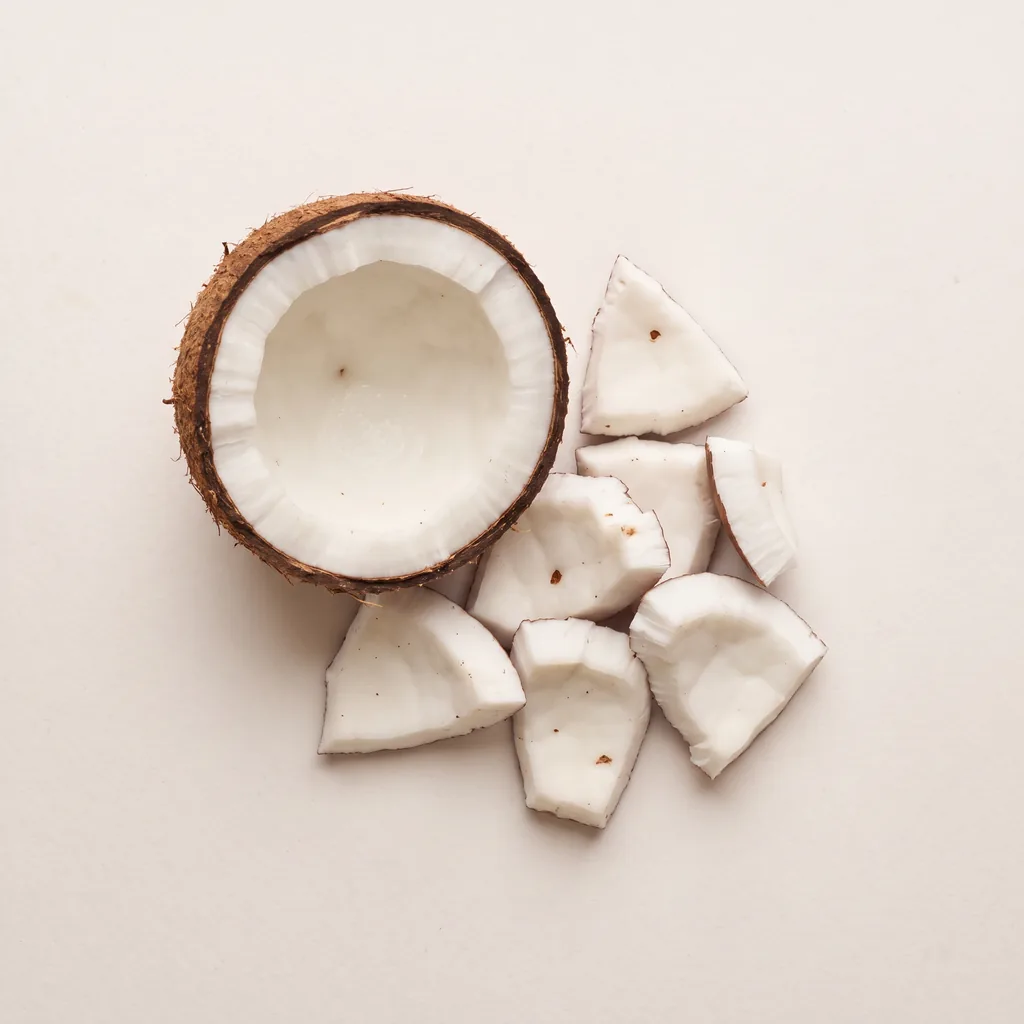
Coconut grows in tropical regions. Its shell is green when young and brown when mature. The white flesh, the water and the oil are used in different ways. In the places where it grows, it is also known as the tree of life because it has so many uses.

Nutrition

The white flesh of coconut contains fat, fiber and a small amount of protein. It also provides minerals such as manganese, copper, iron, magnesium and potassium.

The fats it contains add to your baby's energy intake.

Coconut oil is high in saturated fat. You can add a little to meals, but it is better to choose oils rich in unsaturated fats, such as olive oil, as your baby's main fat source.

Also known as: hindistancevizi, hindistan cevizi rendesi, kurutulmuş hindistan cevizi, genç hindistan cevizi, coconut

  • Gluten-free
  • Vegan

How to prepare it by age

6 monthsMash

Coconut prepared for 6 months

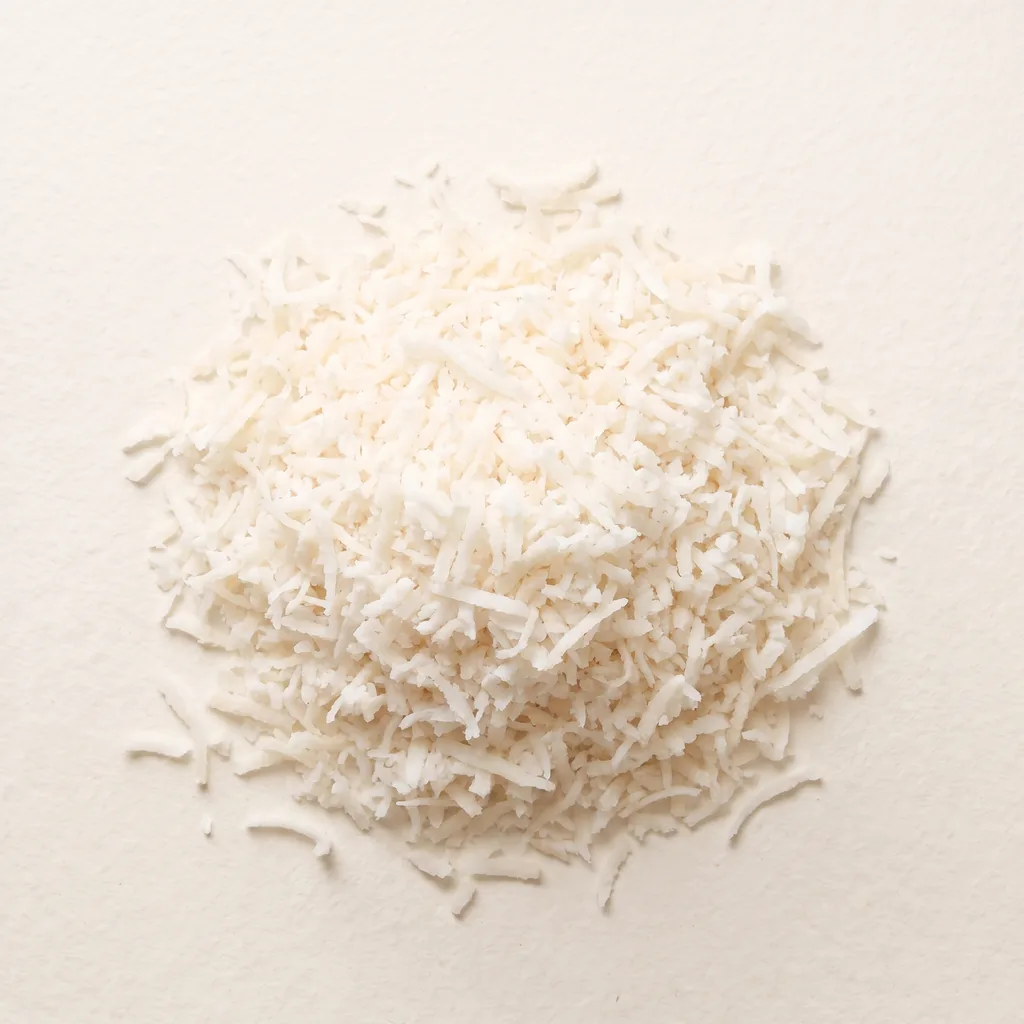
Cut: Grated

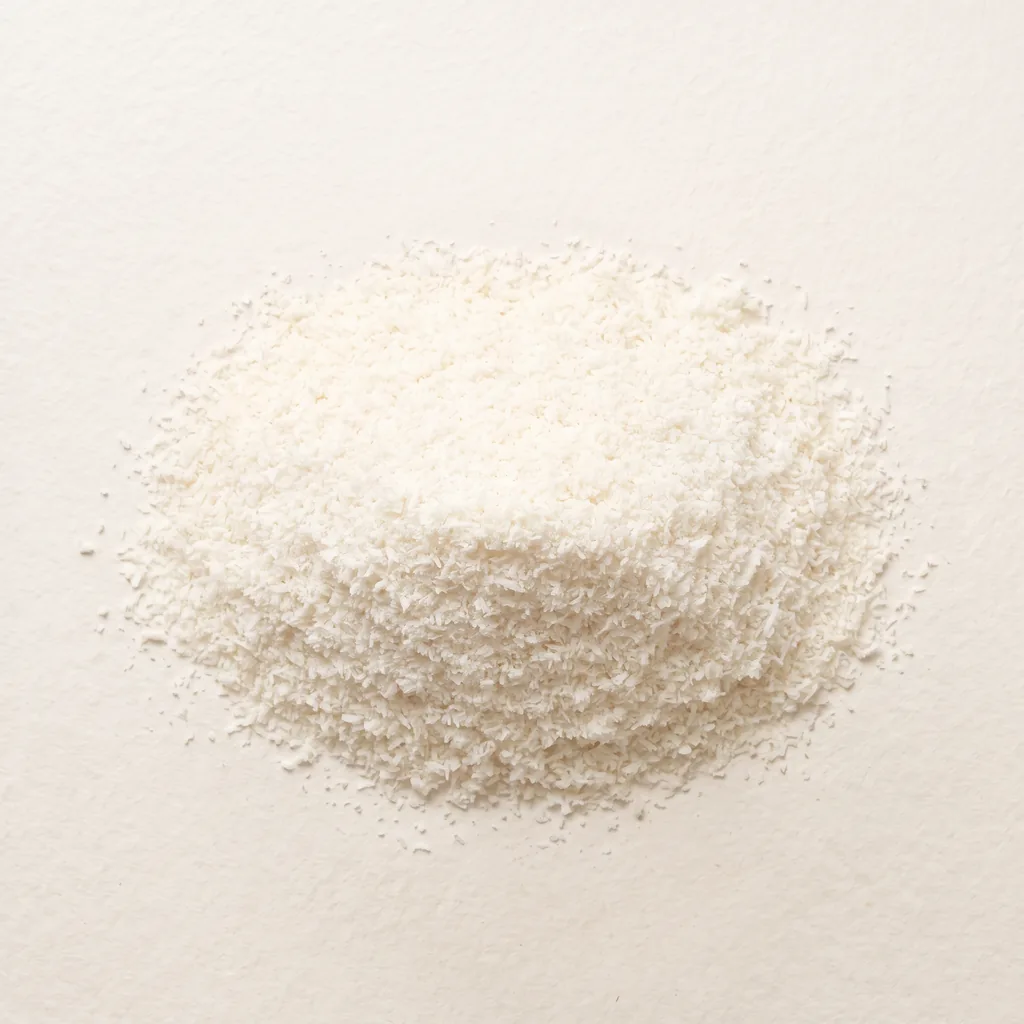
Stir dried, very finely shredded coconut into warm oatmeal, rice or another soft food. Coconut oil or milk can also be the base of these dishes. Avoid large flakes and chips. They can be sharp, and the tongue has a hard time moving them around.
9 monthsStrip

Coconut prepared for 9 months

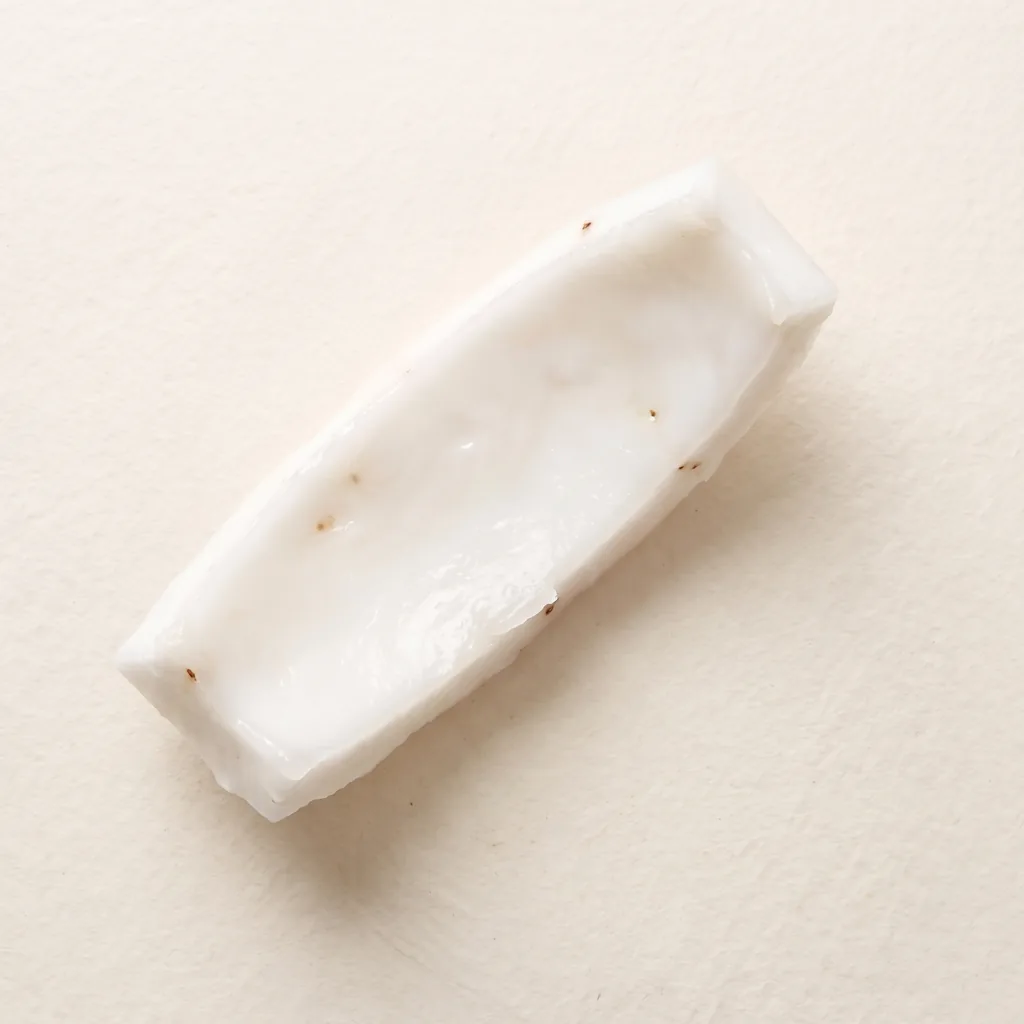
Cut: Finger strip

Cut young coconut flesh into thin strips roughly as long as an adult little finger. The flesh should be soft enough to mash with light pressure. Keep stirring fine shreds into food or sprinkling them on top.

12 monthsMash or slice

Coconut prepared for 12 months

Cut: Finger strip

Mix fine shreds into food or sprinkle them on top. Use coconut oil, milk and cream in meals. You can start offering a small amount of coconut milk or water as a drink. Keep serving young coconut strips.

Offer mature coconut only once your child has molars, takes manageable bites, chews well and swallows safely. This is often after 18 months. Start with flat, thin pieces with the shell removed. Large baked flakes can be tried at this stage too. You can also let your child scoop half a fresh young coconut with a spoon.

Choking risk

  1. Low
  2. Medium
  3. High

Hard, hard-to-chew pieces of coconut can be a choking risk for babies and young children. Take special care with mature coconut pieces, large dried flakes and crunchy chips.

6 to 9 months: Serve only very finely grated coconut mixed into moist foods such as yogurt or puree.

9 to 12 months: Besides fine gratings, you can give the soft, easily mashed flesh of young coconut.

12 months and up: You can offer soft pieces that suit your child's chewing skills. Do not give hard mature pieces or crunchy chips until your child has the skill to chew them safely.

Your baby should sit upright for the whole meal and be under your constant supervision.

Cutting rule

From 6 months, serve coconut very finely grated and mixed into moist foods. From 9 months, you can give the soft, easily mashed flesh of young coconut in thin strips. Large flakes, hard mature pieces and crunchy chips are a choking risk, so offer them only to children with good enough chewing skills.

Allergen information

Coconut allergy is rare, but it can cause serious allergic reactions in some people. Children with a peanut or tree nut allergy are not expected to be allergic to coconut too. Even so, cross-reactions with some foods have been reported.

Some dried coconut products can contain sulfites. Sulfites can trigger symptoms such as coughing, wheezing and shortness of breath, especially in children with asthma or sulfite sensitivity. Check the product label.

When you offer coconut for the first time, start with a small amount and watch how your baby responds. If you see signs such as hives, lip swelling or repeated vomiting, stop giving it and contact a health professional. If your baby has trouble breathing, call emergency services right away.

Frequently asked questions

What age can babies eat coconut?

Coconut (Cocos nucifera) can be offered when your baby is about 6 months old and ready for solids. At first, give it finely grated, softened or pureed.

Is coconut a common allergen?

Coconut allergy is rare, but it can cause serious allergic reactions in some people. Children with a peanut or tree nut allergy are not expected to be allergic to coconut too. Even so, cross-reactions with some foods have been reported.

How do you prepare coconut for babies?

For a 6-month-old: Stir dried, very finely shredded coconut into warm oatmeal, rice or another soft food. Coconut oil or milk can also be the base of these dishes. Avoid large flakes and chips. They can be sharp, and the tongue has a hard time moving them around.
Is coconut a choking hazard for babies?

Hard, hard-to-chew pieces of coconut can be a choking risk for babies and young children. Take special care with mature coconut pieces, large dried flakes and crunchy chips.

Can babies drink coconut milk?

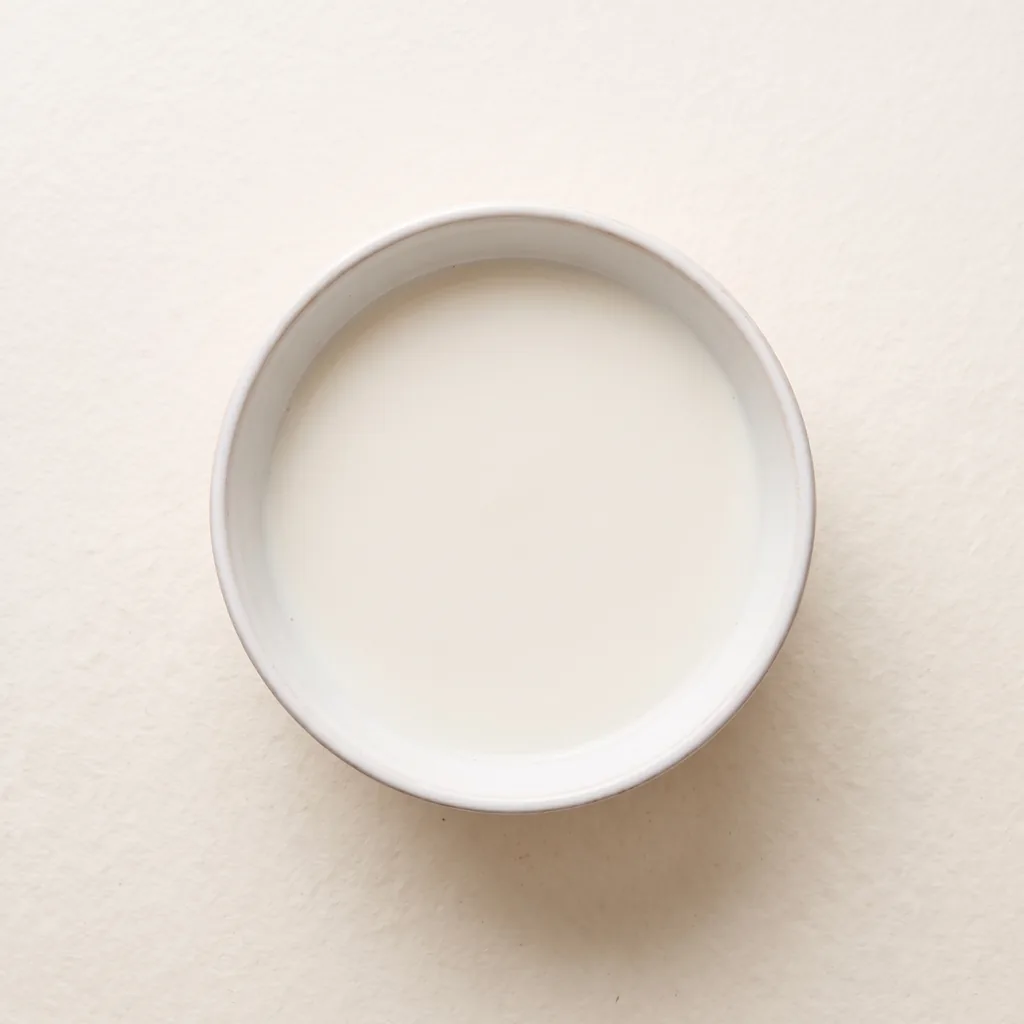
Coconut milk can be used in meals from 6 months. It is not recommended as a drink in the first 12 months, though. After the first birthday too, it is not a nutritional equal of breast milk or suitable milk alternatives.

Is coconut oil suitable for babies?

Yes, it can be used in small amounts in meals and provides energy. But because it is high in saturated fat, choose options rich in unsaturated fats, such as olive oil, as your baby's main fat source.

Can I give dried coconut with sulfites?

Children without sulfite sensitivity can have it. In children with asthma especially, though, sulfites can trigger breathing symptoms. You can choose products with no added sugar, no sulfites and grated finely enough for your child's age.

Can a baby with peanut allergy eat coconut?

Coconut allergy does not usually come with peanut or tree nut allergy. Still, rare cross-reactions have been reported. Ask an allergist to be sure.

Prepared by the Lokmini team | Last updated November 19, 2026

Share:WhatsApp

Want to add this food to your baby's solid food calendar?

Join Lokmini to learn how this food is served at each age and to keep track of every food your baby tries.

Join Lokmini

Starting Solids

When and how to start solids, and what happens in the first week?

Read the guide

Similar foods

Let's get ready for the first bite together

Lokmini builds a day-by-day plan for your baby's age. Leave your email for new guides and our newsletter.

Start Your Journey