6 monthsMash
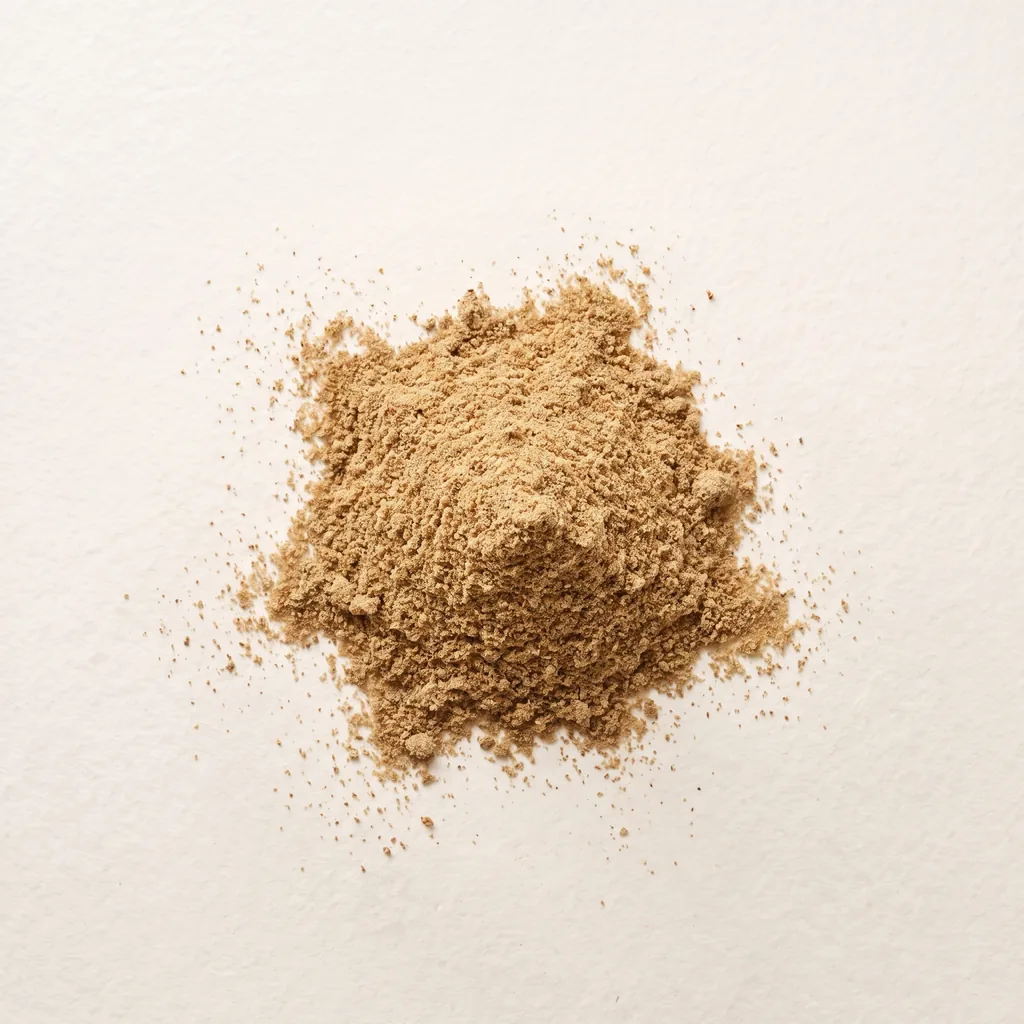
Cut: Ground
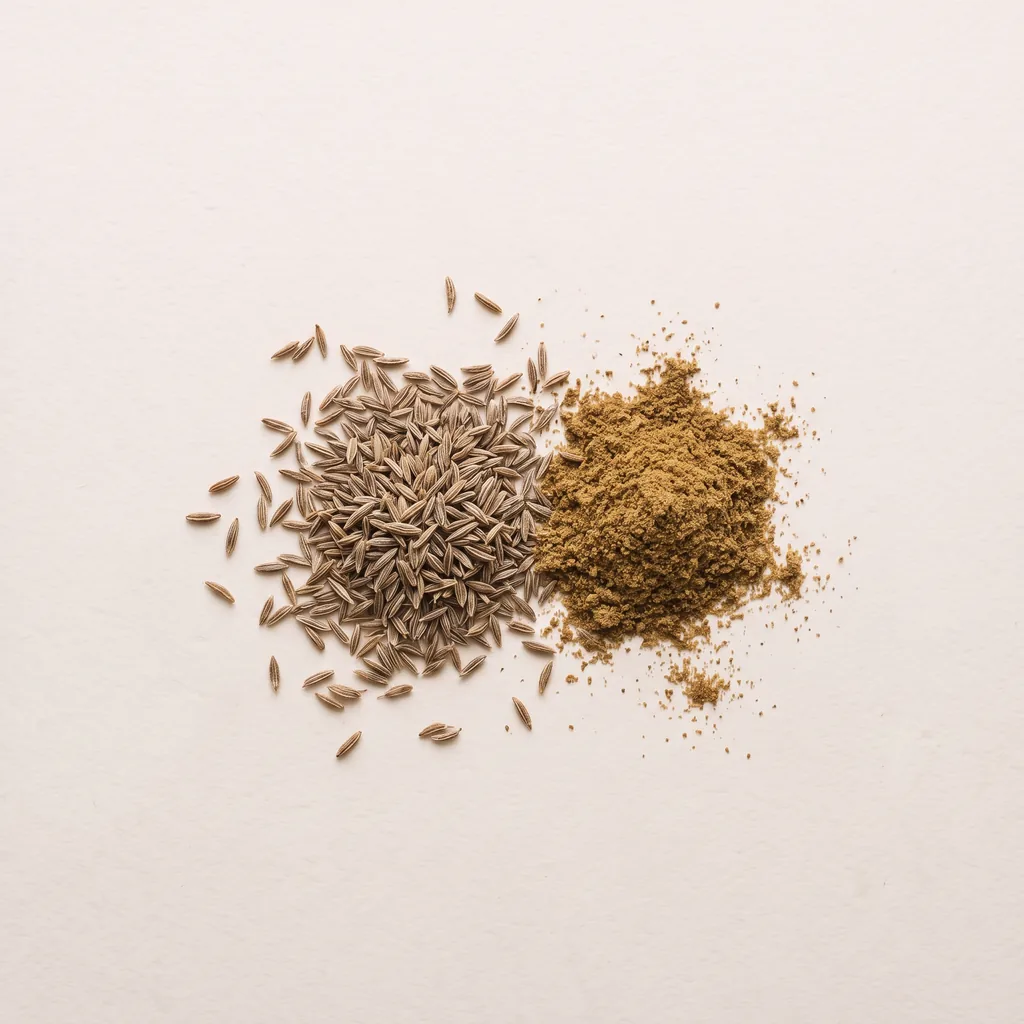
Stir a little ground coriander into purées, mashed vegetables or meat strips cut for your baby's age. If you flavor a soup, porridge or stew with whole seeds, pick the seeds out of your baby's portion before serving.
Dietitian's view
Give coriander seed ground.
Lokmini is not a healthcare provider and does not offer health services. For your baby's specific needs, talk to your doctor or a dietitian.
Coriander seed can go into your baby's food when your baby is ready for solids, around 6 months.
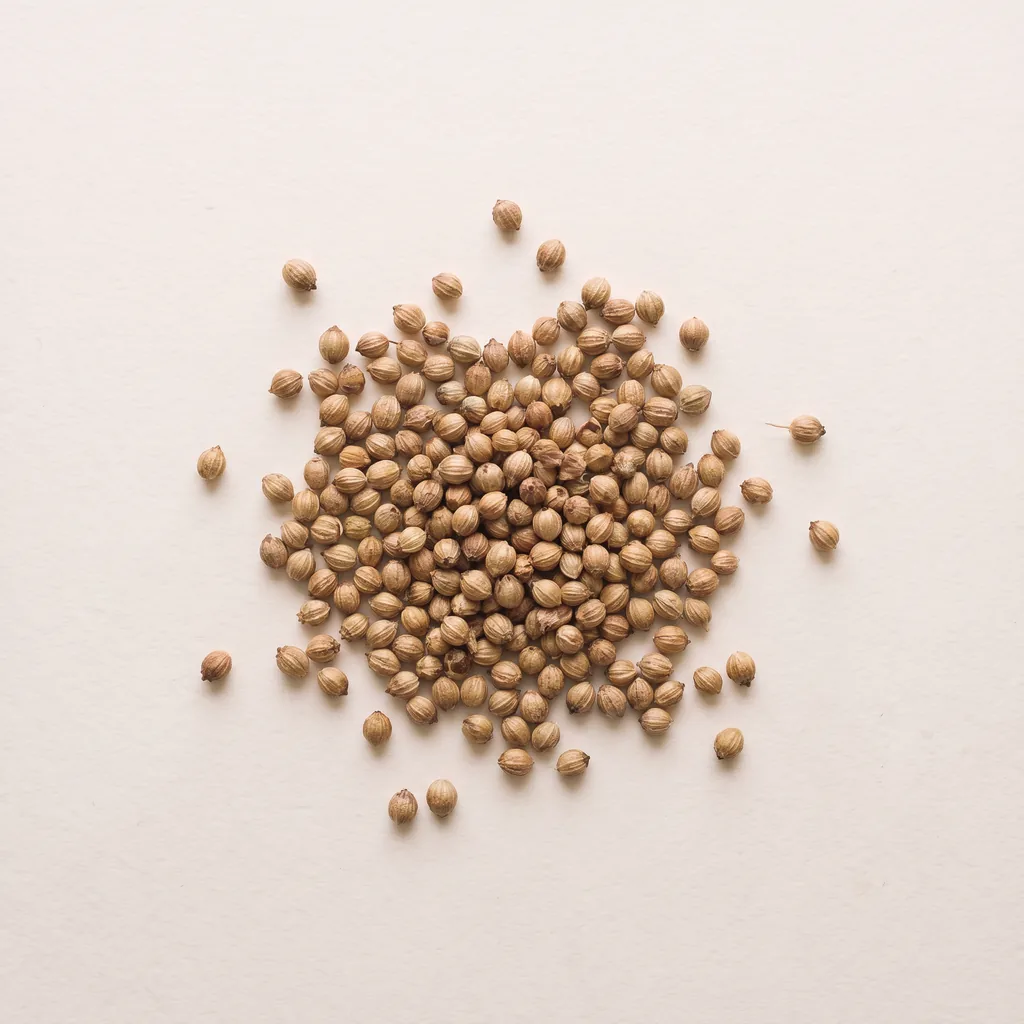
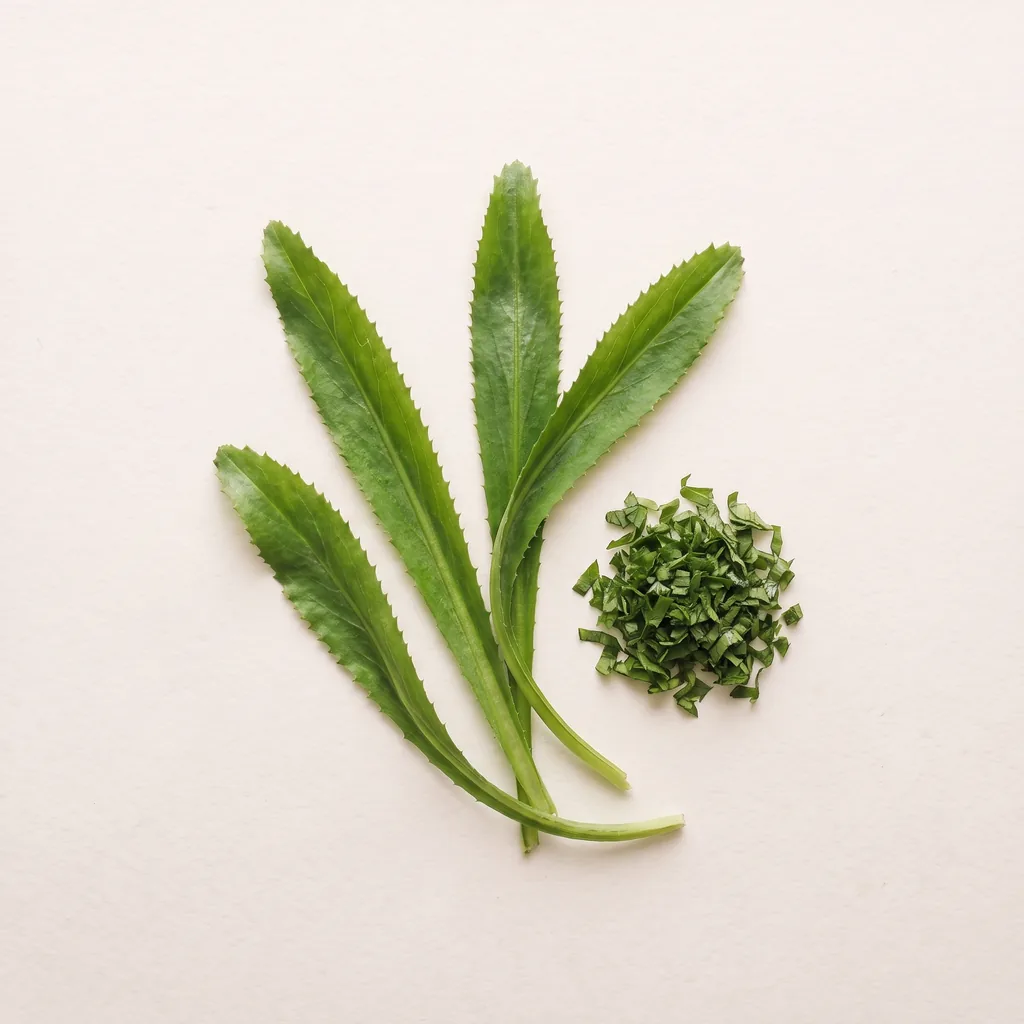
Coriander seed comes from the cilantro plant, which is native to the Mediterranean region and Southwest Asia. Cooks use it in spice mixes, curries, soups and baking. In South Asian, South American and European cooking, it adds warmth, citrus notes and depth.
Cilantro is the name for the leaves and stems of this plant, while coriander seed is its dried fruit. The two taste very different.
In cooking amounts, coriander seed adds little nutrition. It holds small amounts of vitamins, minerals and fiber.
Avoid coriander seed oil. Its safety for babies has not been studied enough.
Also known as: kişniş, toz kişniş, öğütülmüş kişniş, bütün kişniş tohumu, coriander
6 monthsMash
Cut: Ground
Stir a little ground coriander into purées, mashed vegetables or meat strips cut for your baby's age. If you flavor a soup, porridge or stew with whole seeds, pick the seeds out of your baby's portion before serving.
12 monthsCube
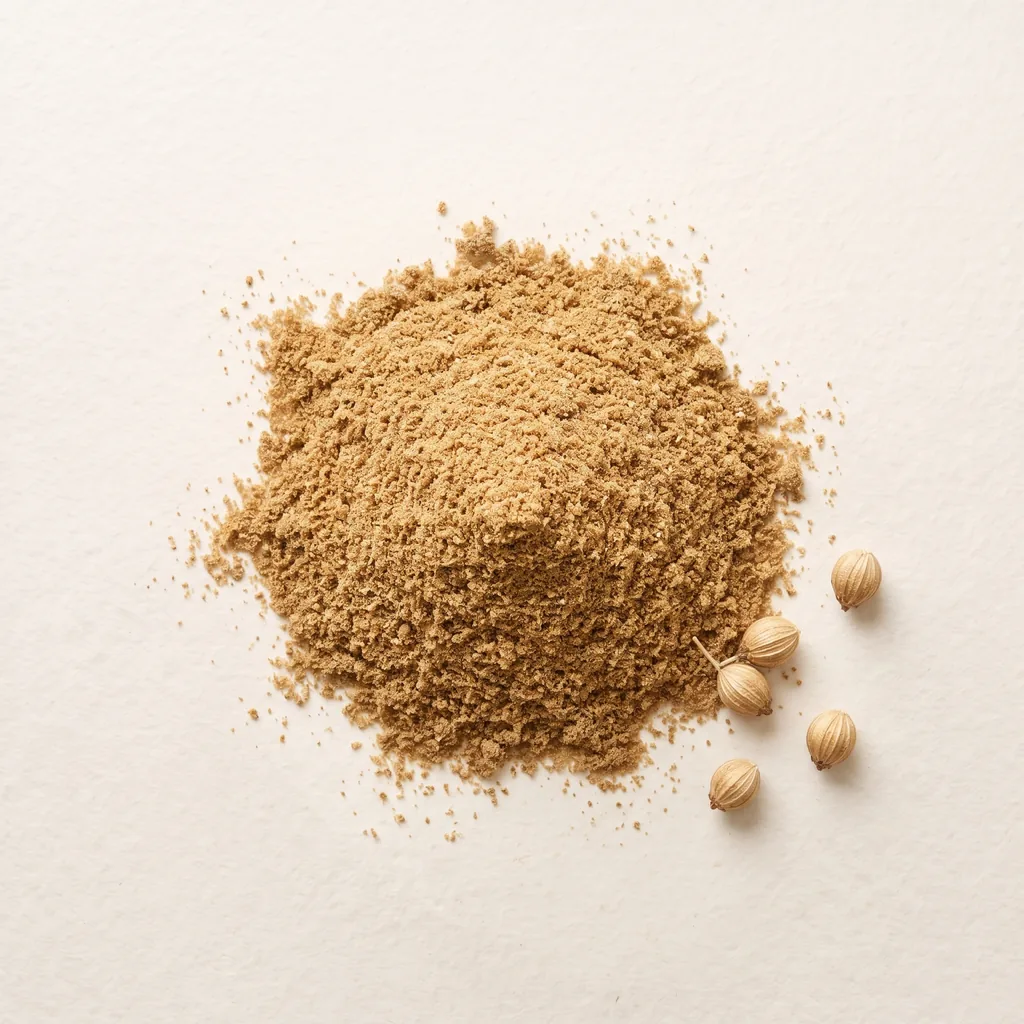
Use ground coriander or whole seeds cooked until soft in your child's meals. You can add it to sauces and baked goods. Be careful with dishes that hold whole seeds. They should be cooked until soft or taken out before serving.
Ground coriander and very small amounts of seed are low risk. In theory, any food can cause choking. Whole seeds are small and hard. Take them out of your baby's portion. Prepare food for your child's age and stay close at meals.
Take out the seeds
Make sure no seeds remain in your baby's portion of a dish cooked with whole seeds. After 12 months, serve seeds only if cooked until soft.
Coriander seed is not a common allergen. Allergy to it is rare but has been reported. Some coriander spice mixes may hold common allergens. If your child has a food allergy, read labels closely.
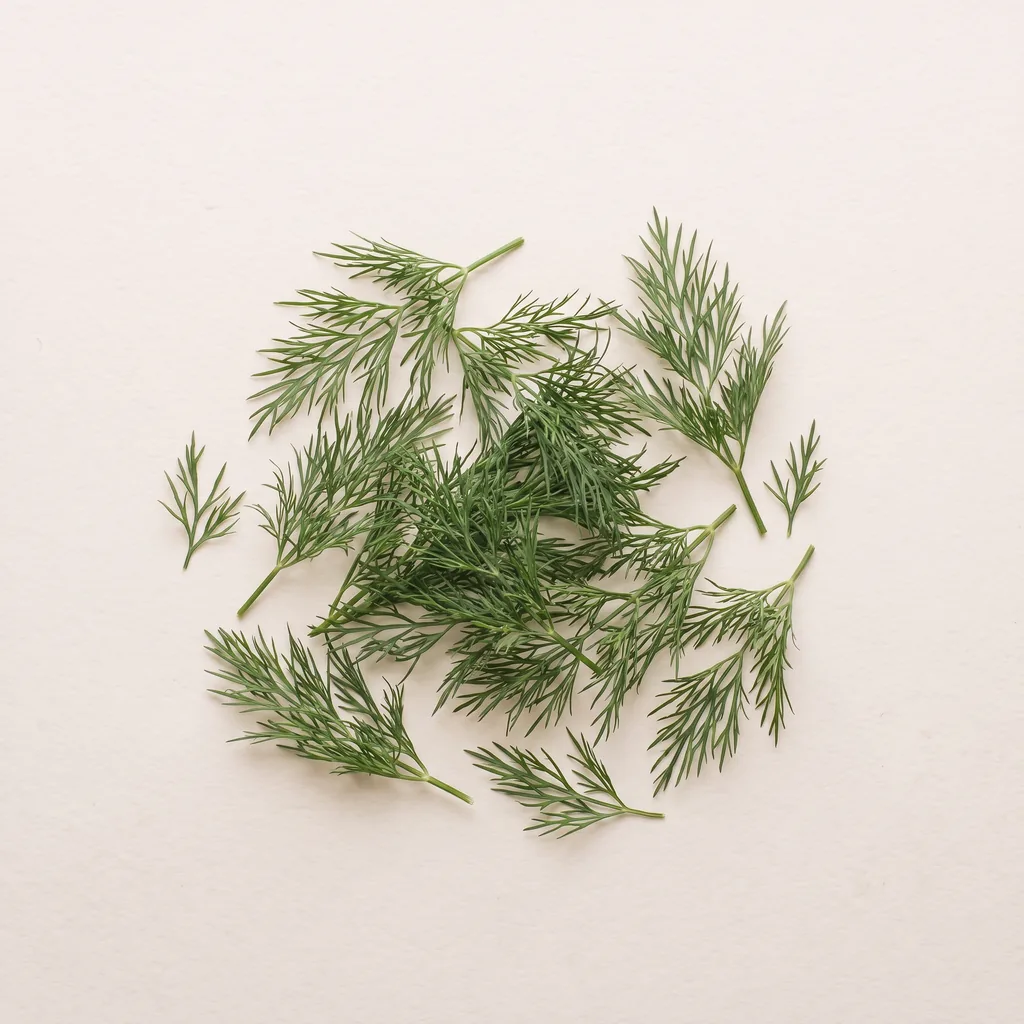
People with pollen food allergy syndrome may react to coriander. This is most likely with birch or mugwort pollen allergy, or sensitivity to foods in the parsley family (Apiaceae). Members of that family are fennel, dill, cumin, anise, celery and carrot, to name some. Cooking coriander can reduce the reaction.
Spices can also cause allergy-like reactions. Breathing in ground coriander can irritate the nose and set off sneezing and coughing. That may not be an allergy.
For the first try, offer a small amount and watch your baby's response.
Prepared by the Lokmini team | Last updated November 17, 2026
Join Lokmini to learn how this food is served at each age and to keep track of every food your baby tries.
Lokmini builds a day-by-day plan for your baby's age. Leave your email for new guides and our newsletter.
Start Your Journey