Skip to content

Uzm. Dyt. Berk AysanPrepared the latest update, November 14, 2026

Lokmini is not a healthcare provider and does not offer health services. For your baby's specific needs, talk to your doctor or a dietitian.

  • Vegetables
  • 6 mo+
  • Low choking risk

Collard greens for babies: when to start

Collard greens (Brassica oleracea var. viridis) can start when your baby is ready for solids, around 6 months. At first, cook the leaves until fully soft, remove the tough stems, and serve them finely chopped or pureed.

  • Fiber
  • Calcium
  • Folate
  • Magnesium
  • Potassium
  • Vitamin K
Collard greens prepared for a baby

About collard greens

Collard greens belong to the same cruciferous (Brassicaceae) family as broccoli, cabbage and cauliflower. They are known for their broad, dark green leaves and are a cabbage variety that does not form a head.

They come from wild cabbage species around the Mediterranean and in Europe. Today they are grown and eaten in many parts of Africa, Europe, the Americas and Asia.

Different cuisines have similar leafy cabbages known by names such as collard greens, couve and sukuma wiki. They are usually boiled, sauteed or added to soups and vegetable dishes. In some cuisines the broad leaves are also used raw as wraps.

Nutrition

Collard greens are high in water and a good source of fiber. They are especially rich in vitamin K, carotenoids that the body turns into vitamin A, and vitamin C. They also contain calcium, folate, vitamin E, vitamin B6, magnesium and potassium.

Collard greens also contain carotenoids such as lutein and zeaxanthin, plus glucosinolates, which are typical of cruciferous vegetables. Researchers are studying various biological effects of these plant compounds. But it has not been shown that they directly improve gut microbiota or brain development in babies.

On its own, collard greens should not be seen as a food that brings a specific health effect.

Collards are closely related to the vegetable known in Türkiye as karalahana (black cabbage), but they are not exactly the same as every black cabbage variety. Leaf shape, texture and some nutrients can differ by variety.

Also known as: collard, collard yeşilliği, karalahana, kara lahana, couve, sukuma wiki, haakh

  • Gluten-free
  • Vegan

How to prepare it by age

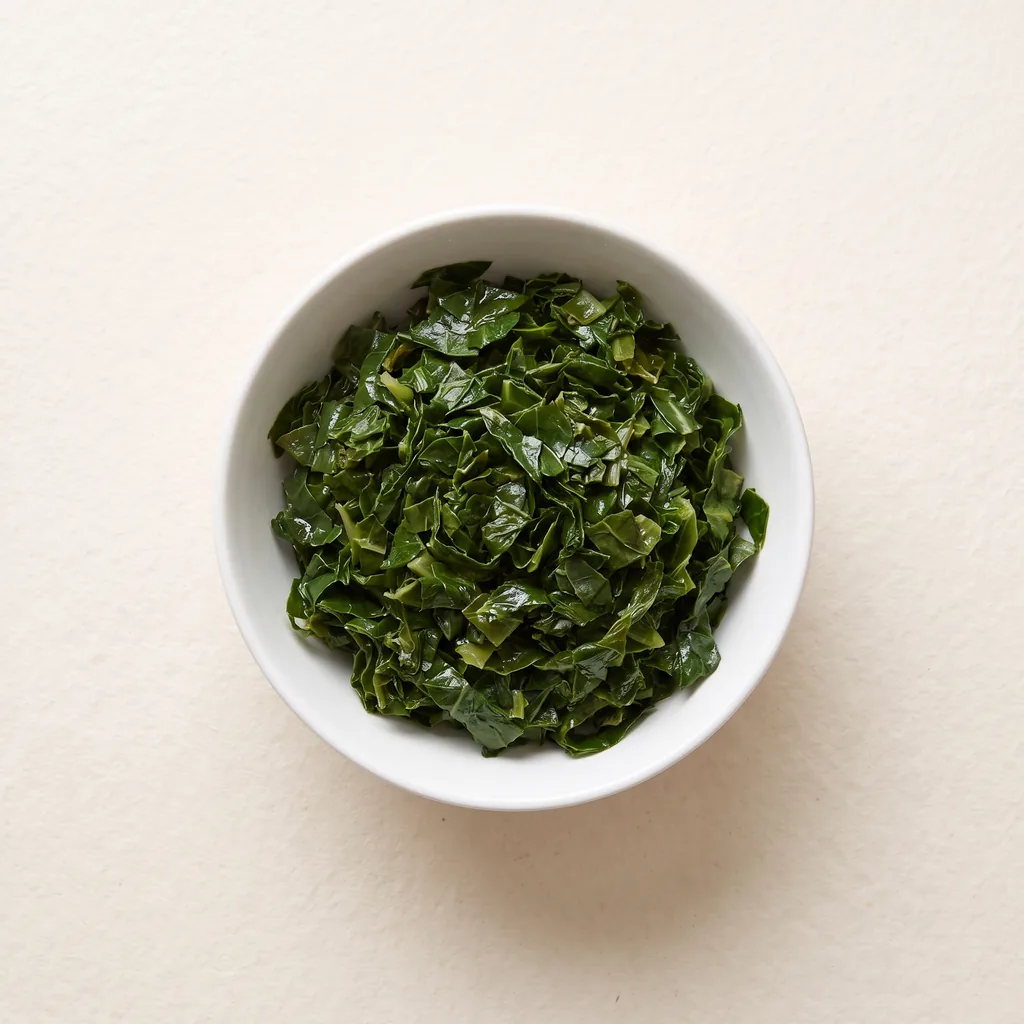
6 monthsMash

Collard greens prepared for 6 months

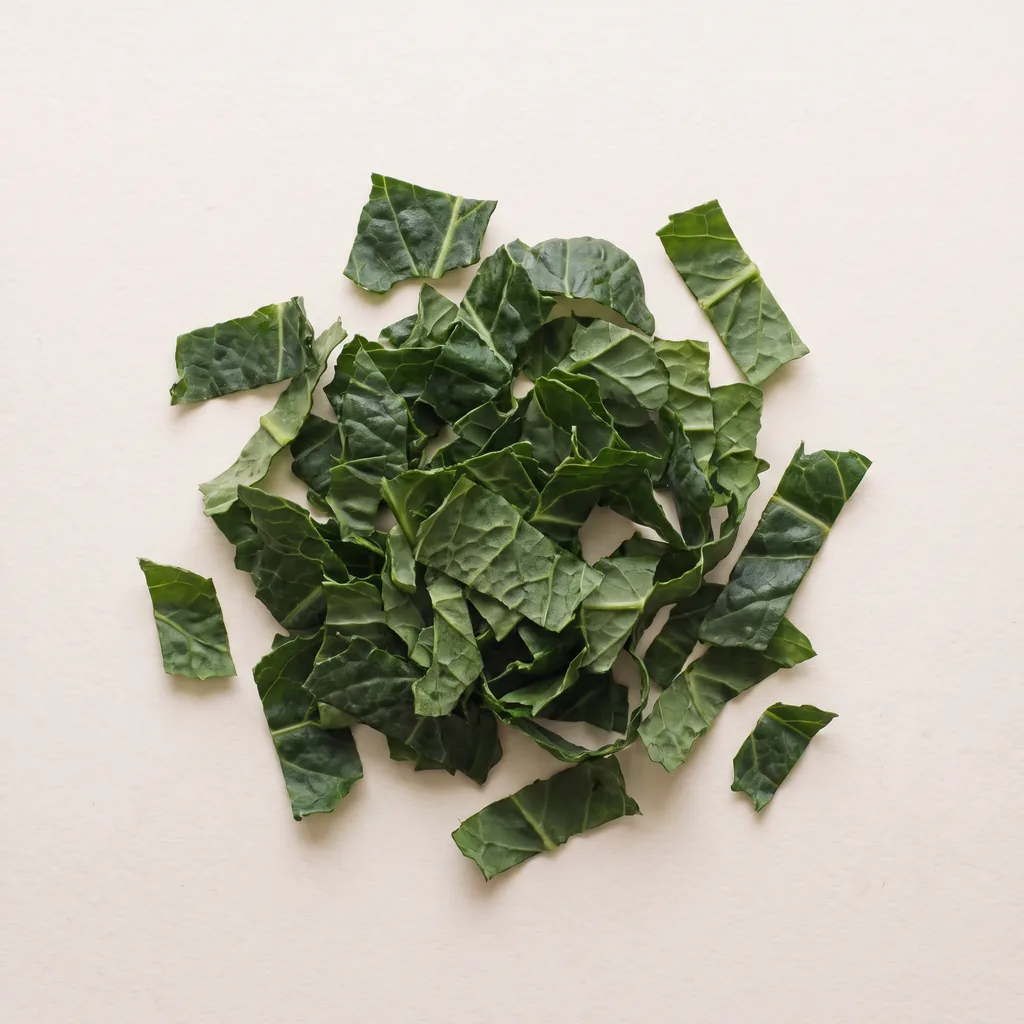
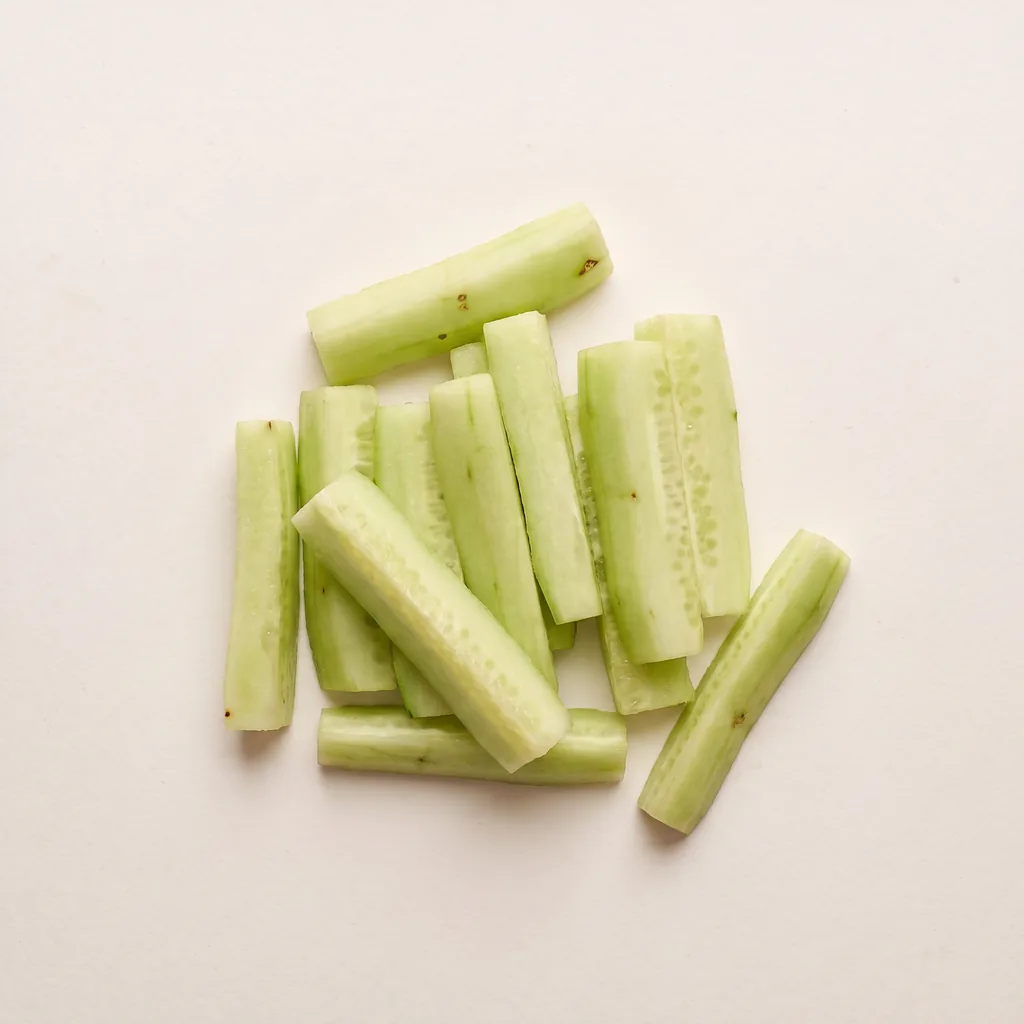
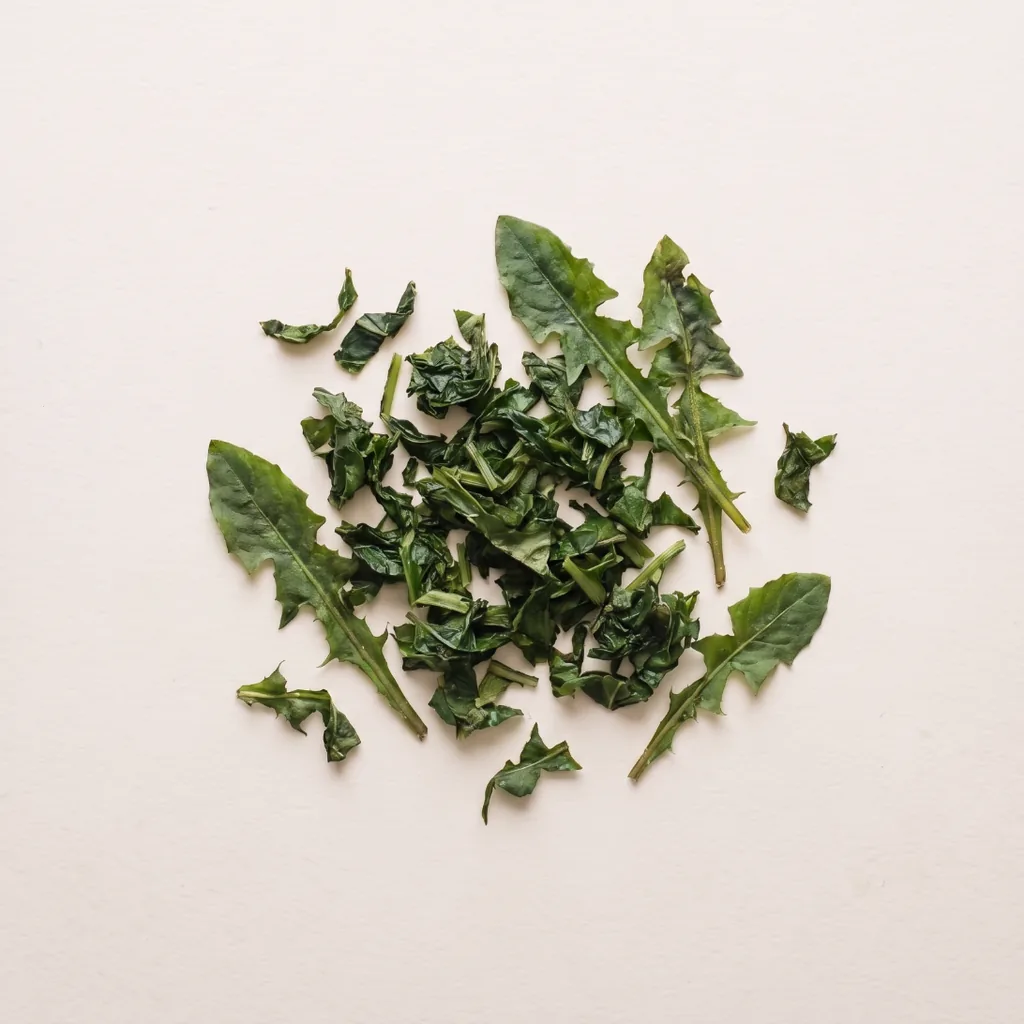
Cut: Finely chopped

Cook the leaves until very soft. Remove the stems and chop very fine. Stir into a soft food such as mashed potato, oat porridge or polenta. You can also fold it into egg strips or meat patties. Small pieces served alone can stick to the tongue and cause gagging.
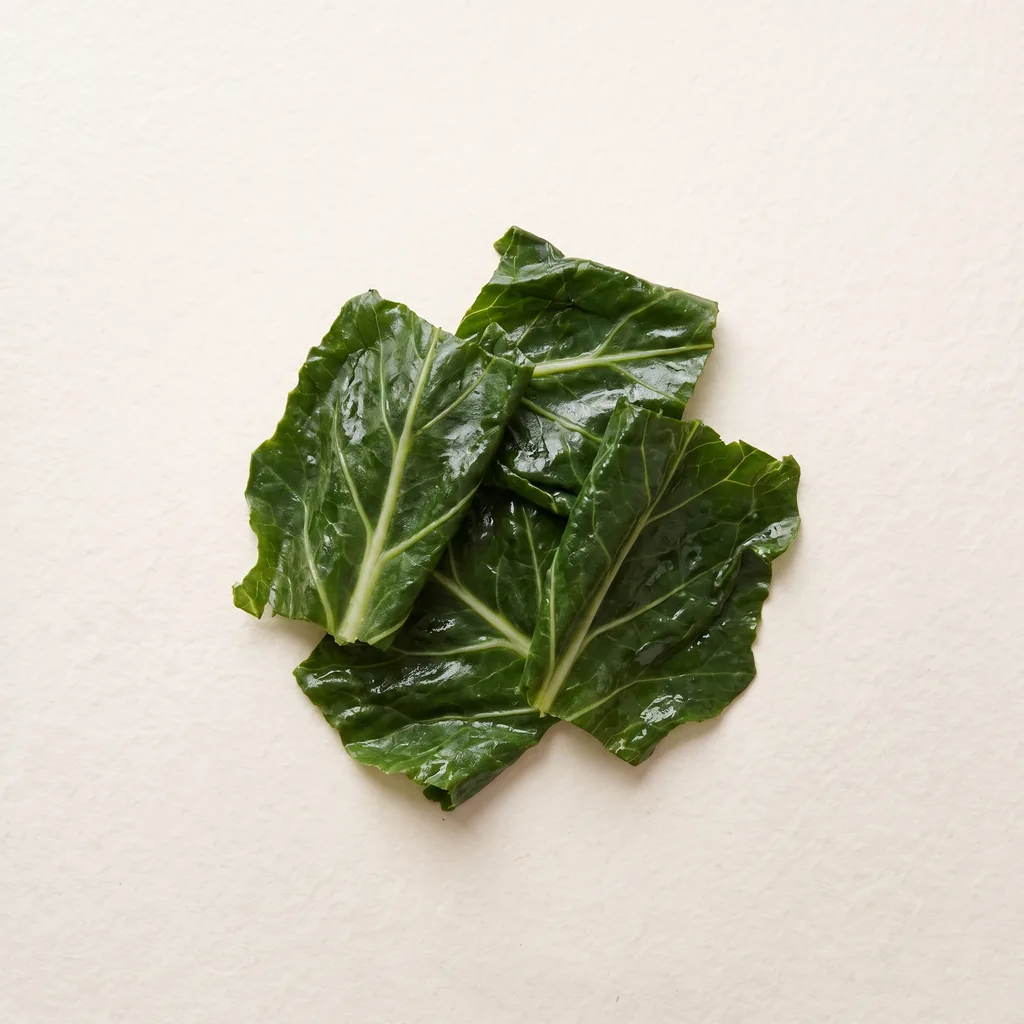
9 monthsStrip

Cut: Finely chopped

Shred cooked or raw leaves into thin strands. Encourage your baby to pick up the strands with the fingers. Raw leaves are a bit harder to chew, but the texture builds eating skills. Spitting out is normal. Keep stirring finely chopped cooked leaves into meals too.

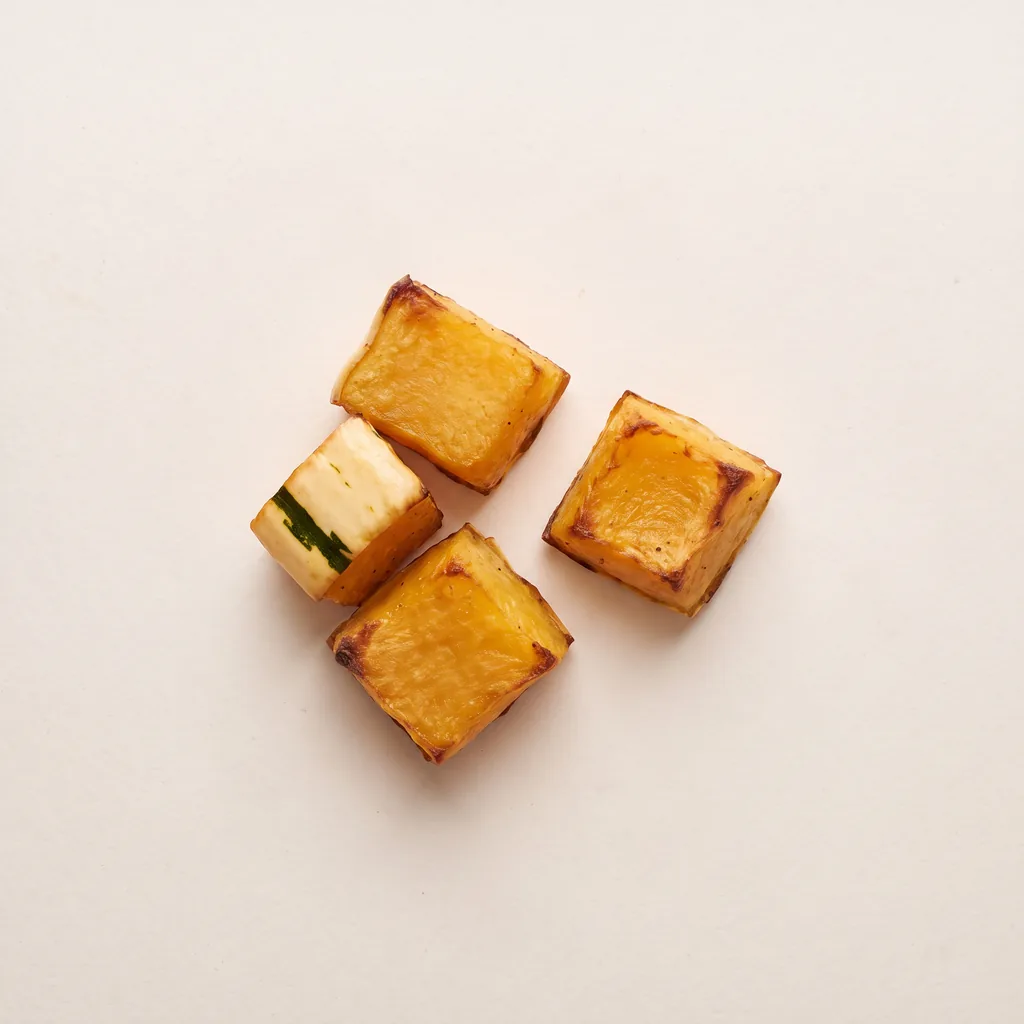
12 monthsCube

Collard greens prepared for 12 months

Leaves can go on the plate cooked or raw, as small chopped bits, thin shreds or bigger pieces. Some spitting continues. More gets swallowed as molars come in. Pre-load a spoon or fork and rest it next to the food so your child can pick it up.

Choking risk

  1. Low
  2. Medium
  3. High

Collard greens carry a low choking risk when prepared properly. But thin, flexible bits of leaf can stick to your baby's tongue or palate and cause gagging or coughing.

When your baby is starting solids, cook the leaves until fully soft, remove the tough stems, chop finely and mix into a puree or other soft foods. Do not offer large, tough, fibrous pieces of leaf whole.

Make sure your baby sits upright while eating. Stay beside your baby, within arm's reach, for the whole meal.

Allergen information

Collard greens are not a common food allergen. But allergic reactions to some vegetables in the same cruciferous (Brassicaceae) family have been reported.

People allergic to cruciferous foods such as mustard, broccoli or cabbage may cross-react to similar proteins. Still, being in the same plant family does not mean an allergy will always develop.

Some pollen allergies can cross-react with plant foods. Pollen food allergy syndrome can cause itching, tingling and mild swelling in the mouth or throat. But direct clinical evidence on the role of collard greens in cross-allergies, especially those linked to mugwort pollen, is limited.

When you offer collard greens for the first time, start with a small amount and watch for possible allergy signs. If you suspect a reaction, stop offering it and talk to your doctor or a dietitian. For serious signs such as trouble breathing or swelling of the tongue or throat, call emergency services right away.

Frequently asked questions

What age can babies eat collard greens?

Collard greens (Brassica oleracea var. viridis) can start when your baby is ready for solids, around 6 months. At first, cook the leaves until fully soft, remove the tough stems, and serve them finely chopped or pureed.

Is collard greens a common allergen?

Collard greens are not a common food allergen. But allergic reactions to some vegetables in the same cruciferous (Brassicaceae) family have been reported.

How do you prepare collard greens for babies?

For a 6-month-old: Cook the leaves until very soft. Remove the stems and chop very fine. Stir into a soft food such as mashed potato, oat porridge or polenta. You can also fold it into egg strips or meat patties. Small pieces served alone can stick to the tongue and cause gagging.
Is collard greens a choking hazard for babies?

Collard greens carry a low choking risk when prepared properly. But thin, flexible bits of leaf can stick to your baby's tongue or palate and cause gagging or coughing.

What can I use instead of collards?

In Türkiye, one of the closest alternatives is black cabbage (karalahana). Kale and other leafy cabbages can also be used. These vegetables are not exactly the same, but you can prepare them in a similar way. Remove the tough stems, cook well, chop finely and add to your baby's meals.

Can babies eat raw collards?

Raw collard leaves are tough and fibrous, so they are not recommended, especially when your baby is just starting solids. Once your baby's chewing skills are well developed, you can try very finely chopped raw leaves. Still, there is no set age from which raw leaves count as safe. Cooking the leaves until soft makes them easier to eat.

Do the nitrates in collards harm babies?

Collards can naturally contain nitrates. High nitrite exposure can affect the blood's ability to carry oxygen, especially in young babies. But from around 6 months, offering them in suitable amounts as part of a varied diet is usually not a cause for concern. Avoid giving a single leafy vegetable all the time and in large amounts. Store prepared dishes properly.

Do collard greens cause gas in babies?

Yes, it can cause gas and bloating in some babies. Collard greens contain fiber and some carbohydrates that can ferment in the gut. Still, not every baby is expected to get gassy. You can start with small amounts and watch how your baby tolerates them. Gas on its own is not a sign of allergy. If digestive complaints are severe or keep going, talk to your doctor.
Share:WhatsApp

Want to add this food to your baby's solid food calendar?

Join Lokmini to learn how this food is served at each age and to keep track of every food your baby tries.

Join Lokmini

Starting Solids

When and how to start solids, and what happens in the first week?

Read the guide

Similar foods

Let's get ready for the first bite together

Lokmini builds a day-by-day plan for your baby's age. Leave your email for new guides and our newsletter.

Start Your Journey