Skip to content
  • Fruits
  • 6 mo+
  • Medium choking risk

Clementine for babies: when to start

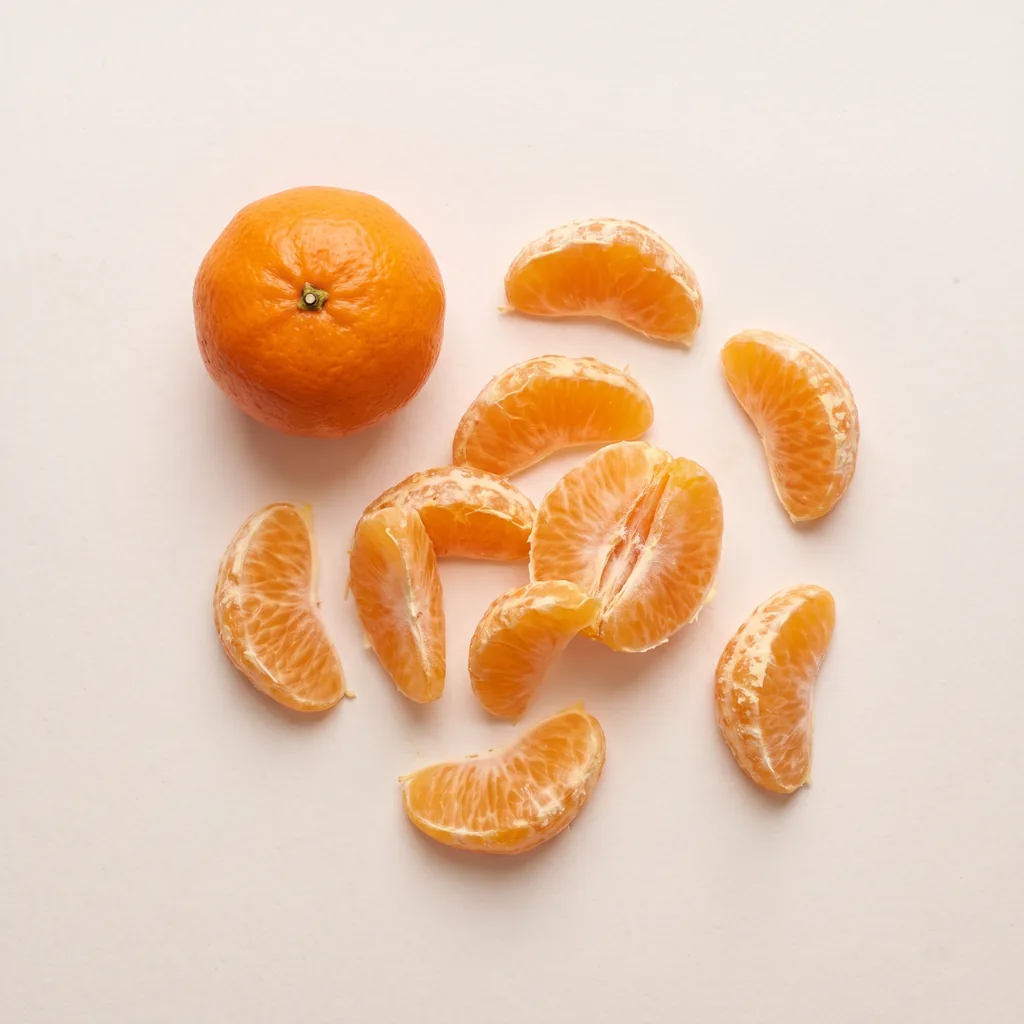
Clementines can start when your baby is ready for solids, around 6 months. They are a small fruit with a bright orange rind. The flesh is sweet and juicy, and less acidic than an orange.

  • Vitamin C
  • Vitamin A
  • Vitamin B6
  • Folate
  • Potassium
  • Fiber
Clementine prepared for a baby

About clementine

A clementine is a cross between a mandarin and a sweet orange. People disagree on whether the cross began in Algeria or China. Today it grows in groves in sunny regions around the world.

Nutrition

Clementines give carbohydrates, fiber and water. They contain vitamins A, B6 and C, potassium, folate and antioxidants such as flavonoids.

Also known as: clementine, klemantin, kleopatra mandalinası, çekirdeksiz mandalina, narenciye

  • Gluten-free
  • Vegan

How to prepare it by age

6 monthsMash

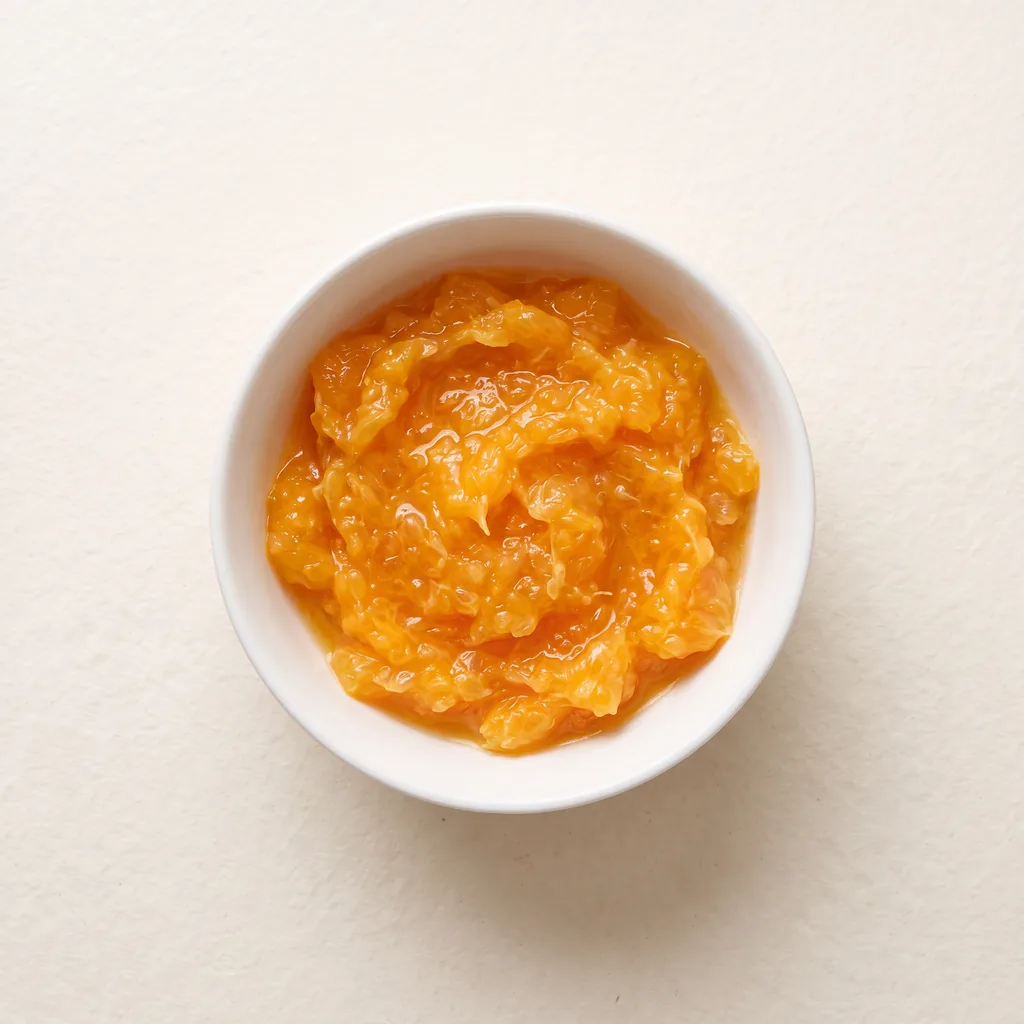
Clementine prepared for 6 months

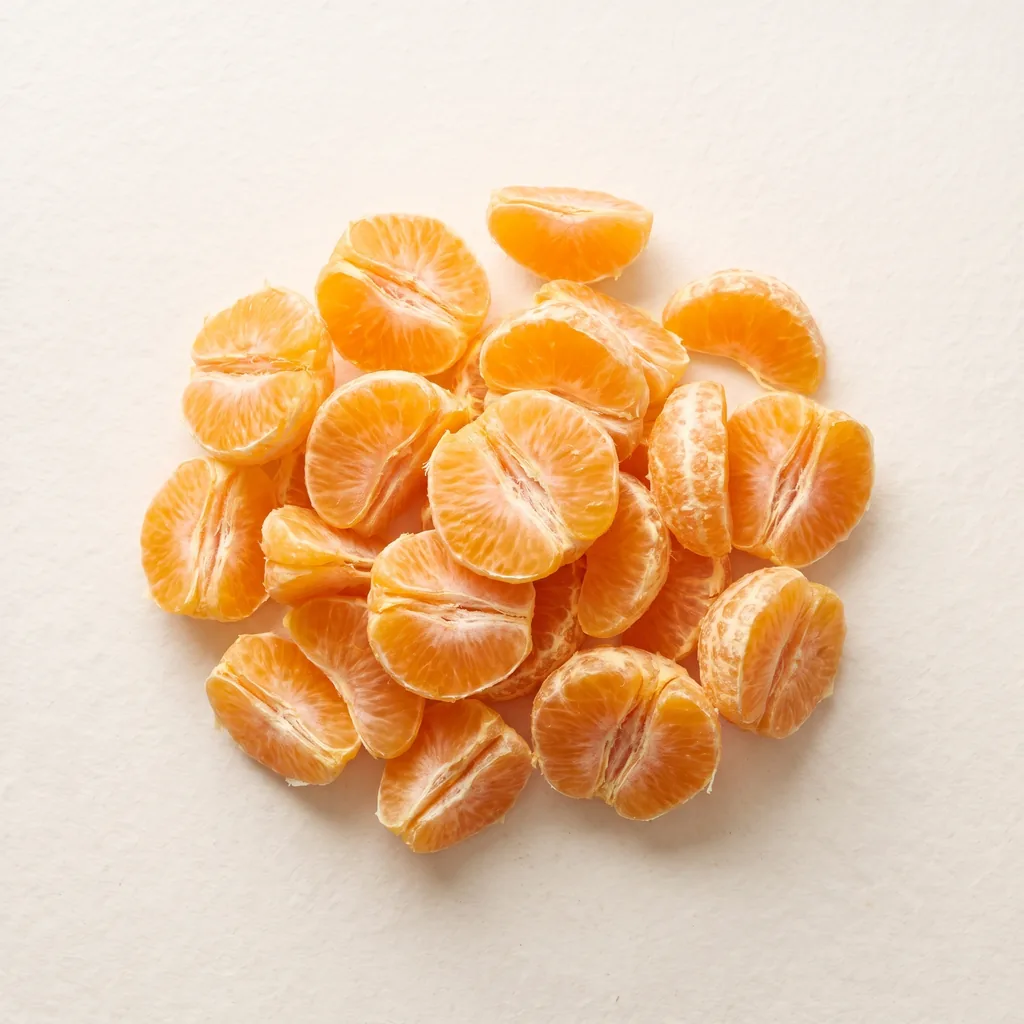
Cut: Fork mashed

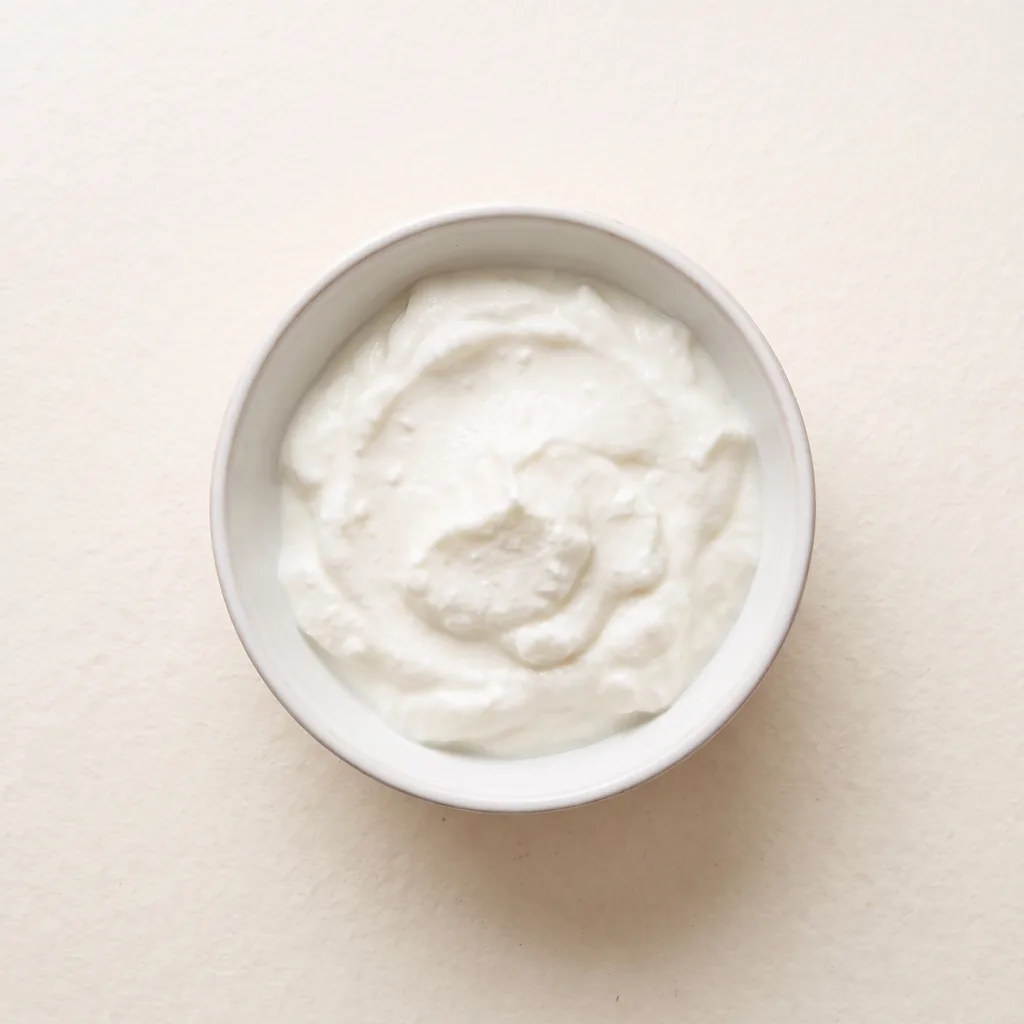
Peel the clementine and take the membrane off each segment. Pick out any seeds. Mash the flesh with a fork. Spooning it over yogurt or a similar food makes it easier to eat. Do not serve segments with the membrane left on.
9 monthsCube

Clementine prepared for 9 months

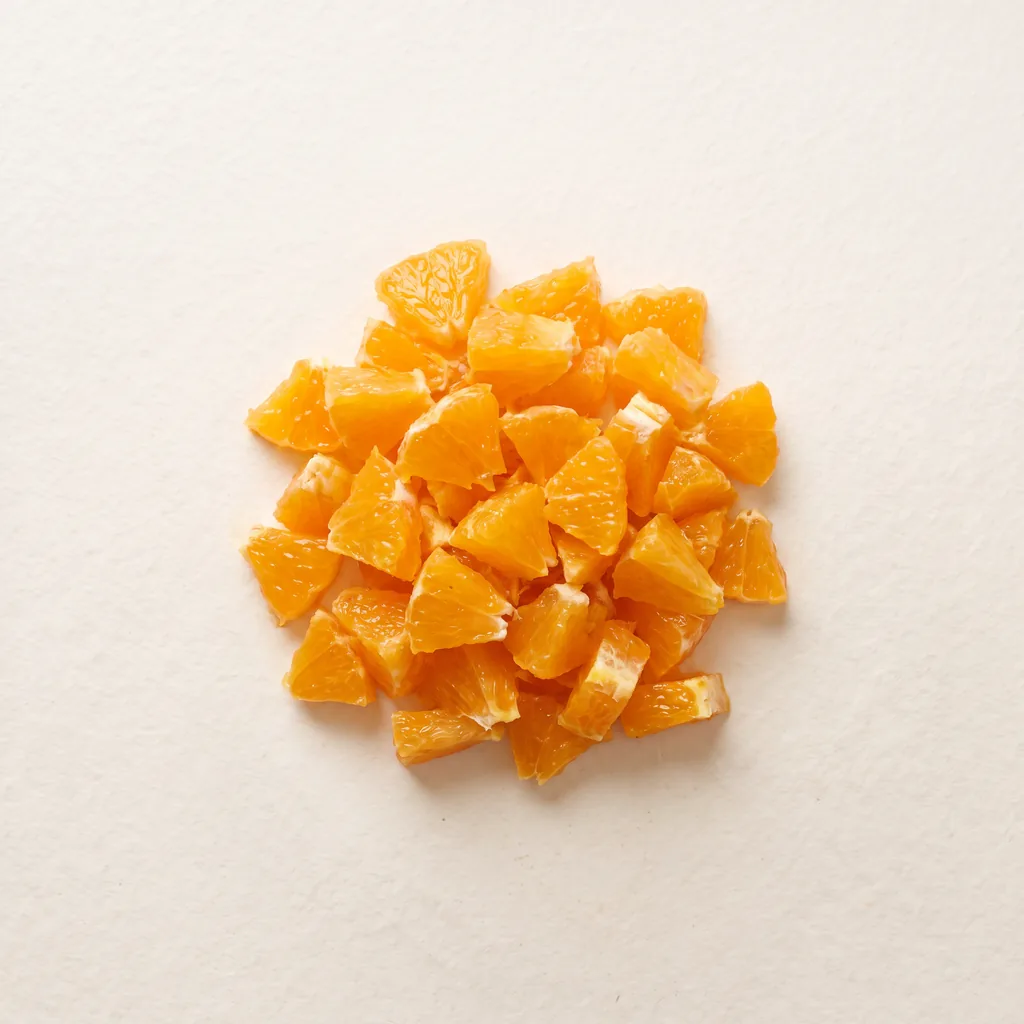
Cut: Bite sized piece

Slice off the top of the clementine. Lift each segment out of its membrane pocket and cut it into bite-sized pieces. When in doubt, always take the fruit out of the membrane.

12 monthsCube

Clementine prepared for 12 months

Cut: Halved

Once you trust your child's chewing and swallowing, offer membrane-on segments cut in half. If your child chews them well, move to whole segments and show how to take bites. You can keep offering membrane-free bites too. Around age 2, your child can try peeling a clementine alone. It is a good fine motor exercise.

Choking risk

  1. Low
  2. Medium
  3. High

Clementine is a choking risk. Segments in the membrane have small, tapered ends. The texture is mixed and slippery. Prepare it for your child's age and sit close at meals.

Cutting rule

At 6 months, mash. At 9 months, cut membrane-free segments small. Membrane-on segments need good chewing skills, often after 18 months. Cut them in half first.

Allergen information

Clementine is not a common allergen. Still, some people report sensitivity to citrus. People with pollen food allergy syndrome may react to clementines. This is more likely with grass and some tree pollen sensitivity. The result is brief itching in the mouth. A dangerous reaction is not expected.

In some people, orange proteins can cause a serious reaction. The main allergens seem to sit in the seed. Rarely, chewing seeds can trigger a reaction. This is another reason to pick out the seeds.

Citrus may worsen eczema. The acid can leave a harmless red patch around the mouth. It usually fades quickly.

For the first try, offer a small amount and watch your baby's response.

Frequently asked questions

What age can babies eat clementine?

Clementines can start when your baby is ready for solids, around 6 months. They are a small fruit with a bright orange rind. The flesh is sweet and juicy, and less acidic than an orange.

Is clementine a common allergen?

Clementine is not a common allergen. Still, some people report sensitivity to citrus. People with pollen food allergy syndrome may react to clementines. This is more likely with grass and some tree pollen sensitivity. The result is brief itching in the mouth. A dangerous reaction is not expected.

How do you prepare clementine for babies?

For a 6-month-old: Peel the clementine and take the membrane off each segment. Pick out any seeds. Mash the flesh with a fork. Spooning it over yogurt or a similar food makes it easier to eat. Do not serve segments with the membrane left on.
Is clementine a choking hazard for babies?

Clementine is a choking risk. Segments in the membrane have small, tapered ends. The texture is mixed and slippery. Prepare it for your child's age and sit close at meals.

Can babies drink clementine juice?

A small amount is fine after 12 months. Regular juice can raise the risk of cavities and lower appetite. The whole fruit is the better choice.

Do I have to remove the membrane?

For young babies, yes. The membrane is slippery and hard to chew. When your child chews well, you can start with halved membrane-on segments.

Can clementine cause a rash around the mouth?

It can. The citrus acid may leave a harmless red patch around the mouth, and it fades fast. A thin layer of barrier ointment before the meal may help.

Prepared by the Lokmini team | Last updated November 17, 2026

Share:WhatsApp

Want to add this food to your baby's solid food calendar?

Join Lokmini to learn how this food is served at each age and to keep track of every food your baby tries.

Join Lokmini

Starting Solids

When and how to start solids, and what happens in the first week?

Read the guide

Similar foods

Let's get ready for the first bite together

Lokmini builds a day-by-day plan for your baby's age. Leave your email for new guides and our newsletter.

Start Your Journey