Dietitian's view
Chili pepper is not a necessary food in infant feeding. It can irritate and your baby may not tolerate it.
Lokmini is not a healthcare provider and does not offer health services. For your baby's specific needs, talk to your doctor or a dietitian.
- Vegetables
- 6 mo+
- Low choking risk
Chili pepper for babies: when to start
Chili pepper can be offered when your baby is ready for solids, around 6 months. You may still prefer to wait until your baby has tried a range of other foods. Chili is added to dishes, so a baby may be unsure which foods are naturally spicy. Chili can cause a harmless rash where it touches skin. It can also bring on or aggravate diaper rash and stomach upset.
- Vitamin C
- Fiber
- Vitamin A
- Vitamin B6
- Vitamin E
- Antioxidants
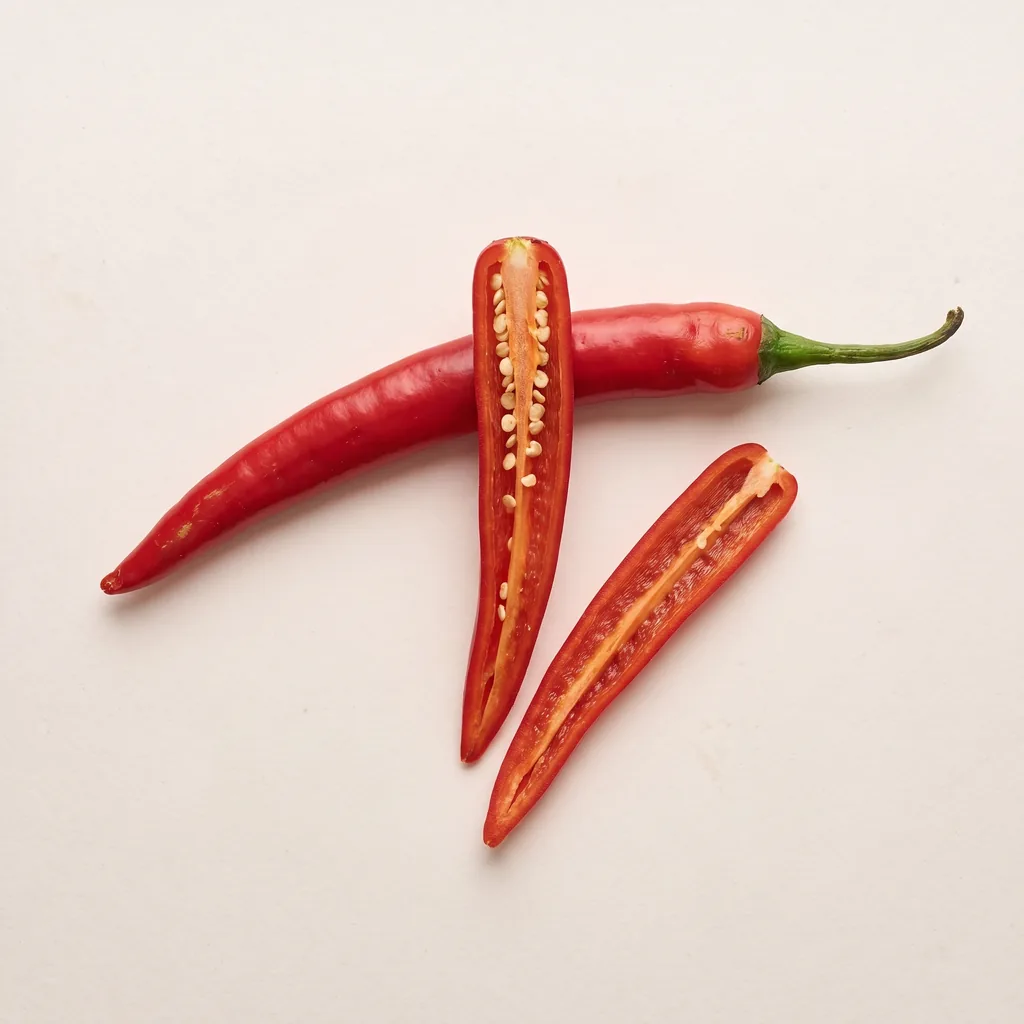
About chili pepper
Where it comes from
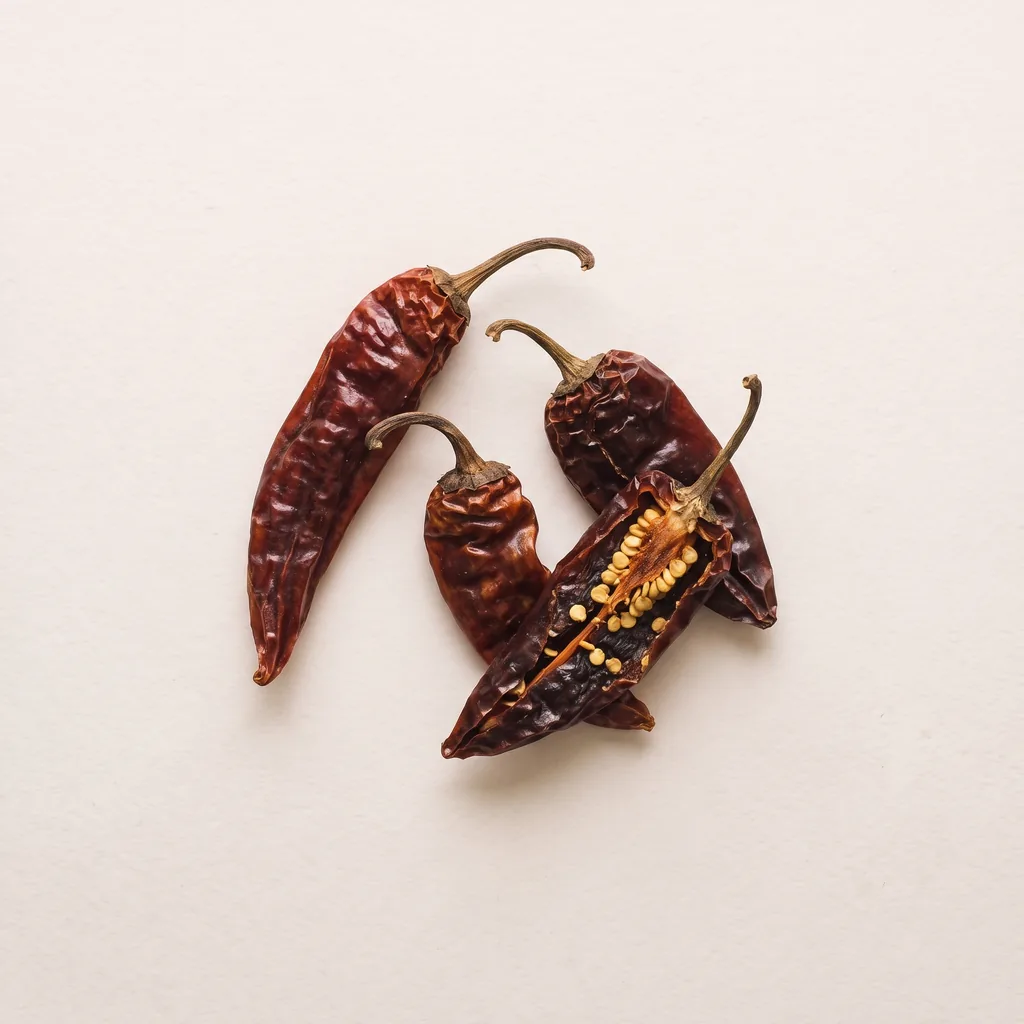
There are over 50,000 pepper varieties. All are native to the Americas. They were bred for different climates, so their tastes differ. Heat varies a lot too. Some cultures measure it in Scoville units. Anaheim, banana peppers and poblanos are milder. Bird's eye, ghost pepper and piri piri are much hotter.
Nutrition
Depending on the variety, chili gives vitamin C, which contributes to the normal function of the immune system. Antioxidants and fiber come with it, plus vitamins A, B6 and E. Even dried chili powder carries some vitamin A and C.
Also known as: acı biber, chili, çili biberi, kırmızı acı biber, jalapeño, pul biber
- Gluten-free
- Vegan
How to prepare it by age
Age-by-age prep is in the Lokmini app
See how to cut, texture and serve chili pepper at 6, 9 and 12 months in the app.
Join LokminiChoking risk
- Low
- Medium
- High
No, finely chopped chili is not a common choking hazard. Its heat can make a baby cough and drool more, which can increase gagging. Serve your baby's portion with avocado, plain yogurt or age-appropriate milk. Stay within arm's reach at meals.
Allergen information
No, it is not a common allergen. Chili allergy is rare but has been reported. Contact reactions to hot peppers, such as a brief rash, eye irritation, trouble breathing and digestive upset, are often mistaken for allergy. They come from capsaicin irritating sensitive people and are usually not a true allergy.
An allergy to latex or to certain pollens can go along with chili allergy or oral allergy syndrome. That usually means a brief itchy, tingly or stinging feeling in the mouth, and a dangerous reaction is unlikely. Cooking, canning or peeling may reduce the reaction.
Give a small amount for the first servings and watch. If your child likes the taste, you can raise the amount over time.
Frequently asked questions
What age can babies eat chili pepper?
Is chili pepper a common allergen?
Is chili pepper a choking hazard for babies?
Is chili harmful to babies?
Can babies have hot sauce?
Does chili help babies poop?
Sources
- World Health Organization (WHO), Guideline for complementary feeding of infants and young children 6-23 months of age (2023)
- National Health Service (NHS), Preparing food safely for babies
- CDC, Infant and Toddler Nutrition, Choking Hazards
- Molecules, Fattori V, et al. Capsaicin: current understanding of its mechanisms and therapy of pain and other pre-clinical and clinical uses (Molecules) (2016)
- Journal of Investigational Allergology and Clinical Immunology, Bell Pepper Allergy: Different Sensitization Profiles (2018)
Prepared by the Lokmini team | Last updated November 17, 2026
Want to add this food to your baby's solid food calendar?
Join Lokmini to learn how this food is served at each age and to keep track of every food your baby tries.