Skip to content

Dietitian's view

You can give chestnut as a puree.

Lokmini is not a healthcare provider and does not offer health services. For your baby's specific needs, talk to your doctor or a dietitian.

  • Nuts and seeds
  • 6 mo+
  • High choking risk

Chestnut for babies: when to start

Chestnut can be offered finely ground or as a thinned paste when your baby is ready for solids, around 6 months. Whole chestnuts, chopped pieces, candied chestnuts and clumps of paste raise choking risk. How you prepare it matters.

  • Carbohydrates
  • Fiber
  • Folate
  • Magnesium
  • Potassium
  • Zinc
Chestnut prepared for a baby

About chestnut

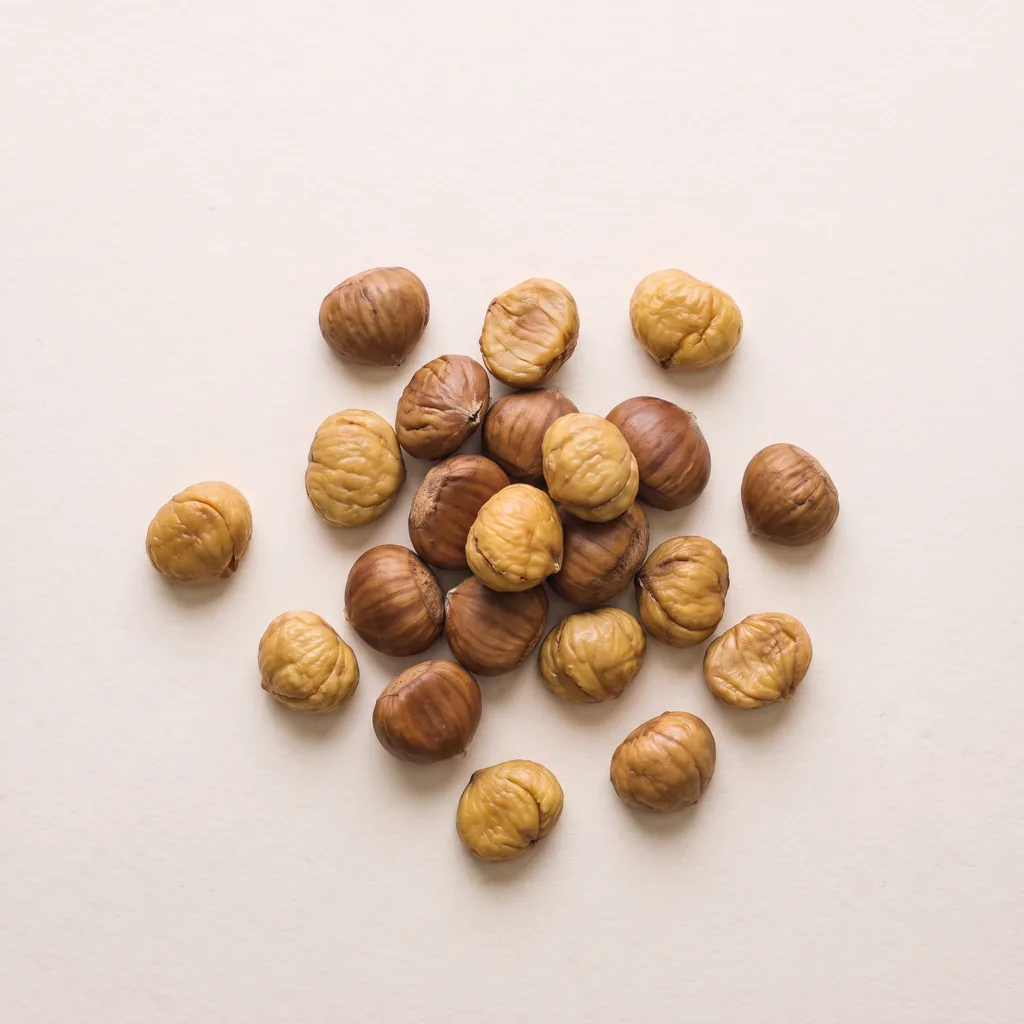
The Northern Hemisphere is home to chestnut trees. The fruit is a pale, dense seed inside a smooth brown shell.

Horse chestnut and water chestnut

Chestnut is unrelated to horse chestnut, which can be toxic. Water chestnut is a separate plant, an edible tuber.

Nutrition

Chestnut gives carbohydrates and fiber. Vitamins B6, C and K, plus zinc, potassium, magnesium and folate, are in there as well.

Also known as: kestane, kestane ezmesi, kestane unu, kaplan kestanesi

  • Gluten-free
  • Vegan

How to prepare it by age

6 monthsMash

Chestnut prepared for 6 months

Cut: Ground

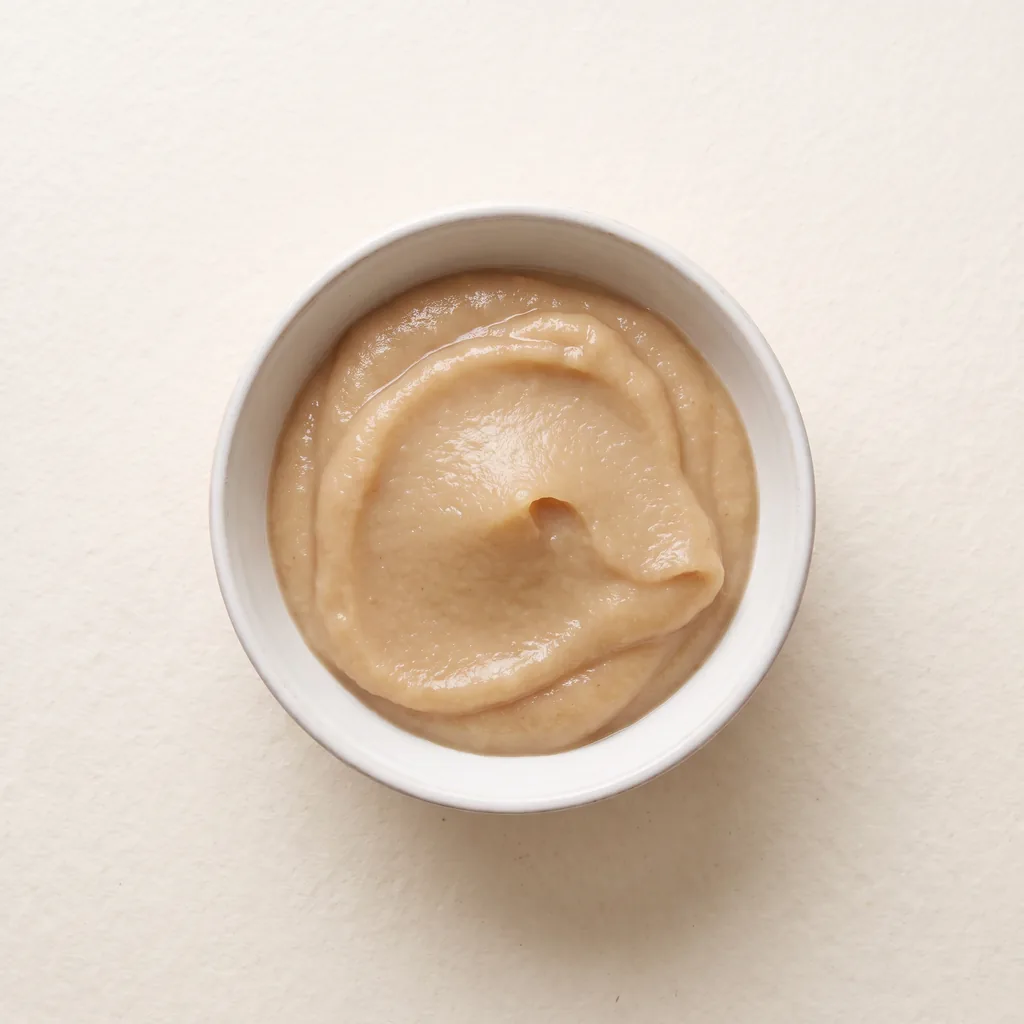
Grind cooked, peeled chestnuts in a mortar, a food processor or on a grater until no large bits remain. The result can look like powder or paste. Sprinkle it on soft foods or stir it in. If you use chestnut paste, loosen it with a little water, breast milk or formula into a smooth pourable sauce. It is rich in fiber, so start small. Do not serve candied chestnuts.
9 monthsCube

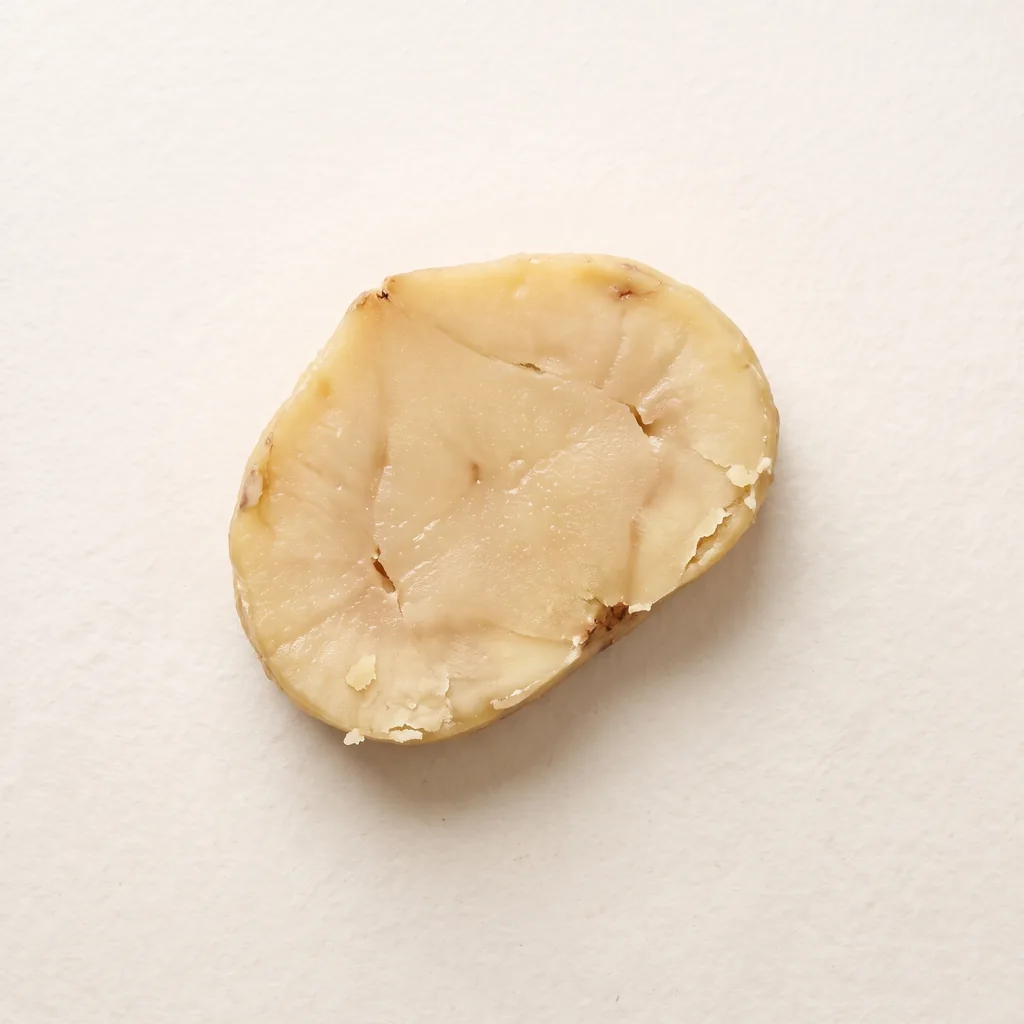
Slice packaged cooked chestnuts thinly or squash them with your fingers into crumbs. Pieces need to be soft and easy to crumble when pressed. Place them straight on the tray or table so your baby takes one piece at a time. Skip the bowl, since a baby can scoop many pieces at once. You can keep offering ground chestnut and thinned paste.

12 monthsSlice

Chestnut prepared for 12 months

Slice cooked, peeled chestnuts thinly or smash them into pieces. Make each piece soft so it crumbles with ease. If it does not, grind it finely instead. Place the pieces on the tray or table. At this age your child may also handle undiluted chestnut paste or nut butter. Spread a thin layer and offer water or milk in an open cup to wash down sticky bits. Do not serve candied chestnuts.

Choking risk

  1. Low
  2. Medium
  3. High

Cooked chestnut is firm, round and slippery. It can be hard to chew or crumbly. All of these raise risk. Prepare it for your child's age. Stay within arm's reach at meals.

Forms to avoid

Do not give young babies whole chestnuts, large pieces, candied chestnuts or clumps of paste.

Allergen information

Chestnut is classed as a tree nut but not as a common allergen. Primary chestnut allergy is very rare.

Chestnut has proteins resembling those in latex, avocado, banana and kiwi, a link known as latex-fruit syndrome. Reactions can be a mild itchy mouth (brief tingling or stinging) or a severe body-wide reaction.

People with chestnut allergy but no latex allergy can also be sensitive to mugwort pollen and peach.

Offer a small amount at first and watch.

Frequently asked questions

What age can babies eat chestnut?

Chestnut can be offered finely ground or as a thinned paste when your baby is ready for solids, around 6 months. Whole chestnuts, chopped pieces, candied chestnuts and clumps of paste raise choking risk. How you prepare it matters.

How do you prepare chestnut for babies?

For a 6-month-old: Grind cooked, peeled chestnuts in a mortar, a food processor or on a grater until no large bits remain. The result can look like powder or paste. Sprinkle it on soft foods or stir it in. If you use chestnut paste, loosen it with a little water, breast milk or formula into a smooth pourable sauce. It is rich in fiber, so start small. Do not serve candied chestnuts.
Is chestnut a choking hazard for babies?

Cooked chestnut is firm, round and slippery. It can be hard to chew or crumbly. All of these raise risk. Prepare it for your child's age. Stay within arm's reach at meals.

Is chestnut a tree nut and an allergen?

Chestnut is classed as a tree nut but not as a common allergen. Primary allergy is rare. Cross-reactions can occur in people with latex allergy.

Does chestnut cause gas?

It is high in fiber, so it may cause gas or loose stools. Start with a small amount.

What can I make with chestnut flour?

You can use it for pancakes or muffins. These make suitable finger foods for babies.

Prepared by the Lokmini team | Last updated November 17, 2026

Share:WhatsApp

Want to add this food to your baby's solid food calendar?

Join Lokmini to learn how this food is served at each age and to keep track of every food your baby tries.

Join Lokmini

Starting Solids

When and how to start solids, and what happens in the first week?

Read the guide

Similar foods

Let's get ready for the first bite together

Lokmini builds a day-by-day plan for your baby's age. Leave your email for new guides and our newsletter.

Start Your Journey