Skip to content
  • Vegetables
  • 6 mo+
  • Low choking risk

Broccoli for babies: when to start

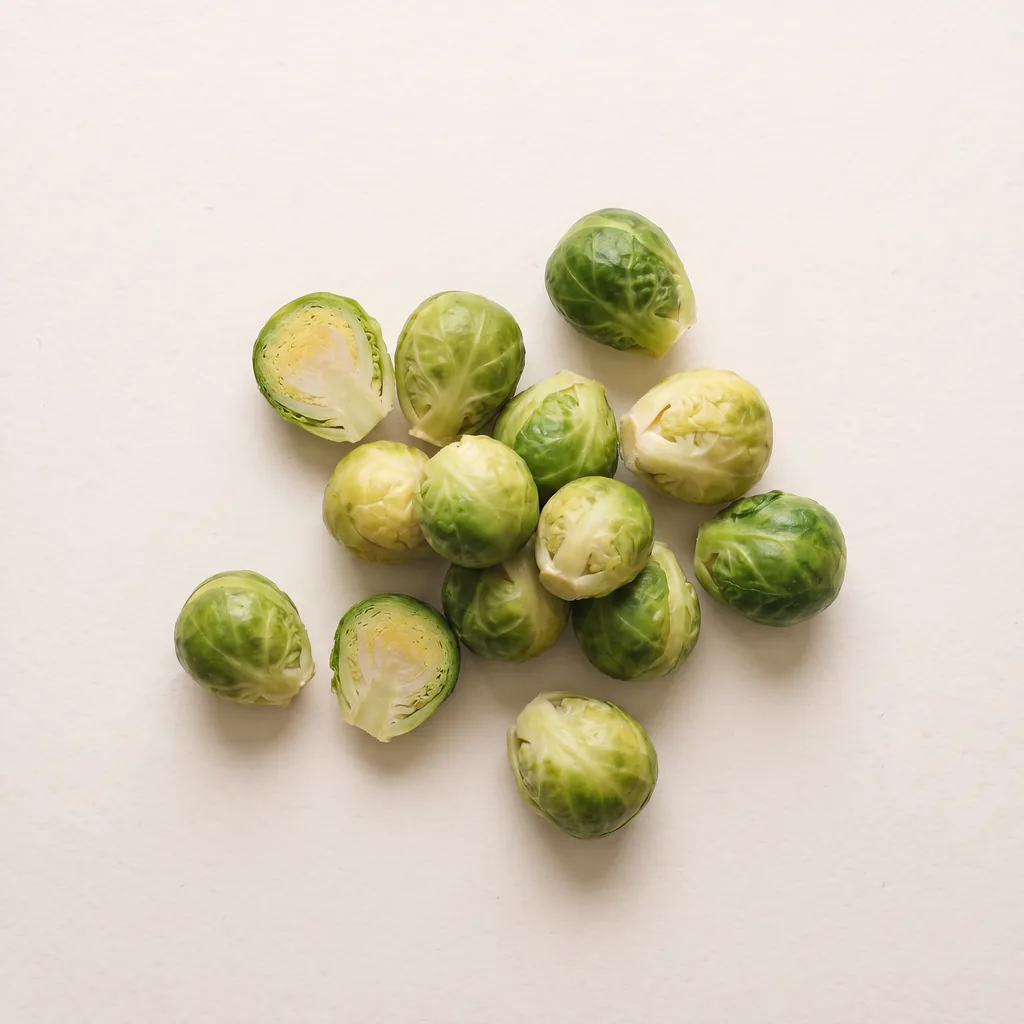
Broccoli can start when your baby is about 6 months old and ready for solids. Its name comes from an Italian word for small sprouts. It belongs to the same plant family as cabbage, cauliflower and Brussels sprouts, all bred from wild cabbage around the Mediterranean.

  • Vitamin A
  • Vitamin B6
  • Folate
  • Fiber
  • Vitamin C
  • Vitamin K
Broccoli illustration

About broccoli

Broccoli provides vitamin A, vitamin B6, folate and fiber.

Also known as: broccoli, brokoli çiçeği

  • Gluten-free
  • Vegan

How to prepare it by age

6 monthsStrip

Broccoli prepared for 6 months

Cut: Large piece

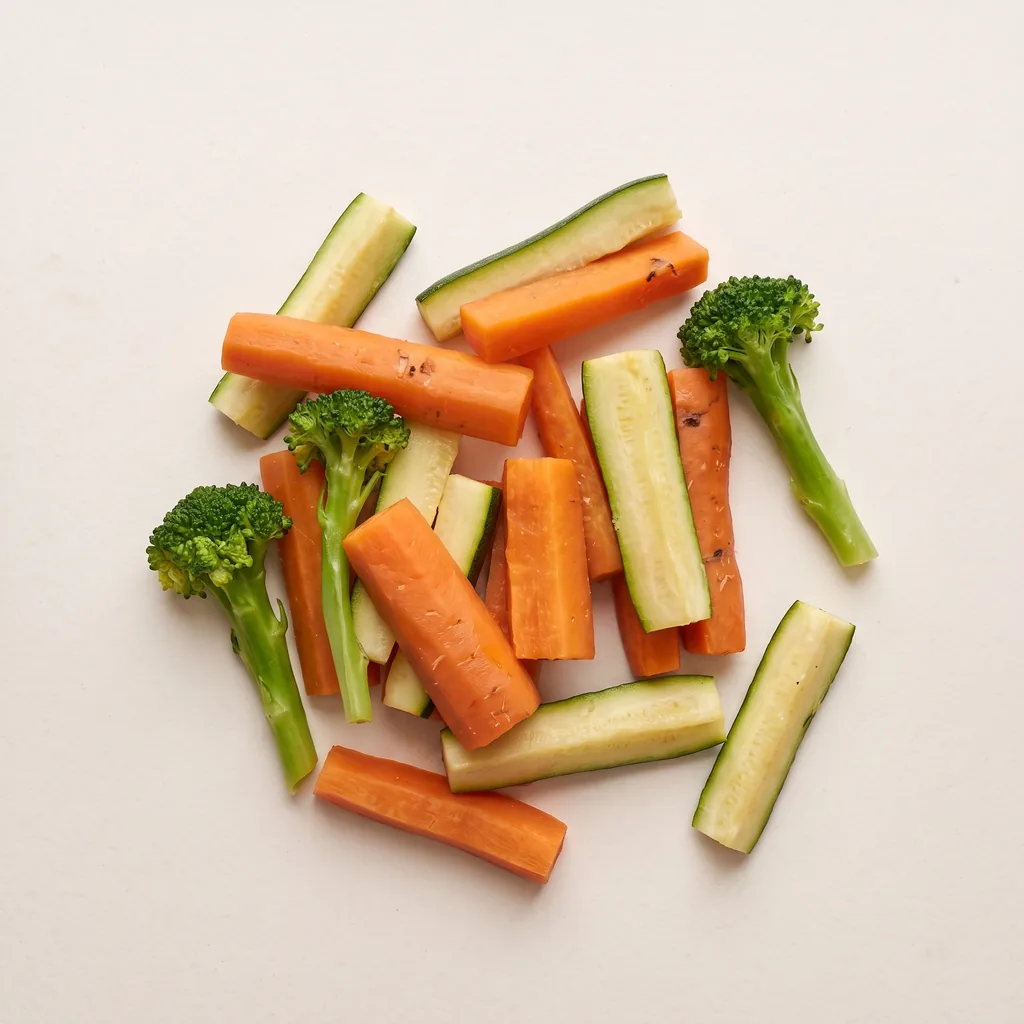
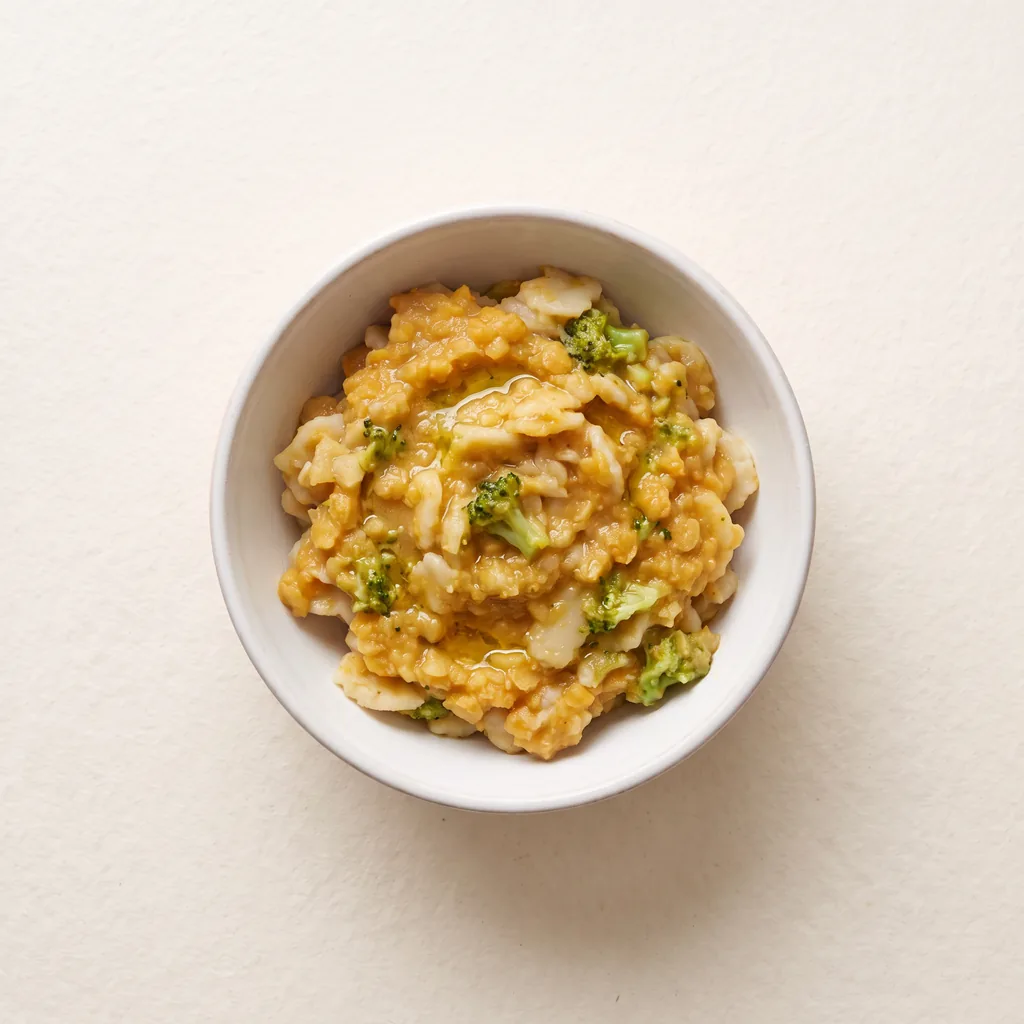
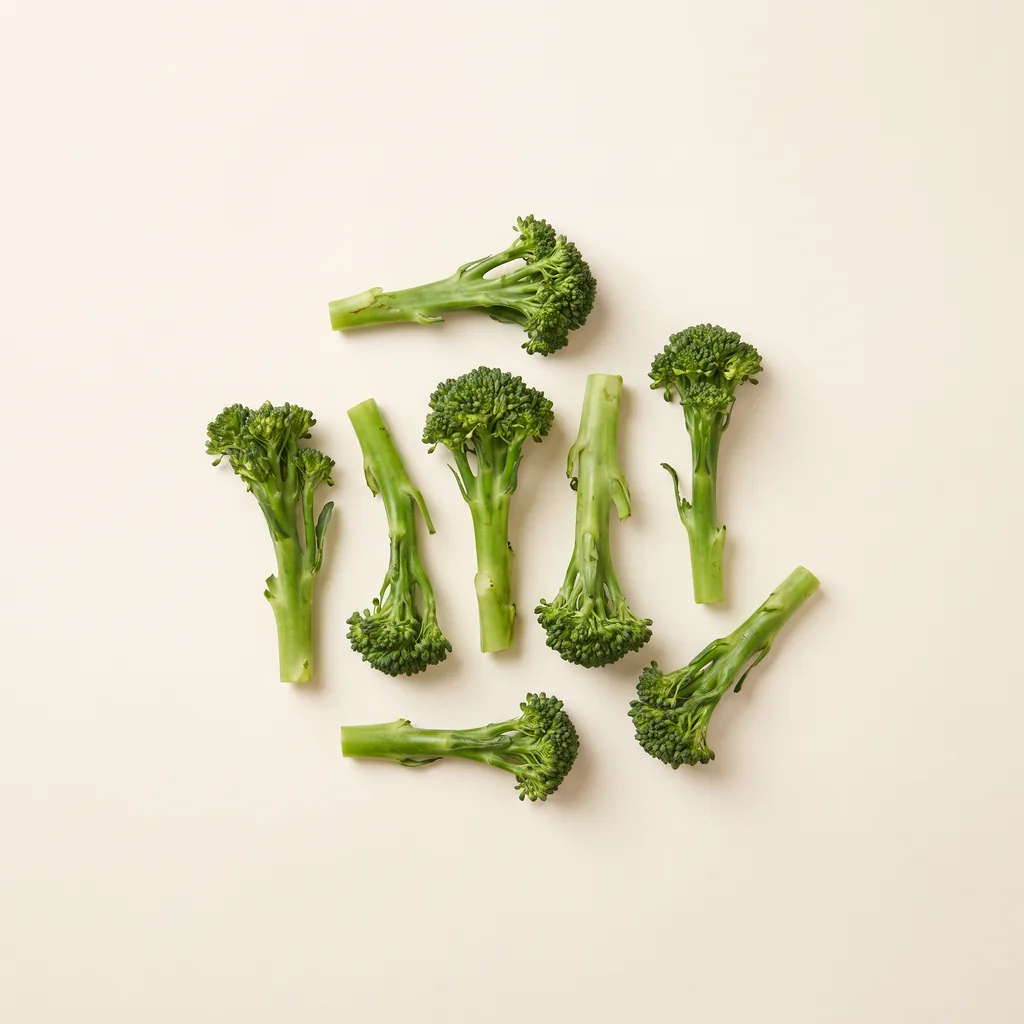
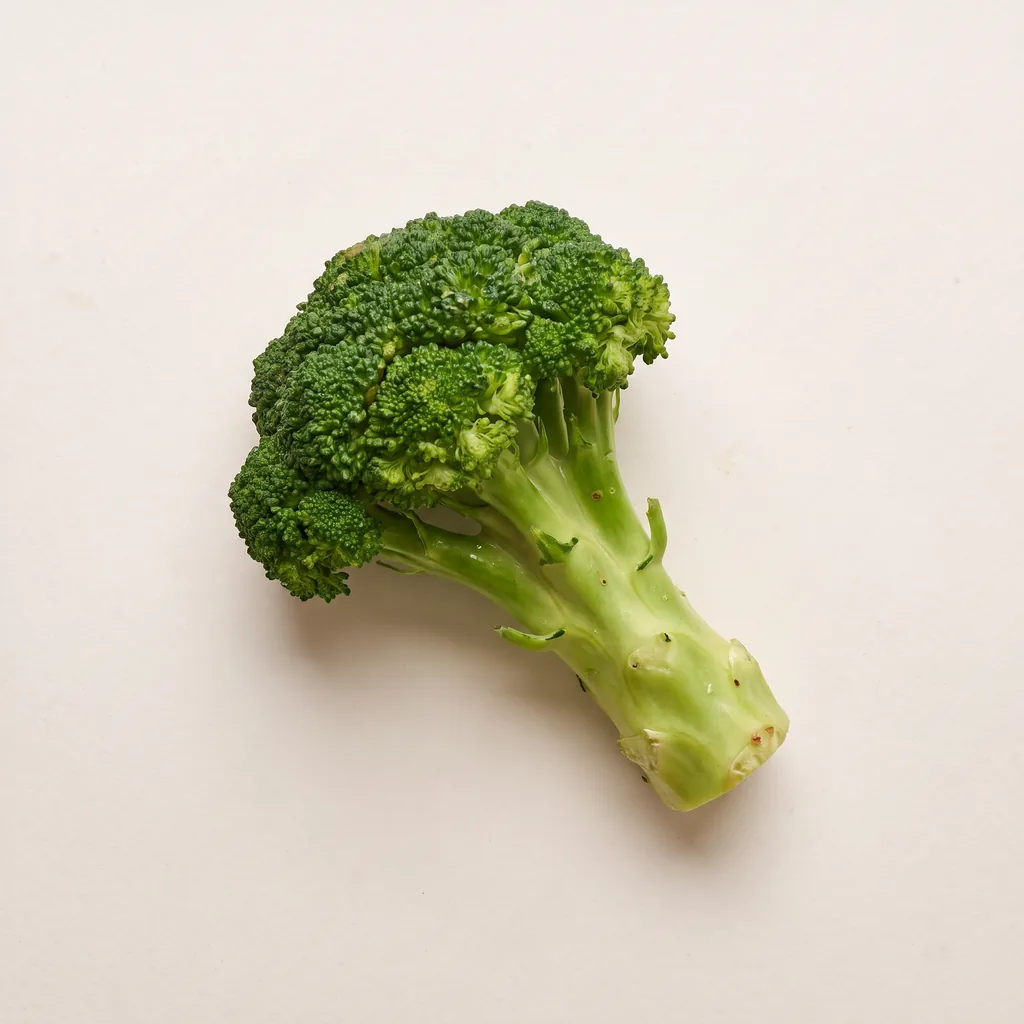
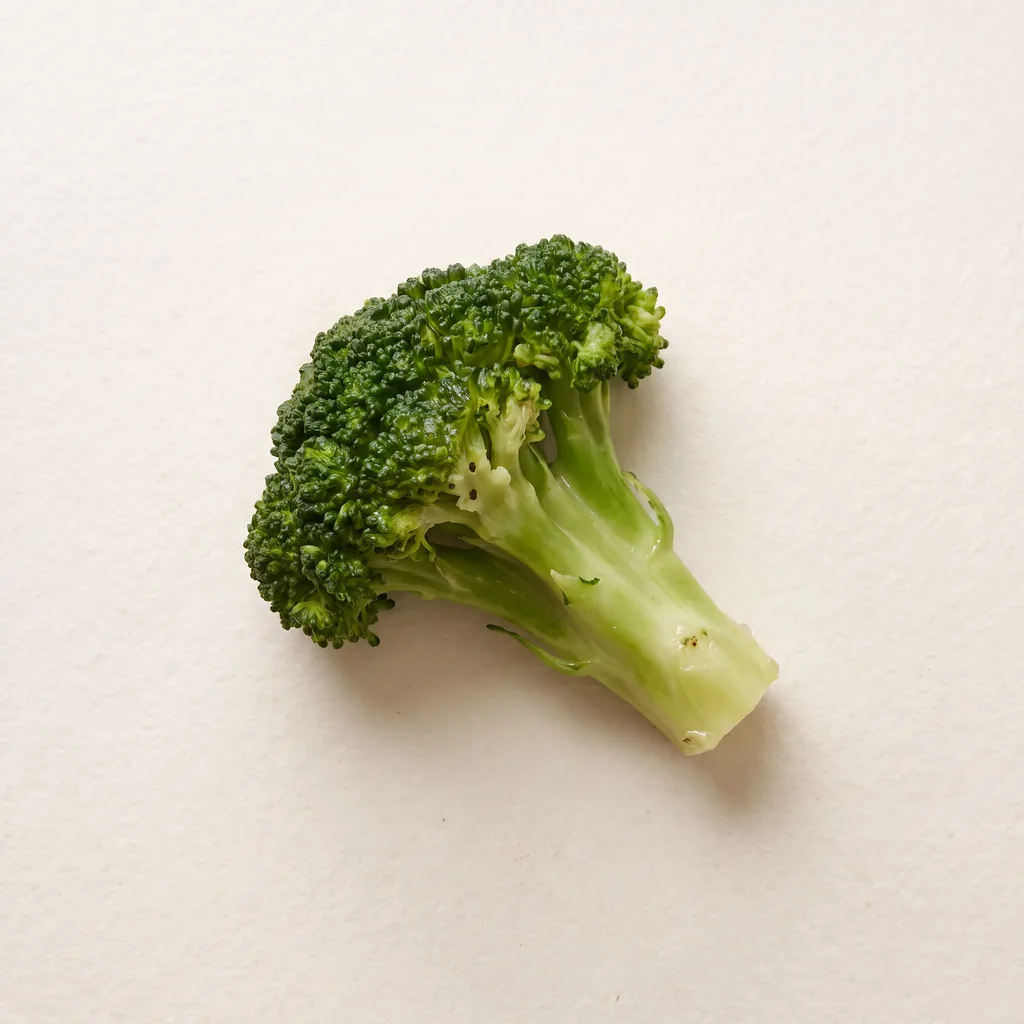
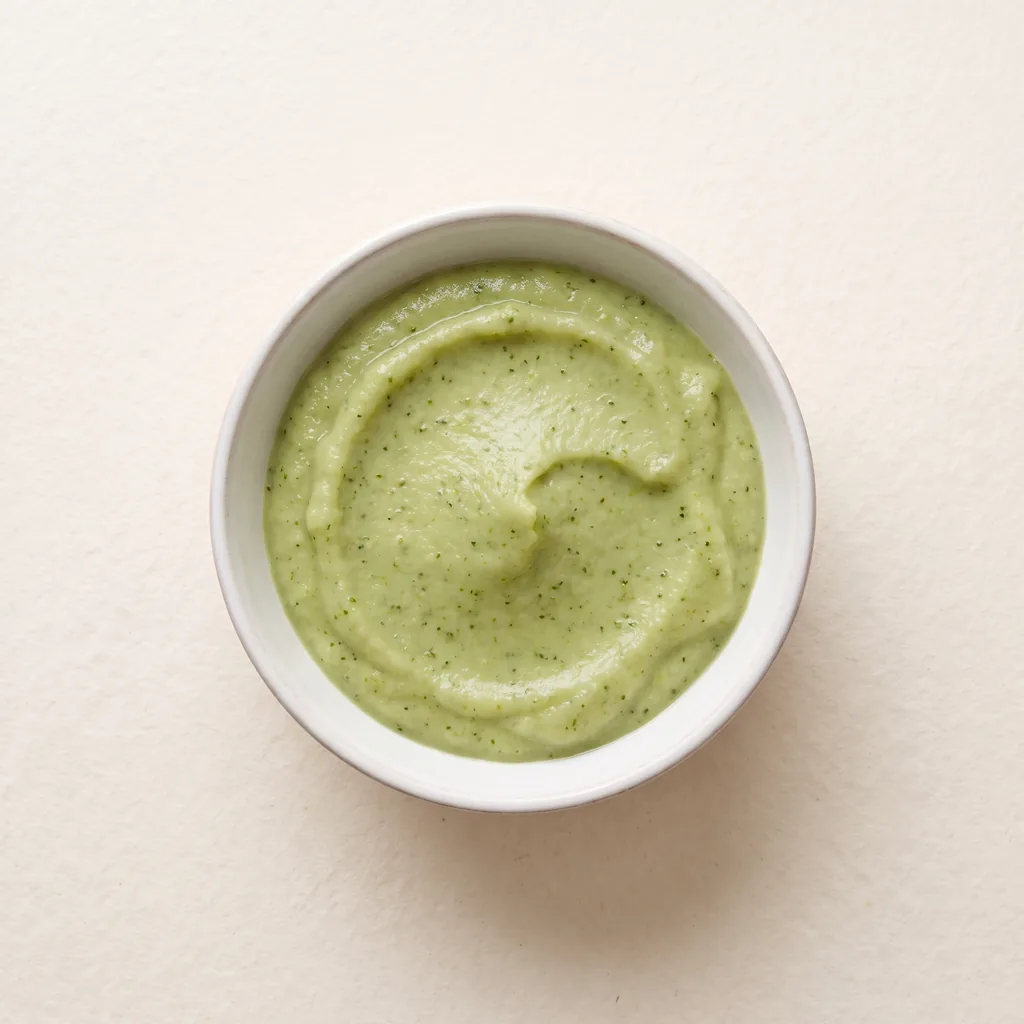
Steam the broccoli by its stem until a fork mashes it easily. The floret forms a natural handle, so a 6-month-old can grab it in the palm and bring it to the mouth alone. For a purée, separate the florets from the stem and chop them very finely. Skip the fibrous stem part, because tough fibers can be a choking risk.
9 monthsCube

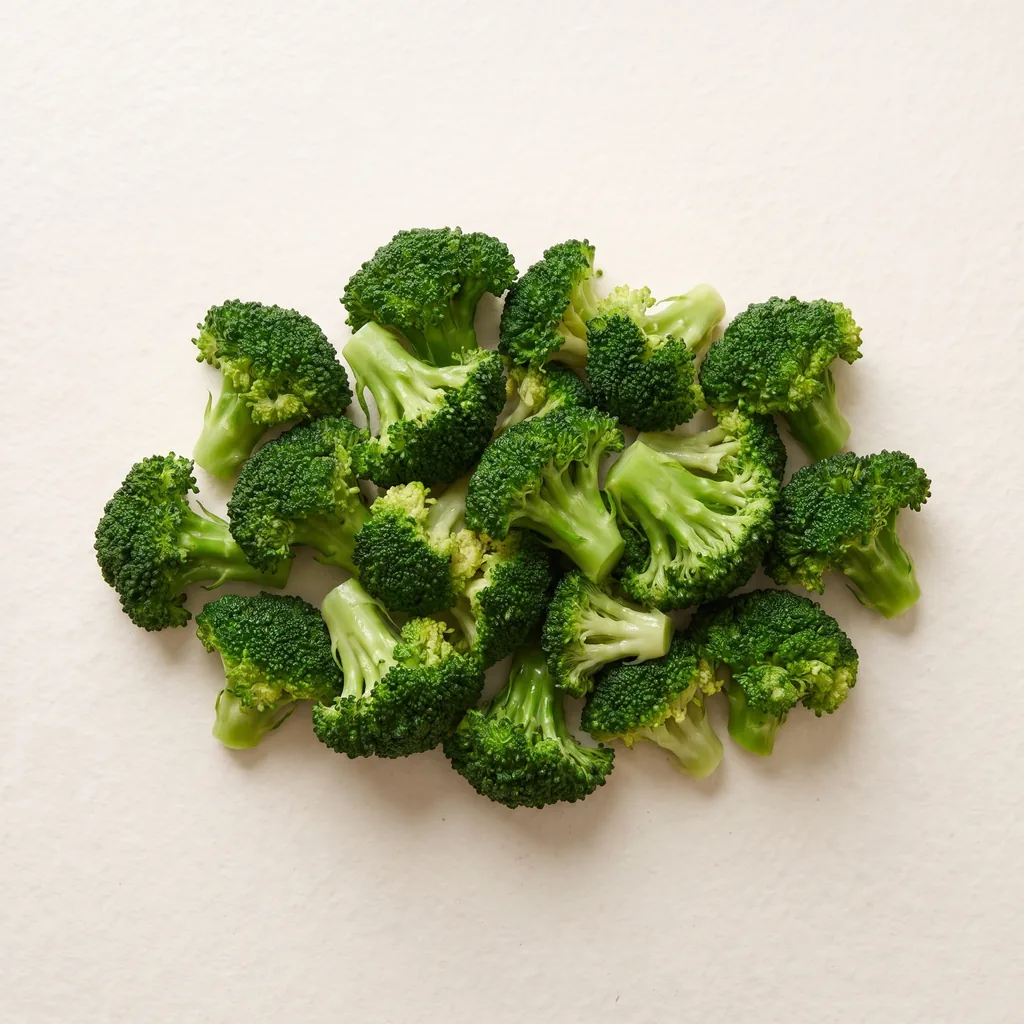
Broccoli prepared for 9 months

Cut: Bite sized piece

Chop soft-cooked florets or stem into bite-sized pieces. If your baby struggles to pick up the small pieces, go back to larger florets and show how to take a bite.

12 monthsCube

Broccoli prepared for 12 months

Cut: Bite sized piece

Cut cooked broccoli into bite-sized pieces and pre-load them on a fork. As your child builds biting and chewing skills, you can steam it a little less. Add broccoli to family meals freely.

Choking risk

  1. Low
  2. Medium
  3. High

Raw or undercooked broccoli can be hard, and because it is hard to chew it can be a choking risk. Watch out especially for thick, tough stems.

Cook broccoli until it is soft enough to squash easily between your fingers. Peel the tough outer stem and prepare it to suit your baby's development. Do not give pieces that have hardened or turned crispy in the oven.

Make sure your baby sits upright during the meal, and stay next to them, within arm's reach.

Cooking time matters

Cook broccoli until it squashes when pressed with a finger. Remember to split round stems lengthwise.

Allergen information

Broccoli is not a common food allergen. But allergic reactions to broccoli can happen. Scientific data on how often they occur is limited.

Broccoli is in the same plant family as cabbage, cauliflower and mustard. Some people allergic to these foods may also react to broccoli. But being in the same family does not mean an allergic reaction will always develop.

When you offer broccoli for the first time, start with a small amount and watch your baby. If signs such as a skin rash, swelling of the lips or vomiting develop, stop giving broccoli and see a health professional.

For serious signs such as trouble breathing, swelling of the tongue or throat, sudden marked weakness or loss of consciousness, call emergency services right away.

Frequently asked questions

What age can babies eat broccoli?

Broccoli can start when your baby is about 6 months old and ready for solids. Its name comes from an Italian word for small sprouts. It belongs to the same plant family as cabbage, cauliflower and Brussels sprouts, all bred from wild cabbage around the Mediterranean.

Is broccoli a common allergen?

Broccoli is not a common food allergen. But allergic reactions to broccoli can happen. Scientific data on how often they occur is limited.

How do you prepare broccoli for babies?

For a 6-month-old: Steam the broccoli by its stem until a fork mashes it easily. The floret forms a natural handle, so a 6-month-old can grab it in the palm and bring it to the mouth alone. For a purée, separate the florets from the stem and chop them very finely. Skip the fibrous stem part, because tough fibers can be a choking risk.
Is broccoli a choking hazard for babies?

Raw or undercooked broccoli can be hard, and because it is hard to chew it can be a choking risk. Watch out especially for thick, tough stems.

Can I give raw broccoli?

No. Raw broccoli is hard and carries a choking risk for babies. Cook it until it is soft enough to squash easily between your fingers.

Can I serve the stem too?

Yes. Peel the tough outer layer, steam it until soft, and cut it into a flat rectangular stick rather than a round one.

Is steaming better than boiling?

Steaming can help keep some nutrients, especially vitamin C. Boiling is also fine, but cooking for a long time in a lot of water can increase nutrient loss.

Prepared by the Lokmini team | Last updated November 19, 2026

Share:WhatsApp

Want to add this food to your baby's solid food calendar?

Join Lokmini to learn how this food is served at each age and to keep track of every food your baby tries.

Join Lokmini

Starting Solids

When and how to start solids, and what happens in the first week?

Read the guide

Similar foods

Let's get ready for the first bite together

Lokmini builds a day-by-day plan for your baby's age. Leave your email for new guides and our newsletter.

Start Your Journey